Do You Need An Oven Hood The Answer Might Surprise You
An oven hood is not just a fancy kitchen add-on — it plays a vital role in keeping your air clean, your walls grease-free, and your family safe. Whether you use a ducted hood or a ductless hood, proper kitchen ventilation removes cooking fumes, grease, and odors fast. Let us explore why you might need one more than you think.
Do you need an oven hood? The short answer is yes — but the full answer is more interesting than you might expect. Many homeowners skip this important kitchen fixture without realizing what they are missing. A good oven hood does way more than just look nice above your stove.
It pulls smoke, grease, and cooking odors out of your kitchen. It protects your walls and cabinets from sticky buildup. And it keeps the air you breathe while cooking cleaner and healthier. If you love to cook, this matters more than you think.
In this guide, we will walk through everything you need to know about oven hoods. We will cover why they matter, the different types available, and how to pick the right one for your kitchen. By the end, you will know exactly whether you need one and which type works best for you.
Key Takeaways
- Air Quality Matters: An oven hood removes harmful particles and keeps your kitchen air fresh.
- Grease Protection: Without a hood, grease settles on your walls, cabinets, and backsplash.
- Safety First: Proper ventilation reduces fire risks and removes dangerous fumes like carbon monoxide.
- Types Matter: Ducted and ductless hoods serve different needs and budgets.
- Not Just for Cooktops: Oven hoods also help when you bake, roast, or use a commercial pizza oven.
- Easy Installation: Many hoods are simple to install and maintain.
📑 Table of Contents
What Does an Oven Hood Actually Do?
An oven hood is a ventilation unit installed above your oven or cooktop. Its main job is to capture and remove airborne contaminants produced during cooking. But that is just the beginning of what it does.
Removing Cooking Fumes and Smoke
When you cook, especially at high temperatures, smoke and fumes are released into the air. These tiny particles float around your kitchen and settle on every surface. A hood with a strong exhaust fan pulls this smoke upward and either filters it or sends it outside through a duct.
Think about how often you sear meat or bake something at high heat. Each of those moments releases particles into the air. Without a hood, those particles stay right where you are breathing.
Cutting Down on Grease Buildup
Grease is one of the biggest enemies of a clean kitchen. When you fry or roast fatty foods, grease droplets float into the air. Over time, they coat your walls, cabinets, and backsplash. This sticky buildup is hard to clean and can even become a fire hazard.
A hood catches most of this grease before it spreads. The grease filter traps the droplets, keeping your kitchen surfaces much cleaner. This alone is a huge reason to consider installing one.
Improving Kitchen Air Quality
Beyond smoke and grease, cooking releases gases and odors into the air. Some of these, like carbon monoxide and nitrogen dioxide, are harmful in high concentrations. A ventilation system helps dilute and remove these gases, keeping the air quality in your kitchen much safer.
If you have ever noticed a lingering smell after cooking fish or spices, an oven hood can help with that too. It pulls the odors out instead of letting them settle into your curtains, furniture, and clothes.
Why Proper Kitchen Ventilation Is So Important
Many people underestimate how much their cooking affects the air in their home. Without good kitchen ventilation, the air quality can drop fast, especially during long cooking sessions.
Health Benefits of Good Ventilation
Breathing in cooking fumes over time can cause health issues. Smoke contains fine particles that irritate your lungs and eyes. Gas ovens especially produce nitrogen dioxide, which can worsen asthma and other respiratory conditions.
A properly working hood helps protect you and your family. It keeps the air cleaner and reduces your exposure to harmful byproducts of cooking. This is especially important in small kitchens where air circulates less freely.
Protecting Your Kitchen Surfaces
Grease and smoke damage your kitchen over time. Paint on walls peels. Cabinets develop a sticky film. Countertops stain more easily. All of this happens faster without a hood to catch the particles before they land.
Think of a hood as a shield for your kitchen. It takes the brunt of the mess so your walls and surfaces stay cleaner longer. This saves you time and effort on deep cleaning.
Reducing Odors Throughout Your Home
Cooking odors do not stay in the kitchen. They travel through hallways, into living rooms, and even into bedrooms. If you have ever walked past a kitchen after someone cooked something strong, you know exactly what we mean.
A hood with a good odor removal system captures these smells at the source. It prevents them from spreading to the rest of your home, keeping everything smelling fresh.
Types of Oven Hoods You Can Choose From
Not all oven hoods are the same. There are different styles and types, each with its own strengths. Choosing the right one depends on your kitchen layout, budget, and cooking habits.
Ducted Hoods (External Ventilation)
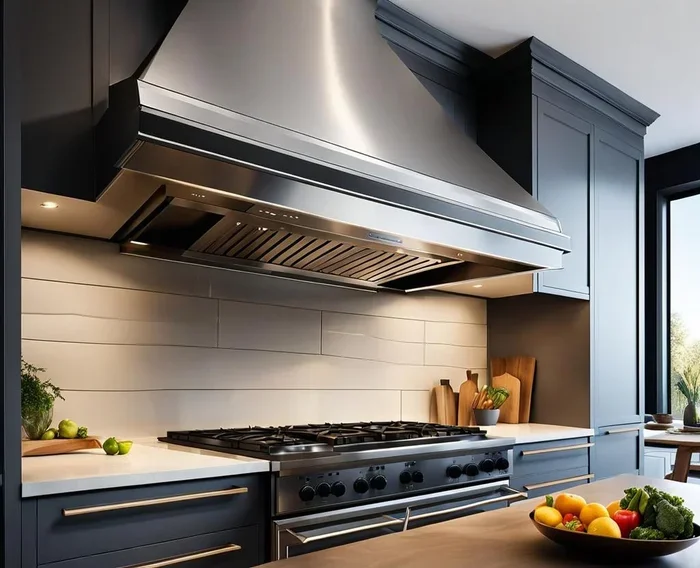
A ducted hood, also called a vented hood, sends air outside through a duct or chimney. This is the most effective type because it completely removes smoke, grease, and odors from your home.
Here is why many homeowners prefer ducted hoods:
- Maximum airflow: They push contaminants outside instead of recirculating them.
- No odor buildup: Since air leaves the home, smells do not linger.
- Better grease removal: More grease gets captured and expelled outside.
- Lower maintenance: There is no need to clean or replace charcoal filters.
The downside is that installation requires a duct to be run from the hood to the exterior of your home. This can be more expensive and complex, especially if your oven is not on an exterior wall.
Ductless Hoods (Recirculating Hoods)
A ductless hood filters the air and pushes it back into the kitchen. It uses a combination of grease filters and charcoal filters to clean the air before releasing it.
Ductless hoods are a great option when you cannot install a duct. Here are some pros and cons:
- Easy to install: No ductwork needed, so setup is much simpler.
- Flexible placement: You can install one almost anywhere above your oven.
- Lower upfront cost: They are generally cheaper to buy and install.
- Less effective: They do not remove as much grease and odor as ducted models.
- Filter replacement: Charcoal filters need regular replacement, adding ongoing cost.
If you live in an apartment or a kitchen without exterior wall access, a ductless hood is a smart compromise. It still offers meaningful airflow improvement compared to having no hood at all.
Under-Cabinet and Island Hoods
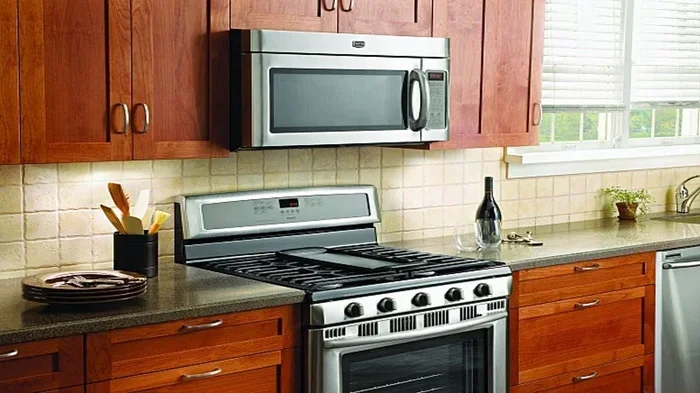
Beyond the ducted vs. ductless split, hoods also come in different styles. Under-cabinet hoods mount directly under your upper kitchen cabinets. They are compact and save space. Island hoods hang from the ceiling and work well when your oven or cooktop sits on a kitchen island.
There are also wall-mounted hoods and corner hoods for kitchens with unique layouts. Each style offers a slightly different airflow pattern, so choose one that matches your kitchen setup.
Commercial vs. Residential Hoods
If you have a heavy-duty cooking setup, such as a commercial electric pizza oven, you need a hood built for serious ventilation. Commercial hoods handle higher volumes of smoke, heat, and grease. They are larger and more powerful than standard residential models.
For most home kitchens, a residential hood works perfectly. But if you cook commercially or use high-heat appliances frequently, investing in a stronger ventilation system pays off in the long run.
How to Choose the Right Oven Hood for Your Kitchen
Picking the right hood can feel overwhelming with so many options. But it does not have to be. A few key factors will guide you to the right choice.
Size Matters
The hood should be at least as wide as your oven or cooktop. Ideally, it should extend a few inches on each side. This ensures maximum coverage and captures more smoke and grease before they spread.
Measure your oven or cooktop width before shopping. A hood that is too small will not work effectively, no matter how powerful its motor is.
Consider Your Cooking Style
Do you mostly bake and roast? Or do you fry and sear regularly? Your cooking style determines how much ventilation you need.
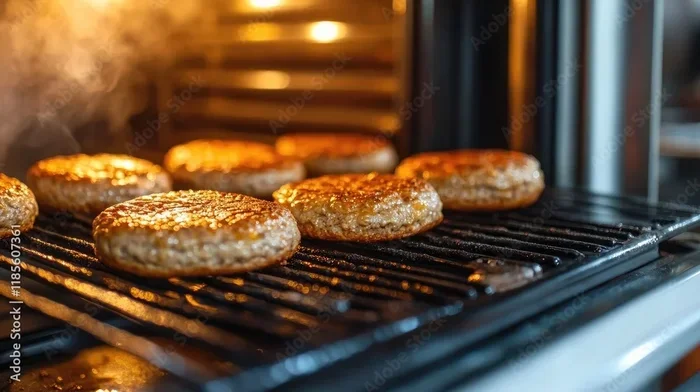
If you bake a lot, like making chicken kebabs in the oven for 25-30 minutes, you still produce some steam and odors. If you frequently fry foods at high heat, you generate more grease and smoke, so you need a stronger hood.
Even something simple like cooking frozen fries in an air fryer oven can produce enough steam and odor to warrant good ventilation, especially in a small kitchen.
Check the CFM Rating
CFM stands for Cubic Feet per Minute. It measures how much air the hood can move. Higher CFM means stronger ventilation.
Here is a quick guide:
- Small kitchens (under 100 sq ft): 200-300 CFM
- Medium kitchens (100-200 sq ft): 300-500 CFM
- Large kitchens (over 200 sq ft): 500-900+ CFM
If you cook with gas, go for the higher end. Gas stoves produce more heat and combustion byproducts than electric ones.
Noise Level
A powerful hood that sounds like a jet engine is not fun to cook with. Check the noise rating, usually measured in sones. Lower numbers mean quieter operation. Look for hoods with noise levels under 5 sones for a comfortable cooking experience.
Budget Considerations
Hoods range from affordable under-cabinet models to high-end designer options. Set a budget before you shop. Remember that ductless hoods cost less upfront but may have higher ongoing costs for filter replacements. Ducted hoods cost more to install but offer better long-term value.
Common Mistakes People Make With Oven Hoods
Even homeowners who install a hood can make mistakes that reduce its effectiveness. Here are the most common ones to avoid.
Installing the Hood Too Low
Mounting the hood too close to the oven reduces its effectiveness. Heat rises, and if the hood is too low, it can block airflow and even get damaged from the heat. Follow the manufacturer’s recommended installation height for best results.
Skipping Regular Cleaning
A hood that is not cleaned regularly becomes less effective over time. Grease builds up on the filters and restricts airflow. Clean your grease filters every few weeks if you cook frequently. Replace charcoal filters in ductless hoods every 6-12 months.
Choosing Style Over Function
It is easy to fall in love with a sleek design. But style means nothing if the hood does not move enough air. Always prioritize CFM rating, filter quality, and duct size over looks.
Ignoring the Duct Path
If you go with a ducted hood, make sure the duct path is as straight as possible. Bends and long runs reduce airflow significantly. A short, direct path to the exterior wall gives the best performance.
Do You Really Need One? The Final Verdict
So, do you need an oven hood? For most kitchens, the answer is a clear yes. Even if you do not cook every day, the benefits of better air quality, grease protection, and odor control are hard to ignore.
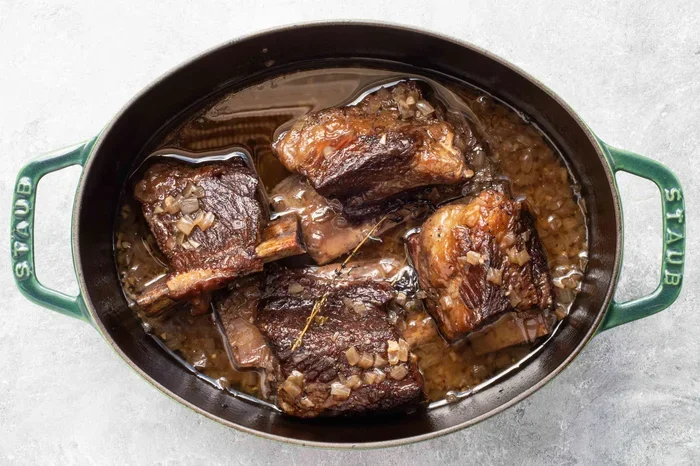
If you bake regularly, like roasting pumpkin seeds in the oven or preparing slow-roasted dishes, a hood helps manage steam and lingering smells. If you use your oven for long cooking sessions, proper ventilation keeps your kitchen comfortable and safe.
The only time you might skip a hood is if you have excellent natural ventilation, such as large windows and strong cross-breezes. Even then, a hood adds a layer of protection that is worth having.
Think of it this way. You would not cook without a pot holder or leave raw meat uncovered. An oven hood is another essential kitchen tool that keeps your space clean, safe, and pleasant to cook in.
Quick Tips for Getting the Most From Your Oven Hood
- Turn it on before you start cooking: This captures fumes from the very beginning.
- Keep it running a few minutes after cooking: It clears out residual smoke and steam.
- Clean filters regularly: Clogged filters reduce airflow and performance.
- Match hood size to your oven: A properly sized hood covers more area effectively.
- Use the right fan speed: High heat cooking needs higher speed; gentle baking works fine on low.
Expert Insights
Kitchen ventilation experts agree that a hood is one of the most underrated kitchen upgrades. According to HVAC professionals, even a basic ductless hood can improve indoor air quality by up to 50% during cooking sessions. The key is consistency — use your hood every time you cook, not just when things get smoky.
Many people also overlook the connection between oven ventilation and overall home air quality. When cooking fumes escape into your living space, they affect bedrooms, hallways, and even your HVAC system. A good hood keeps the entire home fresher.
Conclusion
The question “do you need an oven hood” deserves a clear answer: yes, you do. It protects your health, keeps your kitchen cleaner, extends the life of your cabinets and walls, and makes cooking more enjoyable. Whether you choose a powerful ducted model or a flexible ductless option, the difference in your kitchen will be noticeable from day one.
Take a look at your kitchen right now. Do you see any grease on your upper cabinets? Does the air get stuffy when you roast something for a long time? These are signs that you could benefit from an oven hood. Invest in one that fits your kitchen, your budget, and your cooking style, and you will wonder how you ever cooked without it.
Frequently Asked Questions
Can I use my oven without a hood?
Yes, you can use your oven without a hood, but you may notice more smoke, grease, and odors in your kitchen. Without proper kitchen ventilation, these particles settle on surfaces and can affect air quality over time. A hood makes cooking more comfortable and keeps your kitchen cleaner.
How often should I clean my oven hood filter?
Grease filters should be cleaned every 2-4 weeks if you cook frequently. Charcoal filters in ductless hoods need replacement every 6-12 months. Regular cleaning keeps your exhaust fan working at full airflow capacity and prevents grease buildup.
Is a ductless hood as effective as a ducted hood?
A ductless hood is effective but not as powerful as a ducted hood. Ducted hoods remove air from your home completely, while ductless hoods recirculate it after filtering. For the best smoke evacuation and grease removal, a ducted hood is the stronger choice.
What size oven hood do I need?
Your hood should be at least as wide as your oven or cooktop. For most home ovens, a hood between 24 and 36 inches wide works well. Check the CFM rating to make sure it matches your kitchen size and cooking habits.
Can an oven hood help with cooking smells from baking?
Yes, absolutely. Even baking produces steam, sugars, and odors that spread through your kitchen. An oven hood helps capture these smells early, keeping your kitchen and home smelling fresh. This is especially helpful when baking strong-smelling items like roasted pumpkin seeds or spiced desserts.
Do I need a professional to install an oven hood?
Ductless hoods are usually simple to install and can be done as a DIY project with basic tools. Ducted hoods require running a duct to the exterior, which may need professional help. If you are unsure, consult an installer to make sure your ventilation system is set up safely and effectively.