How To Lightly Toast Bread In Oven For Perfect Crunch
Discover how to lightly toast bread in oven for a golden, crispy finish that tastes amazing. This guide walks you through the exact temperatures, timing, and bread types to get perfect results every time. Whether you want a warm, gentle toast or a light golden crunch, these simple steps will help you achieve bakery-quality toast at home.
There is something truly special about a warm slice of lightly toasted bread in oven. It smells amazing. It feels crispy on the outside yet soft on the inside. And it pairs perfectly with almost anything you can imagine. Whether you are making a simple breakfast or a fancy bruschetta, getting that perfect light toast matters more than you think.
Many people reach for their toaster every morning. But your oven can do so much more. It gives you even toasting. It lets you control the crunch level. And it works great with different bread types. In this guide, you will learn exactly how to lightly toast bread in oven like a pro. We will cover temperatures, timing, bread choices, and common mistakes to avoid. By the end, you will never want to use your toaster again for a light toast.
Key Takeaways
- Low and slow is the way: Use 300 to 350°F to get an even, light toast without burning.
- Preheat your oven first: A hot oven ensures consistent toasting from the moment the bread goes in.
- Choose the right bread: Sourdough, baguette, and brioche all respond differently to oven toasting.
- Watch the timing closely: Most breads need only 3 to 5 minutes for a light toast.
- Use a baking sheet: It promotes even heat distribution and prevents uneven browning.
- Add flavor after toasting: Brush with butter or olive oil right after removing from the oven for best results.
📑 Table of Contents
- Why Lightly Toasting Bread In Oven Is A Game Changer
- What You Need To Lightly Toast Bread In Oven
- Step By Step Guide To Lightly Toast Bread In Oven
- Different Types Of Bread For Light Toasting
- Common Mistakes To Avoid When Toasting Bread In Oven
- Pro Tips For The Perfect Light Toast Every Time
- Conclusion
Why Lightly Toasting Bread In Oven Is A Game Changer
You might wonder why anyone would use an oven to toast bread. Toasters are fast. They are convenient. So why bother with the oven? The answer comes down to control and quality.
When you lightly toast bread in oven, you get a more even result. The heat wraps around each slice. This means no cold spots or uneven browning. You also get better texture. The outer layer becomes crispy while the inside stays soft and pillowy. That contrast is what makes great toast so satisfying.
Another big reason is versatility. A toaster works with standard sliced bread. But an oven handles baguettes, sourdough loaves, brioche, and even thick artisan slices. If you have ever tried to fit a baguette in a toaster, you know the struggle. The oven solves that problem completely.
Using the oven also lets you toast multiple slices at once. You are not limited to two or four pieces. You can toast a whole loaf’s worth. This makes it perfect for feeding a family or hosting a brunch. Plus, you can add herbs, garlic, or cheese to the bread while it toasts. The possibilities are endless when you lightly toast bread in oven instead of relying on a basic toaster.
The Science Behind Light Toasting
When bread heats up, something magical happens. The sugars in the dough begin to caramelize. This is called the Maillard reaction. It creates those golden-brown colors and complex flavors. The temperature and timing control how far this reaction goes.
At lower temperatures around 300°F, the browning happens slowly and evenly. This is perfect for a light toast. At higher temperatures, the outside can burn before the inside warms up. That is why a moderate oven setting works best for lightly toasted bread in oven results. You want gentle, steady heat that builds flavor without charring.
What You Need To Lightly Toast Bread In Oven
Getting started is simple. You do not need fancy equipment. Here is what you will need:
- An oven: Any standard oven works. Gas or electric both do a great job.
- A baking sheet: A flat sheet pan ensures even heat contact with the bread.
- Parchment paper or a silicone mat: These prevent sticking and make cleanup easy.
- Your favorite bread: More on choosing the right bread below.
- Optional toppings: Butter, olive oil, garlic, herbs, or cheese for added flavor.
That is really it. You do not need a special toaster oven or expensive tool. A regular home oven and a basic baking sheet are all you need to lightly toast bread in oven like a professional. The simplicity of this method is part of what makes it so appealing.
If you want to explore other oven techniques, check out how to cook frozen fries in air fryer oven for more oven cooking tips that use similar temperature control principles.
Choosing the Right Baking Sheet
Not all baking sheets are created equal. A heavy-duty aluminum sheet conducts heat evenly. This helps your toast brown consistently. Thin, flimsy sheets can create hot spots. These lead to uneven toasting where one part burns and another stays pale.
If you have a dark non-stick baking sheet, use it with care. Dark pans absorb more heat. This can cause the bottom of your bread to brown faster. You may need to reduce the temperature slightly or keep a closer eye on the bread.
Step By Step Guide To Lightly Toast Bread In Oven
Now for the part you have been waiting for. Here is exactly how to lightly toast bread in oven for perfect results every single time. Follow these steps and you will get consistent, golden toast that tastes incredible.
Step 1: Preheat Your Oven
Start by preheating your oven to 325°F. This temperature is the sweet spot for light toasting. It is hot enough to create a golden crust. But it is gentle enough to avoid burning. Preheating is crucial. It ensures the bread starts cooking the moment it enters the oven.
Do not skip this step. Putting bread into a cold oven leads to uneven results. The bread dries out before it toasts properly. You want the heat to hit the bread immediately for the best lightly toasted bread in oven texture.
Step 2: Prepare Your Bread
Slice your bread to your preferred thickness. For a light toast, aim for slices about ½ inch thick. Thicker slices need more time. Thinner slices can go from perfect to burnt very quickly.
If you are using a baguette or artisan loaf, cut it into thick rounds. These work beautifully for bruschetta or garlic toast. Place the slices on the prepared baking sheet. Leave a small gap between each piece. This allows air to circulate and promotes even toasting.
Step 3: Place the Bread in the Oven
Put the baking sheet on the middle oven rack. The middle position gives the most even heat distribution. Avoid the top rack, which can cause the tops to brown too quickly. And stay away from the bottom rack, which can overheat the bottom of the bread.
If you are toasting multiple sheets, stagger them on different racks. Rotate the sheets halfway through for even results. Just like when you roast pumpkin seeds in oven, keeping an eye on the food and rotating it ensures perfect, even results every time.
Step 4: Toast for 3 to 5 Minutes
Set your timer for 3 minutes. Check the bread at this point. You are looking for a light golden color. The edges should be slightly darker than the center. If the bread looks pale, give it another minute. Most breads need between 3 and 5 minutes total.
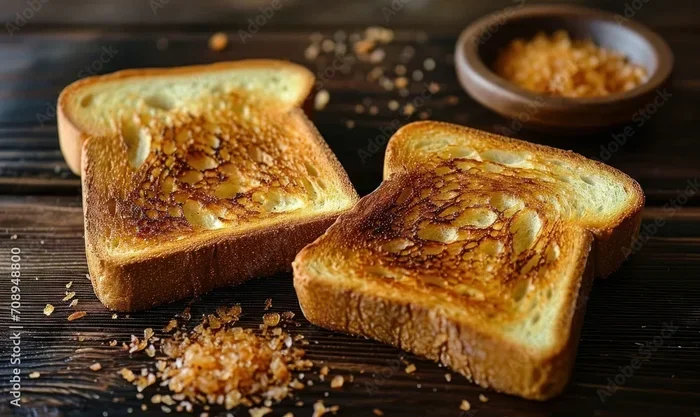
Every oven is different. Some run hot. Some run cool. The first time you try this, stay near the oven. Watch the bread closely. You want golden brown, not dark brown. Lightly toasted bread in oven should look like a warm sunset, not a campfire.
Step 5: Remove and Cool
Once the bread reaches your desired color, pull it out immediately. Place it on a wire rack or a clean kitchen towel. Let it cool for about one minute. The toast will continue to crisp up slightly as it rests. This resting period also prevents the bread from getting soggy.
If you are adding toppings, do it right after removing from the oven. Warm bread absorbs butter, olive oil, or jam beautifully. The slight warmth helps flavors melt and meld together perfectly.
Different Types Of Bread For Light Toasting
Not all bread is created equal when it comes to oven toasting. Different breads have different moisture levels, densities, and textures. These factors affect how they toast. Here is a look at the best options for lightly toasted bread in oven.
Sourdough
Sourdough is a fantastic choice for light toasting. Its thick crust and chewy interior hold up beautifully in the oven. A sourdough slice at 325°F comes out with a crispy exterior and a slightly tangy flavor. The tang pairs wonderfully with butter or cream cheese.
Sourdough also toasts more evenly than many other breads. The natural acidity in the dough helps it resist burning. This gives you a wider window to catch the perfect golden color.
Baguette and French Bread
Baguettes are made for oven toasting. Their thin, crispy crust becomes even more delightful with gentle heat. Cut a baguette into thick rounds and lightly toast bread in oven for a stunning appetizer or side dish.
French bread works similarly. It is light and airy with a delicate crust. It toasts quickly, so keep a close eye on it. Two to three minutes at 325°F is usually perfect for a French bread slice.
Brioche and Rich Breads
Brioche is a richer, denser bread. It contains more butter and eggs. This gives it a tender, almost cake-like texture. When lightly toasted, brioche becomes golden and slightly crispy on the outside while staying soft inside.
Rich breads like brioche toast up faster on the edges. Watch them carefully. They can go from perfect to overdone in under a minute. A temperature of 300°F works better for these breads to prevent burning.
Whole Wheat and Multigrain
Whole wheat and multigrain breads have a heartier texture. They take a bit longer to toast because of their density. They also tend to dry out faster, so do not leave them in the oven too long.
These breads toast to a beautiful deep golden color. The nuttiness of whole grain flour comes through beautifully when lightly toasted. They make excellent bases for avocado toast or savory toppings.
Common Mistakes To Avoid When Toasting Bread In Oven
Even a simple task like oven toasting can go wrong. Here are the most common mistakes people make and how to avoid them.
Using Too High a Temperature
The biggest mistake is setting the oven too hot. Many people think they need 400°F or higher for crispy bread. This is not true for a light toast. High heat burns the outside before the inside warms up. Stick with 300°F to 350°F for the best lightly toasted bread in oven results.
Think of it this way. You are not trying to make croutons or garlic bread. You want a gentle golden color and a slight crisp. Low and slow is the key to success.
Skipping the Preheat
Putting bread into a cold or lukewarm oven is a recipe for uneven toasting. The bread dries out slowly without getting crispy. It can turn out pale and slightly stale rather than golden and toasted.
Always preheat to your target temperature. Wait at least 10 minutes after the oven signals it is ready. This ensures the oven walls and air are fully heated. Your bread will thank you for it.
Overcrowding the Baking Sheet
It is tempting to fit as many slices as possible on one sheet. But overcrowding traps steam. Steam makes the bread soft instead of crispy. The slices can also stick together and toast unevenly.
Give each slice space. A single layer with gaps between slices works best. If you need to toast more, use a second sheet or do it in batches. The extra few minutes are worth the perfect texture.
Walking Away from the Oven
Unlike a toaster with a built-in timer, an oven requires your attention. It is easy to get distracted and forget about the bread. By the time you remember, your perfectly golden toast has turned into charcoal.
Set a timer on your phone or kitchen timer. Check the bread at the 3-minute mark. Most breads only need a few minutes for a light toast. Staying nearby gives you control over the final result.
Just as timing matters when you cook chicken kebabs in the oven, keeping an eye on the clock makes all the difference with bread toasting too.
Pro Tips For The Perfect Light Toast Every Time
Want to take your oven-toasted bread to the next level? These pro tips will help you achieve restaurant-quality results at home.
Brush With Butter or Olive Oil
Before or after toasting, a light brush of butter or olive oil adds incredible flavor. Butter creates a rich, savory crunch. Olive oil gives a lighter, Mediterranean-style finish. Apply it right after removing the bread from the oven while it is still warm.
The warmth helps the butter melt and soak into the bread slightly. This creates a glossy, flavorful finish that elevates simple toast into something special. You can also add a pinch of salt or a sprinkle of herbs at this stage.
Add Garlic and Herbs for Extra Flavor
For a gourmet touch, rub a cut garlic clove over the toast right after it comes out of the oven. The residual heat releases the garlic oils and infuses the bread with amazing flavor.
Fresh herbs like rosemary, thyme, or basil work wonderfully too. Sprinkle them on while the bread is warm. The heat helps release their oils and aroma. This technique works beautifully for crostini and bruschetta toppings.
Experiment With Different Oven Temperatures
Every oven has its own personality. Some run hot, some run cool. Once you get comfortable with the basic 325°F method, start experimenting. Try 300°F for an ultra-gentle, barely toasted finish. Try 350°F for a slightly more golden result.
Keep notes on what works best for your specific oven. Over time, you will develop an intuition for the perfect settings. This is the same approach used in commercial electric pizza oven cooking, where precise temperature control makes all the difference.
Toast Ahead of Time and Store Properly
If you are hosting a brunch or dinner party, you can toast bread ahead of time. Lightly toast the slices and store them in an airtight container. When guests arrive, pop them back in the oven for 30 to 60 seconds to refresh the crunch.
This reheating method works better than toasting from scratch because the bread has already developed its internal structure. You get a crispy exterior without overcooking the inside. It is a game changer for entertaining.
Conclusion
Lightly toasting bread in oven is one of the simplest yet most satisfying kitchen skills you can master. It gives you control over texture, color, and flavor that a toaster simply cannot match. With just a few minutes and a basic baking sheet, you can transform ordinary bread into something extraordinary.
Remember the key points. Preheat your oven to 325°F. Use a baking sheet with parchment paper. Keep an eye on the bread for 3 to 5 minutes. Choose the right bread for your taste. And avoid common mistakes like using too high a temperature or walking away from the oven.
Once you start lightly toast bread in oven regularly, you will wonder how you ever settled for toaster results. The even browning, the crispy yet soft texture, and the ability to customize with toppings make oven toasting the clear winner. Try it tomorrow morning. Your taste buds will thank you.
Frequently Asked Questions
Can I lightly toast bread in oven without parchment paper?
Yes, you can. Parchment paper helps with cleanup and prevents sticking, but it is not essential. You can use a bare baking sheet or a silicone baking mat instead. Just keep an eye on the bread to make sure it does not stick to the pan.
What is the best temperature to lightly toast bread in oven?
325°F is the ideal temperature for a light, even toast. If you prefer a slightly more golden result, you can go up to 350°F. For a very gentle toast, try 300°F. The key is to avoid temperatures above 375°F for a light toast, as they can burn the bread too quickly.
How long does it take to lightly toast bread in oven?
Most breads need 3 to 5 minutes at 325°F for a light toast. Thinner slices may be ready in 2 to 3 minutes. Thicker slices or denser breads like whole wheat may need 5 to 7 minutes. Check the bread at the 3-minute mark and adjust as needed.
Can I toast bread in oven on a wire rack instead of a baking sheet?
Absolutely. A wire rack allows air to circulate around the bread, which promotes even toasting on both sides. Place the rack on a baking sheet to catch any crumbs. This method produces an excellent light toast with a uniform golden color on all sides.
What is the difference between lightly toasted and fully toasted bread?
Lightly toasted bread has a pale golden color and a slight crisp on the outside while staying soft inside. Fully toasted bread is darker brown throughout and has a crunchier texture. Light toasting preserves more of the bread’s original moisture and flavor, making it ideal for toppings and sandwiches.
Can I add toppings before toasting the bread in the oven?
It is best to add toppings after toasting. The heat can cause wet toppings like tomatoes or fresh cheese to release moisture, which can make the bread soggy. However, dry toppings like herbs, garlic powder, or a light brush of olive oil can be added before toasting for extra flavor.