How To Cook Butterflied Lamb Leg In Oven Like A Pro
Learn how to cook butterflied lamb leg in oven like a professional chef. This guide covers everything from prep and seasoning to roasting times and internal temperatures. You will get a perfectly tender, juicy lamb roast with a golden herb crust using simple oven techniques.
Key Takeaways
- Butterflying the lamb leg ensures even cooking and faster roasting time in your oven.
- Rest the lamb for 15-20 minutes after cooking to lock in the juices.
- Aim for an internal temperature of 135°F (57°C) for medium-rare butterflied lamb.
- Use a meat thermometer to avoid overcooking and dry meat.
- Marinate or dry-brine overnight for deeper flavor penetration.
- Oven temperature of 375°F to 400°F works best for butterflied lamb.
📑 Table of Contents
- How To Cook Butterflied Lamb Leg In Oven Like A Pro
- Why Butterflied Lamb Leg Is a Game-Changer
- How To Butterfly a Lamb Leg at Home
- The Best Seasonings for Butterflied Lamb Leg
- Oven Temperature and Cooking Time for Butterflied Lamb
- Step-by-Step Guide to Roasting Butterflied Lamb Leg
- Common Mistakes to Avoid When Cooking Butterflied Lamb
- Serving Suggestions and Side Dishes
- Storing and Reheating Leftover Butterflied Lamb
- Why Oven Roasting Is the Best Method for Butterflied Lamb
- Frequently Asked Questions
- Conclusion
How To Cook Butterflied Lamb Leg In Oven Like A Pro
A butterflied lamb leg is one of the most impressive cuts you can bring to the dinner table. It looks stunning, tastes incredible, and cooks more evenly than a whole bone-in roast. The secret lies in how you prepare, season, and roast it in your oven.
Many home cooks feel intimidated by a whole leg of lamb. But once you butterfly it, the process becomes simple and forgiving. You get more surface area for a beautiful crust, and the cooking time drops significantly compared to a traditional roast.
Whether you are planning a holiday feast or a weekend dinner, this cut delivers restaurant-quality results right in your kitchen. In this guide, we walk you through every step. You will learn how to butterfly the leg, what seasonings work best, exact oven temperatures, and how to tell when your lamb is perfectly done.
The beauty of oven-roasted butterflied lamb is its versatility. You can keep it simple with garlic and rosemary or go bold with spice rubs and marinades. It pairs beautifully with roasted vegetables, fresh salads, and crusty bread. Let us dive in and make this happen for you.
Why Butterflied Lamb Leg Is a Game-Changer
Cooking a butterflied lamb leg in the oven is one of the best decisions you can make for a dinner party or family meal. The butterfly cut opens up the leg, making it thinner and more uniform. This means heat reaches every part of the meat at the same rate.
Compared to a traditional bone-in roast, the butterflied version cooks in less time. A whole leg might take hours. A butterflied leg often finishes in under an hour. That is a huge advantage when you are busy cooking for guests.
The flat shape also makes it easier to apply a seasoning rub or marinade evenly. Every bite gets flavor. You are not left with bland spots near the bone or dry edges on the outside. The result is a more consistent and enjoyable eating experience.
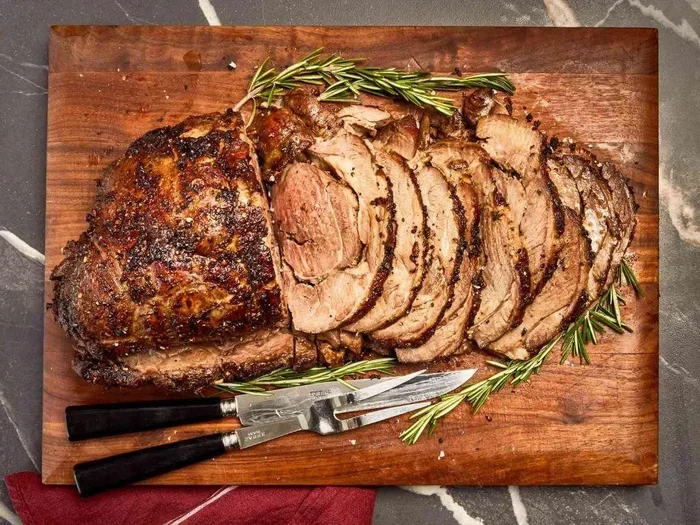
Another big win is presentation. When you bring a butterflied lamb leg to the table on a cutting board, it looks absolutely stunning. Your guests will be impressed before they even take the first bite. It is a showstopper cut that is easier to handle than you might think.
Butterflied Lamb vs. Whole Leg: What Is the Difference?
A whole leg of lamb still has the bone intact. The butcher cuts around the bone but leaves it in place. This makes the roast thicker and uneven in thickness. Cooking it evenly requires more time and attention.
A butterflied leg has the bone removed and the meat opened up flat. Think of it like opening a book. The meat becomes two thin, even layers connected at one side. This flat shape is perfect for oven roasting because heat circulates evenly around the meat.
The flat shape also makes slicing much easier. You can cut even, thin slices against the grain. This leads to a more tender bite every time. With a whole leg, you have to work around the bone, which can make serving tricky.
If you have ever struggled with a bone-in roast falling apart while you try to slice it, you will love the butterflied approach. It gives you control, consistency, and a beautiful presentation every single time.
How To Butterfly a Lamb Leg at Home
Butterflying a lamb leg is easier than most people think. You do not need to be a butcher or a professional chef. With a sharp knife and a steady hand, you can do it in just a few minutes. Here is exactly how to do it.
Start by placing the lamb leg on a clean cutting board. The leg should be tied or netted. Use a sharp chef’s knife to cut along the length of the leg, following the bone. Go slow and steady. You want to open the meat like a book without cutting all the way through.
Once you have made the lengthwise cut, flip the leg over. Use your hands to press it flat. You can use a meat mallet or the bottom of a heavy pan to even out the thickness. The goal is a uniform thickness of about one to two inches throughout.
Remove any excess fat if needed. Some fat is good because it adds flavor during roasting. But thick chunks of fat can cause flare-ups and uneven cooking. Trim to about a quarter-inch layer of fat for the best results.
Now your lamb leg is ready for seasoning. At this stage, you can also make small cuts in the meat and stuff them with garlic slivers or fresh herbs. This adds extra flavor deep inside the meat. It is a pro move that makes a real difference.
Tools You Need for Butterflying
- A sharp chef’s knife — a dull knife will tear the meat instead of cutting it cleanly.
- A sturdy cutting board — something heavy that will not slide around.
- A meat mallet or heavy pan — for evening out the thickness.
- A meat thermometer — this is non-negotiable for perfect lamb every time.
- Kitchen twine — optional, but helpful if you want to tie the lamb for a more uniform shape.
The Best Seasonings for Butterflied Lamb Leg
Seasoning is where you can truly make this dish your own. A butterflied lamb leg has a large surface area, which means it absorbs flavors beautifully. The key is to layer your seasonings for depth and complexity.
The classic Mediterranean approach works wonders. Olive oil, garlic, rosemary, thyme, and lemon zest create a timeless flavor profile. This combination complements the rich, slightly gamey taste of lamb without overpowering it. It is simple, elegant, and always a crowd-pleaser.
For a bolder flavor, try a Middle Eastern-inspired rub. Cumin, coriander, paprika, cinnamon, and sumac create a warm, aromatic crust. Add some honey or pomegranate molasses for a touch of sweetness. This style pairs beautifully with rice pilaf and roasted vegetables.
No matter which direction you go, always salt your lamb at least one hour before cooking. Better yet, salt it the night before and let it rest uncovered in the fridge. This dry-brining technique draws out moisture, which then gets reabsorbed. The result is juicier, more flavorful meat with a better texture.
Quick Seasoning Blend for Butterflied Lamb
Here is a simple blend you can mix up in seconds:
- 2 tablespoons olive oil
- 4 cloves of garlic, minced
- 1 tablespoon fresh rosemary, chopped
- 1 teaspoon sea salt
- Half a teaspoon black pepper
- 1 teaspoon lemon zest
Rub this all over the butterflied lamb leg. Let it sit for at least one hour at room temperature before cooking. For even better results, cover and refrigerate overnight. The longer the lamb marinates, the deeper the flavor goes.
Oven Temperature and Cooking Time for Butterflied Lamb
Getting the oven temperature right is the most important factor in cooking a butterflied lamb leg perfectly. Too hot and the outside burns before the inside is done. Too low and the meat dries out before it develops a nice crust.
The sweet spot for most butterflied lamb legs is 375°F to 400°F. This temperature is hot enough to create a beautiful golden-brown crust on the outside. Yet it is gentle enough to cook the meat evenly all the way through without drying it out.
Cooking time depends on the thickness of your butterflied leg and how done you like your lamb. A typical butterflied leg that is about two inches thick will take around 25 to 35 minutes. Thicker cuts may need up to 45 minutes. Always rely on your meat thermometer rather than the clock.
Internal Temperatures for Lamb Doneness
Knowing your target temperature makes all the difference. Here is a quick reference guide:
- Rare: 120°F to 125°F — very red and juicy
- Medium-Rare: 130°F to 135°F — pink center, most recommended
- Medium: 140°F to 145°F — pinkish, slightly firmer
- Well-Done: 155°F and above — fully cooked through, less juicy
Remember that the temperature will rise about 5 to 10 degrees after you pull the lamb out of the oven. This is called carryover cooking. So if you want medium-rare, pull the lamb at 130°F and let it rest. It will reach 135°F naturally.
Many people compare oven-roasting lamb to other oven recipes. For example, cooking oysters in the oven takes just a few minutes at high heat, while a chicken kebab roast might take longer at a similar temperature. Each protein has its own ideal window, and lamb is no different.
Step-by-Step Guide to Roasting Butterflied Lamb Leg
Now that you have your lamb seasoned and your oven preheated, it is time to roast. Follow these steps for foolproof results every time.
Step 1: Preheat your oven to 375°F. Let the oven reach the target temperature before the lamb goes in. A properly preheated oven ensures even cooking from the moment the lamb enters.
Step 2: Place the lamb on a wire rack over a roasting pan. The wire rack allows hot air to circulate underneath the meat. This promotes even browning on both sides. If you do not have a wire rack, you can place the lamb directly on a bed of chopped vegetables. The veggies lift the meat and add flavor at the same time.
Step 3: Roast for 20 to 35 minutes. Check the internal temperature with your meat thermometer starting at the 20-minute mark. Insert the probe into the thickest part of the meat, avoiding any bone or fat pockets.
Step 4: Rest the lamb for 15 to 20 minutes. This step is critical. When you cut into lamb right out of the oven, the juices run out and the meat dries up. Resting lets the juices redistribute throughout the meat. Tent the lamb loosely with aluminum foil during this time.
Step 5: Slice and serve. Cut against the grain into thin slices. Serve with your favorite sides. Roasted potatoes, grilled asparagus, a fresh mint sauce, or a simple yogurt dip all pair beautifully with butterflied lamb.
Pro Tips for Perfectly Roasted Butterflied Lamb
- Bring the lamb to room temperature before cooking. Take it out of the fridge 30 to 60 minutes ahead. Cold meat in a hot oven cooks unevenly.
- Do not skip the resting step. It might feel like you are losing time, but it makes a massive difference in juiciness.
- Baste the lamb halfway through cooking. Spoon the pan juices over the top. This adds flavor and helps create an even richer crust.
- Let the lamb finish on a cutting board. Carryover cooking will continue to raise the temperature even after it leaves the oven.
Common Mistakes to Avoid When Cooking Butterflied Lamb
Even experienced cooks make mistakes with lamb. The good news is that most of these errors are easy to avoid. Here are the most common ones and how to fix them.
Mistake 1: Cooking from cold. Putting a fridge-cold lamb leg straight into the oven leads to uneven cooking. The outside overcooks while the inside stays raw. Always let your lamb sit at room temperature for at least 30 minutes before roasting.
Mistake 2: Skipping the meat thermometer. Guessing doneness is a recipe for disappointment. Lamb can go from perfect to dry in minutes. A digital instant-read thermometer takes the guesswork out completely. It is the single best tool you can own for roasting meat.
Mistake 3: Cutting too soon. We get it. The smell is incredible and you want to dig in. But cutting into the lamb right away releases all those precious juices. Wait at least 15 minutes. Your patience will be rewarded with tender, juicy slices.
Mistake 4: Over-seasoning with salt too early if you are not dry-brining. Salt draws moisture to the surface. If you salt and cook immediately, you can end up with a wet surface that does not brown well. Salt early for dry-brining, or salt just before cooking if you are short on time.
Mistake 5: Using the wrong pan. A deep, covered pan traps steam and prevents browning. Use a shallow roasting pan or a sheet pan lined with a wire rack. You want the heat to surround the lamb, not steam it.
How To Fix Overcooked Butterflied Lamb
If your lamb turns out a bit drier than you hoped, do not despair. Slice it thin and serve it with a generous amount of sauce or gravy. A mint sauce, a yogurt-based sauce, or a simple pan jus can rescue even slightly overcooked lamb. The sauce adds moisture and flavor that compensates for any dryness.
You can also use overcooked lamb in other dishes. Chop it up and add it to a salad, a wrap, or a pasta dish. Flavored sauces and dressings work wonders for bringing leftover lamb back to life. Nothing goes to waste in a good kitchen.
Serving Suggestions and Side Dishes
A perfectly roasted butterflied lamb leg deserves equally great sides. The rich, savory flavor of lamb pairs well with a variety of accompaniments. Here are some ideas to round out your meal.
- Roasted garlic mashed potatoes — creamy, buttery, and the ultimate comfort side.
- Grilled or roasted asparagus — adds a fresh, slightly bitter contrast to the rich lamb.
- Minted pea and rice pilaf — a classic pairing that brings brightness to the plate.
- Roasted root vegetables — carrots, parsnips, and beets caramelize beautifully alongside lamb.
- Simple green salad with lemon vinaigrette — cuts through the richness and refreshes the palate.
- Crusty bread or flatbread — perfect for soaking up the pan juices and sauces.
For a full roast dinner experience, you can also prepare a quick oven-baked side dish to complement the lamb. The oven is a versatile tool that handles multiple dishes at once, saving you time and effort on busy cooking days.
For dessert, a light and fresh option works best after a rich lamb dinner. A fruit tart, a lemon sorbet, or a simple panna cotta rounds out the meal beautifully. Keep the dessert light so it does not compete with the star of the show.
Storing and Reheating Leftover Butterflied Lamb
Leftover lamb is a gift. It tastes even better the next day as the flavors meld together. Here is how to store and reheat it properly.
Storing: Let the lamb cool to room temperature, then wrap it tightly in plastic wrap or store it in an airtight container. It keeps in the refrigerator for up to 3 to 4 days. For longer storage, wrap portions tightly and freeze for up to 3 months.
Reheating: The key to reheating lamb without drying it out is low and slow. Place the slices in a baking dish, add a splash of broth or water, and cover with foil. Reheat at 275°F for about 15 to 20 minutes. This gentle approach keeps the meat moist and tender.
Using leftovers creatively: Cold lamb slices make amazing sandwiches. Add hummus, tzatziki, fresh veggies, and a drizzle of olive oil. You can also chop leftover lamb and toss it into a frittata, a stir-fry, or a grain bowl. The possibilities are endless.
Just like you can reheat roasted pumpkin seeds for a crunchy snack the next day, leftover lamb reheats beautifully when you treat it gently. Low temperatures and a little moisture are the secrets to keeping reheated lamb tasting fresh.
Why Oven Roasting Is the Best Method for Butterflied Lamb
You might wonder why oven roasting is the go-to method for butterflied lamb. The answer is simple. It gives you control. You can monitor the temperature, adjust the heat, and watch the lamb develop a gorgeous crust without any guesswork.
Compared to grilling, oven roasting is more consistent. You do not have to worry about hot spots or flare-ups. The heat surrounds the meat evenly, cooking it from all sides at the same rate. This is especially important for a butterflied cut, which has a uniform thickness.
Oven roasting also frees up your time. Once the lamb is in the oven, you can prep your sides, set the table, or enjoy a drink with your guests. There is no need to stand over a grill or flip the meat constantly. The oven does the work for you.
And let us not forget the cleanup. A roasting pan with a wire rack is easy to clean. Compare that to a grill grate caked with charred meat residue. The oven keeps things simple and stress-free, especially when you are cooking for a crowd.
Many people also love the fact that oven-roasted lamb fills the kitchen with an incredible aroma. The garlic, herbs, and roasting meat create a scent that makes everyone in the house excited for dinner. It is one of those simple pleasures that makes cooking feel special.
Frequently Asked Questions
How long does it take to cook a butterflied lamb leg in the oven?
At 375°F to 400°F, a butterflied lamb leg typically takes 25 to 35 minutes. The exact time depends on the thickness of the cut and your desired level of doneness. Always use a meat thermometer to check the internal temperature for the best results.
What is the best internal temperature for butterflied lamb leg?
For medium-rare, which is the most recommended, aim for an internal temperature of 130°F to 135°F. The temperature will rise by 5 to 10 degrees during resting. For medium, pull the lamb at 140°F.
Should I cover butterflied lamb with foil while roasting?
No, leave the lamb uncovered during roasting. This allows the surface to dry out slightly, which promotes browning and crust formation. You can tent it with foil during the resting phase after cooking.
Can I cook butterflied lamb leg from frozen?
It is best to thaw the lamb leg completely before cooking. Cooking from frozen leads to uneven cooking, with the outside overcooking while the inside remains frozen. Thaw in the refrigerator overnight for the safest and most even results.
What is the difference between butterflied and de-boned lamb leg?
A de-boned lamb leg has the bone completely removed. A butterflied leg still has a small section of meat connecting the two halves. Both cook similarly, but a butterflied leg holds its shape better and is easier to slice evenly.
How do I keep butterflied lamb from drying out?
Do not overcook it. Use a meat thermometer and pull the lamb a few degrees before your target temperature. Rest the lamb for at least 15 minutes after cooking. And always marinate or dry-brine the lamb before roasting for added moisture and flavor.
Conclusion
Cooking a butterflied lamb leg in oven is one of the most rewarding things you can do in the kitchen. It is easier than a whole roast, faster, and the results are consistently outstanding. Once you master the technique, you will make this dish again and again.
The key takeaways are simple. Butterfly the leg properly for even cooking. Season generously and give it time to absorb the flavors. Roast at the right temperature and use a meat thermometer to hit your target doneness. Rest the meat before slicing, and serve it with sides that complement its rich flavor.
Whether you are a beginner cook or a seasoned home chef, this recipe will become a staple in your rotation. The combination of simplicity and elegance makes it perfect for any occasion. From a casual Sunday dinner to a festive holiday table, a butterflied lamb leg always delivers.
So go ahead. Grab a butterflied lamb leg, fire up your oven, and give it a try. You will be amazed at how a simple cut of meat can turn into a showstopping meal. Happy cooking, and enjoy every bite.