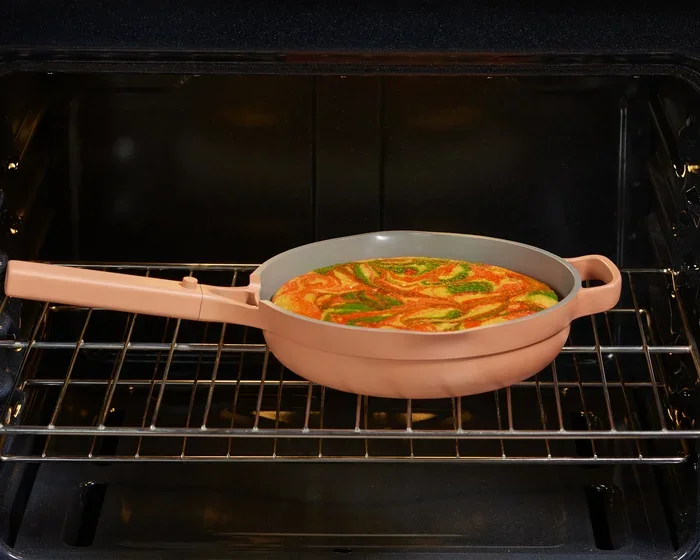
Is Always Pan Oven Safe Heres What You Need to Know
Yes, the Always Pan is oven safe, but only up to 450°F (230°C). The silicone-coated handle can withstand heat, but you should remove it for longer roasting sessions. Always check the coating limits and avoid broiler settings to keep your pan in great shape.
The Always Pan by Our Place has taken the kitchen world by storm. It promises to replace multiple pots and pans with one sleek, versatile piece. But a question keeps popping up in kitchens everywhere: is Always Pan oven safe?
If you love the idea of starting a dish on the stove and finishing it in the oven, this matters a lot. You do not want to ruin a good pan or, worse, release harmful fumes by overheating it. In this guide, we will walk you through everything you need to know about oven safety for the Always Pan. We will cover temperature limits, handle safety, best practices, and common mistakes to avoid.
By the end, you will feel confident about using your Always Pan in the oven without any worries. Let us get into it.
Key Takeaways
- The Always Pan is oven safe up to 450°F (230°C): This is the maximum temperature set by the manufacturer for safe oven use.
- Remove the silicone handle cover for extended cooking: The silicone handle is heat resistant but not designed for prolonged high-heat exposure.
- Avoid using the broiler setting: Direct top heat can damage the non-stick coating and warp the pan over time.
- The non-stick coating limits oven use: Most non-stick coatings degrade above 500°F, so staying under 450°F keeps it safe.
- You can bake, roast, and reheat in the Always Pan: It works great for dishes like roasted veggies, frittatas, and small-batch baking.
- Always let the pan cool before washing: Sudden temperature changes can affect the non-stick surface and pan structure.
- Check for damage before each oven use: Scratches or peeling coating mean it is time to replace the pan for safety.
📑 Table of Contents
- What Makes a Pan Oven Safe?
- Is Always Pan Oven Safe?
- Always Pan Temperature Limits and Guidelines
- Best Uses for Always Pan in the Oven
- How to Care for Your Always Pan When Using It in the Oven
- Common Mistakes to Avoid When Using Always Pan in the Oven
- How Does the Always Pan Compare to Other Oven-Safe Cookware?
- Pro Tips for Getting the Most Out of Your Always Pan in the Oven
- Final Thoughts
What Makes a Pan Oven Safe?
Before we dive into the Always Pan specifically, let us talk about what makes any pan safe for oven use. Not all cookware is created equal. Some pans are built to handle high heat, while others are designed only for stovetop cooking.
Several factors determine whether a pan can go in the oven:
- Material composition: Aluminum, cast iron, stainless steel, and carbon steel are generally oven safe. Non-stick coatings have stricter limits.
- Handle material: Silicone, stainless steel, and metal handles tend to be oven safe. Plastic or wooden handles usually are not.
- Temperature rating: Every pan has a max temperature. Going over that limit can warp the pan or damage the coating.
- Non-stick coating type: Ceramic and PTFE coatings have different heat tolerances. Knowing which type your pan uses is key.
With these basics in mind, let us look at how the Always Pan stacks up.
Is Always Pan Oven Safe?
The short answer is yes. The Always Pan is oven safe, but with some important limits. The manufacturer, Our Place, designed this pan to be versatile. That means you can move it from the stovetop to the oven for many recipes.
The Always Pan is made from aluminum with a non-stick coating. The body of the pan can handle heat up to 450°F (230°C). This makes it suitable for baking, roasting, and finishing dishes in the oven.
However, the handle needs special attention. The Always Pan features a silicone-coated handle that feels cool to the touch on the stovetop. While silicone is heat resistant, it has its limits. For short oven sessions under 450°F, the handle holds up fine. But for longer cooking times or higher temperatures, you may want to be cautious.
The Non-Stick Coating and Heat
The non-stick coating on the Always Pan is one of its biggest selling points. It makes cooking and cleaning a breeze. But coatings and high heat do not always mix well.
Most non-stick coatings start to break down above 500°F. The Always Pan’s coating is no exception. This is why the manufacturer sets the oven-safe limit at 450°F. Staying within this range keeps the coating intact and your food safe.
If you ever preheat an empty pan in the oven, you risk overheating the coating. This can release harmful fumes and ruin the non-stick surface. Always add food or liquid before placing the pan in a hot oven.
Handle Safety in the Oven
The silicone handle on the Always Pan is a great design feature. It stays cool on the stovetop, which makes handling easy. But in the oven, things change slightly.
Silicone can handle temperatures up to about 450°F to 500°F. So the handle should be fine within the Always Pan’s oven-safe range. However, if you plan to roast something for a long time, consider using an oven mitt. The handle can still get warm over extended cooking sessions.
Some users choose to remove the handle cover entirely for oven use. This is not necessary, but it can give you more confidence. Just make sure your pan is cool before touching any bare metal parts.
Always Pan Temperature Limits and Guidelines
Understanding the temperature limits of your Always Pan is essential for safe oven use. Here is a clear breakdown of what you need to know.
Maximum Oven Temperature
The Always Pan is rated for oven use up to 450°F (230°C). This is the absolute maximum. Going beyond this temperature can:
- Damage the non-stick coating
- Warp the aluminum body
- Cause the handle to degrade
- Release harmful fumes from overheated coating
Most home ovens default to 350°F for baking. This is well within the Always Pan’s safe range. Roasting vegetables, baking frittatas, and finishing stews all work great at this temperature.
Broiler Use: A Big No
The broiler setting on most ovens produces direct, intense heat from above. It can easily exceed 500°F in the upper part of the oven.
Never use the Always Pan under the broiler. The direct heat can warp the pan, bubble the coating, and ruin the handle. If a recipe calls for broiling, transfer your food to a different pan before placing it under the broiler.
Stovetop to Oven Transition
One of the best features of the Always Pan is the ability to start on the stovetop and finish in the oven. This works beautifully for dishes like frittatas, skillet baked eggs, and one-pan chicken dinners.
Here is how to do it safely:
- Preheat your oven to the desired temperature before you start cooking.
- Cook your ingredients on the stovetop as the recipe directs.
- Place the pan in the oven carefully. Use both hands and hold the handle firmly.
- Set a timer so you do not forget the pan is in the oven.
- Use oven mitts when removing the pan. The handle may be warm.
Best Uses for Always Pan in the Oven
Now that you know the Always Pan is oven safe, let us talk about what it does best in the oven. This pan shines in many cooking scenarios.
Baking and Roasting Vegetables
The Always Pan is a great size for roasting vegetables. Toss your favorite veggies with olive oil, salt, and pepper. Then pop the pan in the oven at 400°F for about 20 to 25 minutes.
The non-stick surface makes cleanup a breeze. You will not deal with stuck-on roasted bits the way you might with a bare metal pan.
Making Frittatas and Skillet Bakes
Frittatas are one of the Always Pan’s superpowers. You start the eggs on the stovetop and finish them in the oven. The result is a beautifully cooked frittata with a golden top.
You can also use the pan for skillet baked potatoes, hash, and one-pan breakfast bakes. The versatility is one reason so many people love this cookware.
Reheating Leftovers
Need to reheat last night’s dinner? The Always Pan works perfectly for this. Place your leftovers in the pan, cover with a lid or foil, and heat in the oven at 350°F.
This is much better than microwaving, which can make food soggy. The oven reheats more evenly and keeps textures intact.
Small-Batch Baking
Do not overlook the Always Pan for baking. You can make small cakes, cornbread, or even individual-sized desserts right in the pan. The non-stick surface releases baked goods easily.
Just remember to keep the oven temperature at or below 450°F. And always grease the pan lightly before pouring in batter, even with non-stick surfaces.
How to Care for Your Always Pan When Using It in the Oven
Proper care extends the life of your Always Pan. Oven use is no different. Follow these tips to keep your pan in top condition.
Cool Down Before Washing
Never plunge a hot Always Pan into cold water. The sudden temperature change can cause warping. It can also stress the non-stick coating.
Let the pan cool to room temperature before washing. This simple habit protects your pan for years of use.
Hand Wash Is Best
While the Always Pan is labeled as dishwasher safe, hand washing is always better for non-stick pans. Use warm water, mild soap, and a soft sponge.
Avoid abrasive scrubbers and harsh detergents. They can scratch and degrade the non-stick surface over time.
Store With Care
When storing your Always Pan, avoid stacking heavy items on top of it. If you stack pans, place a soft cloth or paper towel between them to prevent scratches.
Hang the pan if you have the space. This keeps it safe from dents and surface damage.
Check for Damage Regularly
Before each oven use, inspect the pan. Look for scratches, peeling coating, or warping. If you notice any damage, it is time to retire the pan.
Cooking with a damaged non-stick pan can release harmful particles into your food. Safety should always come first.
Common Mistakes to Avoid When Using Always Pan in the Oven
Even with the best intentions, mistakes happen. Here are some common errors to watch out for.
Overheating an Empty Pan
This is one of the worst things you can do. An empty non-stick pan in a hot oven will overheat quickly. The coating can break down and release toxic fumes.
Always add food, oil, or liquid before placing the pan in the oven. Never preheat an empty non-stick pan.
Using Metal Utensils
The non-stick coating on the Always Pan is delicate. Metal forks, knives, and spatulas can scratch it. Once the coating is scratched, it cannot be repaired.
Use wooden, silicone, or nylon utensils instead. They protect the surface and keep your pan performing well.
Ignoring the Temperature Limit
It is tempting to crank the oven up for a faster cook. But exceeding 450°F puts your Always Pan at risk. Stick to the recommended temperature and be patient.
If you need higher heat, consider using a different pan made for high-temperature cooking, like a cast iron skillet or stainless steel pan.
Leaving the Pan in the Oven After Cooking
Some people forget their pan in the oven after the timer goes off. This can lead to overheating, especially if the oven stays on. Always remove the pan promptly after cooking.
If you are busy, set a timer on your phone. A small reminder can save your pan from heat damage.
How Does the Always Pan Compare to Other Oven-Safe Cookware?
Not all oven-safe pans are the same. Let us see how the Always Pan compares to some popular alternatives.
| Feature | Always Pan | Cast Iron Skillet | Stainless Steel Pan |
|---|---|---|---|
| Oven Safe Temperature | Up to 450°F | Up to 500°F+ | Up to 500°F+ |
| Non-Stick Surface | Yes | No (needs seasoning) | No |
| Handle Type | Silicone coated | Metal (bail or fixed) | Metal (riveted) |
| Weight | Lightweight | Heavy | Medium |
| Best For | Everyday cooking, baking, roasting | Searing, deep frying, baking cornbread | Searing, deglazing, oven-finishing |
| Cleanup Ease | Very easy | Moderate | Moderate |
The Always Pan wins on convenience and ease of use. It is lighter and easier to handle than cast iron. The non-stick surface makes cooking and cleanup simple. But if you need extreme heat tolerance, cast iron or stainless steel might be better choices.
For everyday oven tasks like roasting vegetables, baking frittatas, or reheating leftovers, the Always Pan is a fantastic option. It gives you great results without the hassle of heavy cookware.
Pro Tips for Getting the Most Out of Your Always Pan in the Oven
Want to level up your oven cooking with the Always Pan? Here are some expert tips that make a real difference.
Preheat the Oven, Not the Pan
Always preheat the oven first. Placing an empty non-stick pan in a cold oven and then turning up the heat can cause uneven coating exposure. A preheated oven ensures steady, even cooking from the start.
Use Parchment Paper or Silicone Mats
For baking, line the bottom of the Always Pan with parchment paper. This adds an extra layer of protection for the non-stick surface. It also makes cleanup even easier.
Silicone baking mats work great too. Just make sure they are rated for oven use up to 450°F.
Add a Little Oil Even on Non-Stick Surfaces
Even with a non-stick coating, a light coat of oil helps with browning and prevents sticking. Use a high smoke point oil like avocado oil or grapeseed oil for oven cooking.
Let the Pan Rest After Oven Use
After taking the Always Pan out of the oven, give it a few minutes to rest on a heat-safe surface. Placing it directly on a cold countertop can cause thermal shock. A wooden cutting board or trivet works perfectly.
Explore New Recipes
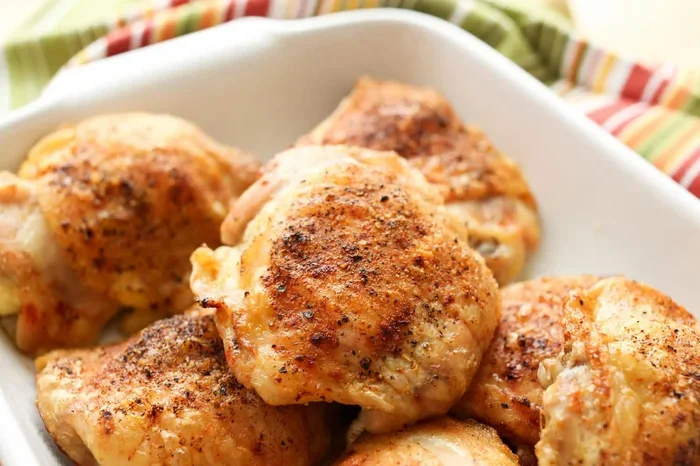
The Always Pan opens up a world of oven recipes. Try one-pan roasted chicken thighs, baked pasta dishes, or oven-baked donuts. The possibilities are endless when you have a reliable, oven-safe pan.
If you are looking for more oven-based recipes, you might enjoy learning how long to roast pumpkin seeds in the oven for a simple snack. Or if you love roasted vegetables, check out how to cook frozen fries in an air fryer oven for crispy results. For protein lovers, how long do chicken kebabs take in the oven is a great guide for perfectly cooked skewers.
Final Thoughts
So, is Always Pan oven safe? Yes, absolutely. The Always Pan handles oven temperatures up to 450°F with ease. It is a versatile, reliable pan that can bake, roast, reheat, and finish dishes right in the oven.
The key is to respect the temperature limits. Stay under 450°F, avoid the broiler, and take care of the non-stick coating. With these simple rules, your Always Pan will serve you well for years.
Remember to remove the silicone handle cover for longer roasting sessions, and always let the pan cool before washing. These small habits make a big difference in the longevity of your cookware.
The Always Pan is a kitchen workhorse. It handles stovetop cooking beautifully and transitions to the oven just as well. Whether you are making a weeknight frittata or a weekend roasted vegetable medley, this pan delivers.
Use it wisely, care for it properly, and it will become one of your most trusted kitchen tools. Happy cooking!
Frequently Asked Questions
Can I put the Always Pan under the broiler?
No, you should never use the Always Pan under the broiler. The direct, intense heat from the broiler can exceed 500°F, which damages the non-stick coating and can warp the aluminum body. Always transfer food to a broiler-safe pan if a recipe requires broiling.
What is the maximum oven temperature for the Always Pan?
The Always Pan is oven safe up to 450°F (230°C). This is the manufacturer’s recommended maximum temperature. Staying within this limit protects the non-stick coating and ensures safe, long-lasting performance.
Can I put the Always Pan in the dishwasher after oven use?
Yes, the Always Pan is dishwasher safe, but hand washing is recommended for best results. Oven use can leave more residue on the pan, so a gentle hand wash with warm water and mild soap helps preserve the non-stick surface longer.
Is it safe to cook acidic foods in the Always Pan in the oven?
It is best to avoid cooking highly acidic foods like tomatoes or lemon-based sauces for extended periods in the Always Pan. Acidic ingredients can gradually break down the non-stick coating over time, especially at high oven temperatures.
Can I use metal utensils with the Always Pan in the oven?
No, you should always use wooden, silicone, or nylon utensils with the Always Pan. Metal utensils can scratch the non-stick coating, which reduces its effectiveness and can create areas where food sticks and coating flakes off.
How do I know if my Always Pan is no longer oven safe?
If you notice scratches, peeling coating, warping, or discoloration on your Always Pan, it is time to stop using it in the oven. A damaged pan can release harmful particles and cook food unevenly. Replace the pan to keep your cooking safe and effective.
=== CONCLUSION ===
The Always Pan is a versatile and reliable piece of cookware that handles oven use beautifully. As long as you stay within the 450°F temperature limit and follow the care guidelines, you can enjoy baking, roasting, and finishing dishes with confidence. Remember to remove the handle cover for longer sessions, avoid the broiler, and treat the non-stick coating with care.
Is Always Pan oven safe? Yes, it is, and now you know exactly how to use it safely and effectively. Put this knowledge to work in your kitchen and get the most out of your Always Pan today.