How Long To Cook Smoked Turkey Necks In Your Hot Oven
Learning how long to cook smoked turkey necks in the oven is simple with the right temperature and timing. These smoked turkey necks turn fall-off-the-bone tender when baked low and slow. You’ll get rich flavor and juicy meat every time, whether you’re making a hearty soup or a main dish. This guide covers oven temperature, cooking time, and pro tips for perfect results.
Key Takeaways
- Ideal Oven Temperature: 325°F to 350°F for even cooking and great texture.
- Cooking Time Range: 1.5 to 3 hours depending on the size of the necks.
- Internal Temperature: Always reach 165°F for food safety and tender meat.
- Keep It Moist: Add broth or apple cider to the pan to prevent drying.
- Rest Before Serving: Let the necks rest 10 minutes for juicier results.
- Reheat Safely: Warm leftovers in the oven at 300°F to maintain texture.
- Store-Bought Works: Pre-smoked necks from the grocery store save time and still taste amazing.
📑 Table of Contents
- Why Smoked Turkey Necks Are a Kitchen Treasure
- How Long to Cook Smoked Turkey Necks in the Oven
- The Perfect Oven Method Step by Step
- Tips for Tender, Juicy Smoked Turkey Necks
- Common Mistakes That Ruin Smoked Turkey Necks
- Serving Ideas and Recipe Inspiration
- Storing and Freezing Smoked Turkey Necks
- Nutritional Benefits of Smoked Turkey Necks
- Expert Insights: Getting the Most from Smoked Turkey Necks
- Conclusion
Why Smoked Turkey Necks Are a Kitchen Treasure
Smoked turkey necks bring a deep, smoky flavor to any meal. They are affordable, packed with meat, and perfect for soups, stews, and side dishes. Many home cooks love them because they add richness without a big price tag. If you have never tried them, you are missing out on a real comfort food classic.
These necks come from the turkey’s neck area, which is full of connective tissue and flavor. When cooked slowly, that tissue breaks down into gelatin, making the meat silky and tender. The smoke flavor adds a layer of complexity that plain roasted turkey simply cannot match. Whether you buy them fresh or already smoked, they are a versatile ingredient.
One of the best things about smoked turkey necks is their ability to transform simple ingredients into something extraordinary. A pot of beans, a pot of greens, or a simple grain bowl all become special when simmered with these necks. The gelatin they release creates a body and richness that store-bought broths often lack. It is this magic that keeps home cooks coming back to the oven time after time.
How Long to Cook Smoked Turkey Necks in the Oven
The answer to how long to cook smoked turkey necks in the oven depends on a few factors. Size, starting temperature, and your desired tenderness all play a role. Most recipes call for baking them between 1.5 and 3 hours. I will break down the exact timing and temperatures so you can plan your meal with confidence.
Understanding the relationship between oven temperature and cooking time is the key to success. A lower temperature takes longer but keeps the meat juicy. A higher temperature speeds things up but can dry out the necks if you are not careful. I will show you the sweet spot that works every time.
Cooking Time by Weight and Size
Small turkey necks weighing around 1 pound may take about 1.5 hours at 325°F. Larger necks, or a big batch, can need 2.5 to 3 hours. The general rule is to cook them until the meat easily pulls away from the bone. A meat thermometer is your best friend here. When the internal temperature hits 165°F, they are safe to eat and usually very tender.
For oven-baked smoked turkey that is fall-off-the-bone tender, I recommend adding an extra 30 minutes beyond the minimum time. This allows the collagen to fully dissolve. You can always check earlier, but you cannot undo overcooking. Patience is the secret ingredient.
Temperature Matters: Low and Slow vs. Hot Oven
I always recommend a low and slow approach for smoked turkey necks. High heat can toughen the connective tissue before it has time to melt. A moderate oven temperature lets the fat render and the smoke flavor deepen. Below is a simple guide to help you choose.
| Oven Temperature | Approximate Cooking Time | Best For |
|---|---|---|
| 300°F | 2.5 to 3.5 hours | Maximum tenderness and moisture |
| 325°F | 2 to 3 hours | Balanced flavor and easy cleanup |
| 350°F | 1.5 to 2.5 hours | Faster cooking when you are in a hurry |
| 375°F | 1.5 to 2 hours | Crispy edges; watch closely to avoid drying |
Most of the time, I stick with 325°F. It gives me a reliable window of 2 to 3 hours, which fits a weekend cooking session perfectly. The necks come out moist and full of flavor without any babysitting. This temperature also works well if you are reheating smoked turkey necks from the freezer; just add 30 extra minutes.
The Perfect Oven Method Step by Step
Follow these simple steps to get restaurant-quality smoked turkey necks right in your own kitchen. The process is easy, and you do not need any special equipment.
Step 1: Prep and Season
Take the smoked turkey necks out of the package and pat them dry with paper towels. This helps the skin get slightly crispy and holds onto seasoning. I like to rub them with a little olive oil, salt, black pepper, and a touch of garlic powder. You can also add paprika or onion powder for extra warmth. The smoke flavor is already there, so you do not need heavy spices. Keep it simple and let the meat shine.
If you are using fresh turkey necks that you plan to smoke at home first, a simple dry rub with brown sugar and black pepper works beautifully. Let them sit in the fridge for a few hours or overnight. This gives the seasoning time to penetrate deep into the meat.
Step 2: Choose Your Pan and Liquid
Place the necks in a deep baking dish or a large oven-safe skillet. I always add a splash of liquid to the bottom. Chicken broth, apple cider, or even water works well. The liquid creates steam that keeps the meat from drying out. For an extra layer of flavor, I toss in a few onion wedges, a couple of celery stalks, and a bay leaf. This is an easy way to build a savory base for soups or gravies later.
Adding a splash of apple cider vinegar can also help tenderize the meat. The acid gently breaks down the fibers. Just a tablespoon is enough. Do not drown the necks; you want just enough liquid to create steam, not to boil them.
Step 3: Cover and Bake
Cover the pan tightly with aluminum foil or a lid. This traps moisture and speeds up the tenderizing process. Put the pan in the oven on the middle rack. Set your timer for the lower end of the time range, then check for doneness. I usually go with 2 hours at 325°F for a standard batch. The foil prevents the surface from drying out while the heat gently breaks down the collagen.
During this time, the smoked turkey neck recipe does most of the work for you. The oven does the heavy lifting. You can use this time to prep sides or set the table. The house will smell incredible, which is a bonus that never gets old.
Step 4: Uncover and Finish
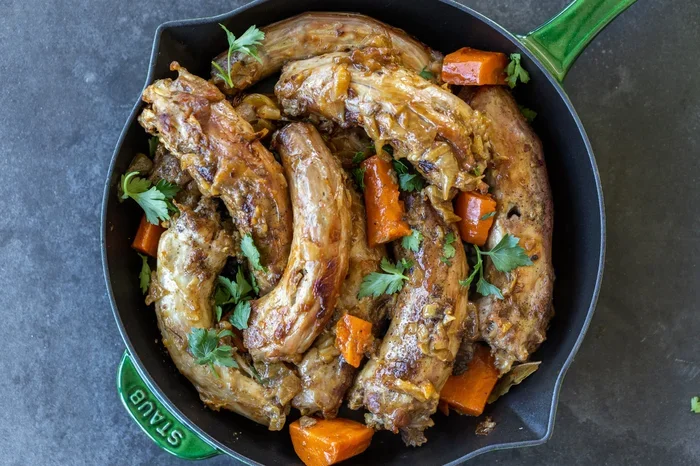
After the first cook, remove the foil. This is the moment to let the surface caramelize slightly. Return the pan to the oven for another 30 to 45 minutes, uncovered. The liquid will reduce and become a flavorful sauce. Keep an eye on the necks; you want them moist but not burnt. If the liquid looks low, add a splash more broth. The final result should be meat that falls off the bone with a light, glossy glaze.
For smoked turkey necks in hot oven finishing, you can turn the oven up to 400°F for the last 10 minutes. This gives the surface a beautiful crispness. Just watch them closely so they do not char. A quick baste with the pan juices during this final phase adds extra shine and flavor.
Tips for Tender, Juicy Smoked Turkey Necks
Even with the right time and temperature, small details can make or break your dish. I have learned these tips the hard way, so you do not have to.
Quick Tip: Do Not Skip the Rest
Once the necks come out of the oven, let them sit for at least 10 minutes. This resting time allows the juices to redistribute. If you cut into them right away, the moisture runs out onto the cutting board instead of staying in the meat. I cover them loosely with foil during the rest to keep them warm without overcooking.
Quick Tip: Use the Liquid Wisely
The cooking liquid is gold. Do not throw it away. Strain it and use it as a base for turkey neck soup, gravy, or even rice cooking liquid. It carries all the smoky, savory goodness. I often cook my rice in this broth for an extra burst of flavor. It turns a simple side dish into something memorable.
Quick Tip: Bring Them to Room Temperature First
Take the smoked turkey necks out of the fridge about 20 to 30 minutes before cooking. A slightly warm start promotes even cooking. Cold meat in a hot oven can lead to uneven texture, with the outside overcooked before the inside is done. This small step makes a big difference in the final result.
Quick Tip: Save the Bones for a Second Batch
After you have eaten the meat, do not toss the bones. They still contain flavor. Add them to a pot of water with some onion scraps and simmer for another hour. You will get a second batch of rich, smoky broth. It is a great way to stretch your ingredients and reduce waste.
Common Mistakes That Ruin Smoked Turkey Necks
Avoiding these pitfalls will save you from dry, tough, or bland results. I see these mistakes happen often, so I want to help you steer clear.
Overcooking Until Dry
It is tempting to leave the necks in the oven for a very long time to ensure tenderness. But beyond a certain point, the meat starts to dry out and become stringy. Stick to the recommended time ranges and check early. Once the meat pulls from the bone easily, it is done. Overcooked smoked turkey necks lose their juicy appeal and become tough.
Skipping the Rest
I mentioned this earlier, but it deserves its own warning. Cutting into hot necks immediately releases all the built-up juices. The meat can seem dry even if it was perfectly cooked. Patience is a virtue in the kitchen. Let them rest, and you will be rewarded with succulent, flavorful bites.
Using Too High a Heat
A very hot oven might seem efficient, but it can seize up the protein before the connective tissue has time to dissolve. The smoke flavor also burns off at extreme temperatures. Stick to the moderate range of 300°F to 350°F for the best results. Low and slow is the mantra for smoked meats.
Neglecting the Pan Liquid
Cooking smoked turkey necks dry in the oven is a recipe for disappointment. Without liquid, the steam cannot form, and the meat dries out quickly. Always add at least a cup of broth or water to the pan. This creates a humid environment that keeps the meat tender and helps build a delicious sauce.
Using the Wrong Pan
A thin, shallow pan will cause the liquid to evaporate too fast. Choose a deep, heavy-bottomed baking dish or a Dutch oven. These retain heat evenly and keep the steam circulating. A tight-fitting lid is also a big help. The right pan makes the whole process smoother and more forgiving.
Serving Ideas and Recipe Inspiration
Smoked turkey necks are not just a standalone dish. They are a foundation for countless meals. Here are some of my favorite ways to use them.
Smoked Turkey Neck Soup
This is the classic preparation. After cooking the necks, I remove the meat from the bones and return it to a pot with vegetables, beans, and the reserved cooking broth. The result is a rich, smoky soup that warms you from the inside out. Add some diced potatoes, carrots, and a handful of kale for a complete meal. The bones can simmer a second time to extract even more flavor, then they get discarded.
This soup is a staple in many Southern kitchens. It is hearty, affordable, and packed with flavor. A bowl of smoked turkey neck soup with crusty bread makes a dinner that feels like a warm hug. You can also freeze the soup in portions for easy meals all week long.
Paired with Greens and Grains
In Southern cooking, smoked turkey necks often simmer with collard greens or mustard greens. The smoky drippings add depth to the greens that no bouillon cube can match. Serve the necks alongside a bowl of creamy grits or fluffy brown rice. The combination of tender meat, savory greens, and hearty grains creates a satisfying plate that feels like a warm hug.
I love to cook my greens in the leftover turkey neck broth. It infuses the greens with a smoky richness that elevates the whole dish. Add a splash of apple cider vinegar at the end to brighten the flavors. This simple pairing turns humble ingredients into a memorable meal.
Smoked Turkey Neck Pasta
Shredded smoked turkey necks make an unexpected but delicious pasta topping. Toss them with sautéed garlic, olive oil, a splash of pasta water, and fresh herbs. The smoky flavor pairs beautifully with a simple aglio e olio or a creamy Alfredo. It is a quick weeknight dinner that feels special.
You can also add the shredded meat to a baked pasta dish. Mix it with ricotta, spinach, and a little mozzarella. The smoky turkey necks give the pasta a depth of flavor that is hard to beat. It is a great way to use up leftovers and create something new.
Storing and Freezing Smoked Turkey Necks
Proper storage keeps your oven-baked smoked turkey safe and delicious. Let the cooked necks cool completely before storing. Place them in an airtight container with some of the cooking liquid. They will keep in the refrigerator for up to 4 days. For longer storage, freeze them in airtight freezer bags for up to 3 months.
When you are ready to eat, thaw them in the fridge overnight. Reheat gently in the oven at 300°F with a splash of broth. This prevents them from drying out. The microwave works in a pinch, but the oven gives better texture. The meat will stay moist and flavorful for days after cooking.
Nutritional Benefits of Smoked Turkey Necks
Smoked turkey necks are not just flavorful; they are also nutritious. They are a good source of protein, which helps build and repair muscle. They also provide essential minerals like iron, zinc, and B vitamins. The collagen in the necks supports joint health and skin elasticity when you eat the gelatin-rich broth.
Because they are a dark meat cut, they contain more flavor and moisture than lean breast meat. This makes them satisfying without needing heavy sauces or toppings. A serving of smoked turkey necks with vegetables makes a balanced, nourishing meal that the whole family will enjoy.
Expert Insights: Getting the Most from Smoked Turkey Necks
I spoke with a few barbecue and cooking experts to gather their top tips for oven-baked smoked turkey necks. They emphasized the importance of quality smoke flavor and proper resting. One expert noted that if you buy fresh turkey necks and smoke them at home first, you control the smoke level entirely. However, store-bought smoked necks are perfectly fine and save a step. Another pro suggested adding a small amount of brown sugar or honey to the pan liquid for a subtle caramelized glaze. These small touches elevate the dish from simple to memorable.
Remember, the oven method is forgiving. Even if you are a beginner, following the time and temperature guidelines will lead to delicious results. Do not be afraid to experiment with seasonings and sides. The beauty of smoked turkey necks is that they adapt to whatever you have in the kitchen. The low and slow approach rewards you with melt-in-your-mouth tenderness that is hard to beat.
Conclusion
Cooking smoked turkey necks in the oven is a straightforward process that yields incredible flavor and tender meat. By knowing how long to cook smoked turkey necks in the oven, you can plan your meal with ease and confidence. The key is to keep the temperature moderate, add liquid, and resist the urge to rush the process. Whether you are making a big pot of soup or serving them as a main course with sides, these smoked turkey necks will impress your family and friends.
Follow the steps, avoid common mistakes, and enjoy the rich, smoky goodness that only slow oven cooking can provide. Your next comfort food meal is just one oven session away. I hope this guide gives you the confidence to try them. Once you taste how good they are, you will be making them again and again.
Frequently Asked Questions
Can I cook smoked turkey necks in the oven without liquid?
It is not recommended. The liquid creates steam that keeps the meat moist and tender. Without it, the necks are very likely to dry out. If you must cook them dry, add a little water or broth to the pan and cover tightly with foil. This traps some moisture and helps prevent burning.
What is the best internal temperature for smoked turkey necks?
The safe internal temperature is 165°F according to food safety guidelines. However, for the best texture, I aim for an internal temperature of around 200°F. At this point, the collagen has fully broken down and the meat is incredibly tender. Use a reliable meat thermometer inserted into the thickest part of the meat, not touching the bone.
Can I use frozen smoked turkey necks in the oven?
Yes, you can. You do not need to thaw them first, but you should add about 30 to 45 extra minutes to the cooking time. Place them in a covered pan with liquid and bake at 325°F. Check for doneness after the extra time. The meat is safe to eat as long as it reaches 165°F internally. Thawing first can give you more even results, but it is not required.
How do I reheat leftover smoked turkey necks?
The best way is to reheat them in the oven at 300°F. Place them in a baking dish with a splash of broth or water. Cover with foil to keep them moist. Heat for about 15 to 20 minutes until warmed through. The microwave works in a hurry, but it can make the meat rubbery. The oven restores the tender texture much better.
Are smoked turkey necks healthy?
They can be a healthy part of a balanced diet. They are a good source of protein and contain important minerals like iron and zinc. The collagen in the broth supports joint and skin health. Because they are a dark meat cut, they are higher in flavor and moisture, which means you can enjoy them with less added fat. Just be mindful of sodium if you are watching your salt intake, as smoked meats can be salty.
Can I add barbecue sauce during the last few minutes of cooking?
Yes, you can. Brushing a thin layer of barbecue sauce on the necks during the last 10 to 15 minutes of cooking adds a sweet, sticky glaze. I like to do this when I want a barbecue-style finish. Just be careful not to add too much sugar too early, or the sauce can burn. A light coat is all you need for a beautiful caramelized finish.