Bacon Pan For Oven The Ultimate Guide To Crispy Bacon
A bacon pan for oven makes cooking crispy bacon easy, fast, and mess-free. Whether you prefer a cast iron skillet, a silicone tray, or a wire rack, the right oven-safe pan transforms your breakfast routine. This guide covers the top types, best picks, and practical tips so you can enjoy perfect oven-baked bacon every single morning.
There is something deeply satisfying about waking up to the smell of crispy bacon in the oven. It fills the whole kitchen and gets everyone excited for breakfast. But if you have ever cooked bacon on the stove, you know the mess. Grease splatters everywhere. The kitchen smells smoky for hours. Your pan gets sticky and hard to clean.
A bacon pan for oven solves all of these problems. You place the bacon on a tray, slide it into the oven, and walk away. No flipping. No splattering. No standing over a hot stove. The bacon cooks evenly on all sides and comes out perfectly crispy every time. It is one of the simplest kitchen upgrades you can make.
In this guide, we will walk you through everything you need to know about baking bacon in the oven. We will cover the different types of pans, the best materials, top product picks, and step-by-step instructions. By the end, you will know exactly which oven-safe bacon pan is right for you.
Let us get into it. Your mornings are about to get a whole lot easier.
Key Takeaways
- Oven-baked bacon is easier and cleaner than stovetop cooking, with less splatter and hands-free prep.
- Cast iron, silicone, and wire rack pans are the three most popular options for cooking bacon in the oven.
- Temperature and timing matter — most oven bacon recipes work best at 400°F for 15 to 20 minutes.
- A grease tray or drip pan makes cleanup simple and helps you save bacon fat for cooking.
- Non-stick and reusable bacon mats reduce sticking and make the process even more convenient.
- Choosing the right pan size depends on how much bacon you need and what fits your oven.
📑 Table of Contents
- Why Cooking Bacon in the Oven Is a Game Changer
- Types of Bacon Pans for the Oven
- How to Choose the Best Bacon Pan for Your Oven
- Step-by-Step Guide to Cooking Bacon in the Oven
- Top Tips for Perfect Oven Bacon Every Time
- Common Mistakes to Avoid When Cooking Bacon in the Oven
- Best Bacon Pans for Oven: Top Picks
- Frequently Asked Questions
- Final Thoughts
Why Cooking Bacon in the Oven Is a Game Changer
Before we talk about pans, let us talk about why oven-baked bacon is so popular. Once you try it, you may never go back to the stovetop.
Less Mess and Splatter
When you cook bacon on the stove, hot grease pops and splatters. It gets on your stovetop, your clothes, and your walls. A bacon pan for oven catches all the grease in one place. Most oven bacon pans come with a drip tray or raised edges that keep everything contained. Your stovetop stays clean, and your cleanup time drops dramatically.
Even Cooking on Every Strip
On the stove, the strips closest to the flame cook faster than the ones in the back. With a bacon cooker for oven, every strip gets the same heat. The bacon cooks evenly from edge to center. You get consistent crispiness across the entire batch. No more flipping or rotating strips halfway through.
Hands-Free Cooking
This is the biggest advantage. You put the bacon in the oven, set a timer, and do something else. You can make coffee, toast bread, or get the kids ready for school. When the timer goes off, your bacon is done. It is truly set it and forget it cooking.
Batch Cooking Made Easy
Need to cook bacon for a crowd? A stovetop skillet can only fit so many strips. An oven bacon tray gives you much more space. You can cook a full baking sheet of bacon at once. This makes it perfect for holiday mornings, brunch parties, or meal prep.
Types of Bacon Pans for the Oven
Not all bacon pans for oven use are the same. Different materials and designs offer different benefits. Let us look at the most popular options.
Cast Iron Bacon Pans
Cast iron is a favorite among home cooks, and for good reason. A cast iron bacon pan for oven distributes heat evenly and retains it well. This means your bacon starts crisping up the moment it hits the hot surface. Cast iron pans are incredibly durable and can last a lifetime with proper care.
The downside is weight. Cast iron is heavy. It also requires seasoning to maintain its non-stick surface. And it takes longer to preheat than other materials. But if you want a pan that will never warp or wear out, cast iron is hard to beat.
Silicone Bacon Mats and Trays
Silicone bacon pans for oven are lightweight, flexible, and easy to clean. Most are dishwasher safe. You can fold them for storage. They are also non-stick right out of the box, so you do not need to grease them. Silicone mats are especially popular because you can place them directly on a baking sheet.
However, silicone can retain grease over time. It may also feel less sturdy than metal options. Some people find that bacon sticks slightly more to silicone than to a well-seasoned cast iron pan. Still, for easy cleanup and low cost, silicone is a great choice.
Wire Rack Bacon Trays
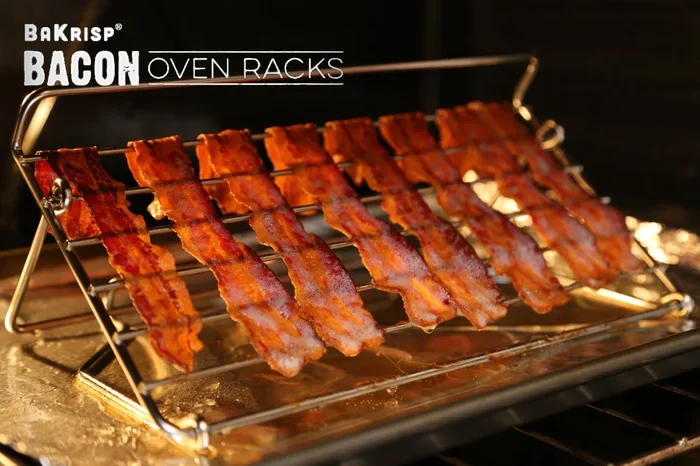
A wire rack bacon tray elevates the bacon above the grease. The grease drips down into a tray below while the bacon cooks on top. This design produces incredibly crispy bacon because the fat drains away instead of soaking into the meat. It is the healthiest way to bake bacon in the oven and many people swear by the results.
The trade-off is that wire racks can be harder to clean. Grease gets into the small spaces between the wires. Also, the bacon can sometimes stick if you do not use parchment paper. But the crispy results are worth the extra effort for many bacon lovers.
Aluminum Foil Pans and Disposable Trays
These are the simplest option. You line a baking sheet with foil, lay the bacon on top, and toss the foil when you are done. Disposable bacon trays for oven are great for large gatherings or when you do not want to deal with washing a pan. They are inexpensive and extremely convenient.
The downside is that they are not reusable. They also do not provide the same level of grease control as a dedicated bacon pan. The bacon can still sit in its own grease, making it slightly less crispy. But for convenience, you cannot beat a foil tray.
Non-Stick Metal Baking Pans
A standard non-stick bacon baking pan works well for everyday use. These pans are light, affordable, and easy to find. The non-stick coating prevents the bacon from sticking, and the flat surface makes cleanup simple. Many oven bacon recipes call for a basic non-stick sheet pan or a dedicated bacon cooking tray.
The main concern with non-stick pans is durability. The coating can scratch over time, especially if you use metal utensils. Once the non-stick surface wears off, the pan becomes much less effective. But for a budget-friendly option that works well, non-stick pans are a solid choice.
How to Choose the Best Bacon Pan for Your Oven
With so many options, picking the right bacon pan for oven can feel overwhelming. Here are the key factors to consider.
Material and Durability
Think about how often you cook bacon and how long you want the pan to last. Cast iron and heavy-duty metal pans will last for years. Silicone and disposable trays are better for occasional use. If you eat bacon several times a week, invest in a quality material that will hold up over time.
Size and Capacity
Consider your oven size and how much bacon you typically cook. A half-sheet pan fits about one pound of bacon. A quarter-sheet pan works well for smaller batches. Make sure the pan fits comfortably on your oven rack with some clearance for air circulation.
Grease Management
This is one of the most important features. A good bacon grease tray collects the fat as it renders out. This keeps your bacon from sitting in grease and getting soggy. Trays with raised edges or built-in drip pans make the biggest difference. You also want a pan that is easy to pour or wipe the grease out of.
Ease of Cleaning
Let us be honest. Nobody wants to scrub baked-on bacon grease for twenty minutes. Look for pans that are dishwasher safe or have a quality non-stick coating. Silicone mats and parchment paper can also make cleanup a breeze. The easier the cleanup, the more likely you are to cook bacon regularly.
Safety and Oven Compatibility
Always check that the pan is oven-safe for the temperatures you plan to use. Most bacon oven pans are rated for 400 to 450 degrees Fahrenheit. Silicone mats typically handle up to 450 degrees. Cast iron can handle even higher temperatures. Never use a pan with plastic handles at high heat unless it is specifically rated for oven use.
Step-by-Step Guide to Cooking Bacon in the Oven
Cooking bacon in the oven is incredibly simple. Here is exactly how to do it for perfect results every time.
- Preheat your oven to 400 degrees Fahrenheit. This is the sweet spot for crispy bacon without burning it.
- Line your pan with parchment paper, a silicone mat, or aluminum foil. This prevents sticking and makes cleanup a snap.
- Lay the bacon strips flat on the pan. Do not overlap them. Each strip should have its own space so the heat circulates evenly.
- Place the pan on the middle oven rack. This ensures even heat distribution around the bacon.
- Cook for 15 to 20 minutes. The exact time depends on how thick the bacon is and how crispy you like it. Thin bacon cooks faster, usually around 15 minutes. Thick-cut bacon may need the full 20 minutes or a bit more.
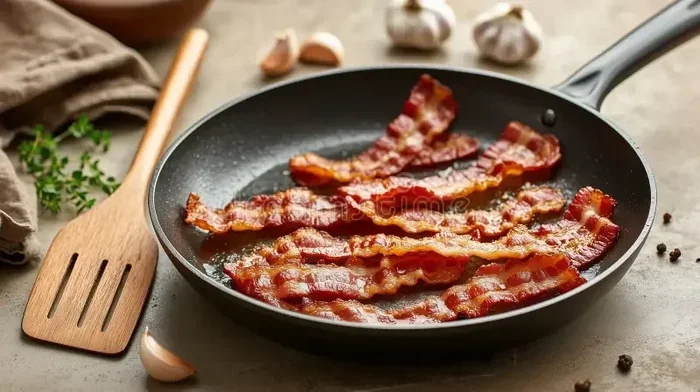
- Check the bacon at the 15-minute mark. Look at the color and texture. You want deep golden brown edges with some crispy firmness in the center.
- Remove the pan from the oven using oven mitts. The grease will be extremely hot, so be careful.
- Transfer the bacon to a plate lined with paper towels. This absorbs excess grease and keeps the bacon crispy.
That is it. You now have a full batch of perfectly crispy oven-baked bacon with almost no effort. Once you try this method, you will never go back to the stovetop.
Top Tips for Perfect Oven Bacon Every Time
Use Parchment Paper
Parchment paper is your best friend when baking bacon in the oven. It prevents sticking, reduces splatter, and makes the pan easy to clean. You can also use a reusable silicone baking mat, which is even more eco-friendly.
Do Not Overcrowd the Pan
It can be tempting to squeeze as many strips as possible onto the pan. But overcrowding leads to uneven cooking and steaming instead of crisping. Give each strip room to breathe. If you need to cook more, use a second pan or bake in batches.
Save Your Bacon Grease
Do not throw away that delicious bacon fat. Let it cool in the bacon grease tray, then pour it into a jar. Bacon grease is a fantastic cooking fat for eggs, potatoes, and roasted vegetables. It adds incredible flavor to any dish. Just store it in the refrigerator and use it within a few months.
Experiment with Temperature
While 400 degrees Fahrenheit is the standard, you can adjust the temperature based on your preferences. Lower the heat to 375 degrees for chewier bacon. Raise it to 425 degrees for extra-crispy, almost cracker-like strips. Play around until you find your perfect setting.
Try Adding a Splatter Guard
Even in the oven, some grease can splatter. A small bacon splatter guard placed over the pan can reduce mess. It is especially helpful if you are cooking a lot of bacon at once. It keeps your oven cleaner and reduces the smoky smell in your kitchen.
Let the Bacon Rest
Just like steak, bacon benefits from a short rest after cooking. Place the strips on a paper towel-lined plate for a minute or two. This lets excess grease drain off and helps the bacon stay crispy. If you pile hot bacon on a plate, the steam can make it soggy.
Common Mistakes to Avoid When Cooking Bacon in the Oven
Even though oven-baked bacon is simple, a few common mistakes can ruin your results. Here is what to watch out for.
Starting with a Cold Pan
Always preheat your oven before placing the bacon inside. A cold pan in a cold oven leads to uneven cooking and greasy, undercooked bacon. Preheat to 400 degrees, then put the bacon in once the oven is fully heated.
Using Too High a Temperature
It might seem like a higher temperature would cook bacon faster and crispier. But temperatures above 425 degrees can burn the bacon before the fat fully renders out. You end up with crispy edges and raw centers. Stick to 400 degrees for the best balance of crispiness and even cooking.
Not Lining the Pan
Skipping parchment paper or a silicone mat leads to a nightmare cleanup. Baked-on bacon grease is tough to scrub off. Always line your pan before adding the bacon. It takes five seconds and saves you serious cleaning time later.
Overlapping the Bacon Strips
Overlapping strips trap steam and prevent proper crisping. The bacon steams instead of baking, which makes it limp and chewy. Lay the strips in a single layer with small gaps between them for the best results.
Forgetting to Check the Bacon
While oven-baked bacon is mostly hands-free, it does need a quick check. Every oven runs a little differently. Set a timer for 15 minutes and check the bacon. You want it golden brown and crispy, not burnt. A quick peek can save an entire batch from going wrong.
Best Bacon Pans for Oven: Top Picks
If you are ready to buy a bacon pan for oven, here are some of the best options on the market right now.
Lodge Cast Iron Bacon Pan
The Lodge cast iron bacon pan is a top pick for serious bacon lovers. It is pre-seasoned and ready to use right out of the box. The deep edges catch grease and prevent splatter. This pan is heavy, durable, and built to last for decades. It is a bit pricey, but the quality is unmatched.
OXO Good Grips Non-Stick Baking Sheet
The OXO non-stick baking sheet is a versatile and affordable option. It works great for bacon and many other baked goods. The non-stick coating is durable, and the rimmed edges keep grease contained. It is lightweight and easy to handle, making it a great everyday choice.
Silicone Bacon Mat by Matfer Bourgeat
This reusable silicone mat is a favorite for those who want an eco-friendly option. It fits standard baking sheets and can be used hundreds of times. The bacon cooks evenly and the cleanup is effortless. It is also affordable and takes up very little storage space.
Wilton Recipe Right Premium Baking Sheet with Rack
This option includes a wire rack that elevates the bacon above the grease. It produces the crispiest results and the healthiest bacon. The rack fits standard half-sheet pans, and the tray below catches all the rendered fat. It is a great choice for health-conscious bacon lovers.
Frequently Asked Questions
Can I use any pan to cook bacon in the oven?
Most oven-safe pans work for cooking bacon. The best options are cast iron skillets, non-stick baking sheets, wire rack trays, and silicone mats. Avoid pans with plastic or wooden handles that are not rated for oven use. Always check the manufacturer’s temperature rating before placing any pan in a hot oven.
What temperature is best for baking bacon?
400 degrees Fahrenheit is the ideal temperature for most oven bacon recipes. It cooks the bacon evenly and produces a perfect balance of crispy edges and slightly chewy centers. You can adjust to 375 degrees for chewier bacon or 425 degrees for extra-crispy results. Just keep an eye on it to prevent burning.
How long does it take to cook bacon in the oven?
Most bacon cooks in 15 to 20 minutes at 400 degrees Fahrenheit. Thin-sliced bacon tends to be done closer to 15 minutes. Thick-cut bacon may need the full 20 minutes or a couple of extra minutes. Check the bacon at the 15-minute mark and pull it out when it reaches your desired level of crispiness.
Is oven-baked bacon healthier than stovetop bacon?
Yes, oven-baked bacon is generally healthier. The wire rack design allows excess fat to drip away from the bacon as it cooks. You end up eating less grease and fewer calories compared to stovetop cooking where the bacon sits in its own fat. It is a simple swap that can make a noticeable difference in your diet.
Can I reuse bacon grease after cooking in the oven?
Absolutely. Bacon grease is a versatile cooking fat. Let it cool in the pan or grease tray, then strain it through a fine mesh sieve into a jar. Store it in the refrigerator for up to three months. Use it to fry eggs, sauté vegetables, or grease a cast iron pan. It adds a wonderful smoky, savory flavor to any dish.
How do I clean a bacon pan after oven use?
Let the pan cool slightly before cleaning. For cast iron pans, wipe out the grease with paper towels and rinse with hot water. Avoid using soap on cast iron as it can strip the seasoning. For non-stick and silicone pans, most are dishwasher safe. For stuck-on grease, soak the pan in hot soapy water for 15 to 20 minutes before scrubbing with a non-abrasive sponge.
Final Thoughts
A bacon pan for oven is one of the simplest kitchen tools that can completely transform your breakfast routine. Whether you choose a sturdy cast iron skillet, a flexible silicone mat, or a wire rack tray, the results speak for themselves. Oven-baked bacon is easier, cleaner, and more consistent than any other cooking method.
Once you start baking your bacon in the oven, you will wonder why you ever bothered with the stovetop. The even cooking, the minimal cleanup, and the perfectly crispy results make it worth every second. Pick a pan that fits your needs, follow the simple steps in this guide, and enjoy restaurant-quality bacon in your own kitchen.
Your mornings are about to get a whole lot better. So go ahead, preheat that oven, and let the bacon pan for oven do the work for you. You deserve a perfect crispy breakfast every single day.