Can A Blue Diamond Pan Go In The Oven Without Damage
Yes, a blue diamond pan can go in the oven, but only within specific temperature limits. Understanding how your blue diamond pan handles heat is essential to prevent damage and keep your cookware lasting for years. This guide covers everything you need to know about oven-safe cookware, temperature guidelines, and safe usage tips.
You just pulled out your favorite blue diamond pan for a quick dinner prep. The recipe calls for a quick sear on the stovetop, followed by a trip into the hot oven. But wait. Can you actually put this pan in the oven? You are not alone in wondering this. Many home cooks own non-stick cookware like the blue diamond pan but are unsure about its oven-safe limits. The good news is that blue diamond pans are designed with versatility in mind. They work on the stovetop, in the oven, and even under the broiler, to a degree. But knowing the rules is the key to keeping your pan in great shape for years to come. Let us walk through everything you need to know.
When it comes to cookware safety, the details matter. A blue diamond pan is not just another non-stick skillet. It features a unique diamond-infused coating that offers excellent heat distribution and scratch resistance. However, no pan is indestructible. Understanding how your pan handles heat, what temperatures it can withstand, and what to avoid will save you from costly mistakes. Whether you are baking a casserole, roasting vegetables, or finishing a steak in the oven, this guide has you covered. We will dive deep into the world of oven-safe cookware and give you all the practical tips you need.
Key Takeaways
- Blue diamond pans are generally oven safe up to 350-400°F, depending on the model and handle material.
- Always check the manufacturer’s guidelines before placing any pan in the oven to avoid voiding the warranty.
- Remove plastic or silicone handles or ensure they are rated for high heat before oven use.
- Avoid sudden temperature changes to prevent thermal shock and warping.
- Use oven mitts when handling a hot blue diamond pan, as the handle can get very hot.
- Never use the broiler with a blue diamond pan, as direct high heat can damage the coating.
- Proper care and maintenance extend the life of your blue diamond pan significantly.
📑 Table of Contents
- What Is a Blue Diamond Pan?
- Is a Blue Diamond Pan Oven Safe?
- Temperature Limits and Guidelines
- How to Safely Use Your Blue Diamond Pan in the Oven
- What Happens If You Put a Blue Diamond Pan in the Oven the Wrong Way?
- Blue Diamond Pan vs. Other Oven-Safe Cookware
- Maintenance Tips for Your Blue Diamond Pan
- Final Thoughts on Using a Blue Diamond Pan in the Oven
What Is a Blue Diamond Pan?
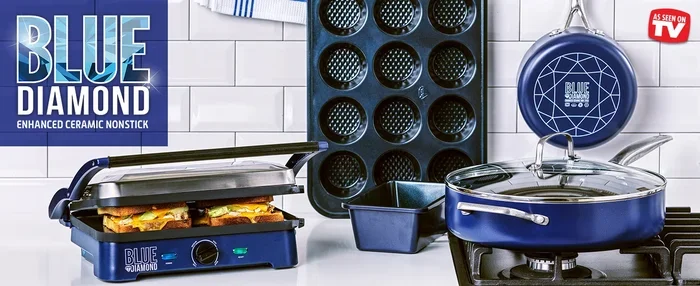
A blue diamond pan is a type of non-stick cookware made by the brand Blue Diamond. It uses a unique coating process that incorporates real diamond particles into the surface. This creates a very durable, heat-resistant cooking surface. The pan typically features an aluminum base for excellent heat distribution. The outside is usually coated with a ceramic or granite-style finish. These pans are popular because they are non-toxic, PFOA-free, and perform well at high temperatures. But despite their durability, they still have limits. Knowing what those limits are is essential for safe cooking.
How the Diamond Coating Works
The diamond coating on these pans is not pure diamonds. Instead, tiny diamond particles are bonded to the cooking surface. This creates a hard, slick surface that resists scratching better than traditional non-stick coatings. The diamond particles also help spread heat evenly across the pan. This means fewer hot spots and more consistent cooking. The coating is also food grade, meaning it is safe for cooking your meals. However, the coating can degrade if exposed to extreme heat. This is why understanding the oven limits is so important.
Is a Blue Diamond Pan Oven Safe?
The short answer is yes. Most blue diamond pans are oven safe. But the temperature range matters a lot. The standard blue diamond pan can usually handle oven temperatures up to 350°F to 400°F. Some higher-end models may tolerate slightly higher temperatures. Always check the specific product label or the manufacturer’s website for the exact limit. The oven-safe rating depends on several factors, including the handle material, the coating type, and the pan’s construction.
Handle Material Matters
One of the biggest factors in determining whether your blue diamond pan is safe for oven use is the handle. Many blue diamond pans come with silicone or phenolic plastic handles. These materials are generally oven safe up to 350°F or 400°F. However, if the handle is made of a lower-grade plastic, it may melt or release harmful fumes at high temperatures. Always inspect your pan’s handle before placing it in the oven. If the handle feels soft or flexible, it may not be designed for high heat. Metal handles are usually the safest option for oven use, as they can withstand much higher temperatures.
Pan Base and Construction
The base of a blue diamond pan is typically made from aluminum. Aluminum heats up quickly and distributes heat evenly. This makes it excellent for both stovetop and oven cooking. However, aluminum can warp if exposed to sudden temperature changes. This is known as thermal shock. To avoid warping, never place a cold pan directly into a hot oven. Instead, let the pan warm up gradually. Also, avoid placing a hot pan on a cold or wet surface. These simple habits will keep your pan flat and functional for a long time.
Temperature Limits and Guidelines
Knowing the maximum temperature for your blue diamond pan is crucial. Most models are rated for temperatures between 350°F and 400°F. Going beyond this limit can damage the coating and void your warranty. Here is a quick breakdown of what to expect based on common usage scenarios.
Safe Oven Temperatures
- 350°F: This is the most common oven temperature for baking and roasting. It is perfectly safe for a blue diamond pan.
- 400°F: Many blue diamond pans can handle this temperature. This is great for roasting vegetables or finishing a steak.
- Below 350°F: Any temperature below 350°F is completely safe for all models.
Temperatures to Avoid
- Above 400°F: Exceeding the maximum temperature can cause the diamond coating to break down. It may also release harmful fumes.
- Broiler temperatures: The broiler can reach temperatures above 500°F. This is far too hot for a blue diamond pan. Never use the broiler with this type of cookware.
- Direct flame on the base: Even in the oven, avoid placing the pan directly on the oven’s heating element. This can cause localized overheating and damage the coating.
Quick Tip: When in doubt, always start at a lower temperature and work your way up. This is a safe practice for any non-stick cookware and helps preserve the coating.
How to Safely Use Your Blue Diamond Pan in the Oven
Using your blue diamond pan in the oven is simple, but there are a few steps you should follow to ensure safety and longevity. These tips will help you get the best results every time.
Step-by-Step Oven Use
- Check the handle: Make sure the handle is oven safe. If it is not, use a pan with a metal handle or wrap the handle in a double layer of aluminum foil.
- Preheat the oven: Always preheat the oven before placing the pan inside. This ensures even heat distribution.
- Place the pan on the middle rack: The middle rack offers the most even heat. Avoid placing the pan too close to the top or bottom heating elements.
- Use oven mitts: The handle will get hot in the oven. Always use a dry oven mitt when removing the pan.
- Let it cool: Never plunge a hot pan into cold water. Allow it to cool naturally before washing.
Common Uses for Blue Diamond Pans in the Oven
Blue diamond pans are incredibly versatile. Here are some popular oven-safe uses:
- Baking casseroles: The even heat distribution makes these pans perfect for baked pasta or vegetable casseroles.
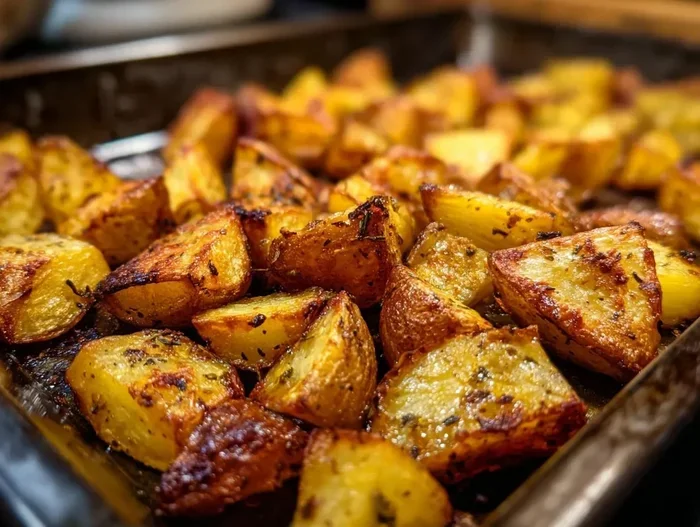
- Roasting vegetables: Toss your veggies in olive oil, spread them in the pan, and roast at 400°F for perfectly caramelized results.
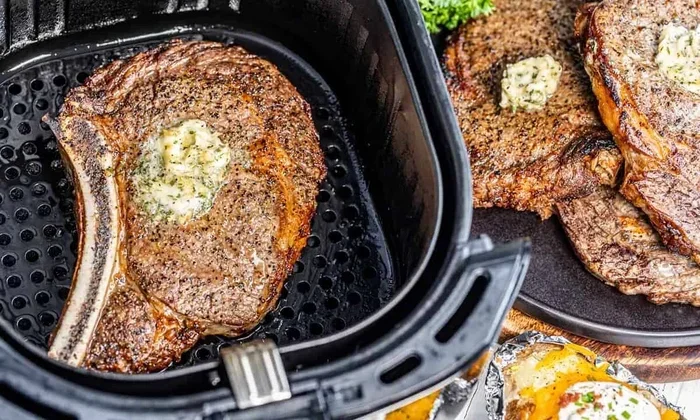
- Finishing steaks: Sear your steak on the stovetop, then transfer the pan to a 375°F oven for a perfect medium-rare finish.
- Baking cornbread or frittatas: These pans work great for any dish that starts on the stovetop and finishes in the oven.
- Reheating leftovers: A quick reheat in the oven keeps food crispy and delicious.
What Not to Do with a Blue Diamond Pan in the Oven
There are some things you should never do with your blue diamond pan. Avoiding these mistakes will protect your pan and your health.
- Do not use it under the broiler: The direct, intense heat will destroy the coating.
- Do not preheat an empty pan in the oven: This can cause the coating to degrade or release fumes.
- Do not use metal utensils: Even though the diamond coating is durable, metal utensils can scratch it.
- Do not stack pans without protection: Use pan separators or paper towels between stacked pans to prevent scratching.
- Do not wash it in the dishwasher: Hand washing is always best for non-stick cookware. The harsh detergents and high heat of a dishwasher can damage the coating over time.
What Happens If You Put a Blue Diamond Pan in the Oven the Wrong Way?
Using your blue diamond pan incorrectly in the oven can lead to several problems. Understanding these risks will help you avoid costly mistakes.
Thermal Shock and Warping
Thermal shock happens when a pan is exposed to sudden, extreme temperature changes. For example, taking a cold pan from the refrigerator and placing it directly into a hot oven. The uneven expansion and contraction can cause the pan to warp. A warped pan will not sit flat on the stovetop or in the oven. This leads to uneven cooking and hot spots. To prevent thermal shock, always let your pan come to room temperature before placing it in a hot oven.
Coating Damage
Exposing a blue diamond pan to temperatures above its rated limit can damage the diamond coating. The coating may start to peel, flake, or lose its non-stick properties. Damaged coatings can also release harmful particles into your food. This is a serious health concern. If you notice any peeling or flaking on your pan, it is time to replace it. Do not continue cooking with a damaged pan.
Handle Melting or Detachment
If the handle of your blue diamond pan is not oven safe, it can melt or detach in high heat. This is not only damaging to the pan but also a safety hazard. A detached handle can cause spills and burns. Always verify the handle’s heat rating before using the pan in the oven. If the handle is not rated for high heat, consider using a pan with a metal handle instead.
Expert Insight: According to cookware experts, the most common cause of blue diamond pan damage in the oven is exceeding the temperature limit. Always double-check the manufacturer’s guidelines before every use.
Blue Diamond Pan vs. Other Oven-Safe Cookware
Not all non-stick pans are created equal. Comparing your blue diamond pan to other types of cookware can help you understand its strengths and limitations.
Comparison Table
| Cookware Type | Oven Safe Temp | Coating Durability | Best For |
|---|---|---|---|
| Blue Diamond Pan | 350°F – 400°F | High (diamond-infused) | Everyday cooking, roasting, baking |
| Cast Iron | 500°F+ | Very High (seasoned) | Searing, baking, high-heat roasting |
| Stainless Steel | 500°F+ | Very High (no coating) | Deglazing, oven-finishing, broiling |
| Ceramic Coated | 350°F – 450°F | Medium | Light cooking, egg dishes |
| Teflon (Standard) | 260°F – 500°F | Medium-Low | Low-heat cooking, delicate foods |
As you can see, the blue diamond pan sits in a great middle ground. It offers better durability than standard Teflon and ceramic-coated pans. It also provides a non-stick surface that is easier to maintain than cast iron. However, it does not handle extreme heat as well as cast iron or stainless steel. For most home cooking tasks, the blue diamond pan is an excellent choice for oven use.
Maintenance Tips for Your Blue Diamond Pan
Proper maintenance is the key to getting the most out of your blue diamond pan. A well-cared-for pan will last for years and perform better with each use.
Cleaning Best Practices
- Wash by hand: Always wash your blue diamond pan with warm water and mild dish soap. Avoid abrasive sponges or steel wool.
- Use a soft sponge: A soft sponge or cloth is all you need to remove food residue without scratching the surface.
- Soak tough residue: If food is stuck, fill the pan with warm water and let it soak for 10-15 minutes. This will loosen the residue without harsh scrubbing.
- Dry completely: After washing, dry the pan thoroughly with a soft towel. Moisture can cause spotting or affect the coating over time.
Storage Tips
- Stack carefully: If you need to stack your pans, place a paper towel or pan separator between them. This prevents scratching the non-stick surface.
- Hang if possible: Hanging your pans on a wall-mounted rack is the best way to protect the coating and keep them accessible.
- Avoid nesting without protection: If space is limited, use felt or cloth pan protectors between stacked pans.
When to Replace Your Blue Diamond Pan
Even with the best care, every pan has a lifespan. Here are signs that it is time to replace your blue diamond pan:
- The coating is peeling, flaking, or scratching easily.
- Food sticks constantly, even with oil or cooking spray.
- The pan is warped and does not sit flat.
- The handle is loose or damaged.
- The pan has been exposed to temperatures above its rated limit.
Replacing a damaged pan is important for both cooking performance and food safety. A worn-out non-stick coating can release harmful particles into your food. When in doubt, it is better to be safe and invest in a new pan.
Final Thoughts on Using a Blue Diamond Pan in the Oven
So, can a blue diamond pan go in the oven without damage? The answer is yes, as long as you follow the guidelines. Keep the temperature at or below 350°F to 400°F, depending on your specific model. Always check the handle material and the manufacturer’s recommendations. Avoid sudden temperature changes, never use the broiler, and always let the pan cool naturally before washing. With proper care, your blue diamond pan will serve you well for many years of delicious cooking.
Remember, oven-safe cookware is a kitchen essential, and knowing how to use it correctly makes all the difference. Whether you are baking, roasting, or finishing a dish, your blue diamond pan is up to the task. Just treat it with respect, follow the temperature guidelines, and it will reward you with great meals every time. Happy cooking!
Frequently Asked Questions
Can I put my Blue Diamond pan in the oven at 400 degrees?
Yes, most blue diamond pans are rated for oven temperatures up to 400°F. However, always check your specific model’s guidelines. If the handle is made of silicone or plastic, verify that it is rated for that temperature before placing the pan in the oven.
What happens if you put a non-stick pan in the oven too hot?
Exposing a non-stick pan to temperatures above its rated limit can damage the coating. The non-stick surface may peel, flake, or release harmful fumes. This not only ruins the pan but can also pose health risks. Always follow the manufacturer’s temperature guidelines.
Can I use my Blue Diamond pan on the stovetop and then transfer it to the oven?
Yes, this is one of the best features of a blue diamond pan. You can sear food on the stovetop and then transfer the pan to the oven for finishing. Just make sure the pan is at room temperature and the oven is preheated to a safe temperature before transferring.
Is the Blue Diamond coating safe at high temperatures?
The diamond coating on Blue Diamond pans is designed to be durable and heat resistant. However, it is not indestructible. Exceeding the maximum oven temperature can break down the coating over time. Always stay within the recommended temperature range to keep the coating safe and effective.
Can I put the Blue Diamond pan handle in the oven?
This depends on the handle material. Silicone and phenolic plastic handles are usually oven safe up to 350°F or 400°F. Metal handles can handle much higher temperatures. If your pan has a plastic handle and you plan to use it at high oven temperatures, wrap the handle in aluminum foil for protection.
How long does a Blue Diamond pan last with regular oven use?
With proper care and adherence to temperature guidelines, a blue diamond pan can last for several years. Hand washing, avoiding thermal shock, and not exceeding the maximum oven temperature will significantly extend its lifespan. If the coating starts to wear, it is time for a replacement.