How To Cook With Convection Oven And Get Great Results
Cooking with a convection oven is one of the best ways to get evenly browned, perfectly crispy food every single time. A convection oven uses a fan to circulate hot air around your food, which cuts cooking times and improves texture. In this guide, you will learn the basics of convection cooking, how to adjust temperatures, and which dishes work best. Whether you are baking cookies or roasting a whole chicken, these tips will help you get great results. Convection oven techniques are simple once you understand the core principles.
Have you ever pulled a dish out of the oven only to find one side burned and the other side still raw? It is frustrating, and it happens more often than you think. A convection oven solves this problem almost completely. The built-in fan pushes hot air all around the food, which means every piece gets the same amount of heat. Once you learn how to cook with a convection oven, you will never go back to a regular oven for many tasks.
Convection cooking has been around for decades, but many home cooks still do not use it to its full potential. The good news is that it is not complicated at all. You just need to understand a few basic rules about temperature, timing, and pan placement. This guide walks you through everything step by step. By the end, you will feel confident using the convection setting for almost any dish you make.
Key Takeaways
- Convection ovens cook food faster: The fan circulates hot air, reducing cooking time by about 25% compared to conventional ovens.
- Lower your temperature by 25°F: This simple adjustment prevents food from burning while still getting great results.
- Use low-sided baking sheets: They allow hot air to flow freely around your food for even browning.
- Not all dishes suit convection cooking: Custards, soufflés, and delicate cakes may not fare well with a fan blowing on them.
- Rotate pans halfway through: This ensures every dish gets equal exposure to the circulating hot air.
- Convection roasting works wonders for meats: You get crispy skin and juicy interiors with less effort.
- Practice makes perfect: Once you learn your oven’s hot spots and fan strength, you will cook with confidence every time.
📑 Table of Contents
- What Is a Convection Oven and How Does It Work?
- How to Adjust Temperature and Time for Convection Cooking
- Best Foods to Cook in a Convection Oven
- Foods to Avoid Cooking in a Convection Oven
- Convection Oven Tips and Tricks for Better Results
- Common Convection Oven Mistakes to Avoid
- Expert Tips for Mastering Convection Cooking
- Conclusion
What Is a Convection Oven and How Does It Work?
A convection oven looks a lot like a standard oven on the outside. But inside, there is a big difference. A fan and exhaust system work together to move hot air around the cooking chamber. This constant flow of heat surrounds your food from every angle. The result is faster, more even cooking with beautiful browning on all sides.
The Fan Makes All the Difference
In a regular oven, heat rises from the bottom element and slowly fills the cavity. This creates hot spots and cold zones. With a fan-forced oven, the circulating air eliminates those uneven areas. Think of it like a gentle breeze that carries heat exactly where it needs to go. This is why convection baking produces such consistent results.
The fan also helps moisture escape from the surface of food faster. This is why roasted vegetables get crispy edges and cookies bake evenly across the tray. It is a small change that makes a huge impact on your final dish.
Convection Bake vs Convection Roast
Most modern ovens offer two convection modes. Convection bake uses the fan with a bottom heating element. It works great for cookies, pastries, and pizza. Convection roast uses the fan along with a top heating element. This mode is ideal for meats and vegetables that need a deep brown crust.
Understanding this difference helps you choose the right setting. If you are making delicate pastries, stick with convection bake. For a juicy roast chicken with crispy skin, pick convection roast. Each mode serves a different purpose, and knowing when to use them is key.
How to Adjust Temperature and Time for Convection Cooking
The most important rule of convection oven cooking is to lower the temperature. Most recipes written for conventional ovens assume no fan is running. So you need to make adjustments. The general rule is to reduce the temperature by 25 degrees Fahrenheit. This prevents overcooking while still giving you that golden, crispy finish.
The 25-Degree Rule
Here is how the 25-degree rule works in practice. If a recipe says to bake at 375°F in a regular oven, set your convection oven to 350°F instead. The moving air transfers heat more efficiently, so your food cooks faster at a lower temperature. This simple trick protects your food from drying out or burning.
Some cooks reduce by 20 degrees instead of 25. It depends on your specific oven model. Newer convection ovens with good insulation may only need a 20-degree drop. Older models sometimes benefit from the full 25-degree reduction. Over time, you will learn what works best for your kitchen.
Cooking Time Reductions
Besides lowering the temperature, you should also reduce cooking time. Most dishes finish about 25% faster in a convection oven. For example, a roast that takes 90 minutes in a regular oven might be done in about 68 minutes with convection. Keep a close eye on your food during the first few tries. Set a timer a few minutes earlier than the recipe suggests.
Using a meat thermometer is a great habit with any oven, but it is especially helpful with convection cooking. Since times can vary, the thermometer removes all guesswork. You will know exactly when your meat or casserole is perfectly done.
Best Foods to Cook in a Convection Oven
Not every dish benefits from a fan blowing on it. But many foods come out far better with convection cooking. Knowing which dishes to use it for is the first step toward great results. Here are the foods that shine in a convection oven.
Roasting Vegetables
Roasted vegetables are one of the easiest and most rewarding dishes to make in a convection oven. The circulating air removes moisture from the vegetable surfaces quickly. This leads to caramelization and crispy edges without burning. Toss your veggies with olive oil, salt, and pepper, spread them in a single layer, and let the oven do the work.
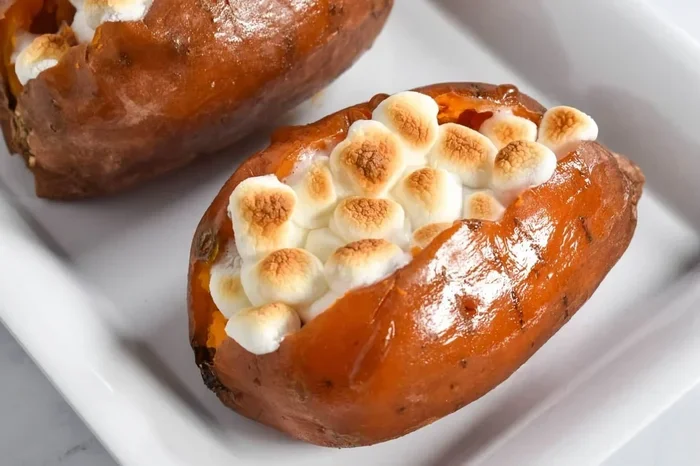
Root vegetables like carrots, potatoes, and sweet potatoes do especially well. Broccoli, cauliflower, and Brussels sprouts also roast beautifully. The key is to avoid overcrowding the pan. Give each piece space so the hot air can flow freely around it.
Baking Cookies and Biscuits
If you love baking, a convection oven is a game changer. Cookies bake evenly on all sides, which means no more rotating pans halfway through. The fan ensures that every cookie on the tray gets the same amount of heat. You get golden edges and soft centers every single time.
For best results, use low-sided baking sheets or parchment paper. Avoid insulated cookie sheets because they block airflow. You can fit more trays in a convection oven too, since the heat reaches every level of the oven evenly.
Roasting Meats
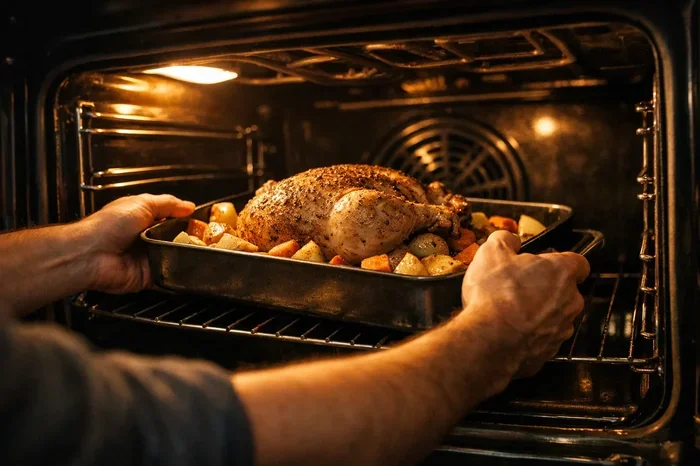
A whole chicken, pork loin, or beef roast looks incredible when cooked in convection roast mode. The fan creates a dry environment that crisps the outside while keeping the inside juicy. You get that restaurant-quality golden brown finish without having to baste constantly.
Large cuts of meat benefit greatly from the even heat distribution. There are no raw spots or overcooked edges. Just a beautifully cooked roast with a flavorful crust. This is one of the most popular reasons people invest in a convection oven.
Reheating Leftovers
Reheating pizza, fried chicken, or roasted vegetables in a convection oven brings them back to life. The hot air restores the crispy texture that microwaves destroy. Place your leftovers on a wire rack for the best results. The air circulates underneath, so the bottom stays crispy too.
This is a quick and easy way to enjoy last night’s dinner almost as much as the first night. Many people say reheated food tastes better in a convection oven than it did the first time around.
Foods to Avoid Cooking in a Convection Oven
While a convection oven is versatile, it is not ideal for every dish. Some foods need a still, moist environment to turn out right. Here are the items you should stick to conventional baking mode for.
Delicate Pastries and Custards
Soufflés, flans, and delicate custards rely on a gentle, undisturbed heat to rise properly. The fan in a convection oven can cause them to collapse or bake unevenly. If you are making a classic French custard or a tall soufflé, turn off the convection setting.
Similarly, thin crepes and delicate pancakes work better without the fan blowing on them. The moving air can dry out the batter too quickly and ruin the texture. Save your conventional oven for these sensitive recipes.
Quick Breads and Cakes
Some cakes and quick breads rise best in a still oven. The fan can create uneven rising, which leads to lopsided or dense results. If you are baking a sponge cake or a delicate chiffon cake, conventional mode is safer.
That said, some dense cakes and pound cakes handle convection just fine. It comes down to the recipe and the structure of the batter. When in doubt, start with the conventional setting for baking projects you have not tried before.
Foods Covered in Wet Batter
Fried foods made with wet batter, like tempura or beer-battered fish, can suffer in a convection oven. The fan blows away the moisture before it can set into a crispy coating. The batter may slide off or turn uneven. For these dishes, a regular oven or an air fryer works better.
If you really want to use your convection oven for battered foods, try a two-step approach. Bake first, then finish under the broiler for a few minutes. This gives you some crispness without losing the coating.
Convection Oven Tips and Tricks for Better Results
Getting the most out of your convection oven is about more than just temperature adjustments. Small habits and smart choices make a big difference in your cooking. Here are some practical tips that experienced cooks swear by.
Use Low-Sided Pans and Racks
Airflow is the heart of convection cooking. Anything that blocks that airflow reduces the benefits. Use baking sheets with low or no sides. Avoid deep cake pans or covered dishes when using the convection setting. The more open your pan is, the better the hot air can reach your food.
Wire cooling racks placed inside baking sheets work wonders for roasting and baking. They let air circulate underneath the food, which promotes even browning on all sides. This is a simple trick that many home cooks overlook.
Do Not Overcrowd the Pan
It is tempting to fit as much food as possible on a baking sheet. But overcrowding blocks the flow of hot air. Your food will steam instead of roast, and you will lose that beautiful crispy texture. Spread items out with space between them for the best results.
If you need to cook a large batch, use multiple trays and rotate them. Cooking in smaller batches takes a little more time, but the quality is worth it. Your convection oven will reward you with evenly cooked, golden food every time.
Rotate Pans Halfway Through
Even with a fan, most convection ovens have slight hot spots. Rotating your pans halfway through the cooking time helps compensate. Simply turn the tray 180 degrees for even exposure to the heat.
This habit takes only a few seconds but makes a noticeable difference. It is especially important when baking multiple trays of cookies or roasting several pans of vegetables at once. A quick rotation ensures nothing gets left behind.
Skip the Aluminum Foil on the Bottom
Some people line the bottom of the oven with aluminum foil to catch drips. This is a bad idea with a convection oven. The foil blocks the airflow and can cause uneven cooking. It can also touch the heating elements and create a fire hazard.
Use a baking sheet or a drip pan instead. These allow air to flow freely while still protecting your oven from messes. A small change in how you set up your oven can lead to much better results.
Let Your Oven Preheat Fully
Preheating matters even more in a convection oven than in a regular one. The fan needs the oven to reach the target temperature before you put food inside. Give it at least 10 to 15 minutes to preheat fully.
Many people skip this step and wonder why their food does not cook evenly. A properly preheated oven starts cooking immediately, which locks in moisture and improves texture. It is a small step that pays off in the final dish.
Common Convection Oven Mistakes to Avoid
Even experienced cooks make mistakes when using a convection oven for the first time. Avoiding these common errors will save you time, food, and frustration.
Forgetting to Lower the Temperature
This is the number one mistake people make. They set the temperature the same as a regular recipe and end up with burnt food. Remember the 25-degree rule. Lowering the temperature is the easiest way to get great results every time.
Using the Wrong Pan Type
Dark, nonstick pans absorb more heat and can cause over-browning in a convection oven. Light-colored, shiny pans reflect heat and promote even cooking. If you only have dark pans, reduce the temperature by an extra 5 to 10 degrees to compensate.
Opening the Door Too Often
Every time you open the oven door, you lose heat and disrupt the airflow. This is especially true with convection ovens because the fan is constantly moving hot air around. Try to resist the urge to peek. Use the oven light and window to check on your food instead.
Not Adjusting Recipes
Not all recipes are written with convection cooking in mind. Blindly following a conventional oven recipe will often lead to problems. Take a moment to adjust the temperature and time. A little effort goes a long way toward perfect results.
Expert Tips for Mastering Convection Cooking
Once you get comfortable with the basics, you can start exploring advanced techniques. These tips from experienced bakers and chefs will help you take your convection cooking to the next level.
Use the Converting Feature If Available
Many modern convection ovens come with a built-in convert function. You enter the conventional temperature and time, and the oven adjusts automatically. If your oven has this feature, use it. It takes the guesswork out of convection baking and gives you reliable results every time.
Experiment with Dehydrating
A convection oven works surprisingly well as a dehydrator. Low temperatures with good airflow make it perfect for drying fruits, herbs, and jerky. Spread your food in thin, even layers and set the temperature to the lowest setting. Keep the door slightly ajar if your oven allows it to let moisture escape.
Combine Convection with the Broiler
For dishes that need a crispy top and even cooking throughout, try combining convection roast with a brief broil at the end. Roast your food until almost done, then switch to the broiler for two to three minutes. This creates a beautiful golden crust without overcooking the inside.
This technique works especially well for casseroles, gratins, and baked pasta dishes. It adds a layer of texture that is hard to achieve any other way. Once you try it, you will start using it all the time.
Conclusion
Learning how to cook with a convection oven opens up a world of possibilities in your kitchen. From evenly roasted vegetables to perfectly baked cookies, the benefits are real and easy to achieve. The key is to remember a few simple rules. Lower the temperature by 25 degrees, reduce cooking time, use the right pans, and avoid overcrowding.
With practice, convection cooking becomes second nature. You will start noticing the difference in texture, color, and flavor every time you cook. The even heat distribution saves energy, reduces cooking time, and delivers consistent results that make you look like a pro. Start with the dishes that work best with convection baking, and gradually expand your repertoire. Soon, you will wonder how you ever cooked without it. Your convection oven is a powerful tool. Use it well, and it will reward you with delicious meals every single day.
Frequently Asked Questions
Can I use my regular recipes in a convection oven?
Yes, but you should adjust them. Lower the temperature by 25 degrees Fahrenheit and check for doneness about 25% earlier than the recipe states. With a little practice, converting your favorite recipes becomes second nature.
What is the difference between convection bake and convection roast?
Convection bake uses the fan with a bottom heating element, making it ideal for cookies, pastries, and pizza. Convection roast uses the fan with a top heating element, which works best for meats and vegetables that need a deep brown crust.
Is convection oven cooking healthier than regular oven cooking?
It can be. Because convection cooking removes moisture faster, you often need less oil to get crispy results. Foods also cook faster, which can help preserve more nutrients. However, the health benefits depend on what you cook and how you prepare it.
Can I use aluminum foil in a convection oven?
You can use foil to cover food, but avoid lining the bottom of the oven with it. Foil on the floor blocks airflow and can cause uneven cooking or even damage the heating elements. Use parchment paper or a baking sheet instead for catching drips.
Why does my food burn in the convection oven even at a lower temperature?
This usually happens because the oven is too hot or the food is too close to the heating element. Make sure you are lowering the temperature by 25 degrees, use light-colored pans, and avoid overcrowding. Also, check if your oven has hot spots by doing a simple bread test.
Can I use a convection oven for air frying?
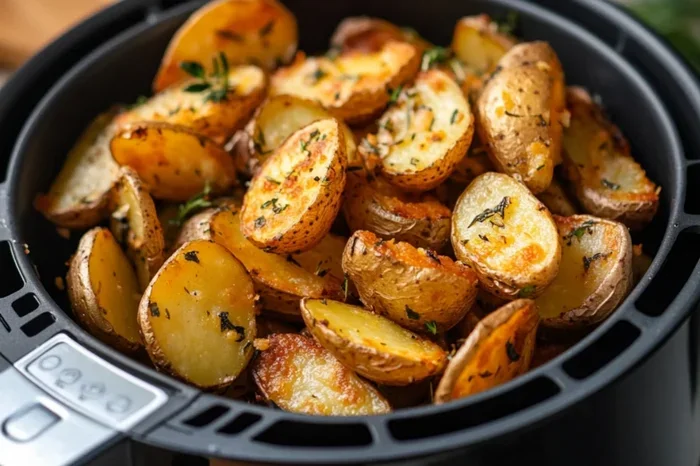
Absolutely. Many people use their convection oven as an air fryer. The fan-forced hot air creates the same crispy results you get from a countertop air fryer. Simply use a perforated baking sheet or wire rack and keep the food in a single layer for the best air frying effect.