What Is A Dutch Oven For Cooking And Why You Need One
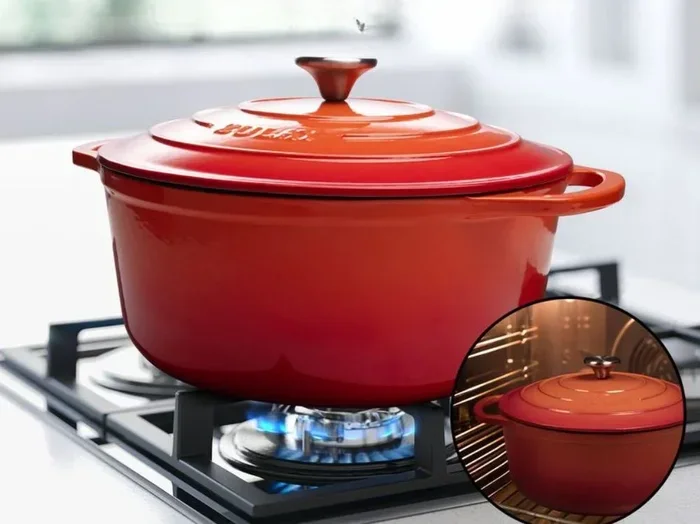
A Dutch oven is a heavy, thick-walled pot with a tight-fitting lid, made from cast iron or enameled steel. It excels at slow cooking, braising, baking, and roasting because it locks in heat and moisture. Whether you are a beginner or a seasoned cook, a Dutch oven makes preparing hearty meals easy and enjoyable. This guide covers everything you need to know about what a Dutch oven is for cooking and why you should own one.
If you have ever walked past the cookware aisle and wondered what all the fuss is about, you are not alone. A Dutch oven has been a kitchen staple for centuries, and for good reason. It is one of the most versatile tools you can own. Whether you love simmering stews on a cold evening or baking fresh bread on a weekend morning, this pot does it all.
In this article, we will answer the question what is a Dutch oven for cooking in simple, clear terms. You will learn how it works, what types exist, and why so many home cooks swear by it. By the end, you will understand why a Dutch oven might be the single best purchase for your kitchen.
Key Takeaways
- A Dutch oven is a versatile cooking vessel: It can handle stews, soups, bread, roasts, and more in one pot.
- Cast iron and enameled options exist: Each type offers unique benefits for different cooking styles.
- Heat retention is a standout feature: The thick walls keep food warm and cook it evenly for longer periods.
- It works on multiple heat sources: Stovetop, oven, campfire, and even induction cooktops are compatible.
- One-pot meals become effortless: Dutch oven cooking simplifies meal prep and cleanup.
- The right size matters: Choosing between 3-quart and 7-quart depends on your household size and cooking goals.
- Proper care extends its lifespan: Seasoning and correct cleaning keep your Dutch oven performing for decades.
📑 Table of Contents
What Is A Dutch Oven And How Does It Work
A Dutch oven is a heavy cooking pot with thick walls and a matching lid. It is usually made from cast iron, though enameled versions are also very popular. The design is simple but brilliant. The thick material absorbs heat slowly and holds it for a long time. The tight-fitting lid traps moisture inside, creating a self-basting effect.
This combination of heat retention and moisture locking makes Dutch oven cooking ideal for low-and-slow recipes. Food cooks evenly, stays tender, and develops deep, rich flavors. You can use it on a stovetop, inside a standard oven, or even over an open campfire.
The Science Behind Dutch Oven Cooking
Here is what makes this pot so special. Cast iron has a high thermal mass. That means it takes longer to heat up, but it also takes longer to cool down. The lid seals in steam, which keeps the cooking environment moist. Together, these features create perfect conditions for braising, stewing, and baking.
When you sear meat inside a cast iron Dutch oven, the heavy base holds enough heat to create a beautiful brown crust. Then, when you add liquid and put the lid on, the trapped steam gently cooks the meat until it falls apart. No other pot delivers this combination of searing power and gentle, even heat.
Different Types Of Dutch Ovens You Can Choose From
Not all Dutch ovens are the same. They come in different materials, finishes, and sizes. Understanding the options helps you pick the right one for your cooking style and budget.
Traditional Cast Iron Dutch Oven
The classic cast iron Dutch oven is raw iron that needs seasoning before use. It is incredibly durable and can last a lifetime with proper care. Brands like Lodge are well known for affordable, high-quality versions. These pots work on gas, electric, induction, and even over a campfire or charcoal grill.
The downside is that raw cast iron requires maintenance. You need to season it regularly and avoid harsh detergents when washing. But many cooks love the tradition and the superior heat retention that comes with uncoated cast iron.
Enameled Dutch Oven
An enameled Dutch oven has a glass-like coating fused to the cast iron surface. Le Creuset and Staub are two popular brands that make beautiful enameled versions. The coating eliminates the need for seasoning and makes the pot easier to clean. You can also use acidic ingredients like tomatoes without worrying about metallic tastes.
Enameled Dutch ovens look stunning and come in many colors. They are slightly more expensive than raw cast iron options. The enamel coating can chip if dropped or mistreated, but with gentle use, these pots last for many years.
Dutch Oven vs Slow Cooker
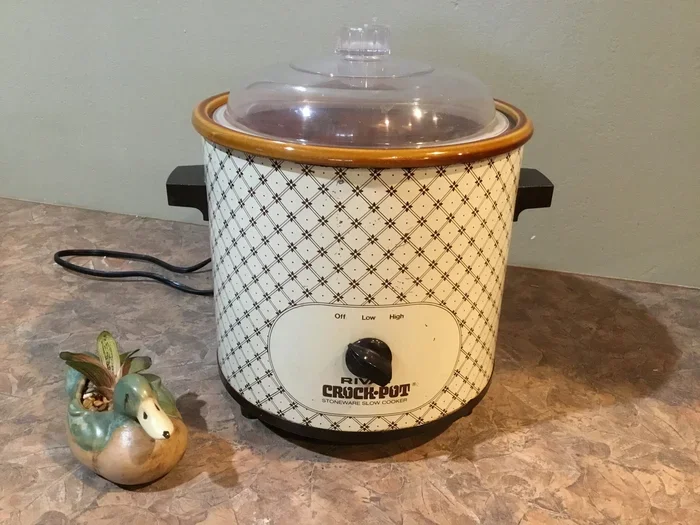
Many people compare a Dutch oven vs slow cooker when deciding which tool to buy. Both are great for low-and-slow cooking, but they work differently. A slow cooker uses electricity and a built-in heating element. A Dutch oven relies on your oven or stovetop for heat.
A Dutch oven offers more control over temperature. You can sear ingredients directly on the stovetop before transferring to the oven. Slow cookers do not offer that step. The Dutch oven also produces better browning and caramelization because of the heavy metal construction.
Sizes And Shapes
Dutch ovens come in sizes ranging from 3 quarts to 7 quarts or more. A 5-quart Dutch oven is the most popular choice for families. It handles most recipes comfortably. Smaller 3-quart pots work well for couples or side dishes. Larger 7-quart versions are great for big batches of soup or cooking for crowds.
Round and oval shapes are both common. Round pots work best for most recipes. Oval Dutch ovens are ideal for cooking whole chickens or large cuts of meat that would not fit in a round pot.
Amazing Dutch Oven Uses And Cooking Techniques
The beauty of a Dutch oven is how many things you can do with it. It is not just for soups and stews, though those are excellent starting points.
Braising And Stewing
Braising in a Dutch oven is one of the most popular techniques. You sear meat on the stovetop, add vegetables and liquid, then cover and cook low in the oven for hours. The result is incredibly tender, flavorful meat. Beef stew, pot roast, and short ribs all shine in a Dutch oven.
Stewing works the same way but usually involves smaller pieces of meat and more liquid. A Dutch oven stew is a comforting, one-pot meal that feeds a whole family with minimal effort.
Baking Bread
Yes, you can bake bread in a Dutch oven. The heavy lid traps steam, which creates a crispy, golden crust on artisan-style loaves. This technique has become hugely popular in home baking. You mix your dough, let it rise, then bake it inside a preheated Dutch oven at high heat. The results rival what you would get from a professional bakery.
Roasting And One-Pot Meals
You can roast vegetables, chicken, pork, or beef in a Dutch oven. The even heat distribution ensures everything cooks uniformly. One-pot Dutch oven meals are a game changer for busy weeknights. You throw everything in, put the lid on, and let the oven do the work.
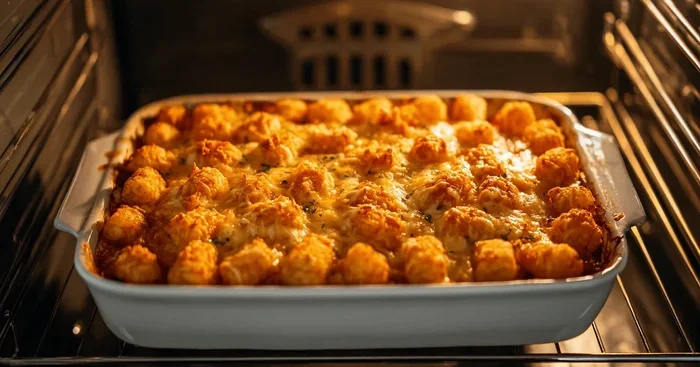
Think of dishes like chicken and dumplings, chili, lasagna, or even mac and cheese. All of these benefit from the Dutch oven’s ability to hold steady heat for long cooking times.
Camping And Outdoor Cooking
Dutch oven camping cooking is a beloved tradition. You can bring a seasoned cast iron Dutch oven to the campsite and cook over a fire or charcoal briquettes. The pot handles direct flame beautifully. From campfire chili to cobbler for dessert, a Dutch oven opens up a world of outdoor meal possibilities.
Frying And Sautéing
Do not overlook the Dutch oven as a frying pan. The heavy base maintains a stable oil temperature, which is perfect for deep frying. Fried chicken, french fries, and doughnuts all come out crispy and evenly cooked when you use a Dutch oven on the stovetop.
How To Choose The Right Dutch Oven For Your Kitchen
Buying a Dutch oven is an investment. Here are the key factors to consider before you make a decision.
Material Matters
Cast iron is the gold standard for heat retention and durability. Enameled cast iron adds convenience and a stylish look. Some lighter-weight Dutch ovens use aluminum or stainless steel with a diffuser base, but they do not perform as well as cast iron for long cooking sessions.
If you want the best Dutch oven for cooking performance, go with cast iron or enameled cast iron. The extra weight is a feature, not a flaw. It is what makes the pot so effective.
Consider Your Cooking Habits
Think about what you cook most often. If you make a lot of soups and stews, a 5-quart round pot is perfect. If you roast whole chickens, consider an oval shape. If you bake bread, enameled cast iron is easier to work with because you do not need to worry about seasoning.
Budget And Brand Options
Dutch ovens range from around $30 to over $300. Budget-friendly options from Lodge offer excellent performance for everyday cooking. Premium brands like Le Creuset and Staub offer superior enamel quality, more color options, and slightly better heat distribution. Both tiers will serve you well for years.
Lid Design And Fit
A tight-fitting lid is essential. Look for lids with a small knob or self-basting spikes on the inside. These features help redistribute moisture back onto the food as it cooks. The knob should be heat-safe so you can transfer the pot from stovetop to oven without removing the lid.
Tips For Cooking With A Dutch Oven Like A Pro
Once you have your Dutch oven, a few simple tips will help you get the best results every time.
Preheat Gradually
Cast iron heats slowly and evenly. Do not crank the heat up high right away. Start on medium and let the pot warm up gradually. This prevents hot spots and ensures even cooking throughout.
Use The Right Amount Of Oil
Because Dutch ovens are heavy, they hold heat well. Use a moderate amount of oil or fat to prevent sticking. A thin, even layer is usually enough. Too much oil can make your food greasy, especially when frying.
Let It Rest After Cooking
After you remove a Dutch oven from the oven or stovetop, let it rest for a few minutes. The residual heat continues to cook the food gently. This resting period also allows juices to redistribute, making your meat more flavorful and tender.
Avoid Sudden Temperature Changes
Do not place a hot Dutch oven on a cold surface or run cold water over a hot pot. The sudden temperature change can crack the enamel or warp the iron. Always let the pot cool naturally before washing.
Season Your Cast Iron Regularly
If you own a raw cast iron Dutch oven, seasoning is key. Rub a thin layer of vegetable oil inside and out after washing, then heat it gently on the stovetop. This builds a natural non-stick surface and prevents rust. Many cooks season their Dutch oven once a month or as needed.
Why A Dutch Oven Deserves A Spot In Your Kitchen
A Dutch oven is more than just another pot. It is a kitchen workhorse that replaces several other tools. You can sear, sauté, braise, roast, bake, fry, and simmer all in one vessel. This versatility saves counter space and makes cooking simpler.
The Dutch oven heat retention and Dutch oven heat distribution are unmatched by most other cookware. Food stays at a consistent temperature, which means fewer burned edges and more evenly cooked meals. This is especially valuable when you are preparing Dutch oven recipes like overnight oatmeal, baked beans, or braised short ribs that need hours of steady, gentle heat.
Cleanup is also surprisingly easy. A well-seasoned cast iron Dutch oven develops a natural non-stick surface over time. Many cooks simply wipe it out with a paper towel after cooking. Enameled versions are dishwasher safe, though hand washing is recommended to preserve the finish longer.
For Dutch oven camping enthusiasts, this pot is a must-have. It turns an open fire into a fully functional kitchen. You can cook breakfast, lunch, dinner, and even dessert with just one pot and some coals. The portability and durability make it a favorite among outdoor lovers.
Another reason to invest in a Dutch oven is the flavor. The heavy construction and sealed environment concentrate flavors in a way that lighter pots cannot match. Your soups will taste richer. Your bread will have a better crust. Your stews will be more deeply flavored. Once you taste the difference, you will never go back.
Whether you are a beginner just starting to explore cooking or an experienced home chef looking to expand your toolkit, a Dutch oven is a smart addition. It is practical, durable, and endlessly useful. The question is not really whether you need one. The question is which type and size is right for you.
Start with a reliable 5-quart model, experiment with a few simple recipes, and you will quickly see why this timeless piece of cookware has remained popular for generations. A Dutch oven for cooking is truly one of the best investments you can make for your kitchen and your love of good food.
Conclusion
Now you know the full answer to what is a Dutch oven for cooking. It is a heavy, versatile pot designed for slow cooking, braising, baking, roasting, and much more. Whether you choose a classic cast iron version or a convenient enameled model, you are adding a tool that will serve you for decades.
The Dutch oven stands out because of its unique combination of heat retention, moisture control, and cooking versatility. It simplifies meal prep, enhances flavor, and works on virtually any heat source. From everyday weeknight dinners to weekend baking projects and outdoor camping adventures, it rises to the occasion every time.
If you have been on the fence about adding one to your kitchen, now is the perfect time. Start small with a simple recipe like a hearty stew or a loaf of crusty bread. Once you experience the difference a Dutch oven makes, you will wonder how you ever cooked without one.
Frequently Asked Questions
Can you use a Dutch oven on a stovetop?
Yes, absolutely. A Dutch oven works on gas, electric, and induction stovetops. The heavy cast iron base distributes heat evenly, making it excellent for searing, sautéing, and simmering. Just avoid using high heat on glass or ceramic cooktops to prevent scratching.
Is a Dutch oven the same as a slow cooker?
No, they are different tools. A slow cooker uses its own electric heating element, while a Dutch oven relies on your oven or stovetop. A Dutch oven offers more control and better browning. Many cooks prefer the Dutch oven for its versatility and superior flavor development.
How do you clean a Dutch oven?
For enameled Dutch ovens, hand wash with warm soapy water and dry thoroughly. For raw cast iron, avoid using soap and instead rinse with warm water, scrub with a brush if needed, and dry immediately. Rub a thin layer of oil after washing to maintain the seasoning and prevent rust.
What size Dutch oven should I buy?
A 5-quart Dutch oven is the most versatile size for most households. It handles soups for four to six people, whole chickens, and large batches of stew comfortably. Smaller 3-quart pots work well for couples, while 7-quart options are better for larger families or batch cooking.
Can you bake bread in a Dutch oven?
Yes, baking bread in a Dutch oven is one of the most popular uses. The heavy lid traps steam, which creates a crispy, golden crust on artisan-style loaves. Preheat the Dutch oven with the dough inside, then bake at high heat for about 30 minutes for excellent results.
Is a Dutch oven worth the investment?
Most definitely. A quality Dutch oven lasts for decades and can replace several pieces of cookware. It delivers superior heat retention, even cooking, and deep flavor. Whether you cook daily or just a few times a week, the value it adds to your kitchen is well worth the cost.