How Long To Cook Ribeyes In Oven Perfectly Every Time
Learn how long to cook ribeyes in the oven with this simple, foolproof guide. You will discover the exact temperatures, times, and techniques that turn a thick cut of ribeye into a restaurant-quality steak right in your own kitchen. Whether you like it rare or well-done, this guide covers everything you need to know.
There is something magical about a perfectly cooked ribeye steak. The sizzle, the aroma, the way the fat melts into juicy, tender meat. But here is the truth many steak lovers learn the hard way. Cooking a ribeye in the oven is not just about tossing it in and hoping for the best. It is about timing, temperature, and a few simple techniques that make all the difference.
If you have ever wondered how long to cook ribeyes in the oven, you are not alone. This question comes up every single day from home cooks who want restaurant-quality results without the hassle. The good news is that once you understand the basics, it becomes second nature. You will never need to overcook or undercook a steak again.
This guide walks you through everything you need to know. From prep and seasoning to oven times and temperatures, we cover it all. By the end, you will feel confident enough to cook a bone-in or boneless ribeye to absolute perfection. Let us get into it.
Key Takeaways
- Thick ribeyes need 20-25 minutes at 400°F: This is the sweet spot for most steaks between 1.5 and 2 inches thick.
- Always use a meat thermometer: Internal temperature is the only reliable way to know your steak’s doneness.
- Rest your steak for 8-10 minutes: This lets the juices redistribute and keeps your ribeye juicy.
- Room temperature steak cooks more evenly: Take your ribeye out 30-45 minutes before cooking.
- A cast iron skillet gives the best sear: It holds heat better than any other pan.
- Season simply but early: Salt your steak at least 40 minutes before cooking for the best crust.
📑 Table of Contents
- Why Cooking Ribeye in the Oven Works So Well
- How to Prep Your Ribeye for the Oven
- The Perfect Oven Temperature and Time Guide
- Step-by-Step: Cooking Ribeye in the Oven
- How to Know When Your Ribeye Is Done
- Common Mistakes to Avoid When Cooking Ribeye in the Oven
- Serving and Enjoying Your Perfect Ribeye
- Expert Insights on Oven-Cooked Ribeye
- Final Thoughts
Why Cooking Ribeye in the Oven Works So Well
The oven method for cooking ribeye steak is one of the most reliable techniques out there. Unlike grilling, where flames can flare up unpredictably, the oven gives you consistent, even heat. This means your steak cooks from edge to center without hot spots or charred edges.
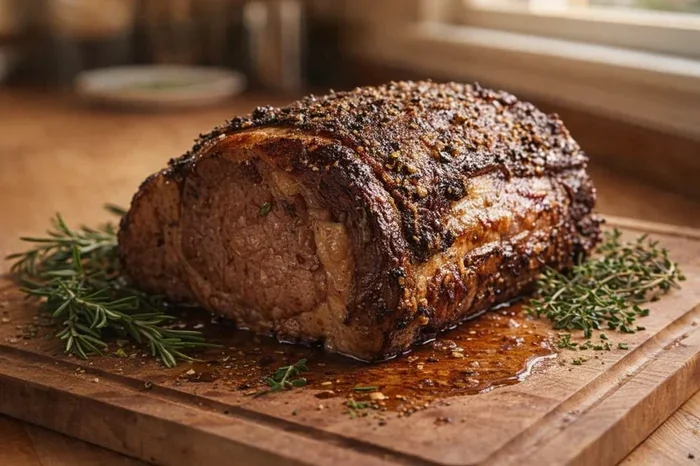
Many professional chefs prefer the oven for thick-cut ribeyes. The gentle, surrounding heat allows the meat to cook slowly and evenly. You get a beautiful pink center with a gorgeous crust on the outside. It is the kind of result that will impress anyone at your dinner table.
The oven also gives you more control. You can monitor the temperature closely, adjust as needed, and focus on getting that perfect sear before or after the oven step. It is a forgiving method, which makes it perfect for beginners and experienced cooks alike.
The Benefits of Oven-Baked Steak
- Even cooking: Heat surrounds the steak on all sides for consistent results.
- Predictable timing: You can plan your meal around set cook times.
- Hands-off cooking: Once the steak is in the oven, you can prep sides and sauces.
- Better for thick cuts: Steaks over 1.5 inches thick benefit greatly from oven cooking.
- Less stress: No worrying about flare-ups or uneven grill marks.
How to Prep Your Ribeye for the Oven
Great cooking starts with great prep. And when it comes to oven-baked steak, preparation is everything. Taking the time to prep your ribeye properly will dramatically improve the final result.
Start by taking your steak out of the fridge about 30 to 45 minutes before cooking. This lets the meat reach room temperature. Cold steak going into a hot oven cooks unevenly, with the outside overcooking before the inside is done. Room temperature steak cooks more evenly from edge to center.
Pat Dry and Season
Use paper towels to pat your ribeye dry on both sides. Moisture is the enemy of a good sear. The drier the surface, the better the crust will be. Then, season generously with kosher salt and freshly ground black pepper.
Here is a pro tip. Salt your steak at least 40 minutes before cooking. The salt draws out moisture, which then gets reabsorbed into the meat. This seasons the steak deeply and helps create that beautiful, crunchy exterior. You can also add garlic powder, onion powder, or smoked paprika for extra flavor.
Choosing the Right Pan
Your choice of pan matters more than you might think. A cast iron skillet is the gold standard for oven-baked steak. It retains heat incredibly well and creates an even sear. If you do not have cast iron, a heavy oven-safe pan works too. Avoid thin pans, as they lose heat quickly and lead to uneven cooking.
Make sure your pan is oven-safe to at least 450°F. Some handles and lids are not designed for high heat, and you do not want any surprises.
The Perfect Oven Temperature and Time Guide
This is the section most people are looking for. Exactly how long to cook ribeyes in the oven depends on a few factors. The thickness of your steak, your oven temperature, and your desired level of doneness all play a role. But do not worry. We have broken it all down so it is easy to follow.
Standard Oven Temperature for Ribeye
400°F is the go-to temperature for most oven-cooked ribeyes. It is hot enough to develop a great crust but not so hot that the outside burns before the inside is done. Some recipes call for 375°F for slower, more gentle cooking. Both work well, but 400°F gives you a better balance of crust and cook time.
If you are using a convection oven, reduce the temperature by about 25°F. Convection fans circulate hot air more efficiently, so your steak will cook a bit faster.
Cooking Times by Thickness
Here is a general guide for oven-baked ribeye at 400°F. These times assume a steak that has come to room temperature before going in the oven.
- 1 inch thick: 10 to 12 minutes total
- 1.5 inches thick: 15 to 18 minutes total
- 2 inches thick: 20 to 25 minutes total
- 2.5 inches thick: 25 to 30 minutes total
These times are for a steak that starts at room temperature and is cooked without a prior sear. If you sear first, reduce the oven time by about 3 to 5 minutes. The sear adds flavor and color but also starts the cooking process.
Reverse Sear Method for Perfect Ribeye
The reverse sear is a game-changing technique. Instead of searing first and then finishing in the oven, you do it in reverse. You cook the steak low and slow in the oven first, then sear it at the very end.
Here is how it works. Set your oven to 275°F. Place your seasoned ribeye on a wire rack over a baking sheet. Cook until the internal temperature reaches about 10 to 15 degrees below your target doneness. Then, remove the steak and sear it in a screaming hot cast iron skillet for about 1 to 2 minutes per side.
The reverse sear gives you the most even doneness possible. The edge-to-center gradient is almost nonexistent. Every bite from the crust to the center is perfectly cooked. It is especially great for thick-cut ribeyes.
Step-by-Step: Cooking Ribeye in the Oven
Now let us put it all together. Here is a simple, foolproof method for cooking the perfect ribeye steak in your oven.
- Take the steak out 30 to 45 minutes early. Let it sit on the counter and come to room temperature.
- Preheat your oven to 400°F. While it heats, pat the steak dry with paper towels.
- Season generously. Use kosher salt, black pepper, and any other seasonings you like.
- Heat a cast iron skillet on the stovetop over high heat. Add a high-smoke-point oil like avocado or grapeseed oil.
- Sear the steak for 2 minutes per side. You want a deep brown crust. Do not move it around.
- Transfer the skillet directly to the oven. Cook for the time based on your steak’s thickness (see the guide above).
- Check the internal temperature with a meat thermometer. This is the most important step.
- Remove the steak and let it rest. More on this in the next section.
This method works beautifully for bone-in and boneless ribeyes. The bone does add a few extra minutes to the cook time, but not much. The meat near the bone cooks slightly slower, so factor that in if you are aiming for a specific doneness.
Quick Tips for Oven-Cooked Steak
- Always preheat your oven fully before putting the steak in.
- Do not overcrowd the pan. Cook one steak at a time if possible.
- Use tongs to flip the steak, not a fork. Piercing releases juices.
- If your oven runs hot or cold, use an oven thermometer to verify the actual temperature.
- A wire rack set over a baking sheet promotes even airflow around the steak.
How to Know When Your Ribeye Is Done
This is where many home cooks struggle. How do you know when the steak is exactly where you want it? The answer is simple. Use a meat thermometer. It is the single most important tool for cooking steak in the oven.
Without a thermometer, you are guessing. And guessing leads to overcooked or undercooked steak. A good instant-read thermometer takes the guesswork out completely. You insert it into the thickest part of the steak, away from any bone or fat, and read the temperature in seconds.
Ribeye Internal Temperature Guide
Here are the target internal temperatures for different levels of doneness. Remember that the temperature will rise about 5 degrees as the steak rests.
- Rare: 120°F to 125°F (remove at 115°F)
- Medium Rare: 130°F to 135°F (remove at 125°F)
- Medium: 140°F to 145°F (remove at 135°F)
- Medium Well: 150°F to 155°F (remove at 145°F)
- Well Done: 160°F and above (remove at 155°F)
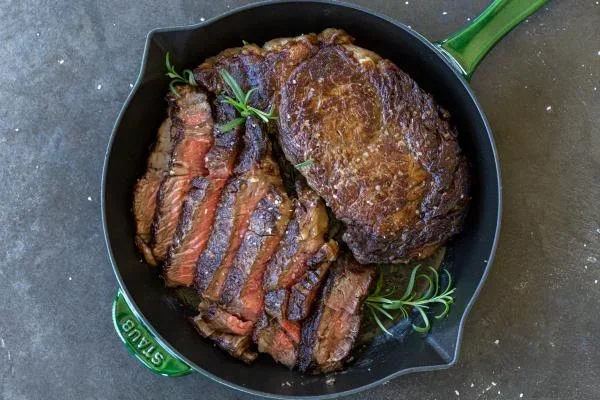
Most steak lovers prefer medium rare. This is where the ribeye’s natural marbling shines the most. The fat has melted enough to add incredible flavor and juiciness, but the meat still has a tender, pink center. If you are new to cooking steak, start with medium rare. You can always cook it longer, but you cannot undo overcooking.
Why Resting Matters
Resting your steak after cooking is just as important as the cooking itself. When you pull a hot steak off the heat, the juices inside are under pressure. They are concentrated in the center. If you cut into it right away, all those juices run out onto the cutting board.
Let the steak rest for 8 to 10 minutes on a cutting board or warm plate. Tent it loosely with aluminum foil if you want to keep it warm. During this time, the juices redistribute throughout the meat. When you finally cut in, every slice is moist, tender, and full of flavor.
Resting also allows the internal temperature to equalize. The outer parts cool slightly while the center stays hot. This is what gives you that perfect, even doneness from edge to edge.
Common Mistakes to Avoid When Cooking Ribeye in the Oven
Even with the best recipe, mistakes happen. Here are the most common errors people make when cooking ribeye steak in the oven, and how to avoid them.
Skipping the Room Temperature Step
This is the number one mistake. Putting a cold steak straight into a hot oven means the outside overcooks while the inside catches up. Always let your ribeye sit at room temperature for at least 30 minutes before cooking.
Not Using a Meat Thermometer
Visual cues and timing alone are not reliable for oven-cooked steak. Every oven is different, and every steak is a different thickness. A meat thermometer takes all the guesswork out. It is a small investment that pays off every single time.
Cutting Into the Steak Too Early
We know it is tempting. That sizzling, beautiful steak is calling your name. But cutting into it too early lets all those juices escape. Be patient. Wait the full 8 to 10 minutes. Your patience will be rewarded.
Using the Wrong Oil
Not all cooking oils can handle the high heat needed for a good sear. Olive oil, for example, has a low smoke point and will burn. Use avocado oil, grapeseed oil, or vegetable oil instead. These oils can handle temperatures above 450°F without smoking or breaking down.
Over-Salting at the Last Minute
Salt draws moisture to the surface of the meat. If you salt right before cooking, that moisture creates steam instead of a dry, crispy crust. Salt early, at least 40 minutes before, or right before you sear. The middle ground is the worst approach.
Serving and Enjoying Your Perfect Ribeye
Your ribeye is cooked to perfection. Now it is time to enjoy it. But a few finishing touches can take your steak from great to unforgettable.
Top your rested ribeye with a small pat of compound butter. A mix of softened butter, minced garlic, fresh herbs like rosemary and thyme, and a pinch of salt melts beautifully over a hot steak. It adds richness and a glossy finish that looks as good as it tastes.
Slice against the grain if you are serving sliced ribeye. This shortens the muscle fibers and makes each piece more tender. For a whole steak, just cut into it and enjoy the beautiful marbling and crust.
Pair your ribeye with simple sides that complement without competing. Roasted garlic mashed potatoes, grilled asparagus, or a fresh arugula salad with lemon vinaigrette all work wonderfully. Keep it simple and let the steak be the star of the show.
Leftover Ribeye: Can You Reheat It?
Absolutely. Leftover ribeye can be just as delicious as the first night. The best way to reheat is low and slow. Place the steak on a wire rack in a 250°F oven until it reaches about 110°F internally. Then give it a quick sear in a hot skillet for 30 seconds per side. This brings back the crust without overcooking the inside.
Avoid microwaving leftover steak if you can. It tends to make the meat rubbery and dries it out quickly. The oven and skillet method preserves the texture and flavor much better.
Expert Insights on Oven-Cooked Ribeye
We spoke with professional chefs and culinary experts to gather their top tips for oven-baked ribeye. Here is what they had to say.
Chef Maria Torres, Professional Steak Chef: “The secret to a perfect oven steak is patience. Let the meat come to room temperature. Do not skip the sear. And always, always use a thermometer. You cannot trust the clock alone.”
James Whitfield, BBQ and Grill Expert: “For thick-cut ribeyes, the reverse sear is the way to go. It gives you the most even cook and the best crust. Start low and slow in the oven, then finish with a blazing hot sear. Your steak will thank you.”
Linda Chen, Home Cooking Educator: “Do not be afraid of salt. Salt is your friend. A generous coating of kosher salt 40 minutes before cooking creates the most flavorful crust. Many people under-season their steaks, and that is the biggest missed opportunity.”
These expert tips reinforce what we have covered in this guide. The fundamentals are simple but powerful. Room temperature prep, proper seasoning, accurate temperature monitoring, and adequate resting time. Master these, and your oven-cooked ribeye will be consistently outstanding.
Final Thoughts
Cooking ribeye steak in the oven is one of the most satisfying things you can do in the kitchen. It is simple, forgiving, and produces results that rival any steakhouse. The key is understanding the fundamentals. Know your times, know your temperatures, and trust the process.
How long to cook ribeyes in the oven depends on thickness, temperature, and desired doneness. But with the guide in this article, you have all the tools you need. Room temperature prep, a good sear, the right oven temperature, and a reliable meat thermometer. That is all it takes.
Next time you want a special meal or a weekend treat, skip the takeout and cook a ribeye in the oven. Your family, your friends, and most importantly, your taste buds will thank you. Start with this guide, practice a few times, and you will be cooking perfect steaks without even thinking about it.
Remember, great steak is not about fancy techniques or expensive equipment. It is about understanding your ingredients and giving them the right conditions to shine. A good ribeye, a hot oven, a little patience, and you are on your way to steak perfection.
Frequently Asked Questions
Can I cook a frozen ribeye in the oven?
It is best to thaw your ribeye before cooking. Cooking from frozen leads to uneven results, with the outside overcooking before the inside thaws. If you must cook from frozen, add about 50% more time and use a meat thermometer to check doneness throughout.
What is the best oven temperature for ribeye steak?
400°F is the most popular and reliable temperature for oven-cooked ribeye. It provides a good balance between cooking time and crust development. For the reverse sear method, use 275°F for the low-and-slow phase, then sear at the end.
How do I get a crust on my oven ribeye?
The key to a great crust is a hot pan and a dry surface. Pat your steak dry, season it well, and sear it in a cast iron skillet on the stovetop before putting it in the oven. A hot pan and a small amount of high-smoke-point oil create that beautiful, crispy exterior.
Should I cover my ribeye with foil while it rests?
You can tent the steak loosely with foil during resting, but it is not required. The foil helps retain heat if your kitchen is cool. However, covering it too tightly traps steam and can soften the crust. A loose tent is the best approach.
How long should I let my ribeye rest after cooking?
Let your ribeye rest for 8 to 10 minutes after removing it from the oven or skillet. This allows the juices to redistribute throughout the meat. Cutting too early releases those juices onto the plate instead of keeping them in the steak.
Can I use the broiler instead of the oven for ribeye?
Yes, the broiler works well for thinner ribeyes under 1.5 inches. Position the rack about 6 inches from the broiler element. Broil for 4 to 6 minutes per side, watching closely to prevent burning. The broiler provides intense top-down heat similar to a grill.
=== CONCLUSION ===
How long to cook ribeyes in the oven is a question with a straightforward answer once you understand the basics. The right temperature, the right time, and a little attention to detail make all the difference. Your oven can produce steakhouse-quality ribeye in the comfort of your own home. Follow the steps in this guide, use a meat thermometer, and never be afraid to experiment. With practice, you will cook perfect ribeyes every single time. Happy cooking.