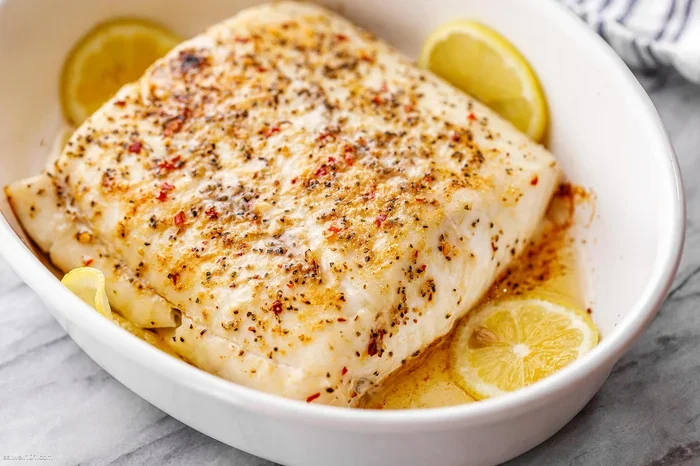
How To Cook Fresh Halibut In The Oven The Easy Way
Learning how to cook fresh halibut in the oven is easier than you think. This guide walks you through every step, from picking the best fillet to pulling a golden, flaky masterpiece out of your oven. Whether you are a beginner or a seasoned home cook, you will find practical tips and a reliable recipe that makes oven-baked halibut a weeknight favorite.
There is something truly special about how to cook fresh halibut in the oven and end up with a restaurant-quality meal at home. Halibut is a mild, meaty white fish that almost everyone loves. It flakes beautifully, absorbs flavors wonderfully, and cooks faster than most people expect.
If you have been avoiding fish because you think it is tricky, this guide is for you. I will show you exactly how to prepare, season, and bake fresh halibut fillets so they come out moist, flaky, and full of flavor every single time. No special equipment needed. No complicated techniques. Just simple steps that deliver big results.
By the time you finish reading, you will feel confident enough to make this dish tonight. Let us get started.
Key Takeaways
- Fresh halibut cooks fast: Most fillets are done in just 12 to 18 minutes at 400°F.
- Simple seasoning goes a long way: Olive oil, lemon, garlic, and herbs create amazing flavor without fuss.
- Pat the fish dry first: This single step gives you a beautifully crispy skin and golden finish.
- Avoid overcooking: Halibut turns dry and chalky when it stays in the oven too long.
- Use a meat thermometer: Internal temperature of 145°F is the safest and most reliable doneness check.
- Oven-baked halibut is healthy and versatile: It pairs well with vegetables, rice, salad, and more.
📑 Table of Contents
- Why Oven-Baked Halibut Is The Best Choice
- How To Pick The Perfect Fresh Halibut
- Essential Ingredients For Flavorful Halibut
- Step-by-Step Oven Halibut Recipe
- Pro Tips For Perfectly Crispy, Juicy Halibut
- Common Mistakes To Avoid When Baking Halibut
- Serving Ideas And Side Dishes For Oven-Baked Halibut
- Health Benefits Of Eating Fresh Halibut
- How To Store Fresh Halibut Safely
- Frequently Asked Questions
- Conclusion
Why Oven-Baked Halibut Is The Best Choice
When you think about cooking fish in the oven, you might picture a dry, bland piece of protein. That does not have to be the case at all. Oven-baked halibut offers a level of convenience and consistency that other methods simply cannot match.
Here are some reasons why the oven is your best friend when making halibut:
- Even cooking: The oven surrounds the fish with consistent heat. No hot spots. No flipping required.
- Hands-off preparation: Once the fish is in the oven, you can prep sides, set the table, or relax.
- Easy cleanup: One sheet pan or baking dish means minimal dishes afterward.
- Scales easily: Baking two fillets or six fillets uses the same method and timing.
- Healthier cooking: You do not need extra oil or butter. A light coating of olive oil works perfectly.
Compared to pan-searing or grilling, oven baking gives you more control over the final result. You can check the fish anytime without disturbing it. And if you are cooking for a family or hosting guests, the oven frees you up to work on other parts of the meal.
Halibut vs. Other White Fish
You might wonder how halibut compares to other popular white fish like cod, tilapia, or sea bass. Here is a quick look at what makes halibut stand out.
| Fish Type | Flavor | Texture | Oven Cook Time |
|---|---|---|---|
| Halibut | Mild, sweet | Meaty, firm | 12-18 min |
| Cod | Mild, slightly sweet | Flaky, tender | 10-14 min |
| Tilapia | Very mild | Delicate, thin | 8-12 min |
| Sea Bass | Buttery, rich | Flaky, moist | 10-15 min |
Halibut has a slightly firmer texture than most white fish, which makes it more forgiving in the oven. It is less likely to fall apart during cooking. This is a big reason why many home cooks prefer it for oven-baked fish recipes.
How To Pick The Perfect Fresh Halibut
The secret to a great dish starts before you ever turn on the oven. Choosing the right fresh halibut makes all the difference in the world. Here is what to look for when buying your fillets.
At The Fish Counter
If you shop at a grocery store or fish market, pay attention to these details:
- Color: Fresh halibut should look pale white to light cream. It should not have a gray or yellowish tint.
- Smell: It should smell clean and ocean-like, not fishy or sour. If it smells strong, walk away.
- Texture: The flesh should feel firm and spring back when you press it gently. It should not feel mushy or sticky.
- Moisture: The surface should be slightly moist but not slimy. A thin layer of natural moisture is fine.
- Skin: If the fillet has skin on, it should look shiny and smooth, not dull or dry.
Buying Online Or In Bulk
More people are ordering fresh halibut online from trusted seafood vendors. This can be a great option if you do not live near a good fish market. Look for vendors that use flash-freezing or overnight shipping with ice packs. When the package arrives, the fish should smell fresh and feel cold to the touch.
Always check the sell-by date if you are buying packaged halibut from the refrigerated section. And when possible, buy fillets that are similar in thickness so they cook evenly.
Essential Ingredients For Flavorful Halibut
One of the best things about baked halibut recipes is how few ingredients you need. The fish is naturally delicious, and a few simple additions can elevate it to something extraordinary. Here is what I always keep on hand.
The Base Ingredients
- Fresh halibut fillets: About 6 ounces per person is a good serving size.
- Olive oil: A light drizzle keeps the fish moist and helps the seasoning stick.
- Lemon: Fresh lemon juice and zest add brightness and cut through any richness.
- Garlic: Minced fresh garlic gives a savory depth that pairs perfectly with halibut.
- Salt and pepper: Simple but essential. Do not skip the salt; it brings out the natural flavor of the fish.
Herbs And Extras For Extra Flavor
Once you have the basics down, you can experiment with different flavor profiles. Here are some popular additions for season halibut in the oven:
- Fresh dill: Classic pairing with fish. It adds a light, herbal freshness.
- Parsley: Adds color and a clean, mild flavor when sprinkled on top.
- Thyme: Earthy and aromatic. Works beautifully with a lemon-butter glaze.
- Paprika: A pinch adds warmth and a subtle smoky sweetness.
- Butter: A small pat on top of each fillet creates a rich, restaurant-style finish.
- Capers: For a briny, tangy punch that complements the mild fish.
You do not need all of these at once. Start with the base ingredients and add one or two extras the next time you make it. Building flavors gradually is the easiest way to find what you love most.
Step-by-Step Oven Halibut Recipe
Now for the part you have been waiting for. Here is a straightforward, tested fresh halibut oven recipe that delivers amazing results every time. Follow these steps closely, and you will have a beautiful dish on the table in under 30 minutes.
Step 1: Preheat Your Oven
Set your oven to 400°F (200°C). This temperature is the sweet spot for cooking halibut in the oven. It is hot enough to create a light golden crust on the outside while keeping the inside tender and moist. While the oven is heating up, prepare your baking sheet.
Line a sheet pan with parchment paper or lightly grease it with olive oil. This prevents sticking and makes cleanup a breeze. If you prefer a deeper dish, a glass baking dish works just as well.
Step 2: Prep The Halibut Fillets
Take your fresh halibut fillets out of the refrigerator about 10 minutes before cooking. Letting them come to room temperature helps them cook more evenly. Pat each fillet thoroughly dry with paper towels. This is the most important step for getting crispy, golden skin.
If your fillets have skin on, leave it on. The skin acts as a protective layer and crisps up beautifully in the oven. If the skin has scales, use a sharp knife to scrape them off gently from the tail end toward the head.
Step 3: Season The Fish
Place the fillets on your prepared baking sheet. Drizzle each one with a small amount of olive oil. Then add your salt, pepper, minced garlic, and a squeeze of fresh lemon juice. If you are using fresh herbs like dill or parsley, sprinkle them on top now.
Do not over-season. Halibut has a delicate flavor, and you want the seasoning to complement it, not overpower it. A little goes a long way.
Step 4: Bake The Halibut
Place the baking sheet in the center of the preheated oven. Set a timer for 12 minutes. Halibut cooking time depends on the thickness of the fillet, so start checking at 10 minutes if your fish is thin.
Here is a general guide for halibut oven temperature and timing:
- Thin fillets (half-inch thick): 10 to 12 minutes
- Standard fillets (three-quarter inch thick): 12 to 15 minutes
- Thick fillets (one inch thick): 15 to 18 minutes
Use a meat thermometer to check for doneness. Insert it into the thickest part of the fillet. When the internal temperature reaches 145°F, the fish is done and safe to eat.
Step 5: Rest And Serve
Remove the baking sheet from the oven and let the halibut rest for 2 to 3 minutes. This allows the juices to redistribute, which makes each bite more flavorful and moist.
Serve your oven-baked halibut with a squeeze of fresh lemon, a drizzle of extra olive oil, or a sprinkle of fresh herbs. Pair it with roasted vegetables, steamed rice, a crisp salad, or crusty bread. The possibilities are endless.
Quick Tips For Perfect Halibut
- Do not crowd the pan: Leave space between fillets so hot air circulates evenly.
- Use the same size fillets: This ensures everything finishes at the same time.
- Add a tablespoon of butter: Place a small pat on top of each fillet right before serving for extra richness.
- Broil for the last 2 minutes: This adds a beautiful golden finish on top.
Pro Tips For Perfectly Crispy, Juicy Halibut
Even with a great recipe, small details can make or break your final result. Here are some pro tips that experienced home cooks and chefs swear by when making halibut in the oven.
Dry The Fish Completely
This tip cannot be stressed enough. Moisture is the enemy of crispiness. When the surface of the fish is wet, it steams instead of roasting, and you end up with a soft, pale finish rather than a golden crust. Always pat your fillets dry with paper towels before seasoning.
Let The Fish Rest Before Cooking
Cold fish going into a hot oven cooks unevenly. The outside can overcook while the center is still cold. Taking the fillets out 10 to 15 minutes before baking helps them reach room temperature, which leads to more even cooking throughout.
Do Not Overcook The Fish
Overcooked halibut is dry, tough, and chalky. It is the number one mistake people make when learning how to cook fresh halibut in the oven. The fish continues to cook from residual heat after you pull it out, so remove it just before it looks fully done. The center should still be slightly translucent and flake easily with a fork.
Experiment With Different Coatings
If you want to try something different, consider a light coating of breadcrumbs, panko, or crushed crackers on top of your halibut before baking. This creates a crunchy crust that adds texture and flavor. Just press the coating gently onto the oiled fish so it sticks during baking.
Another popular option is a lemon butter sauce drizzled over the fish halfway through cooking. Simply melt butter with lemon juice and a touch of garlic, then spoon it over the fillets at the 8-minute mark. The result is rich, tangy, and absolutely delicious.
Common Mistakes To Avoid When Baking Halibut
Even experienced cooks make mistakes sometimes. Here are the most common errors people make when baking fresh halibut in the oven, and how to avoid them.
Using Frozen Halibut Without Thawing
If you must use frozen halibut, thaw it completely in the refrigerator overnight before cooking. Putting frozen or partially frozen fish in the oven leads to uneven cooking. The outside overcooks while the inside is still icy.
Seasoning Too Late
Salt draws moisture out of fish. If you salt the halibut right before putting it in the oven, you create a wet surface that steams instead of roasts. Season your fillets at least 10 to 15 minutes before baking, or right after patting them dry.
Ignoring Thickness Differences
Not all halibut fillets are the same thickness. If you have a mix of thin and thick pieces, the thin ones will be overcooked by the time the thick ones are done. Either cut the thicker pieces down or bake them separately.
Opening The Oven Door Too Often
Every time you open the oven door, the temperature drops. This can throw off your cooking time and lead to uneven results. Trust your timer and thermometer, and only open the door when you need to check the temperature.
Skipping The Resting Time
Cutting into hot halibut right out of the oven releases all the juices onto the cutting board instead of staying in the fish. Give it a few minutes to rest, and you will notice a big difference in moisture and flavor.
Serving Ideas And Side Dishes For Oven-Baked Halibut
Halibut oven recipes pair wonderfully with a wide variety of sides. Here are some ideas to round out your meal.
- Roasted asparagus: Toss asparagus with olive oil, salt, and garlic, then roast on the same sheet pan during the last 10 minutes.
- Garlic butter rice: A fluffy bed of rice soaks up the delicious juices from the fish perfectly.
- Lemon roasted potatoes: Small potatoes roasted with lemon zest and herbs make a hearty, satisfying side.
- Fresh green salad: A light salad with arugula, cherry tomatoes, and a simple vinaigrette balances the richness of the fish.
- Steamed broccoli: Quick, healthy, and full of color on the plate.
- Crusty bread: Perfect for mopping up any remaining sauce or juices from the pan.
For a complete meal, I love serving baked halibut alongside roasted cherry tomatoes and a simple quinoa salad. The colors look beautiful on the plate, and the flavors complement each other perfectly without any fuss.
Meal Prep And Leftovers
Cooked halibut stores well in the refrigerator for up to two days. Keep it in an airtight container. Reheat gently in the oven at 300°F for about 8 to 10 minutes. Avoid microwaving, which can make the fish rubbery and dry.
Leftover halibut works wonderfully in salads, fish tacos, or wrapped in a warm tortilla with some fresh salsa and avocado. It is a great way to enjoy your healthy fish recipe the next day.
Health Benefits Of Eating Fresh Halibut
Fresh halibut is not just delicious, it is also incredibly nutritious. Here are some health benefits that make this fish a great addition to your regular meal rotation.
- High in protein: A single serving provides about 30 grams of lean protein, which supports muscle growth and recovery.
- Rich in omega-3 fatty acids: These healthy fats support heart health, reduce inflammation, and may improve brain function.
- Low in calories: A 6-ounce fillet contains roughly 150 to 200 calories, making it ideal for weight management.
- Good source of vitamins: Halibut provides vitamin B12, selenium, and phosphorus, all of which play important roles in overall health.
- Low in mercury: Compared to some other fish, halibut is relatively low in mercury, making it a safe choice for most people.
Because oven-baked halibut requires minimal added fat, it is one of the healthiest ways to prepare fish. You get all the nutritional benefits without extra calories from frying or heavy sauces.
How To Store Fresh Halibut Safely
Proper storage keeps your fresh halibut safe and delicious. Here is what you need to know.
- In the refrigerator: Store fresh halibut in the coldest part of your fridge and use it within one to two days of purchase.
- In the freezer: Wrap fillets tightly in plastic wrap, then place them in a freezer bag. Frozen halibut keeps well for up to three months.
- After cooking: Store leftovers in an airtight container in the refrigerator. Consume within two days.
- Thawing frozen fish: Always thaw in the refrigerator overnight. Never thaw fish at room temperature on the counter.
Following these storage guidelines ensures that your halibut stays fresh and safe to eat every time you prepare it.
Frequently Asked Questions
Can I bake halibut without skin?
Yes, you absolutely can. Skinless halibut fillets work just as well in the oven. They may cook slightly faster since there is no protective skin layer, so start checking for doneness a couple of minutes early. The result will still be moist and flaky.
What temperature should halibut be when done?
The USDA recommends an internal temperature of 145°F for cooked fish. Use a meat thermometer inserted into the thickest part of the fillet to check. The fish should also flake easily with a fork and appear opaque throughout.
Can I use frozen halibut for this recipe?
Yes, but you must thaw it completely first. Place the frozen fillets in the refrigerator the night before you plan to cook them. Cooking frozen fish directly in the oven leads to uneven results and a much longer cooking time.
How do I know if my halibut has gone bad?
Fresh halibut should smell clean and mild, like the ocean. If it has a strong fishy odor, a slimy texture, or a grayish color, it has likely gone bad and should be discarded. Always check the sell-by date when buying packaged fish.
What is the best way to reheat leftover baked halibut?
The oven is the best method. Reheat at 300°F for about 8 to 10 minutes, or until the fish is warmed through. Avoid microwaving, which can dry out the fish and make it rubbery. A brief splash of olive oil before reheating helps keep it moist.
Can I add vegetables to the same pan as the halibut?
Absolutely. Vegetables like asparagus, zucchini, cherry tomatoes, and bell peppers roast beautifully alongside halibut. Just make sure to cut them into similar-sized pieces so they cook at the same rate. Add vegetables to the pan about 5 to 10 minutes before the fish finishes cooking.
Conclusion
How to cook fresh halibut in the oven does not have to be complicated. With the right temperature, a few simple ingredients, and a little attention to timing, you can create a meal that tastes like it came from a fine restaurant. Halibut is forgiving, versatile, and incredibly rewarding to cook.
Remember to pat your fish dry, season it simply, and keep an eye on the clock. The difference between perfectly moist halibut and dry, overcooked fish often comes down to just a couple of minutes. Trust your senses, use a thermometer, and do not be afraid to experiment with flavors.
Once you master this basic oven-baked halibut method, you will find yourself making it again and again. It is a healthy, delicious, and effortless meal that works for busy weeknights and special occasions alike. So go ahead, grab some fresh halibut, preheat your oven, and enjoy the process. You have got this.