What Temperature Do You Cook Fajitas In The Oven Today
Cooking fajitas in the oven is simple when you know the right temperature. The ideal fajita cooking temperature is 400°F to 450°F, which gives you charred peppers, tender meat, and crispy tortillas every time. Whether you prefer oven-baked chicken fajitas or beef fajitas baking temperature settings, this guide covers everything. You will learn exact times, pro tips, and common errors to avoid. Master your fajita recipe and impress everyone at dinner tonight.
There is nothing quite like a plate of sizzling fajitas pulled straight from the kitchen. The smell of charred peppers, caramelized onions, and seasoned meat fills the whole house. Yet many home cooks wonder about the fajita oven temperature and how to get that perfect result without a grill. The good news is that your oven can deliver amazing oven-baked fajitas with the right settings and a little know-how.
In this guide, I will walk you through everything you need to know about what temperature do you cook fajitas in the oven. From choosing the right heat level to timing your cook perfectly, you will find all the answers here. Whether you are making chicken fajitas oven temp recipes or planning a Tex-Mex dinner for friends, this article has you covered. Let us dive in and make your next fajita night a hit.
Key Takeaways
- Ideal Temperature: Cook fajitas at 400°F to 450°F for the best char and flavor.
- Cooking Time: Most fajitas need 20 to 30 minutes depending on the protein.
- Chicken vs Beef: Chicken fajitas cook faster at 425°F, while beef fajitas do well at 400°F to 450°F.
- Don’t Skip the Broil: A short broil at the end adds that restaurant-style sizzle.
- Use a Meat Thermometer: Internal temp of 165°F for chicken and 135°F to 145°F for beef keeps meat juicy.
- Prep Matters: Slice vegetables evenly and marinate your protein for at least 30 minutes.
- Serve Immediately: Fajitas taste best straight from the oven with warm tortillas and fresh toppings.
📑 Table of Contents
The Best Oven Temperature for Fajitas
The fajita cooking temperature you choose makes a huge difference in the final result. Too low, and your vegetables turn soggy instead of charred. Too high, and your meat dries out before the peppers soften. Finding the sweet spot is the key to restaurant-style fajitas at home.
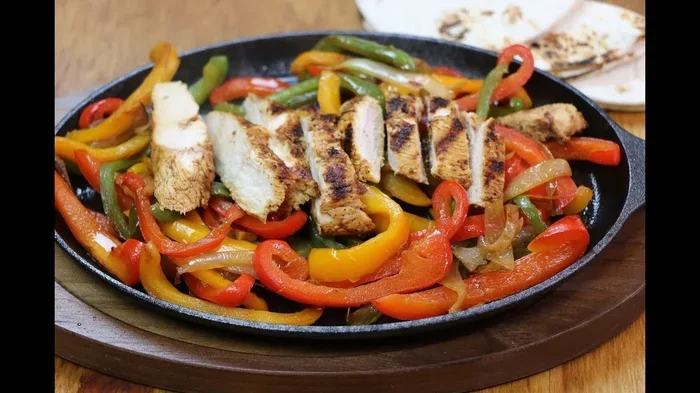
Most experts agree that 400°F to 450°F is the ideal range for cooking fajitas in the oven. At this high heat cooking level, the vegetables get nice grill marks and a slight crunch while the meat stays tender inside. The fajita peppers and onions caramelize beautifully, releasing their natural sweetness.
Why 425°F Is the Sweet Spot
If you want a single number to remember, set your oven to 425°F. This middle ground works well for almost every type of fajita filling. Chicken, beef, shrimp, and mixed vegetables all cook beautifully at this temperature. The even heat distribution ensures nothing burns on the edges while the center cooks through.
At 425°F, a standard sheet pan of fajita ingredients needs about 20 to 25 minutes. You get a nice sear on the vegetables without having to flip them too often. The charred vegetables develop deep flavor that mimics what you would get from a cast iron skillet or an outdoor grill.
Adjusting Temperature for Different Proteins
Not all proteins cook at the same speed. Your fajita recipe may call for different fajita steak temperature settings depending on what you are using. Here is a quick look at how to adjust:
- Chicken: Works great at 425°F. The thinner cuts cook through quickly without drying out.
- Beef (skirt or flank steak): 400°F to 450°F works well. Beef can handle a slightly higher heat.
- Shrimp: Cook at 425°F but reduce time to 10 to 12 minutes to avoid rubbery texture.
- Vegetarian fajitas: 425°F is perfect. Vegetables need less time than meat.
How Long to Cook Fajitas in the Oven
Temperature and time go hand in hand. Knowing how long to cook fajitas in the oven helps you plan your meal and avoid overcooked or undercooked ingredients. The timing varies based on what you are cooking and how thick your slices are.
Chicken Fajitas Timing
Oven-baked chicken fajitas typically need 22 to 28 minutes at 425°F. Slice your chicken breasts or thighs into thin strips about a quarter-inch thick. Thinner pieces cook faster and more evenly. If you use thicker cuts, add a few extra minutes but check the internal temperature.
The chicken is done when it reaches an internal temperature of 165°F. Use a meat thermometer to check the thickest piece. Never rely on color alone, as chicken can look done on the outside but still be undercooked in the center.
Beef Fajitas Timing
Beef fajitas usually take 20 to 30 minutes at 400°F to 450°F. Skirt steak and flank steak are the traditional choices. Both have great flavor but can become tough if overcooked. The key is to not leave them in the oven too long.
For medium-rare beef fajitas, pull them out when the internal temp hits 135°F. For medium, aim for 145°F. Remember that the beef continues to cook slightly after you remove it from the oven. Let it rest for five minutes before slicing against the grain.
Vegetable Cooking Times
Fajita vegetables like bell peppers, onions, and jalapeños cook faster than meat. At 425°F, they need about 15 to 20 minutes. Toss them halfway through for even charring on vegetables. You want them tender but still with a slight bite. Overcooked vegetables turn mushy and lose their vibrant color.
Chicken vs Beef Fajitas: Temperature and Time Comparison
Choosing between chicken fajitas and beef fajitas comes down to personal taste. But the cooking settings differ enough that it helps to have a side-by-side comparison. Use this table to plan your Tex-Mex dinner with confidence.
| Protein | Oven Temp | Cooking Time | Internal Temp | Best Cut |
|---|---|---|---|---|
| Chicken | 425°F | 22-28 min | 165°F | Breast or thigh strips |
| Beef (Skirt) | 400°F-450°F | 20-30 min | 135°F-145°F | Skirt steak, sliced thin |
| Beef (Flank) | 400°F-450°F | 20-30 min | 135°F-145°F | Flank steak, sliced thin |
| Shrimp | 425°F | 10-12 min | 145°F | Large shrimp, peeled |
| Mixed Veggies | 425°F | 15-20 min | N/A | Peppers, onions, jalapeños |
As you can see, the fajita baking temperature is very similar across proteins. The main difference is the cooking time. Chicken needs a bit more time because of its density, while shrimp cooks in a flash. Always adjust your timing based on the thickness of your slices.
Tips for Restaurant-Style Fajitas at Home
Want to recreate that sizzling plate of fajitas you get at your favorite Mexican restaurant? It is easier than you think with a few simple tricks. The oven can absolutely deliver that same sizzling fajitas experience when you know the right technique.
Use a Cast Iron Skillet
If you have a cast iron skillet, use it for oven-baked fajitas. Cast iron holds heat incredibly well and distributes it evenly across the surface. Place your skillet in the oven while it preheats, then add your ingredients. The hot pan gives an immediate sear that mimics a grill or flat-top cooking surface.
This method works wonders for oven-baked chicken and beef alike. The meat gets a crispy exterior while staying juicy inside. Your kitchen will smell incredible when you pull that skillet out.
Marinate for Flavor
A good fajita seasoning blend makes all the difference. Mix chili powder, cumin, paprika, garlic powder, and a squeeze of lime juice with olive oil. Coat your protein and vegetables generously and let them marinate for at least 30 minutes. For deeper flavor, marinate overnight in the fridge.
The fajita seasoning blend not only adds taste but also helps create that slightly smoky, spicy flavor profile. Do not skip this step if you want authentic Mexican grilled vegetables and meat.
High Heat and Quick Cook
The secret to great fajitas is high heat cooking for a shorter period. Do not spread your ingredients out too thin on the pan. You want them to pile up slightly so they steam a bit while the edges char. This creates layers of texture that make each bite exciting.
Also, resist the urge to open the oven door too often. Every time you open it, the temperature drops and your cook time increases. Trust the process and check only once or twice halfway through.
Broil for the Final Sizzle
One of the best oven broil tricks is to finish your fajitas under the broiler for the last two to three minutes. This adds a beautiful char and brings out the fajita peppers and onions flavor even more. Watch them closely during broiling, as it only takes a minute or two for things to go from perfect to burnt.
Switch your oven to broil mode and move the pan to the top rack. The intense top-down heat caramelizes the edges quickly. This step is what separates good homemade fajitas from truly great ones.
Common Mistakes to Avoid
Even experienced cooks make mistakes when preparing fajitas in the oven. Learning from these errors saves time, ingredients, and a lot of frustration. Here are the most common pitfalls and how to avoid them.
Overcrowding the Pan
Tossing everything onto one crowded sheet pan is the fastest way to steamed, soggy fajitas. When ingredients pile on top of each other, they steam instead of roast. The vegetables release moisture that gets trapped, and you lose that beautiful charred vegetables texture.
Use two sheet pans if necessary. Spread ingredients in a single layer with space between each piece. Your fajitas will turn out十倍 better with this simple change.
Skipping the Rest Time
Taking your meat out of the oven and immediately slicing it is a mistake. The juices need time to redistribute throughout the protein. Cutting too soon releases all that moisture onto the cutting board instead of keeping it in the meat.
Let your beef fajitas baking temperature rest for at least five minutes before slicing. For chicken, a three to five minute rest works well. Use this time to warm your flour tortillas and prep your toppings.
Wrong Oven Rack Position
Where you place your pan in the oven matters more than most people realize. Putting it too close to the top can burn the cheese and toppings. Too low, and the bottom of your vegetables stays pale and soft.
For even fajita cooking, place the rack in the center of the oven. This position allows hot air to circulate around the pan evenly. Your ingredients cook consistently from all sides.
Not Using a Meat Thermometer
Guessing whether your chicken or beef is done leads to either dry meat or food safety issues. A simple meat thermometer takes the guesswork out completely. These tools are inexpensive and last for years.
Invest in a good instant-read thermometer. Check the temperature in the thickest part of the meat, away from the bone or pan. This one tool will transform your oven-baked fajitas from hit or miss to consistently perfect.
Expert Tips for Perfect Fajitas Every Time
I have cooked hundreds of batches of fajitas, and a few lessons stand out. These expert insights will help you level up your fajita recipe game and serve the best fajitas your family has ever tasted.
Slice Against the Grain
For beef fajitas, always cut your steak against the grain. This shortens the muscle fibers and makes the meat much more tender. If you slice with the grain, even perfectly cooked beef can be chewy and tough.
Look at the meat closely before cutting. You will see lines running through it. Cut perpendicular to those lines for the most tender result. This applies to both skirt steak and flank steak.
Preheat Your Pan
Whether you use a sheet pan or a cast iron skillet, preheating makes a big difference. A hot pan sears the bottom of your ingredients immediately, locking in moisture and creating those desirable grill marks.
Preheat your oven and pan together for at least 10 minutes before adding food. This extra step takes almost no time but makes a noticeable impact on the final dish.
Add Aromatics at the Right Time
Garlic can burn quickly at high temperatures. Add minced garlic during the last five minutes of cooking for the best flavor. Fresh cilantro and a squeeze of lime juice should go on after cooking, never in the oven.
These small timing adjustments preserve the brightness of fresh ingredients. They add layers of flavor that make your fajitas taste complex and professional.
Serve with Warm Tortillas and Fresh Toppings
No plate of fajitas is complete without warm flour tortillas and a spread of toppings. Heat your tortillas in a dry skillet for 15 to 20 seconds per side. Stack them in a towel to keep them warm while you eat.
Classic fajita toppings include sour cream, guacamole, shredded cheese, salsa, and fresh cilantro. A squeeze of lime juice brightens everything up. Set up a toppings bar so everyone can customize their plate.
Quick Tips Summary
- Preheat your oven to 425°F for the best all-around results.
- Slice all ingredients evenly for consistent cooking.
- Use a cast iron skillet for extra sear and flavor.
- Marinate your protein for at least 30 minutes.
- Do not overcrowd the pan. Use two sheets if needed.
- Check internal temperatures with a meat thermometer.
- Finish with a quick oven broil for added char.
- Let meat rest before slicing to keep it juicy.
- Serve immediately with warm tortillas and fresh toppings.
Conclusion
Now you know exactly what temperature do you cook fajitas in the oven. The answer is straightforward: 400°F to 450°F, with 425°F being the best all-around choice. Whether you prefer chicken fajitas oven temp settings or are planning beef fajitas baking temperature adjustments, this guide gives you everything you need.
Remember that timing, pan choice, and proper rest time all contribute to the final result. Avoid the common mistakes like overcrowding the pan or skipping the meat thermometer. With a little practice, you will serve restaurant-style fajitas that rival any Mexican restaurant.
So fire up your oven, grab your fajita seasoning blend, and get cooking tonight. Your family and friends will thank you. Oven-baked fajitas are a crowd-pleaser that never gets old, and now you have the skills to make them perfectly every single time. Enjoy your Tex-Mex dinner and savor every bite!
Frequently Asked Questions
Can I cook fajitas at 350°F instead of 400°F or higher?
You can cook fajitas at 350°F, but the results will be different. The vegetables will not char as much, and the meat may release more moisture. If you must use 350°F, increase the cooking time by about 10 minutes and use a higher rack position. However, for the best flavor and texture, stick with 400°F to 450°F for your fajita cooking temperature.
How do I know when my chicken fajitas are done?
The most reliable way is to use a meat thermometer. Insert it into the thickest piece of chicken. When the internal temperature reaches 165°F, your chicken is safe to eat. The chicken should also look white throughout with no pink remaining. Let it rest for a few minutes before serving.
Do I need to flip my fajitas while they cook in the oven?
Flipping is not strictly necessary but recommended. Give your pan a gentle shake or use tongs to flip the vegetables halfway through cooking. This ensures even charring on vegetables and prevents one side from burning. For meat, flipping once at the midpoint helps it cook more evenly.
Can I use frozen meat for oven-baked fajitas?
It is best to thaw your meat before cooking for even results. Frozen meat can cook unevenly, with the outside overcooking while the center stays frozen. If you must use frozen, increase the cooking time by about 10 to 15 minutes and check the internal temperature carefully. Thawing in the fridge overnight is the safest method.
What is the best way to reheat leftover fajitas?
Reheat leftover fajitas in a cast iron skillet over medium-high heat for two to three minutes. This restores the crispness of the vegetables and keeps the meat from drying out. Avoid microwaving, as it makes the tortillas soggy and the vegetables limp. A quick oven broil for one minute also works well.
Can I make fajitas entirely on a sheet pan without a skillet?
Absolutely. A lined sheet pan works great for oven-baked fajitas. Use parchment paper or aluminum foil for easy cleanup. Spread your ingredients in a single layer and follow the same temperature and timing guidelines. The results will be slightly less seared than with a cast iron skillet, but still delicious and much easier to clean up.
=== CONCLUSION ===
What temperature do you cook fajitas in the oven is a question with a clear and simple answer: 400°F to 450°F, with 425°F as your go-to setting. You now have all the tools to create sizzling fajitas that will impress everyone at your table. From timing your chicken fajitas oven temp perfectly to getting a beautiful char on your fajita peppers and onions, this guide covers every detail.
Remember the key points: use a meat thermometer, do not overcrowd your pan, marinate your protein, and finish with a quick broil for that restaurant-quality sizzle. Avoid common mistakes like skipping the rest time or using the wrong oven rack. With these tips, your Tex-Mex dinner will be a regular hit at home.
Now it is your turn. Grab your ingredients, preheat the oven, and put these fajita recipe tips into action. You will be amazed at how easy and delicious homemade oven-baked fajitas can be. Enjoy the process, savor the flavors, and share the joy of great food with the people you love.