What Temp To Cook Halibut In The Oven For Best Results
Cooking halibut in the oven is simple when you know the right temperature and time. The best temp to cook halibut in the oven is 400°F to 425°F, which gives you a golden, flaky result every time. Whether you bake halibut fillets, use foil, or add herbs, the right oven heat makes all the difference. This guide covers temperatures, cooking times, and pro tips for perfect oven-baked halibut. You will learn how to avoid dry fish and serve a delicious halibut dinner with confidence.
This is a comprehensive guide about What Temp To Cook Halibut In The Oven.
Key Takeaways
- Best Oven Temp: 400°F to 425°F is the ideal range for baking halibut fillets evenly.
- Internal Temperature: Cook halibut to 145°F internally for safe, flaky fish.
- Cooking Time: A 1-inch thick fillet takes about 12 to 15 minutes at 425°F.
- Foil vs. No Foil: Foil keeps moisture in; no foil gives a crispier top.
- Seasoning Matters: Simple herbs, lemon, and olive oil bring out the best flavor.
- Avoid Overcooking: Halibut dries out fast, so watch it closely and use a meat thermometer.
[FEATURED_IMAGE_PLACEHOLDER]
What Temp To Cook Halibut In The Oven
Baking halibut in the oven is one of the easiest ways to prepare a healthy, delicious meal. But the temp to cook halibut in the oven can make or break your dish. Too hot and the fish dries out. Too low and it takes forever to cook through. This guide walks you through everything you need to know about oven-baked halibut, from the best temperature to cooking times and expert tips.
Halibut is a mild, white fish that many people love. It is thick, meaty, and holds up well in the oven. You can pair it with vegetables, herbs, or a simple sauce. The key is getting the halibut cooking temperature just right. Once you nail that, you will have perfect fish every single time.
In this article, we cover the ideal best temperature for halibut, how long to bake it, and common mistakes to avoid. We also share practical tips and easy recipes you can try tonight. Whether you are a beginner or a seasoned home cook, this guide will help you serve a great halibut dinner with confidence.
Why Temperature Matters When Baking Halibut
Getting the temperature right is the single most important factor in cooking halibut. This white fish recipe may seem simple, but halibut is delicate. It can go from perfectly cooked to overcooked in just a few minutes. Here is why temperature control matters so much.
Halibut Dries Out Quickly
Unlike fattier fish like salmon, halibut has very little fat. That means it lacks the natural moisture that keeps fish juicy. When you expose it to too much heat for too long, the protein fibers tighten and squeeze out moisture. The result is a dry, tough piece of fish that nobody wants to eat.
By keeping the oven temperature for fish in the right range, you gently cook the halibut without stripping it of its natural juices. A moderate oven setting lets the inside cook evenly while the outside turns a light golden color.
Food Safety Is Also a Factor
The FDA recommends cooking fish to an internal temp for halibut of 145°F. At this temperature, harmful bacteria are destroyed, and the fish flakes easily with a fork. Undercooking fish can pose health risks, so always use a meat thermometer to check.
But there is a balance. Overcooking to 160°F or beyond will make the fish rubbery and chalky. The sweet spot is between 145°F and 150°F internally. This is where halibut fish tastes its best — moist, tender, and full of flavor.
Best Oven Temperature for Halibut
The most common and reliable temp to cook halibut in the oven falls between 400°F and 425°F. This range works for almost every halibut recipe. Let us break down the options so you can choose what works best for your situation.
| Oven Temp | Cooking Time (1-inch fillet) | Result |
|---|---|---|
| 400°F | 15 to 18 minutes | Gentle, even cook; moist interior |
| 425°F | 12 to 15 minutes | Golden top, flaky inside |
| 375°F | 18 to 22 minutes | Slow bake; best for thick fillets |
| 350°F | 20 to 25 minutes | Very gentle; good for stuffed halibut |
For most home cooks, 425°F is the go-to halibut cooking temperature. It is hot enough to create a beautiful sear on the outside but not so hot that it burns. A fillet at this temperature comes out golden on top and perfectly flaky inside.
If you are using a thicker cut — say, a 2-inch steak — drop the temperature to 400°F and cook it a bit longer. This prevents the outside from burning before the center is done. Cooking fish in oven at a steady, moderate heat always gives the best results.
Quick Tips for Setting Your Oven
- Preheat your oven. Always let it reach the target temperature before putting the fish in. This ensures even cooking from the start.
- Use the center rack. It allows hot air to circulate around the fillet evenly.
- Avoid opening the door too often. Every time you open it, the temperature drops, which can lead to uneven cooking.
- Use an oven thermometer. Many ovens run hot or cold. A cheap oven thermometer helps you know the real temperature inside.
How Long to Cook Halibut in the Oven
Temperature and time go hand in hand. Even at the perfect temp to cook halibut in the oven, timing matters just as much. A fillet that is too thin or too thick will need different cook times. Here is how to figure out the right timing for your halibut.
Thin Fillets (Half-Inch Thick)
Thin halibut fillets cook fast. At 425°F, a half-inch fillet needs only 8 to 10 minutes. Watch it closely during the last few minutes. Thin fish can go from underdone to overdone in a flash.
Standard Fillets (One-Inch Thick)
A standard 1-inch fillet is the most common size you will find at the grocery store. At 400°F to 425°F, it takes about 12 to 15 minutes. This is the sweet spot for most halibut recipes. The fish should be opaque all the way through and flake easily when pressed with a fork.
Thick Steaks (Two Inches or More)
Thick halibut steaks need more time and a slightly lower temperature. Try 400°F for 18 to 22 minutes. You can also finish them under the broiler for a few minutes to get a nice crispy top. Just be careful — the broiler is very intense and can burn the fish quickly.
How to Tell When Halibut Is Done
Do not rely on time alone. Use these methods to check if your oven-baked halibut is ready:
- Use a meat thermometer. Insert it into the thickest part of the fillet. 145°F is the target.
- Check for flaking. Gently press the top of the fish with a fork. If it flakes apart easily, it is done.
- Look at the color. Raw halibut is translucent. Cooked halibut is opaque white throughout.
- Feel the texture. The fish should feel firm but still have a slight give. If it feels mushy, it needs more time. If it feels very hard, it is overcooked.
Easy Oven-Baked Halibut Recipes
Now that you know the temp to cook halibut in the oven, let us put that knowledge to work. Here are two simple halibut recipes you can try tonight.
Classic Herb-Crusted Halibut
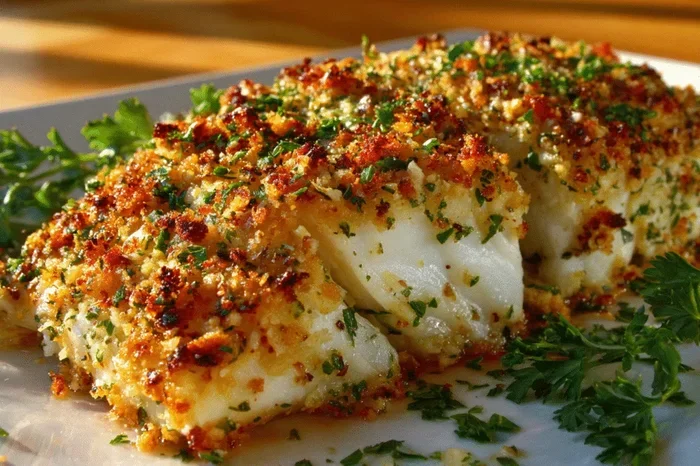
This recipe is foolproof and full of flavor. It works perfectly at 425°F.
- Preheat oven to 425°F.
- Place halibut fillets on a parchment-lined baking sheet.
- Drizzle with olive oil and season with salt, pepper, garlic powder, and dried dill.
- Top with a thin layer of breadcrumbs mixed with grated Parmesan.
- Bake for 12 to 15 minutes until the top is golden and the fish flakes easily.
- Serve with lemon wedges and roasted vegetables.
Lemon Butter Halibut with Vegetables
This one-pan meal is a weeknight favorite. The halibut season really shines here with bright lemon and butter.
- Preheat oven to 400°F.
- Arrange sliced zucchini, cherry tomatoes, and red onion on a baking sheet.
- Place halibut fillets on top of the vegetables.
- Drizzle with melted butter, lemon juice, and a sprinkle of fresh parsley.
- Bake for 15 to 18 minutes. Check that the internal temp for halibut reaches 145°F.
- Serve directly from the pan for easy cleanup.
Foil-Baked Halibut vs. No Foil
A common debate when baking halibut fillet is whether to use foil. Both methods work, but they produce different results. Let us compare.
Foil-Baked Halibut
Wrapping halibut in foil creates a sealed environment. Steam builds up around the fish, keeping it very moist. This method is great for thicker fillets or if you are adding sauce or vegetables inside the packet.
Pros:
- Retains moisture extremely well
- Easy cleanup — no baked-on fish stuck to the pan
- Great for flavor-packed packets with herbs and aromatics
Cons:
- No crispy or browned exterior
- Can make the bottom of the fish soggy
- Takes a few extra minutes to cook
No-Foil Halibut
Baking halibut directly on a parchment-lined sheet pan gives you a beautifully browned top. The exposed surface allows moisture to escape, which creates a slightly crisp exterior while keeping the inside tender.
Pros:
- Golden, appealing crust on top
- Faster cooking time
- Better texture contrast between crust and interior
Cons:
- Can dry out if you cook too long
- Requires closer monitoring
- May stick if not lined properly
For the best of both worlds, try foil-baked halibut for the first half of cooking, then remove the foil for the last 3 to 5 minutes. This gives you moisture and a golden finish.
Common Mistakes When Cooking Halibut in the Oven
Even experienced cooks make mistakes with halibut in the oven. Here are the most common ones and how to avoid them.
Overcooking the Fish
This is the number one mistake. Halibut has very little fat, which means it has very little buffer against overcooking. Once it passes 150°F internally, it starts to lose moisture rapidly. Set a timer, check early, and pull the fish out as soon as it reaches 145°F. It will continue to cook slightly from residual heat.
Skipping the Preheat
Putting halibut into a cold oven leads to uneven cooking. The outside may cook too fast while the inside stays raw. Always preheat your oven and wait for it to reach the target temp to cook halibut in the oven before sliding the pan in.
Using the Wrong Pan
A dark, nonstick pan absorbs more heat and can burn the bottom of your fish. Use a light-colored baking sheet or glass dish. Parchment paper or a light coat of oil also helps prevent sticking without adding too much grease.
Not Bringing the Fish to Room Temperature
Cold fish straight from the fridge cooks unevenly. The outside may be done while the center is still cold. Take your halibut fillet out of the fridge 15 to 20 minutes before baking. This small step makes a big difference in even cooking.
Expert Tips for Perfect Oven-Baked Halibut
Want to take your halibut dinner to the next level? These expert insights will help you get restaurant-quality results at home.
Brine for Extra Moisture
Soaking halibut in a saltwater brine for 15 to 30 minutes before cooking adds moisture and seasons the fish from within. Use 1 tablespoon of salt per cup of cold water. This simple step makes a noticeable difference in texture.
Add Acid at the End
A squeeze of fresh lemon juice or a splash of white wine vinegar right after baking brightens the flavor. Acid cuts through the richness of butter or oil and makes the fish taste more vibrant.
Let It Rest
Just like steak, halibut benefits from a short rest after baking. Let it sit for 2 to 3 minutes before serving. This allows the juices to redistribute, making every bite more flavorful and moist.
Paired Side Dishes
Halibut pairs well with many sides. Try roasted asparagus, garlic mashed potatoes, quinoa salad, or a fresh cucumber tomato salad. A light white fish recipe like halibut shines when the sides complement without overpowering.
Key Takeaways
- Best Oven Temp: 400°F to 425°F is the ideal range for baking halibut fillets evenly.
- Internal Temperature: Cook halibut to 145°F internally for safe, flaky fish.
- Cooking Time: A 1-inch thick fillet takes about 12 to 15 minutes at 425°F.
- Foil vs. No Foil: Foil keeps moisture in; no foil gives a crispier top.
- Seasoning Matters: Simple herbs, lemon, and olive oil bring out the best flavor.
- Avoid Overcooking: Halibut dries out fast, so watch it closely and use a meat thermometer.
Conclusion
Getting the temp to cook halibut in the oven right is the foundation of a perfect halibut meal. Stick to 400°F to 425°F, use a meat thermometer, and pull the fish out at 145°F internally. These simple steps will give you moist, flaky, flavorful halibut every time you cook.
Remember that oven-baked halibut is forgiving once you understand the basics. Preheat your oven, bring the fish to room temperature, and keep an eye on the clock. With the tips and recipes in this guide, you will serve a standout halibut dinner that your whole family will love.
Now that you know the best halibut cooking temperature and how long to bake it, it is time to head to the kitchen. Pick up a fresh fillet, preheat your oven, and enjoy the simple pleasure of perfectly cooked halibut fish tonight.
Can I cook halibut at 350°F?
Yes, you can. A lower temperature like 350°F works well for stuffed halibut or very thick cuts that need a slow, gentle cook. It will take longer, usually 20 to 25 minutes for a standard fillet. Just make sure the internal temp for halibut reaches 145°F before serving.
Should I cover halibut with foil when baking?
It depends on what you want. Foil keeps the fish moist and is great for thick fillets. But if you prefer a crispy top, skip the foil. For the best of both worlds, cover with foil for the first half of cooking and remove it for the last few minutes.
How do I know if halibut is overcooked?
Overcooked halibut looks dry, chalky white, and feels very firm or hard. It will flake apart in a mushy way rather than in clean, moist flakes. Always use a meat thermometer and pull the fish out at 145°F to avoid this.
Can I bake frozen halibut in the oven?
Yes, you can. Increase the cooking time by about 50 percent and bake at 400°F. Make sure the internal temp for halibut reaches 145°F throughout. For best results, thaw the fish overnight in the fridge before baking.
What is the best way to season halibut for the oven?
Simple seasonings work best for halibut. Olive oil, salt, pepper, garlic, lemon, and fresh herbs like dill or parsley are all excellent choices. You can also add a light breadcrumb topping for extra crunch. Keep it light so the natural flavor of the fish shines through.
How long does leftover baked halibut keep?
Cooked halibut stays fresh in the fridge for 2 to 3 days when stored in an airtight container. Reheat gently in the oven at 300°F for 10 minutes to keep it from drying out. Avoid microwaving, which can make the fish rubbery.
Frequently Asked Questions
What is What Temp To Cook Halibut In The Oven?
What Temp To Cook Halibut In The Oven is an important topic with many practical applications.