Can You Put Baking Paper Out in the Oven Without Worry
Yes, you can put baking paper in the oven — it is designed to handle heat and make your baking life easier. Baking paper in oven setups is safe up to certain temperatures, usually around 220°C to 230°C. This guide covers everything you need to know about using baking paper in the oven without worry. You will learn about safe temperatures, benefits, and common mistakes to avoid. Read on for simple tips that will improve your baking results.
Have you ever wondered if it is safe to use baking paper in oven setups? You are not alone. Many home bakers ask this question every day. The good news is that baking paper in oven use is perfectly safe — as long as you follow a few simple rules.
Baking paper is a kitchen staple for a reason. It keeps your trays clean, prevents sticking, and makes cleanup a breeze. But knowing the limits of your baking paper is just as important as using it. In this guide, we will walk you through everything you need to know. From safe temperatures to helpful tips, you will find all the answers here.
Let us start with the basics. Baking paper is a cellulose-based paper that is treated to be heat resistant and non-stick. It is also called parchment paper in some regions. You can line cake pans, cookie sheets, and bread loaves with it. It creates a smooth surface that releases food easily. This means less sticking and fewer ruined bakes.
The short answer to the question can you put baking paper out in the oven is yes. But there are important details you need to understand. Not all paper is oven safe. Not all temperatures are safe either. Let us break it all down for you in the sections ahead.
Key Takeaways
- Baking paper is oven safe: It can handle moderate heat and is a great liner for trays and pans.
- Check the temperature limit: Most baking paper can withstand up to 220°C to 230°C. Going beyond this can cause burning.
- Do not let it touch open flames or heating elements: Direct contact with hot coils or flames is a fire risk.
- Baking paper vs wax paper matters: Wax paper is not oven safe, but baking paper is. Know the difference.
- Reusable silicone mats are an alternative: They last longer and work well for high-heat baking.
- Greasing is not always needed: Baking paper provides a natural non-stick surface for cookies and pastries.
- Follow simple safety tips: Trim excess paper, avoid overlapping, and keep an eye on your bake.
📑 Table of Contents
- What Is Baking Paper and Why Is It Oven Safe?
- Safe Temperatures for Baking Paper in the Oven
- Benefits of Using Baking Paper in the Oven
- Baking Paper vs Wax Paper: What Is the Difference?
- Common Mistakes When Using Baking Paper in the Oven
- Tips for Using Baking Paper in the Oven Like a Pro
- Is Baking Paper Safe for All Types of Baking?
- Frequently Asked Questions
- Conclusion
What Is Baking Paper and Why Is It Oven Safe?
Baking paper is made from plant fibers. It goes through a special process that makes it dense, smooth, and resistant to moisture and heat. This process gives it the ability to handle oven heat without falling apart or releasing harmful chemicals. That is why baking paper in oven use is so common and trusted.
Unlike regular paper, baking paper is treated during manufacturing. The treatment creates a non-stick surface on both sides. It also adds heat resistance. Most quality baking paper brands can handle temperatures between 220°C and 230°C. Some premium options can go even higher.
The silicone coating on baking paper plays a big role. Silicone is a heat-resistant material. It does not melt or release toxins at normal baking temperatures. This is what makes baking paper in oven use so reliable. You can trust it to line your trays and pans without any worries.
How Baking Paper Is Made
The production of baking paper involves several steps. First, wood pulp or vegetable fibers are processed into a thin sheet. Then the sheet is treated with sulfuric acid or zinc chloride. This treatment gives the paper its dense, smooth texture. Finally, a silicone coating is applied to make it non-stick and heat resistant.
This process is what sets baking paper apart from regular paper or wax paper. Regular paper will burn in the oven. Wax paper will melt and smoke. But baking paper holds up well under heat. That is why it is the go-to choice for baking paper in oven applications.
Is All Baking Paper the Same?
No, not all baking paper is created equal. There are different grades and thicknesses available. Some are designed for general baking. Others are made for high-heat cooking. Here is a quick look at the types you might find:
- Standard baking paper: Good for most home baking up to 220°C.
- Heavy-duty baking paper: Thicker and more durable. Handles higher temperatures better.
- Pre-cut baking sheets: Convenient and sized to fit common trays.
- Reusable silicone baking mats: Not paper, but a popular alternative to single-use baking paper.
When shopping for baking paper, always check the packaging. Look for the maximum temperature rating. This tells you exactly how hot your oven can be when using the paper. Choosing the right type of baking paper makes a big difference in safety and performance.
Safe Temperatures for Baking Paper in the Oven
Temperature is the most important factor when using baking paper in oven cooking. Most standard baking paper can handle up to 220°C (428°F). Some brands can go up to 230°C (446°F). Always check the label on your specific baking paper to confirm the limit.
Going above the recommended temperature can cause the paper to brown, scorch, or even catch fire. This is not common at normal baking temperatures. But if you are roasting at very high heat or using a broiler, the risk increases. Baking paper in oven use at extreme temperatures is not recommended.
Temperature Guide for Baking Paper
Here is a simple temperature guide to help you use baking paper safely:
- Up to 180°C (356°F): Completely safe. Ideal for most cakes, cookies, and breads.
- 180°C to 220°C (356°F to 428°F): Still safe for most baking paper brands. Great for roasting vegetables and pastries.
- Above 230°C (446°F): Not recommended. The paper may scorch, smoke, or ignite.
- Broiler settings: Avoid using baking paper under a broiler. The direct top heat can ignite the paper quickly.
Remember, every oven is different. Some ovens have hot spots. These can cause uneven heating on your baking paper. If you notice the paper turning brown before your food is done, it is a sign to check the temperature. You might also want to reduce the heat slightly.
What Happens When Baking Paper Gets Too Hot?
If baking paper exceeds its heat limit, several things can happen. The paper may turn brown or yellow. It might curl at the edges. In worse cases, it can smoke or catch fire. This is why knowing the temperature limit of your baking paper is so important.
Most of the time, slightly overcooked baking paper will just turn brown. It will not harm your food. But if it starts to smoke or flame up, you need to act fast. Turn off the oven and keep the door closed. The lack of oxygen will usually extinguish the flame.
Benefits of Using Baking Paper in the Oven
There are many reasons why bakers love to use baking paper in oven setups. It is not just about convenience. Baking paper actually improves your baking results in several ways. Let us look at the top benefits.
1. Prevents Sticking
The non-stick surface of baking paper means your food releases easily. Cookies slide off the tray. Cakes lift out of the pan without sticking. This saves you time and frustration. You do not need to grease your trays as much when using baking paper.
2. Makes Cleanup Easier
Nobody likes scrubbing baked-on grime from a tray. Baking paper catches drips and crumbs. When you are done baking, you simply lift off the paper and throw it away. Your tray stays clean. This is one of the biggest reasons people reach for baking paper in oven every time they bake.
3. Promotes Even Baking
Baking paper creates a thin barrier between your food and the tray. This helps heat distribute more evenly. Your cookies bake at the same rate on all sides. Your pastries get a uniform golden color. This small change can make a big difference in your results.
4. Reduces the Need for Oil or Grease
Because baking paper is naturally non-stick, you can skip the extra oil or butter. This makes your baked goods a bit lighter and healthier. It also means less mess on your countertop. A simple sheet of baking paper can replace greasing, spraying, or flouring your trays.
5. Safe for Food Contact
Quality baking paper is food safe. It does not release harmful chemicals when heated. It is made from materials that are approved for contact with food. You can place baking paper directly under your cookies, bread, or roasted vegetables without any concern.
Baking Paper vs Wax Paper: What Is the Difference?
This is one of the most common questions about baking paper in oven use. Many people confuse baking paper with wax paper. They look similar, but they are very different. Knowing the difference can save you from a kitchen disaster.
Baking paper is treated with silicone. It is heat resistant and safe for oven use. Wax paper is coated with wax, usually paraffin or soybean-based. Wax melts at low temperatures. It can smoke, stick to your food, or even catch fire in the oven.
Here is a simple comparison to make things clear:
- Baking paper: Silicone coated. Oven safe up to 220°C to 230°C. Non-stick. Heat resistant.
- Wax paper: Wax coated. Not oven safe. Melts and can smoke in heat. Use only for cold storage or room-temperature tasks.
Never use wax paper in the oven. Always reach for baking paper when you need to line a tray for oven use. The two are not interchangeable. This is a simple rule that can prevent accidents and ruined food.
Common Mistakes When Using Baking Paper in the Oven
Even though baking paper in oven use is simple, mistakes can happen. Here are the most common errors and how to avoid them.
Mistake 1: Letting the Paper Touch the Oven Walls or Heating Elements
This is the most dangerous mistake. If baking paper touches the oven walls or heating elements, it can catch fire. The paper is not fireproof. It is only heat resistant up to a certain temperature. A direct flame or intense heat source can ignite it quickly.
Always make sure your baking paper fits inside the tray. Do not let it hang over the edges where it can touch the hot oven walls. Trim any excess paper before placing the tray inside.
Mistake 2: Using Baking Paper at Too High a Temperature
Every baking paper has a temperature limit. Exceeding that limit is risky. Check the packaging for the maximum temperature. Do not assume all baking paper can handle the same heat. Using it above the rated temperature can cause burning, smoking, or fire.
Mistake 3: Overlapping Multiple Layers
Some people stack multiple sheets of baking paper for extra protection. This is usually fine. But overlapping edges can create pockets where heat gets trapped. These hot spots can cause the paper to brown or scorch faster than expected.
Mistake 4: Reusing Burnt Baking Paper
Once baking paper is charred or burnt, do not reuse it. It may not be as heat resistant. It can also affect the taste of your food. Always use fresh baking paper for each bake. This is a simple habit that keeps your food safe and tasting great.
Mistake 5: Confusing Baking Paper with Other Papers
Not all paper is safe in the oven. Brown paper bags, newspaper, and regular printing paper should never go in the oven. Only use paper that is specifically labeled as baking paper or parchment paper. This is the only type designed for oven use.
Tips for Using Baking Paper in the Oven Like a Pro
Want to get the most out of your baking paper in oven routine? Here are some expert tips that will help you bake smarter and safer.
1. Trim the Paper to Fit
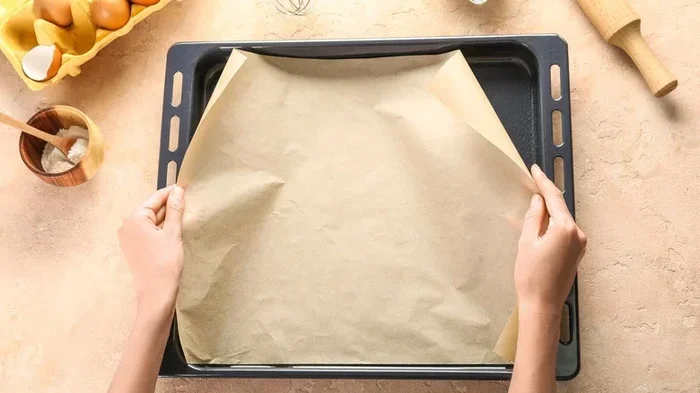
Always cut your baking paper to fit your tray or pan. Leave a small gap between the paper edges and the oven walls. This prevents the paper from catching on the hot surfaces. A well-fitted sheet of baking paper also lies flat and bakes more evenly.
2. Grease the Paper for Extra Security
Even though baking paper is non-stick, a light spray of oil or a thin layer of butter can help. This is especially useful for sticky foods like caramel or toffee. The grease adds an extra layer of protection against sticking.
3. Use Parchment Paper for High-Heat Roasting
If you are roasting vegetables or meat at high temperatures, baking paper works great. It prevents sticking and makes cleanup easy. Just remember to keep the temperature within the safe range for your baking paper.
4. Store Baking Paper Properly
Keep your baking paper in a cool, dry place. Moisture can weaken the paper over time. Store it in a drawer or a sealed container. Proper storage ensures your baking paper stays strong and heat resistant for longer.
5. Consider Reusable Silicone Mats
If you use baking paper frequently, you might want to invest in a reusable silicone baking mat. These mats can handle high heat and last for hundreds of uses. They are a great eco-friendly alternative to single-use baking paper. Many bakers keep both on hand for different tasks.
Is Baking Paper Safe for All Types of Baking?
For the most part, baking paper in oven use is safe across all types of baking. Cakes, cookies, bread, pastries, and roasted vegetables all work well with baking paper liners. The paper provides a non-stick surface that works in almost every baking scenario.
However, there are a few situations where you should be cautious. Very high-heat cooking like broiling or pizza baking at extreme temperatures may not be ideal for baking paper. In those cases, a silicone mat or a well-greased tray might be a better option.
Also, avoid using baking paper in a toaster oven at very high settings. Toaster ovens have smaller cavities and the paper can heat up faster. Always monitor your baking paper closely when using it in a toaster oven.
Microwaves are a different story. Baking paper is generally safe in the microwave for short periods. It can be used to cover dishes or line microwave-safe trays. But prolonged microwave use with baking paper is not recommended. The paper can dry out and become brittle.
Frequently Asked Questions
Can baking paper catch fire in the oven?
Yes, but only under certain conditions. Baking paper can catch fire if it touches a direct heat source like an oven element or if it is exposed to temperatures above its limit. Keeping the paper within the tray and staying within the recommended temperature range greatly reduces this risk.
What temperature can baking paper handle?
Most baking paper can handle temperatures up to 220°C to 230°C (428°F to 446°F). Always check the packaging for the exact temperature rating of your specific brand. Going above the limit can cause the paper to scorch or ignite.
Can you reuse baking paper after it has been in the oven?
It depends on the condition of the paper. If the baking paper is still white and has not burned or turned brown, you can reuse it once or twice. However, if it is charred or greasy, it is best to throw it away and use a fresh sheet for your next bake.
Is baking paper the same as parchment paper?
Yes, baking paper and parchment paper are the same thing. Different countries and brands use different names. In the US, it is often called parchment paper. In the UK, Australia, and other regions, it is commonly referred to as baking paper. Both terms describe the same silicone-coated, oven-safe paper.
Can you put baking paper directly on the oven rack?
It is not recommended. Placing baking paper directly on the oven rack can cause it to touch the heating elements. This creates a fire hazard. Always use baking paper on top of a baking tray or inside a pan. This keeps it away from direct heat sources.
Is baking paper better than greasing a tray?
For most bakers, baking paper is more convenient and reliable than greasing. It provides a consistent non-stick surface without the mess of butter or oil. It also saves time during cleanup. However, greasing can still be useful for certain recipes that require a very thin layer of fat for browning.
Conclusion
Using baking paper in oven setups is safe, easy, and incredibly helpful for any baker. As long as you stay within the recommended temperature range and keep the paper away from direct heat sources, you can bake with confidence. Baking paper makes your life simpler, your cleanup faster, and your results more consistent.
Remember the key points from this guide. Check the temperature limit on your baking paper before every bake. Trim the paper to fit your tray properly. Never let it touch oven walls or heating elements. And always use baking paper, not wax paper, for oven tasks.
With these tips in mind, you can enjoy worry-free baking every time. Baking paper in oven use does not have to be stressful. Follow the guidelines, trust the process, and focus on creating delicious treats. Happy baking!