How Long To Cook Whole Chicken In Oven At 425 Degrees
Learning how long to cook whole chicken in oven at 425 degrees is simple when you know the right time and temperature. A whole chicken roasts perfectly at 425°F, giving you crispy skin and juicy meat every time. Generally, you will need about 1 hour to 1 hour and 20 minutes depending on the size of your bird. This guide will walk you through the exact times, temperatures, and tips for the best roast.
Key Takeaways
- Perfect Temperature: 425°F is the ideal heat for crispy skin and juicy chicken.
- General Rule: Plan for about 20 minutes per pound when cooking at this high heat.
- Internal Temp is Key: Always cook your chicken to 165°F in the thickest part of the thigh.
- Resting Matters: Let the chicken rest for 10 to 15 minutes before cutting to keep juices inside.
- Use a Meat Thermometer: This is the only way to be sure your chicken is fully cooked and safe to eat.
📑 Table of Contents
- Why 425 Degrees Is the Perfect Temp for Chicken
- How Long To Cook Whole Chicken In Oven At 425
- Step-by-Step Guide to Roasting Your Chicken
- Checking for Doneness: The Most Important Step
- Common Mistakes to Avoid When Roasting Chicken
- Expert Tips for the Ultimate Oven Roasted Chicken
- Chicken Weight vs. Cooking Time Comparison
- Conclusion
Why 425 Degrees Is the Perfect Temp for Chicken
Roasting a whole bird is one of the most satisfying things you can do in the kitchen. It fills your home with the most amazing smells. Your family will love gathering around the table for a warm, delicious meal. But one question always comes up before you start cooking. How long to cook whole chicken in oven at 425 is the number one search for home cooks everywhere. The answer depends on a few simple factors. Once you understand these factors, you will be able to roast a perfect chicken every single time. It is not as hard as it seems. You just need the right time, temperature, and a little bit of patience.
Cooking at 425 degrees Fahrenheit is the best way to get crispy skin and juicy meat. This high heat creates a beautiful golden brown crust. It also cooks the chicken faster than lower temperatures. You will have a gorgeous roast on the table in just a couple of hours. Whether you are cooking for a family dinner or a holiday feast, this method works perfectly. It is reliable, easy, and always turns out great. You do not need to be an experienced cook to pull this off. With this guide, you will feel confident in the kitchen. You will learn exactly how long to cook whole chicken in oven at 425 degrees. We will cover times, temperatures, and the best tips for success.
When you choose 425 degrees, you are picking the sweet spot for roasting poultry. Lower temperatures take too long and can leave the skin pale and soft. Higher temperatures might burn the outside before the inside is done. But 425 degrees gives you just the right amount of heat. The hot air moves quickly around the chicken. This constant flow of hot air is what makes the skin so crispy. It also helps render the fat underneath the skin. As the fat melts, it bastes the meat from the inside. This is the secret to incredibly juicy chicken. You get a perfect balance of crunch and tenderness. Once you try this method, you will never go back to low and slow roasting again. The results speak for themselves. Your family will ask you to make this dish every weekend.
Another benefit of this high heat is the reduced cooking time. A whole chicken can take three or four hours at lower temperatures. But at 425 degrees, you are done in just a couple of hours. This means the chicken spends less time drying out in the oven. The flavors have less time to dissipate. You get a vibrant, tasty roast every single time. It is the perfect temperature for a weeknight dinner or a weekend gathering. You can pair it with roasted vegetables too. The whole meal comes together beautifully. The chicken and the veggies roast at the same temperature. This makes dinner prep so much easier and faster.
The Science of High-Heat Roasting
Cooking at a higher temperature triggers a special reaction called the Maillard reaction. This is a fancy term for the browning process. When proteins and sugars in the chicken skin meet high heat, they transform. They turn a beautiful golden brown and develop deep, complex flavors. At 425 degrees, this reaction happens fast. You do not have to wait a long time to see the results. The outside of the bird gets a flavorful crust very quickly. Meanwhile, the inside cooks gently and evenly. This is why oven roasted chicken tastes so much better than boiled or poached chicken. The high heat locks in those savory juices. It creates a delicious aroma that fills your entire home. Your kitchen will smell amazing from the moment you put the bird in the oven.
Crispy Skin vs. Dry Meat
A common fear about high heat is that the chicken will dry out. People worry that the meat will be tough and flavorless. But 425 degrees actually solves this problem. The cooking time is short enough that the meat does not lose too much moisture. The key is to not overcook the bird. The high heat crisps the skin before the juices have a chance to escape. This is the magic of a well-timed roast. The skin becomes shatteringly crispy. The meat underneath stays succulent and full of flavor. This is exactly why how long to cook whole chicken in oven at 425 degrees is such a popular topic. Everyone wants that perfect combination of crispy skin and juicy meat. When you get the timing right, you achieve exactly that. It is a game changer for your home cooking.
How Long To Cook Whole Chicken In Oven At 425
The exact time depends on the size of your bird. How long to cook whole chicken in oven at 425 varies from one bird to the next. A small chicken and a large chicken will need very different times. The weight of the bird is the biggest factor. You also need to consider whether the chicken is stuffed or unstuffed. A stuffed chicken takes a bit longer to cook through. Always start with a reliable recipe and adjust based on your specific bird. The most important tool you can use is a meat thermometer. It removes all the guesswork from the equation. You will know exactly when the chicken is safe to eat.
Cooking Time Based on Chicken Weight
Here is a simple breakdown to help you plan your meal. A small whole chicken weighing about 3 pounds will take roughly 60 to 70 minutes. A medium bird around 5 pounds needs about 1 hour and 40 minutes to 1 hour and 50 minutes. A large chicken over 7 pounds will require about 2 hours to 2 hours and 15 minutes. These times assume you start with a room temperature chicken. A cold chicken straight from the fridge will take longer to cook. It is always best to take the bird out 30 minutes before it goes in the oven. This small step makes a big difference in how evenly the chicken cooks.
The Golden Rule of Thumb
Remember the 20-minute rule for poultry. For every pound of chicken, roast it for 20 minutes at 425 degrees. So a 4-pound bird takes about 1 hour and 20 minutes. A 6-pound bird takes about 2 hours. A 8-pound bird takes about 2 hours and 40 minutes. These are just estimates. Every oven is different. Some ovens run hot, and some run cold. This is why you must always check the internal temperature. Do not rely solely on the clock. The clock gives you a guideline, but the thermometer gives you the truth. If you follow the 20-minute rule and check the temp, you will have perfect chicken every single time.
Step-by-Step Guide to Roasting Your Chicken
Follow these simple steps to get a perfect roast every single time. How long to cook whole chicken in oven at 425 becomes easy when you prepare it right. Good prep is half the battle won. You do not need to be a professional chef to make this work. Anyone can do it with a little bit of planning. The key is to be organized before you start. Gather all your ingredients and tools first. This way, you will not be scrambling around the kitchen when the chicken is ready to go in the oven.
Prep Work: Seasoning and Stuffing
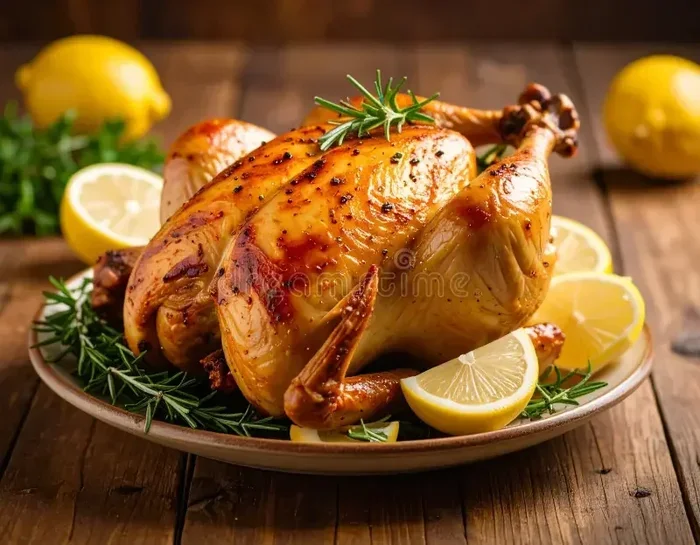
Start by taking the chicken out of the fridge 30 minutes before cooking. This lets the bird roast more evenly. Cold chicken in a hot oven leads to uneven cooking. The outside might burn while the inside is still raw. Pat the chicken dry with paper towels. Dry skin gets crispier than wet skin. This is a very important step that many people skip. Next, rub the chicken with olive oil or melted butter. This helps the seasoning stick to the bird. It also adds moisture to the skin. Sprinkle salt, pepper, garlic powder, and paprika all over the skin. You can also add onion powder and dried herbs like thyme or rosemary. Be generous with your seasoning. The skin needs a good coating to turn golden brown and flavorful.
You can also stuff the cavity with lemon halves, fresh herbs, and garlic cloves. This adds amazing flavor from the inside out. The aromatics steam the meat as it roasts. This makes the chicken incredibly fragrant and tasty. Some people also like to add quartered onions or celery. These vegetables add a subtle sweetness to the meat. You do not have to stuff the chicken if you do not want to. An unstuffed chicken cooks a bit faster and more evenly. But if you love the flavor of a stuffed roast, go for it. Just remember that a stuffed chicken might need an extra 10 to 15 minutes of cooking time. Always check the internal temperature to be safe.
Seasoning Ideas for Your Roast
The seasoning is what makes your chicken truly special. You can keep it simple or get creative with flavors. A classic blend of salt, pepper, garlic, and paprika works beautifully. If you love Italian flavors, try oregano, basil, and rosemary. For a spicy kick, add cayenne pepper and chili powder. You can also use a store-bought seasoning blend if you are short on time. Just make sure it has salt in it. Salt is the most important seasoning for roast chicken. It brings out the natural flavor of the poultry. You can also make a compound butter to go under the skin. Mix softened butter with minced garlic and chopped parsley. Gently lift the skin over the breast. Spread the butter directly onto the meat. This adds incredible richness and flavor. The chicken will be so juicy and delicious. Everyone will ask you for the recipe.
The Roasting Process
Place the chicken breast-side up on a rack inside a roasting pan. The rack is a crucial tool for this recipe. It lets hot air flow all around the bird. It also keeps the chicken out of the pooling juices. This is what keeps the skin crispy and not soggy. If you put the chicken directly in the pan, it will sit in its own juices. The skin will get soft and pale instead of crispy and brown. Put the pan in the oven on the middle rack. Roast the chicken for the calculated time. Do not open the oven door too often. Every time you open the door, the heat drops. This can increase the total cooking time. It can also prevent the skin from getting crispy. Let the oven do its work. You can peek through the oven window if you are curious. Just try not to open the door for at least the first hour. Trust the process and let the magic happen.
Checking for Doneness: The Most Important Step
Knowing when the chicken is done is absolutely critical. You cannot just rely on the clock or the color of the juices. How long to cook whole chicken in oven at 425 gives you a guideline, but the thermometer gives you the truth. Food safety must always come first in your kitchen. Undercooked poultry can make you very sick. It is not worth the risk. Always take the extra few minutes to check the temperature. It is the best habit you can build in the kitchen.
Using a Meat Thermometer
A digital meat thermometer is your best friend in the kitchen. It is the only way to be 100% sure the chicken is safe to eat. Insert the probe into the thickest part of the thigh. Make sure the tip does not touch the bone. The bone conducts heat differently than the meat. You want the internal temperature to reach 165 degrees Fahrenheit. This is the safe standard set by food safety experts everywhere. If the thigh reads 165 but the breast is slightly lower, keep roasting. Check the breast temperature as well. You want the breast to be at least 160 degrees because it will rise a few degrees while resting. This carryover cooking is very normal and expected. It is a natural part of the roasting process. Do not panic if the breast is at 155 when you pull it out. It will reach 165 easily during the resting phase.
Visual and Touch Tests
If you do not have a thermometer right away, you can use visual clues. The juices should run clear when you pierce the thickest part of the thigh. If the juices look pink or red, the chicken needs more time. You can also check the leg. When it moves easily and the juices flow clear, the bird is likely done. You can also look at the skin. The entire bird should be a deep golden brown. It should look appetizing and delicious. However, always double-check with a thermometer for food safety. Visual cues can sometimes be misleading. The color of the juices can vary depending on what the chicken ate or how it was raised. Trust the thermometer more than your eyes. It is the most reliable tool you have.
Common Mistakes to Avoid When Roasting Chicken
Even experienced cooks make mistakes. Avoiding these common errors will help you serve a perfect whole chicken in oven at 425 every time. Learning from others saves you from the same heartbreaks. You will become a better cook just by knowing what to avoid.
Skipping the Resting Period
One of the biggest mistakes is cutting into the chicken right away. When you roast the bird, the juices move toward the center. They are under a lot of heat and pressure. If you cut too soon, all those juices run out onto the cutting board. Your chicken will end up dry and less flavorful. You worked so hard to keep it moist, so do not lose the juices now. Let the chicken rest for at least 10 to 15 minutes before you carve it. Tent it loosely with aluminum foil to keep it warm. The temperature will stay high enough to continue cooking slightly. The juices will redistribute throughout the meat. When you finally cut into it, every slice will be succulent and full of flavor. This resting period is non-negotiable for the best results. It makes a huge difference in the final product.
Overcooking the Breast
The chicken breast cooks faster than the thighs. Since the breast is leaner, it dries out quickly if you leave it in too long. To avoid dry breast meat, you can shield the breast with a piece of foil halfway through cooking. This slows down the cooking of the breast while the thighs finish catching up. Another trick is to buy a chicken that is a similar size all around. Some chickens have very large breasts and skinny legs. This creates a timing problem because the parts cook at different speeds. A more evenly shaped bird roasts more uniformly. You will have fewer issues with dry meat if you choose your bird carefully. Also, do not forget to take the chicken out of the fridge early. A room temperature chicken roasts more evenly than a cold one. This simple trick can save your dinner.
Using the Wrong Pan
The type of pan you use matters more than you think. A thin, flimsy pan will not conduct heat well. It can cause the chicken to cook unevenly. Invest in a heavy-duty roasting pan instead. A sturdy pan holds heat better. It promotes even browning all around the bird. If you do not have a roasting pan, you can use a deep baking dish. Just make sure it is oven-safe. Avoid using a non-stick pan for high-heat roasting. The coating can break down at 425 degrees. A simple aluminum or stainless steel pan works perfectly fine. You can even line the pan with aluminum foil for easy cleanup. Just make sure the foil is secure so it does not touch the heating elements.
Expert Tips for the Ultimate Oven Roasted Chicken
Take your roast from good to amazing with these expert tips. These simple steps make a huge difference in flavor and texture. You will impress everyone at your dinner table with your cooking skills.
Brining for Extra Juiciness
Brining is the process of soaking the chicken in salt water for a few hours. This helps the meat absorb extra moisture. Even after roasting, brined chicken stays juicy. The salt changes the protein structure of the meat. It allows the fibers to hold onto more water during cooking. You can brine your bird overnight in the fridge. Use about 1 cup of kosher salt per gallon of cold water. Add sugar and spices to the brine for extra flavor. Brown sugar and bay leaves work wonderfully together. Rinse the chicken well and pat it dry before seasoning. Brining takes a little extra planning, but the results are worth it. Your chicken will be the juiciest it has ever been. You will never go back to unbrined chicken again.
Herb Butter Magic
Softened butter mixed with fresh herbs is a game changer for roast chicken. Mix butter with chopped rosemary, thyme, and garlic. Gently loosen the skin over the breast with your fingers. Rub the butter directly onto the meat under the skin. This creates an incredibly juicy and flavorful roast. The skin gets extra crispy from the fat in the butter. The herbs infuse the meat as it cooks at 425 degrees. This technique elevates a simple whole chicken into a restaurant-quality dish. You will taste the difference immediately. It is a secret that professional chefs have used for years. You can now use it in your own kitchen too. Try it once, and you will be hooked.
Roasting Vegetables Alongside
You can cook vegetables in the same pan as the chicken. Potatoes, carrots, and onions are perfect for this. Toss the veggies in olive oil, salt, and pepper. Spread them around the chicken on the pan. The chicken juices will drip down onto the vegetables. This flavors the veggies beautifully. You get a complete meal in one pan. Just make sure the vegetables are cut into small, even pieces. This ensures they cook at the same rate as the chicken. The veggies will be golden brown and tender by the time the chicken is done. It is a great way to save time on cleanup too.
Making Pan Gravy
Do you throw away the juices in the bottom of the pan? Stop right there! Those drippings are liquid gold. You can make a quick and delicious pan gravy. Simply pour the drippings into a small saucepan. Add a splash of chicken broth. Bring the mixture to a simmer. Whisk in a little bit of flour or cornstarch to thicken it. Season with salt and pepper to taste. You will have a rich, savory gravy in minutes. It is the perfect topping for your sliced chicken. Your family will love it. It makes the whole meal feel extra special. You can also deglaze the roasting pan with white wine. Scrape up all the brown bits from the bottom. Those bits are full of flavor. Add a little broth and reduce the liquid. Pour it over the chicken just before serving.
Chicken Weight vs. Cooking Time Comparison
Use this simple table to find your exact cooking time at 425 degrees Fahrenheit. It is a quick reference guide for your next roast. Print it out and keep it in your kitchen for easy access.
| Chicken Weight | Approximate Cooking Time | Internal Temp Goal |
|---|---|---|
| 3 Pounds | 60 to 70 minutes | 165°F in thigh |
| 5 Pounds | 1 hour 40 min to 1 hour 50 min | 165°F in thigh |
| 7 Pounds | 2 hours to 2 hours 20 min | 165°F in thigh |
| 8 Pounds | 2 hours 30 min to 2 hours 45 min | 165°F in thigh |
Conclusion
Cooking a whole chicken in oven at 425 is easier than you think. With the right time and temperature, you get crispy skin and juicy meat every time. Remember to always use a meat thermometer to check for doneness. Let the chicken rest before you cut into it. Follow these simple steps and you will impress your family and friends with a perfect roast. Enjoy your delicious how long to cook whole chicken in oven at 425 degrees success! Now go preheat that oven and get cooking. You have all the tools and knowledge you need to make an amazing roast chicken today.
Frequently Asked Questions
Can I cook a frozen whole chicken at 425 degrees?
It is not recommended to cook a frozen chicken at 425 degrees. Frozen chicken takes much longer to cook, and the outside may burn before the inside reaches a safe temperature. Always thaw your chicken in the fridge overnight before roasting it at high heat.
Do I need to cover the chicken with foil while roasting?
You do not need to cover the chicken with foil if you are roasting at 425 degrees. The high heat helps crisp the skin, and covering it would trap steam and make the skin soggy. However, you can tent the breast with foil if it is browning too quickly.
What temperature should a whole chicken be when done?
A whole chicken is done when the internal temperature reaches 165 degrees Fahrenheit in the thickest part of the thigh. The breast should also be at least 160 degrees, as it will continue to cook slightly while resting.
How do I keep the chicken breast from drying out?
To keep the breast moist, do not overcook it. Use a meat thermometer and pull the chicken out as soon as the breast hits 160 degrees. You can also rub butter under the skin or shield the breast with foil partway through cooking.
Should I bring the chicken to room temperature before cooking?
Yes, you should always take the chicken out of the fridge about 30 minutes before cooking. A room temperature chicken cooks more evenly than a cold one. It also reduces the overall cooking time at 425 degrees.
What is the best way to carve a roasted whole chicken?
Let the chicken rest for 10 to 15 minutes first. This lets the juices settle back into the meat. Then, use a sharp knife to cut down the center of the breast. Slice the breasts off the bone and separate the legs and wings at the joints.