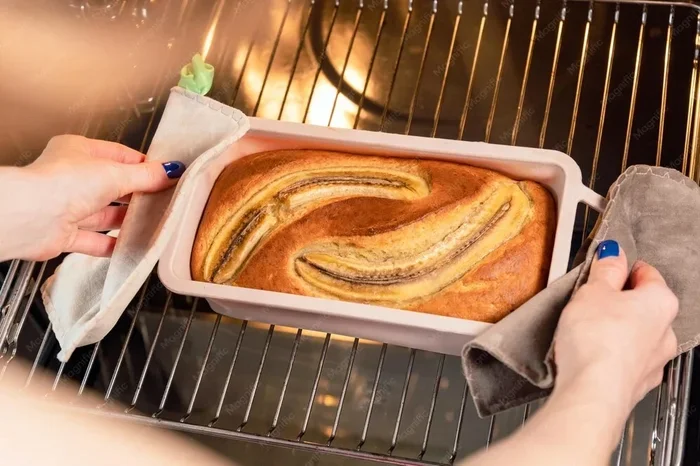
How Long To Put Banana Bread In Oven For Perfect Results
Knowing how long to put banana bread in the oven is the single most important factor for baking success. Most banana bread loaves need 55 to 70 minutes at 350°F, but pan size and recipe variations can change things. This guide walks you through exact baking times, temperature tips, and easy ways to tell when your bread is done.
There is nothing quite like the warm, sweet smell of banana bread filling up your kitchen. Whether you are a seasoned baker or someone who just started exploring the world of home baking, one question always comes up: how long to put banana bread in the oven. The answer might seem simple, but there is actually a lot that goes into getting the perfect bake.
The truth is, baking time depends on several factors. Your pan size, oven type, altitude, and even the ripeness of your bananas all play a role. In this guide, we will break down everything you need to know about banana bread baking time. By the end, you will feel confident pulling out a perfectly baked loaf every single time.
Key Takeaways
- Standard baking time: Most banana bread recipes call for 55 to 70 minutes at 350°F in a standard 9×5 loaf pan.
- Pan size matters: Smaller pans need more time, while larger or wider pans bake faster and may need less time.
- The toothpick test is your best friend: A clean or slightly moist toothpick means your banana bread is ready.
- Internal temperature of 200 to 205°F is the most reliable way to confirm doneness.
- Overbaking is the #1 mistake: It leads to dry, crumbly banana bread that nobody enjoys.
- Resting time counts: Let your banana bread cool in the pan for 10 to 15 minutes before slicing.
- Oven accuracy varies: Use an oven thermometer to ensure your actual temperature matches what the dial says.
📑 Table of Contents
The Ideal Oven Temperature for Banana Bread
Before we talk about time, let us start with temperature. The standard banana bread oven temperature is 350°F (175°C). This moderate heat allows the bread to cook evenly from the outside in. It gives the baking soda and other leavening agents time to work properly, creating that soft, fluffy texture everyone loves.
Some recipes call for 325°F if you want a slower, more even bake. Others go up to 375°F for a darker, crispier crust. But 350°F remains the sweet spot for most banana bread recipes. Here is why this temperature works so well:
- Even heat distribution: Your bread bakes uniformly without hot spots.
- Proper rise: The leavening agents activate at the right pace.
- Moisture retention: The interior stays soft and tender.
- Golden crust formation: The Maillard reaction creates that beautiful brown top.
Why Oven Accuracy Matters
Here is something many bakers overlook. Your oven dial might not be perfectly accurate. Some ovens run hot, while others run cold. A difference of just 15 to 25 degrees can significantly change your banana bread baking time. An oven thermometer is a cheap and simple tool that takes the guesswork out of baking. Place it inside your oven and check the actual temperature before you start.
If your oven runs hot, consider lowering the temperature by 10 to 15 degrees. If it runs cold, bump it up slightly. This small adjustment can make a huge difference in your results. Perfect banana bread starts with accurate heat.
How Long to Put Banana Bread in the Oven
Now let us get to the heart of the matter. How long does banana bread take to bake? The short answer is 55 to 70 minutes for a standard 9×5 inch loaf pan. But the full answer involves a few important details.
Baking Time by Pan Size
The size and shape of your pan directly affect how long your bread needs in the oven. Here is a handy breakdown:
- Standard 9×5 inch loaf pan: 55 to 65 minutes. This is the most common size and the one most recipes are designed for.
- 8×4 inch loaf pan: 60 to 70 minutes. The smaller pan means the batter is deeper, so it takes a bit longer.
- Mini loaf pans (4×2 inch): 20 to 28 minutes. These small pans bake much faster, so keep a close eye on them.
- 12×8 inch rectangular pan: 35 to 45 minutes. The wider, shallower shape reduces baking time significantly.
- Muffin tin: 18 to 22 minutes. Individual muffins bake quickly and are done fast.
As you can see, the answer to how long to put banana bread in the oven changes depending on what you are baking. Always use the pan size specified in your recipe, especially when you are first learning. Once you feel more confident, you can experiment with different shapes and sizes.
Baking Time Based on Recipe Type
Not all banana bread is created equal. Different recipes have different baking times. Here are some common variations:
- Classic banana bread: 55 to 65 minutes at 350°F. This is your standard recipe with flour, sugar, butter, eggs, and mashed bananas.
- Nut banana bread: 60 to 70 minutes. Nuts can slow down the baking process slightly since they add density.
- Chocolate chip banana bread: 55 to 65 minutes. Chocolate chips do not significantly change the time.
- Whole wheat banana bread: 60 to 70 minutes. Whole wheat flour absorbs more moisture, so it may need a few extra minutes.
- Vegan banana bread: 55 to 65 minutes. The base time is similar, but egg replacements can affect texture.
Signs Your Banana Bread Is Done
Setting a timer is helpful, but it should never be your only method. Learning to recognize the signs banana bread is done is a skill that will serve you well in the kitchen. Here are the most reliable indicators:
The Toothpick Test
This is the most classic and effective test. About 5 minutes before your recipe’s suggested time, pull the oven open and insert a wooden toothpick or thin skewer into the center of the loaf. If it comes out clean or with just a few moist crumbs, your banana bread is done. If it comes out wet with raw batter, it needs more time.
Do not open the oven door too early though. Every time you open it, you lose heat, which can affect your bake. Wait until at least the minimum time has passed before checking.
The Touch Test
Gently press the top of your banana bread with your finger. A done banana bread will feel firm and spring back slightly. If it feels soft and squishy, it needs more time. If it feels hard and rigid, you may have overbaked it.
The Internal Temperature Test
This is the most accurate method, and it takes all the guesswork out of baking. Use a meat thermometer or a digital probe thermometer. Insert it into the center of the loaf. When the internal temperature reaches 200 to 205°F, your banana bread is perfectly done. This method is especially useful if you are new to baking or want consistent results every time.
Visual Cues
Your banana bread should be golden brown on top and slightly pulling away from the edges of the pan. The top should feel firm to the touch. If the top is still pale and soft, give it a few more minutes. A beautifully browned crust is one of the hallmarks of a well-baked loaf.
Tips for Perfectly Moist Banana Bread Every Time
Getting the right baking time is only half the battle. You also need the right ingredients and techniques to ensure your moist banana bread turns out amazing. Here are some tried-and-true tips that make a real difference.
Use Overripe Bananas
The best banana bread starts with the right bananas. Look for bananas that are very ripe with lots of brown spots on the skin. In fact, the browner the better. Overripe bananas are sweeter and softer, which means they mash more easily and create a richer, more flavorful bread. If your bananas are not ripe enough, you can speed up the process by placing them in a paper bag for a day or two.
Do Not Overmix the Batter
Once you add your flour, mix gently and stop as soon as the ingredients are just combined. Overmixing develops too much gluten, which leads to a tough, dense bread instead of a soft, tender one. Stir with a spatula using slow, folding motions. A few small lumps in the batter are perfectly fine.
Measure Flour Correctly
Too much flour is one of the most common reasons banana bread turns out dry. Use the spoon-and-level method: spoon the flour into your measuring cup and then level it off with a knife. Never scoop the flour directly with the measuring cup, as this packs in too much. For the most accurate results, use a kitchen scale to measure your ingredients by weight.
Add Extra Moisture
If you love ultra-moist banana bread, try adding a few extra tablespoons of sour cream or yogurt to your batter. You can also replace some of the butter with oil, which keeps the bread moist for longer. A tablespoon of honey or an extra egg yolk can also boost moisture and richness.
Let It Cool Properly
Patience is key when it comes to banana bread cooling time. Let your loaf cool in the pan for about 10 to 15 minutes. Then transfer it to a wire rack to cool completely before slicing. Cutting into hot banana bread can cause it to crumble and fall apart. It also stops the cooking process too early, which can leave the center gummy.
Common Mistakes That Affect Baking Time
Even experienced bakers sometimes make mistakes that throw off their banana bread baking time. Being aware of these pitfalls can save you from a ruined loaf.
Opening the Oven Door Too Often
Every time you open that oven door, you let out heat and can cause your bread to sink or bake unevenly. Resist the urge to peek too early. Trust your timer and only check when the minimum time has elapsed.
Using the Wrong Pan Size
If your recipe calls for a 9×5 pan and you use a 9×9 pan instead, the batter will spread thinner and bake much faster. This can lead to overbaked edges and an undercooked center. Always use the pan size the recipe recommends, especially when you are starting out.
Not Preheating the Oven
Placing your banana bread into a cold oven throws off the entire baking process. The bread starts baking too slowly, which affects the rise and the texture. Always preheat your oven for at least 10 to 15 minutes before putting your bread in.
Ignoring Altitude Adjustments
If you live at a high altitude, your banana bread recipe may need adjustments. High altitude means lower air pressure, which causes baked goods to rise too quickly and then collapse. You may need to increase your oven temperature slightly and reduce your baking time by a few minutes.
Overbaking
This is the number one enemy of great banana bread. Even five extra minutes in the oven can turn a moist, tender loaf into a dry, crumbly mess. Set your timer for the minimum time and check for doneness. It is always better to slightly underbake than overbake, because the bread continues to cook as it cools.
Expert Tips and Quick Fixes
Here are some bonus tips from experienced bakers that can elevate your banana bread from good to great:
- Rotate your pan halfway through baking. This ensures even browning, especially if your oven has hot spots.
- Line your pan with parchment paper. This makes it much easier to remove the loaf and prevents sticking.
- Let the banana bread rest overnight. Many bakers swear that banana bread tastes even better the next day as the flavors meld together.
- Store properly. Wrap your cooled banana bread tightly in plastic wrap or store it in an airtight container. It stays fresh for up to 4 days at room temperature.
- Freeze for longer storage. Wrap individual slices in foil and freeze for up to 3 months. Toast slices straight from the freezer for a quick treat.
- Add a streusel topping. A simple crumble of butter, flour, and brown sugar adds crunch and makes your bread look bakery-quality.
Quick Tips Summary
- Always preheat your oven to 350°F before baking.
- Use a 9×5 inch loaf pan for standard recipes.
- Check for doneness at 55 minutes using the toothpick test.
- Target an internal temperature of 200 to 205°F.
- Let the bread cool in the pan for 10 to 15 minutes.
- Store at room temperature or freeze for later.
Conclusion
Baking the perfect banana bread comes down to understanding how long to put banana bread in the oven and paying attention to the small details. The standard range of 55 to 70 minutes at 350°F works for most recipes, but your pan size, oven accuracy, and recipe type can shift that window. Use the toothpick test, the touch test, or a thermometer to confirm doneness. Avoid common mistakes like overbaking and overmixing, and your bread will turn out moist, tender, and absolutely delicious every time.
The beauty of banana bread is that it is forgiving and adaptable. Once you understand the basics of baking time and temperature, you can experiment with add-ins, different flours, and creative variations. So preheat that oven, grab those overripe bananas, and get baking. Your perfect loaf is just minutes away.
Frequently Asked Questions
Can I bake banana bread at 375°F instead of 350°F?
Yes, you can bake banana bread at 375°F, but you will need to reduce the baking time slightly. The higher temperature causes the bread to bake faster and develop a darker crust. Check for doneness about 5 to 10 minutes earlier than your recipe suggests. Keep in mind that the texture may be slightly different, with a crispier exterior and a marginally drier interior.
Why is my banana bread raw in the middle?
A raw center usually means the bread was not baked long enough or the oven temperature was too low. Make sure your oven is properly preheated and that your pan size matches the recipe. Also, avoid opening the oven door too early, as this can cause the center to collapse. Using an oven thermometer can help you verify that your oven is actually reaching the set temperature.
How do I know if my banana bread is overcooked?
Overcooked banana bread tends to be dry, hard, and dark brown on the outside. The top will crack significantly, and the bread may pull away from the sides of the pan. If your bread feels firm and dry when you press the top or cut into it, it was likely overbaked. Always check for doneness at the minimum time suggested in your recipe.
Can I use a glass loaf pan instead of metal?
Yes, you can use a glass loaf pan, but glass heats up more slowly and retains heat longer. This means your banana bread may need an additional 5 to 10 minutes of baking time. Glass pans also tend to produce a darker crust, so keep an eye on the color of the top. You may want to loosely tent foil over the bread if it browns too quickly.
How long does banana bread need to cool before slicing?
Let your banana bread cool in the pan for 10 to 15 minutes after removing it from the oven. Then transfer it to a wire rack and allow it to cool completely, which usually takes another 30 to 60 minutes. Slicing into warm bread can cause it to crumble and fall apart. Patience here pays off with cleaner slices and better texture.
Can I freeze banana bread to extend its freshness?
Absolutely. Banana bread freezes very well. Wrap the cooled loaf tightly in plastic wrap and then in aluminum foil, or place it in a freezer-safe bag. It will keep for up to 3 months in the freezer. To thaw, leave it at room temperature for a few hours or microwave individual slices for 20 to 30 seconds. Freezing is a great way to enjoy fresh banana bread anytime.