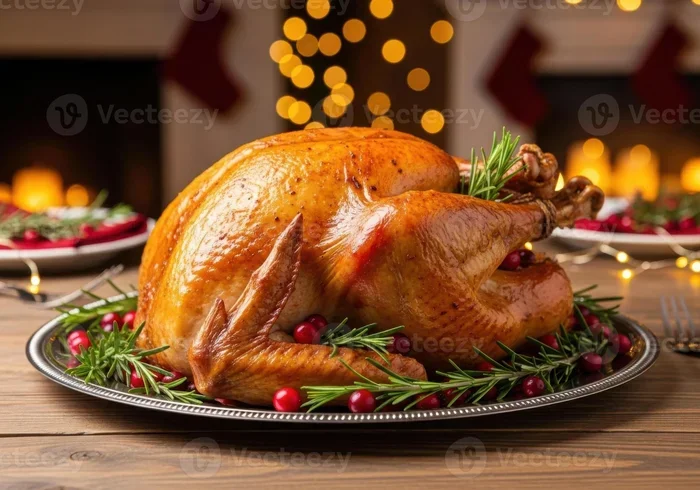
How Long To Cook Turkey In Your Conventional Oven Tips
Learning how long to cook turkey in a conventional oven is the key to a perfect roast every time. A whole turkey typically needs about 13 to 15 minutes per pound at 325°F, but the exact time depends on size, bone-in or boneless cuts, and whether you brine it first. This guide covers everything from basic timing to pro tips that keep your turkey moist and flavorful.
Key Takeaways
- Plan for 13-15 minutes per pound: This is the standard rule for roasting a whole turkey at 325°F in a conventional oven.
- Use a meat thermometer: The internal temperature must reach 165°F in the thickest part of the thigh for safe eating.
- Brining makes a big difference: A wet or dry brine adds moisture and flavor, especially for larger birds.
- Let the turkey rest: Resting for 20-30 minutes after roasting keeps the juices locked in.
- Bone-in turkeys take longer: Expect more cooking time compared to boneless turkey breast.
- Avoid overcooking: Overcooked turkey dries out fast, so monitor closely toward the end.
📑 Table of Contents
- How Long To Cook Turkey In Conventional Oven: The Complete Guide
- Turkey Cooking Time By Weight
- Oven Temperature Guide For Turkey
- Step-By-Step Turkey Roasting Instructions
- Tips For Juicy Turkey Every Time
- Common Mistakes To Avoid When Roasting Turkey
- Expert Insights On Conventional Oven Turkey Roasting
- How Long To Cook Turkey In Conventional Oven: Quick Reference
- Conclusion
How Long To Cook Turkey In Conventional Oven: The Complete Guide
Cooking a turkey in a conventional oven can feel intimidating, especially if you are doing it for the first time. The good news is that once you understand the basics of timing and temperature, the process becomes simple and even enjoyable. Whether you are preparing a Thanksgiving turkey recipe or a Sunday dinner for the family, knowing the right turkey cooking time saves you from dry, overcooked meat.
In this guide, we walk you through everything you need to know about how long to cook turkey in a conventional oven. We cover timing by weight, temperature settings, step-by-step instructions, and common mistakes to avoid. By the end, you will feel confident enough to roast a turkey that impresses everyone at the table.
Many people wonder if a conventional oven is the same as a convection oven. The short answer is no. A conventional oven uses static heat, while a convection oven circulates hot air with a fan. This difference matters for cooking times. In a conventional oven, heat surrounds the turkey more slowly, which means you need a bit more patience. We will focus entirely on conventional oven roasting in this guide.
Turkey Cooking Time By Weight
The most important factor in determining how long your turkey takes to cook is its weight. Larger birds need more time, and stuffed turkeys take even longer than unstuffed ones. Here is a general breakdown to help you plan.
Unstuffed Whole Turkey Timing
For an unstuffed whole turkey, the general rule is about 13 to 15 minutes per pound at 325°F. Here is a quick reference chart:
- 8-12 pounds: About 2.5 to 3 hours
- 12-16 pounds: About 3 to 4 hours
- 16-20 pounds: About 4 to 5 hours
- 20-24 pounds: About 5 to 6 hours
These times are estimates. Always use a meat thermometer to check the internal temperature. The turkey is done when it reaches 165°F in the thickest part of the thigh, the wing joint, and the thickest part of the breast.
Bone-In vs Boneless Turkey Cooking Times
A bone-in turkey takes longer to cook than a boneless cut. The bone acts as insulation, so heat reaches the meat more slowly. If you are cooking a bone-in turkey breast, expect about 20 to 25 minutes per pound at 325°F.
On the other hand, a boneless turkey breast cooks faster, usually around 15 to 20 minutes per pound. Boneless cuts are great if you are short on time. They also carve more easily, which makes them popular for casual gatherings.
If you are cooking a smaller bird, like a turkey breast roast under 5 pounds, it may be done in just 60 to 90 minutes. Always check the temperature rather than relying solely on the clock.
Oven Temperature Guide For Turkey
Temperature plays a huge role in how your turkey turns out. Too high, and the outside burns before the inside cooks through. Too low, and you risk food safety issues. Here is what you need to know.
Why 325°F Is The Standard
The USDA recommends roasting turkey at 325°F in a conventional oven. This temperature allows the meat to cook evenly without drying out the edges. At 325°F, the turkey spends enough time in the oven for the heat to penetrate to the center safely.
Some cooks prefer starting at a higher temperature, like 425°F, for the first 30 minutes to get a crispy skin. Then they lower it to 325°F for the rest of the cook. This method works well and gives you the best of both worlds: crispy skin and juicy meat.
Can You Cook Turkey At Higher Temperatures?
Yes, you can cook turkey at 350°F or even 400°F, but the timing changes. Higher temperatures reduce cooking time but increase the risk of drying out the meat. If you choose a higher heat, watch the turkey closely and use a thermometer frequently.
For comparison, some oven recipes for other meats work differently. For instance, cooking oysters in the oven takes only a few minutes at much higher heat, while chicken kebabs cook faster than a whole turkey because they are smaller pieces. Each protein has its own ideal temperature and time.
Step-By-Step Turkey Roasting Instructions
Now that you know the timing and temperature, let us walk through the actual process. Follow these steps for a golden, juicy roast.
Step 1: Thaw The Turkey Properly
If your turkey is frozen, thaw it in the refrigerator for 24 hours for every 4 to 5 pounds. Do not leave it on the counter to thaw. Room temperature thawing creates a breeding ground for bacteria. A fully thawed turkey cooks more evenly and in less time.
Step 2: Prep And Season
Remove the giblets and neck from the cavity. Pat the turkey dry with paper towels. Dry skin crisps up better in the oven. Rub butter or olive oil all over the bird, then season generously with salt, pepper, garlic powder, and any herbs you like. Rosemary, thyme, and sage are classic choices for oven-roasted turkey.
Some cooks like to place herb bundles or citrus slices inside the cavity. This adds a subtle aroma and flavor to the meat as it roasts.
Step 3: Stuff Or Don’t Stuff
Stuffing a turkey adds about 30 to 45 minutes to the cooking time. If you choose to stuff it, make sure the stuffing reaches 165°F as well. Many food safety experts recommend cooking stuffing separately to avoid any risk. If you do stuff the bird, pack the stuffing loosely and do not overfill.
Step 4: Roast And Monitor
Place the turkey breast-side up on a rack in a roasting pan. Tuck the wing tips under the shoulders to prevent burning. Put the pan in the oven and set a timer.
Baste the turkey every 45 minutes to keep it moist. About 30 minutes before the estimated finish time, check the internal temperature. If the skin is browning too fast, tent the turkey loosely with aluminum foil.
Once the thermometer reads 165°F in multiple spots, the turkey is done. Remove it from the oven and let it rest.
Step 5: Let It Rest
Resting is one of the most overlooked steps in turkey roasting. Let the turkey sit for at least 20 to 30 minutes before carving. This allows the juices to redistribute throughout the meat. If you cut too soon, the juices run out and the turkey dries up.
Tips For Juicy Turkey Every Time
Even experienced cooks sometimes end up with dry turkey. These tips help you avoid that problem and serve a moist, flavorful bird.
Brine Your Turkey
Brining is one of the best ways to ensure juicy meat. A wet brine soaks the turkey in a saltwater solution for 12 to 24 hours. A dry brine rubs salt directly onto the skin and lets the turkey rest uncovered in the fridge overnight.
Brining works by allowing the salt to penetrate the meat and break down proteins. This helps the turkey retain moisture during roasting. If you are short on time, even a quick 2-hour brine in a large container of salted water makes a noticeable difference.
Use A Roasting Rack
A roasting rack lifts the turkey off the bottom of the pan. This allows hot air to circulate around the entire bird, promoting even cooking. Without a rack, the bottom of the turkey sits in its own juices and can become soggy.
Do Not Overcook
The number one cause of dry turkey is overcooking. Once the internal temperature hits 165°F, pull the turkey out. The temperature will continue to rise by about 5 to 10 degrees during resting. This carryover cooking brings the turkey to a safe serving temperature without drying it out.
Consider The Turkey Oven Recipe You Choose
Not all turkey oven recipes are created equal. Some call for high heat at the start, others for low and slow cooking. Choose a recipe that matches your oven and your schedule. If you are new to roasting, stick with the classic 325°F method. It is forgiving and produces reliable results.
Common Mistakes To Avoid When Roasting Turkey
Even with the best intentions, mistakes happen. Here are the most common ones and how to avoid them.
Not Planning Enough Time
Many people underestimate how long a turkey takes. A 16-pound bird can take 4 hours or more. If you forget to account for thawing time, you may end up cooking a partially frozen turkey, which leads to uneven cooking and potential food safety issues.
Skipping The Thermometer
Relying on pop-up timers or estimated times alone is risky. The pop-up timer on many turkeys is a basic indicator and not always accurate. A digital or analog meat thermometer gives you precise readings and takes the guesswork out of cooking.
Opening The Oven Door Too Often
Every time you open the oven door, the temperature drops by 25 to 50 degrees. This slows down cooking and can lead to uneven results. Resist the urge to check on the turkey too frequently. Use the oven light to peek inside instead.
Forgetting To Season
A plain turkey is a boring turkey. Seasoning is not just about salt. Think about garlic, paprika, onion powder, and fresh herbs. The seasoning on the outside also creates a flavorful crust that makes crispy turkey skin even more delicious.
Not Letting The Turkey Rest
We mentioned this earlier, but it deserves repeating. Cutting into a turkey immediately after it comes out of the oven releases all the juices onto the cutting board instead of staying in the meat. Patience pays off here.
Expert Insights On Conventional Oven Turkey Roasting
Roasting turkey in a conventional oven is a time-tested method that has been used for generations. Unlike air fryers or microwave ovens, a conventional oven provides steady, even heat that is ideal for large cuts of meat. If you have ever wondered about the difference between oven types, note that cooking frozen fries in an air fryer oven works differently than roasting a whole turkey, because the fan-driven heat in air fryers cooks smaller items faster.
Professional chefs often recommend bringing the turkey to room temperature before putting it in the oven. Take it out of the refrigerator about 1 hour before cooking. This reduces the time the turkey spends in the oven and promotes more even cooking throughout.
Another expert tip is to separate the turkey legs from the breast if you want faster, more even cooking. The legs and breast cook at different rates because the legs have more fat and connective tissue. Cooking them separately gives you more control over the final result.
If you are cooking for a holiday meal like Thanksgiving turkey, plan ahead. A 20-pound bird needs at least 5 hours of roasting time, plus thawing time. Starting early in the day gives you plenty of buffer and reduces stress.
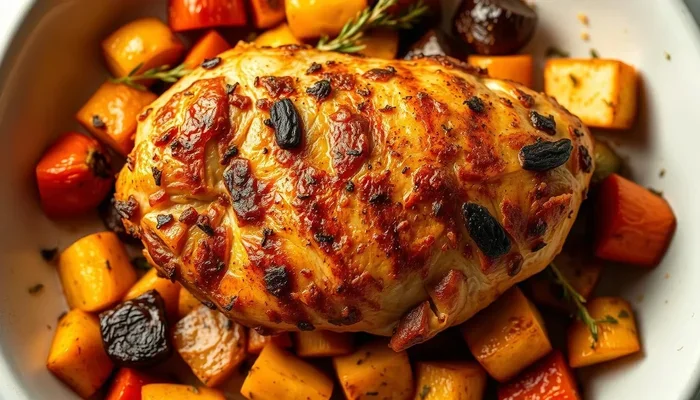
Some cooks also like to roast vegetables alongside the turkey in the same pan. Carrots, potatoes, and onions absorb the turkey drippings and become incredibly flavorful. Just make sure the vegetables are cut small enough to cook through in the same time as the turkey.
For those who enjoy experimenting, try different spice blends. A maple and mustard glaze, a honey and herb rub, or a simple lemon and garlic marinade all add unique flavors to your oven-baked turkey. The possibilities are endless, and finding your signature flavor is part of the fun.
How Long To Cook Turkey In Conventional Oven: Quick Reference
Here is a quick summary of the key numbers you need to remember:
- Standard temperature: 325°F for a conventional oven
- Cooking time per pound: 13 to 15 minutes for a whole unstuffed turkey
- Internal temperature target: 165°F in the thickest parts
- Resting time: 20 to 30 minutes before carving
- Brining time: 12 to 24 hours for a wet brine, overnight for a dry brine
- Thawing time: 24 hours per 4 to 5 pounds in the refrigerator
Keep this reference handy when you are planning your next roast. Pin it to your fridge or save it on your phone for easy access.
When you compare oven methods, note that roasting pumpkin seeds in the oven takes only about 10 to 15 minutes at a much higher temperature, showing how different oven tasks require very different approaches. Similarly, the timing for a whole turkey is very different from cooking smaller oven dishes.
Conclusion
Cooking a turkey in a conventional oven does not have to be stressful. With the right timing, temperature, and a little patience, you can serve a beautiful, juicy roast that everyone will love. Remember the golden rule: about 13 to 15 minutes per pound at 325°F, and always use a meat thermometer to confirm doneness.
Brining, proper seasoning, and letting the turkey rest are small steps that make a huge difference. Avoid common mistakes like skipping the thermometer or cutting too early. And most importantly, enjoy the process. Roasting a turkey is one of the most rewarding things you can do in the kitchen.
Now that you know how long to cook turkey in a conventional oven, it is time to put your knowledge to the test. Whether it is for Thanksgiving, Christmas, or any special occasion, you are ready to roast with confidence. Happy cooking!
Frequently Asked Questions
How long does it take to cook a 12-pound turkey in a conventional oven?
A 12-pound unstuffed turkey takes approximately 3 to 3.5 hours at 325°F. This estimate is based on 13 to 15 minutes per pound. Always verify doneness with a meat thermometer, checking that the internal temperature reaches 165°F in the thickest part of the thigh.
What is the best temperature to cook a turkey in a conventional oven?
The best temperature for roasting a whole turkey in a conventional oven is 325°F. This temperature ensures even cooking throughout the bird without drying out the meat. Some cooks start at a higher temperature for crispier skin, then lower it to 325°F for the remainder of the cook.
Should I cover my turkey with foil while roasting?
Covering the turkey with foil is optional. It helps prevent the skin from browning too quickly, especially for larger birds. Many cooks tent the turkey with foil during the last hour of cooking if the skin is getting too dark. Removing the foil for the final 30 minutes allows the skin to crisp up nicely.
How do I know when the turkey is done without a thermometer?
The most reliable way is to use a meat thermometer, but you can also check by piercing the thickest part of the thigh. If the juices run clear and not pink, the turkey is likely done. However, a thermometer removes all guesswork and ensures food safety every time.
Can I cook a frozen turkey in a conventional oven?
Yes, you can cook a turkey from frozen, but it takes significantly longer. The USDA recommends cooking frozen turkey only if it is a small bird, under 12 pounds. For larger turkeys, always thaw first in the refrigerator. Cooking a frozen turkey increases the risk of uneven cooking and longer time in the danger zone for bacteria.
Why is my turkey dry even when I followed the cooking time?
Dry turkey usually results from overcooking or not brining. Even if you follow the timing exactly, the turkey continues to cook after leaving the oven due to carryover heat. Always pull the turkey out when it reaches 160°F to 162°F, as the temperature will rise during resting. Brining also adds moisture that helps prevent dryness.
=== END OF ARTICLE ===