How To Clean An Oven With Natural Products For Good
Learning how to clean an oven with natural products is simpler than you think and keeps your kitchen safe from harsh chemicals. You can use everyday items like baking soda, vinegar, and lemon to tackle tough grease and baked-on grime effectively. This guide walks you through every step with practical tips and proven methods that actually work.
You open your oven and the smell hits you first. Then you see the charred spots, the splattered grease, and the baked-on food that has been there since last month. It is not a pretty sight. But here is the good news. You do not need expensive chemical sprays or harsh fumes to get your oven sparkling again. Learning how to clean an oven with natural products is easier, safer, and surprisingly effective. In fact, some of the best oven cleaning solutions are already sitting in your kitchen pantry.
Natural oven cleaning has grown in popularity over the past few years. More homeowners want to avoid toxic chemicals inside their cooking spaces. They also want to save money and reduce their environmental footprint. The good thing is that natural products like baking soda, white vinegar, and lemon can handle even the toughest oven grime. This guide gives you everything you need. You will learn the best methods, helpful tips, and common mistakes to avoid. By the end, you will feel confident tackling your next oven cleaning session the natural way.
Key Takeaways
- Natural oven cleaners are safe, affordable, and eco-friendly: Baking soda, vinegar, and lemon are powerful enough to handle most oven messes without toxic fumes.
- Baking soda paste is the gold standard: A simple paste of baking soda and water breaks down grease and baked-on food effortlessly.
- Vinegar boosts cleaning power: When paired with baking soda, vinegar creates a fizzy reaction that lifts stubborn grime from oven surfaces.
- Regular maintenance prevents tough buildup: Wiping your oven after each use keeps it cleaner for longer and reduces deep-cleaning sessions.
- Oven racks need separate treatment: Soaking racks in a natural solution works better than scrubbing them inside the oven.
- Avoid common mistakes like using steel wool: Harsh tools can damage your oven’s interior and void warranties.
📑 Table of Contents
- Why You Should Clean Your Oven With Natural Products
- The Best Natural Products For Oven Cleaning
- Step-By-Step Guide To Cleaning Your Oven With Natural Products
- How To Clean Oven Racks The Natural Way
- Maintaining A Clean Oven Naturally
- Common Mistakes To Avoid When Cleaning Your Oven Naturally
- Expert Insights On Natural Oven Cleaning
- Quick Tips For The Best Results
- Frequently Asked Questions
- Conclusion
Why You Should Clean Your Oven With Natural Products
Health Benefits Of Avoiding Chemical Cleaners
Traditional oven cleaners contain strong chemicals like sodium hydroxide and ammonia. These substances release fumes that can irritate your lungs, eyes, and skin. Even small amounts left behind on oven surfaces can contaminate your food during cooking. When you use natural oven cleaner alternatives, you eliminate this risk completely. Baking soda, vinegar, and lemon are all food-safe. They do not produce harmful vapors. This makes them ideal for households with children, pets, or anyone with respiratory sensitivities.
Many people also experience headaches and nausea when exposed to conventional oven cleaning products. The fumes linger in the kitchen long after you finish cleaning. Switching to eco-friendly oven cleaner methods removes this concern. Your kitchen stays fresh and safe. You can cook immediately after cleaning without worrying about chemical residue.
Environmental Impact Of Chemical Oven Cleaners
Chemical oven cleaners end up in our water systems after they go down the drain. These substances can harm aquatic life and contribute to pollution. On the other hand, non-toxic oven cleaner options like baking soda and vinegar break down naturally. They are biodegradable and do not harm the environment. Choosing green oven cleaning methods is a small change that makes a real difference over time.
Cost Savings With Natural Cleaning Methods
A bottle of commercial oven cleaner can cost anywhere from five to fifteen dollars. And you often need more than one to get the job done. Natural cleaning supplies cost a fraction of that. A box of baking soda, a bottle of vinegar, and a couple of lemons can handle multiple cleaning sessions. Homemade oven cleaner recipes are incredibly affordable. Over a year, you could save dozens of dollars by sticking to natural methods.
The Best Natural Products For Oven Cleaning
Baking Soda: The Ultimate Cleaning Powerhouse
Baking soda, also known as sodium bicarbonate, is the MVP of natural oven cleaning. It is a gentle abrasive that cuts through grease without scratching surfaces. When mixed with water, it forms a thick paste that clings to oven walls. This paste breaks down baked-on food and grime over time. Baking soda oven cleaning is the most popular natural method for a good reason. It works on everything from light splatters to heavy carbon buildup.
You can also use baking soda dry as a dusting agent. Sprinkling it directly on fresh spills makes them easier to wipe away later. The powder absorbs odors too, which means your oven smells fresh after cleaning. For best results, let the baking soda paste sit for several hours or overnight.
White Vinegar: The Natural Degreaser
White vinegar is another superstar in the world of natural oven cleaning. Its acidic properties dissolve grease and cut through grime effectively. When you spray vinegar on a baking soda-covered surface, the fizzing reaction helps lift dirt and debris. This makes scrubbing much easier. Vinegar also acts as a natural disinfectant, killing bacteria and germs inside your oven.
Use distilled white vinegar for the best results. It is inexpensive and widely available. You can dilute it with water for lighter cleaning tasks or use it full-strength for tougher jobs. Vinegar also deodorizes your oven, leaving it smelling clean and fresh.
Lemon: A Natural Freshness Booster
Lemon juice and lemon peels bring a refreshing scent to your oven cleaning routine. The citric acid in lemon helps break down grease and baked-on food. Many people use the steam method with lemon to soften grime before wiping it away. Simply simmer lemon slices in water inside the oven at a low temperature. The steam loosens dirt and leaves a pleasant citrus smell behind.
Lemon also acts as a natural bleaching agent. It can help lighten stains and discoloration inside your oven. This is especially useful for removing light grease marks and food spots. Combining lemon with baking soda creates a powerful yet gentle cleaning solution.
Other Helpful Natural Ingredients
Beyond the big three, a few other natural products deserve a mention. Salt works as a mild abrasive for scrubbing away stuck-on food. Hydrogen peroxide adds whitening power for stubborn stains. Dish soap, when mixed with baking soda, enhances grease-cutting ability. Castile soap is a plant-based alternative that works well for general oven wiping. Each of these ingredients plays a role in making clean oven naturally methods more effective.
Step-By-Step Guide To Cleaning Your Oven With Natural Products
Preparing Your Oven For Cleaning
Before you start, remove the oven racks and any loose debris. Take out the oven thermometer if you have one. Sweep out any large food particles with a damp cloth. This gives you a clear surface to work with. Make sure your oven is completely cool before you begin. Cleaning a warm oven can cause cleaning solutions to evaporate too quickly.
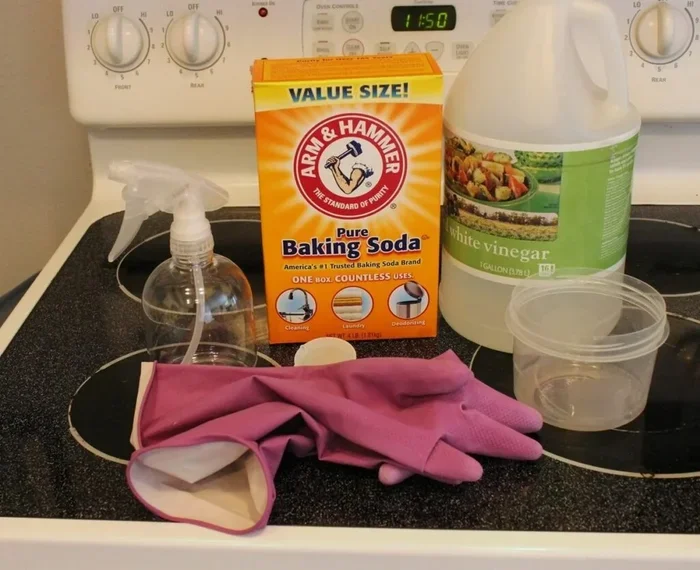
Next, gather your supplies. You will need baking soda, white vinegar, water, a spray bottle, a bowl, a soft sponge, and a microfiber cloth. Having everything ready before you start makes the process smoother and faster.
Making The Baking Soda Paste
The baking soda paste is the foundation of most natural oven cleaning methods. Start by mixing about half a cup of baking soda with a few tablespoons of water. Stir it until you get a thick, spreadable consistency. The paste should be smooth enough to apply easily but thick enough to stick to oven walls.
If your oven is very dirty, you can add a small squirt of dish soap to the mixture. This boosts the grease-fighting power. For extra freshness, add a few drops of lemon essential oil. The paste should never be so runny that it drips off the surfaces. Adjust the water content until you get the right texture.
Applying And Letting The Paste Work
Using your hands or a spatula, spread the baking soda paste evenly across the inside of your oven. Focus on the areas with the most grime and grease. Avoid coating the heating elements directly, as this can affect their performance. Also, do not paste the oven floor if you plan to use the self-cleaning function later.
Once applied, let the paste sit for at least four to six hours. Overnight is even better. The baking soda needs time to break down the grease and food residue. During this time, the paste will dry and turn slightly brown. This is normal and shows that it is working. The longer you let it sit, the easier your job will be.
Scrubbing And Removing The Paste
After the paste has had time to work, put on some gloves and start scrubbing. Use a damp sponge or soft cloth to wipe away the paste. For tough spots, apply a bit more elbow grease or use a non-abrasive scrubber. The dried baking soda should come off easily, taking the grime with it.
For areas that still have stubborn residue, spray some vinegar on them. The fizzing reaction helps lift remaining dirt. Wipe clean with a damp cloth. Repeat this process until all the baking soda paste is removed and the oven surfaces look clean.
The Vinegar Rinse And Final Wipe Down
Fill a spray bottle with equal parts white vinegar and water. Spray the entire interior of the oven with this solution. This neutralizes any remaining baking soda and provides a final degreasing pass. Wipe down all surfaces with a clean, damp cloth. Repeat this rinsing step until no baking soda residue remains.
For an extra fresh scent, add a few drops of lemon juice to your vinegar spray. This leaves your oven smelling wonderful. Once the interior is dry, replace the oven racks and you are done. Your oven should look and smell like new.
How To Clean Oven Racks The Natural Way
Soaking Method For Dirty Oven Racks
Oven racks tend to accumulate grease and food residue over time. The best approach is to remove them and soak them separately. Fill your bathtub or a large sink with hot water. Add a half cup of baking soda and a quarter cup of dish soap. Submerge the racks completely and let them soak for several hours or overnight.
The hot water and baking soda solution softens the baked-on grime. After soaking, use a non-scratch sponge to scrub away the loosened dirt. Most racks will come clean with minimal effort. For heavily soiled racks, you can sprinkle baking soda directly on the sponge for extra scrubbing power.
The Baking Soda And Vinegar Fizz Method
If soaking alone does not do the trick, try the fizz method. Line your bathtub or a large basin with aluminum foil. Place the oven racks inside and sprinkle baking soda generously over them. Pour vinegar over the racks and watch the reaction. The fizzing action helps dislodge tough grease and grime.
Let the racks sit for about thirty minutes after the fizzing stops. Then scrub them with a sponge and rinse thoroughly. This method works wonders on even the most neglected oven racks. Dry them completely before placing them back in the oven.
Preventing Buildup On Oven Racks
The best way to keep oven racks clean is to prevent buildup in the first place. Place a sheet of aluminum foil or a silicone mat on the oven floor before cooking. This catches drips and spills before they reach the racks. Wipe down the racks with a damp cloth after each use. A quick wipe takes seconds and saves you from deep-cleaning sessions later.
Maintaining A Clean Oven Naturally
Create A Regular Cleaning Routine
The secret to an always-clean oven is consistency. Wipe down the interior once a week with a damp cloth and a little baking soda. This prevents grease from building up into tough, baked-on messes. A few minutes of maintenance each week saves you hours of deep cleaning later.
Set a reminder on your phone to do a quick oven wipe every Sunday. Keep a small bowl of baking soda and a damp cloth near your oven for easy access. Making oven cleaning routine part of your weekly habits keeps your oven in top shape year-round.
Clean Spills Immediately
When food spills or grease splatters happen, clean them up right away. Wait too long and the residue bakes onto the oven walls. A quick wipe with a damp cloth while the oven is still warm makes removal effortless. Do not let spills sit for days or weeks.
Keep a stack of damp microfiber cloths near your oven for quick cleanup sessions. These cloths are reusable and gentle on oven surfaces. The sooner you address a spill, the easier your next deep clean will be.
Use Oven Liners And Mats
Oven liners and silicone mats are fantastic tools for keeping your oven clean. Place a liner on the oven floor to catch drips and crumbs. These liners are easy to remove and wash. They protect your oven from spills that would otherwise turn into hard-to-remove stains.
Silicone mats are heat-resistant and reusable. They work great for baking sheets and oven trays too. Using liners is one of the simplest oven cleaning hacks that saves you significant time and effort over the long run.
Common Mistakes To Avoid When Cleaning Your Oven Naturally
Using Abrasive Scrubbers
One of the biggest mistakes people make is reaching for steel wool or harsh scrubbers. These can scratch and damage the interior coating of your oven. Scratches create tiny grooves where grease and food can accumulate, making future cleaning harder. Always use soft sponges or microfiber cloths when scrubbing your oven.
If you need extra scrubbing power, use a non-scratch scrub pad designed for non-stick surfaces. These are gentle enough for oven interiors while still removing tough grime. Treat your oven’s interior with care and it will stay clean longer.
Skipping The Soaking Time
Natural cleaning methods require patience. Many people apply the baking soda paste and expect instant results. This is not how it works. The paste needs time to break down grease and baked-on food. Skipping the soaking step means you will scrub much harder and get poorer results.
Plan your oven cleaning for a time when you can let the paste sit undisturbed. Weekend mornings or evenings before a day off work are ideal. Letting the paste do its job saves you effort and delivers better outcomes.
Using Too Much Vinegar Or Lemon
While vinegar and lemon are excellent natural cleaners, using too much can cause problems. Excess vinegar can leave a lingering smell that takes time to dissipate. Too much lemon juice can leave a sticky residue on oven surfaces. Use these ingredients in moderation and always wipe them away thoroughly.
Stick to the recommended ratios in your cleaning recipes. A little goes a long way with natural products. You can always add more if needed, but removing excess residue is much harder than applying more cleaner.
Expert Insights On Natural Oven Cleaning
What Professional Cleaners Recommend
Professional cleaners agree that natural oven cleaning methods are highly effective for regular maintenance. They recommend the baking soda paste method as the go-to approach for most households. For extremely dirty ovens, they suggest combining the baking soda paste with the steam method using lemon and water. This dual approach softens grime and breaks down grease simultaneously.
Many cleaners also advise against using natural methods on self-cleaning ovens during the self-clean cycle. The high heat can cause baking soda residues to turn into a paste that is harder to remove. Always remove racks and food debris before running the self-cleaning function, regardless of the method you use.
How Often Should You Deep Clean Your Oven?
For most home cooks, a deep clean every three to four months is sufficient. If you use your oven frequently or cook greasy foods, you may need to clean more often. Light users can stretch the interval to every six months. The key is to stay consistent with your oven cleaning routine so that grime never has a chance to build up significantly.
Pay attention to your oven’s performance too. If you notice uneven cooking or unusual smells, it might be time for a cleaning session. These signs indicate that grease and food residue are affecting your oven’s function.
Quick Tips For The Best Results
- Always test a small area first: Before applying any cleaning solution to your entire oven, test it on a hidden spot to ensure it does not cause discoloration.
- Wear gloves: Even natural products like baking soda can dry out your skin. Protect your hands with rubber gloves during the cleaning process.
- Use a spray bottle for even application: Spraying vinegar and water solutions ensures consistent coverage without over-saturating any one area.
- Let the oven air out after cleaning: Open a window or turn on the exhaust fan after your cleaning session to ventilate the kitchen.
- Keep a cleaning log: Track when you last deep cleaned your oven. This helps you stay on schedule and prevents buildup.
- Combine methods for tough jobs: For heavily soiled ovens, use the baking soda paste first, then follow up with the vinegar rinse and lemon steam method.
Frequently Asked Questions
Can I Use Baking Soda And Vinegar Together In My Oven?
Yes, you absolutely can. In fact, combining baking soda and vinegar is one of the most effective natural oven cleaning methods. Apply the baking soda paste first and let it sit. Then spray vinegar on top to create a fizzing reaction that lifts grime. The two products work together synergistically. Just make sure you rinse thoroughly afterward to remove all residue.
Is It Safe To Use Natural Cleaners In A Self-Cleaning Oven?
Natural cleaners are safe for manual cleaning of self-cleaning ovens. However, you should not leave any residue inside before running the self-cleaning cycle. The high heat can cause leftover baking soda or vinegar to create smoke or unpleasant smells. Always do a final rinse and wipe-down before using the self-cleaning function.
How Long Should I Let The Baking Soda Paste Sit?
For best results, let the baking soda paste sit for at least four to six hours. Overnight is ideal, especially for heavily soiled ovens. The longer the paste sits, the more time it has to break down grease and baked-on food. If you are short on time, even two hours will produce noticeable improvement.
Will Natural Cleaning Methods Remove Burnt-On Food?
Yes, natural methods can remove burnt-on food, but it may take a bit more effort. The baking soda paste works well for most burnt spots. For extremely stubborn areas, apply the paste and let it sit for several hours before scrubbing. You can also use the steam method with lemon to soften burnt residue before applying the paste. Patience and repeated applications usually do the trick.
How Often Should I Clean My Oven Naturally?
A light wipe-down every one to two weeks helps maintain cleanliness. A full deep clean using natural methods every three to four months is recommended for most households. If you cook frequently or prepare greasy foods, you may need to clean more often. Regular maintenance reduces the need for intense cleaning sessions and keeps your oven performing at its best.
Can I Use Lemon Instead Of Vinegar For Oven Cleaning?
Absolutely. Lemon is a great alternative to vinegar and works well for most oven cleaning tasks. The citric acid in lemon cuts through grease effectively. You can use lemon juice mixed with baking soda as a paste, or simmer lemon slices in water to create steam that loosens grime. Lemon also leaves a pleasant, fresh scent behind. If you do not have vinegar on hand, lemon is a reliable substitute.
Conclusion
How To Clean An Oven With Natural Products is a skill everyone should have. It is simple, affordable, and far better for your health and the environment. With just a few household items like baking soda, vinegar, and lemon, you can transform a grimy oven into a sparkling clean cooking space. The methods in this guide work for all oven types and levels of grime. Start with the baking soda paste, follow up with the vinegar rinse, and maintain your oven with regular wipe-downs. You will be amazed at how well natural products perform. Make the switch today and enjoy a cleaner, safer, and more eco-friendly kitchen.