How to Care for Your Le Creuset Dutch Oven the Right Way
Taking care of your Le Creuset Dutch Oven is simpler than you think. This guide covers everything from daily cleaning to deep stain removal, so your enamel cast iron stays vibrant and performs beautifully. Whether you are a beginner or a seasoned cook, these tips will help you maintain your cookware for years of excellent cooking.
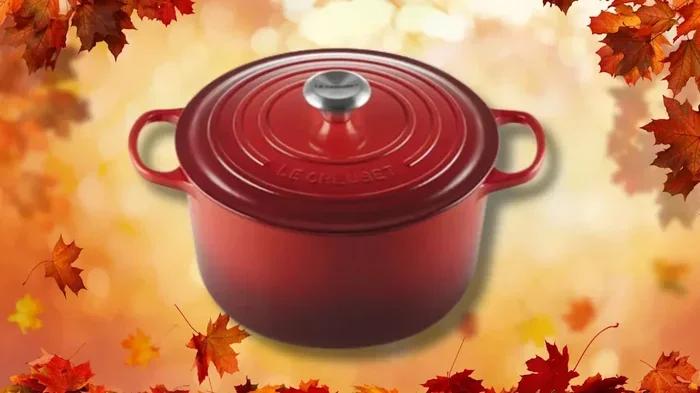
Your Le Creuset Dutch Oven is more than just a pot. It is a kitchen companion that can last a lifetime when treated right. Whether you use it for braising, slow cooking, or baking bread, this iconic piece of cast iron cookware deserves proper care. Many owners worry about maintaining the vibrant finish and cooking performance over the years. The good news is that Le Creuset Dutch Oven care is straightforward once you know the basics.
In this guide, you will find everything you need to keep your enamel cast iron in top shape. We will cover daily cleaning routines, how to tackle tough stains, and common mistakes to avoid. By the end, you will feel confident about maintaining your cookware so it keeps cooking beautifully meal after meal. Let us dive into the simple steps that make all the difference.
Key Takeaways
- Hand wash only: Avoid the dishwasher to protect the enamel coating and keep colors bright.
- Use gentle cleaning methods: Baking soda and warm water handle most stains without scratching.
- Prevent thermal shock: Never plunge a hot Dutch oven into cold water to avoid cracking.
- Dry thoroughly after washing: Moisture is the enemy of enamel cast iron and can cause rust.
- Store with care: Keep the lid slightly ajar and avoid stacking heavy items on top.
- Restore stained cookware: A simple paste of baking soda and water brings back the original finish.
- Season occasionally when needed: Light oiling helps maintain the cooking surface over time.
📑 Table of Contents
- Why Proper Care Matters for Your Le Creuset Dutch Oven
- Daily Cleaning Routine for Your Le Creuset Dutch Oven
- How to Remove Stains and Discoloration
- Common Mistakes That Damage Your Le Creuset Dutch Oven
- How to Handle and Store Your Dutch Oven Properly
- Restoring a Neglected Le Creuset Dutch Oven
- Expert Tips for Long-Term Le Creuset Dutch Oven Care
- Quick Tips for Busy Cooks
- Conclusion
Why Proper Care Matters for Your Le Creuset Dutch Oven
Le Creuset Dutch ovens are built to last. The enamel coating provides a non-reactive cooking surface that does not absorb flavors or react with acidic foods. However, enamel is not indestructible. Without proper care, it can chip, stain, or lose its luster over time. Understanding why maintenance matters helps you stay consistent with your routine.
The heat retention and heat distribution qualities of cast iron are what make this cookware so special. A well-maintained Dutch oven heats evenly and holds temperature beautifully. Neglecting care can compromise these performance benefits. Additionally, the stunning colors that Le Creuset is famous for can fade or become dull without regular attention. A little effort goes a long way in preserving both function and beauty.
The Science Behind Enamel Coating
The enamel on a Le Creuset pot is essentially glass fused to metal at very high temperatures. This creates a hard, smooth cooking surface that resists sticking and staining. Because it is glass-based, the coating does not react with food. This makes it ideal for tomato sauces, wine-based braises, and other acidic dishes.
However, the enamel can be damaged by sudden temperature changes. This is known as thermal shock. When a hot pot hits cold water, the rapid expansion and contraction can cause cracks. Understanding this helps you avoid one of the most common causes of damage. Gentle temperature transitions are the key to longevity.
Daily Cleaning Routine for Your Le Creuset Dutch Oven
Keeping your Dutch oven clean after every use is the foundation of good care. A simple routine prevents buildup and makes deep cleaning rare. The goal is to remove food residue without harsh chemicals or abrasive tools.
Step-by-Step Cleaning Process
Follow these steps after each use to keep your enamel cast iron cookware in great condition:
- Let the pot cool down naturally after cooking. Do not place a hot pot on a cold surface.
- Fill the pot with warm water to loosen any stuck-on food.
- Add a few drops of mild dish soap and use a soft sponge to gently clean the interior.
- For stubborn bits, sprinkle a small amount of baking soda and scrub with a non-abrasive pad.
- Rinse thoroughly with clean warm water.
- Dry the pot completely with a soft towel immediately after washing.
This simple routine takes only a few minutes and keeps your Dutch oven care on track. The cooking surface stays clean and ready for your next culinary creation.
What Cleaning Tools to Use
Choosing the right tools matters more than you might think. A soft sponge or microfiber cloth is your best friend. Avoid steel wool, metal scouring pads, and abrasive cleaners. These can scratch the enamel surface and dull the finish over time.
For everyday cleaning, a gentle dish soap works perfectly. If you prefer to avoid soap entirely, warm water and a baking soda paste are excellent alternatives. Some cooks also use a paste of coarse salt and water for gentle abrasion on stuck-on residue. The key is to be gentle and patient rather than aggressive.
How to Remove Stains and Discoloration
Over time, your Le Creuset Dutch Oven may develop stains or discoloration. This is completely normal and does not affect performance. However, if you want to restore the original appearance, several methods work well.
Baking Soda Paste Method
This is the most popular and effective way to remove stains from enamel cast iron. Mix three parts baking soda with one part water to form a thick paste. Spread the paste over the stained areas and let it sit for at least 30 minutes. For tough stains, you can leave it overnight.
After the paste has had time to work, gently scrub with a soft sponge using circular motions. Rinse thoroughly with warm water and dry completely. This method is safe for regular use and will not damage the enamel coating. It works wonders on discoloration from tomato sauces, curries, and other deeply pigmented foods.
Vinegar Soak for Tough Stains
For stains that resist the baking soda method, a white vinegar soak can help. Fill the pot with equal parts water and white vinegar. Let it simmer on low heat for about 15 minutes. Then remove from heat and let it cool before scrubbing gently.
Vinegar is a natural acid that helps break down mineral deposits and food stains. After soaking, rinse the pot thoroughly with clean water and dry it completely. This method is particularly effective for hard water stains or white residue that builds up over time.
Using a Paste of Cream of Tartar
Cream of tartar is another gentle cleaning agent that works well on enamel surfaces. Mix it with a small amount of lemon juice or water to create a paste. Apply it to the stained area and let it sit for 15 to 20 minutes. Scrub gently with a soft sponge and rinse well.
This method is especially useful for light surface stains and maintaining the bright color of your Dutch oven. It is a great addition to your cleaning tips toolkit for regular maintenance.
Common Mistakes That Damage Your Le Creuset Dutch Oven
Even with the best intentions, many cooks make mistakes that shorten the life of their enamel cast iron. Knowing what to avoid is just as important as knowing what to do. Here are the most common errors and how to prevent them.
Using the Dishwasher
This is the single biggest mistake Le Creuset owners make. The harsh detergents and high heat inside a dishwasher can damage the enamel coating over time. Colors may fade, and the finish can become chalky or rough. Always hand wash your Dutch oven to preserve its appearance and integrity.
While Le Creuset states that their cookware is technically dishwasher safe, they still recommend hand washing for best results. The long-term effects of dishwasher use are not worth the convenience. A few extra minutes of hand washing will keep your pot looking brand new for years.
Thermal Shock: The Silent Killer
Thermal shock happens when there is a rapid change in temperature. This can occur when you place a hot Dutch oven on a cold countertop, add cold liquid to a hot pot, or rinse a hot pot with cold water. The sudden expansion and contraction of the material can cause cracks in the enamel.
To prevent thermal shock, always let your pot cool gradually. If you need to add liquid, use warm or room-temperature water rather than cold. Never move a hot pot directly from the oven to a cold surface. These small precautions protect the structural integrity of your cookware.
Using Metal Utensils
Metal forks, spoons, and whisks can scratch the enamel surface over time. While the enamel is hard, it is not immune to metal abrasion. Scratches create tiny grooves where food can stick and stains can develop more easily.
Instead, use wooden, silicone, or nylon utensils when cooking with your Le Creuset Dutch Oven. These materials are gentle on the cooking surface and help maintain the smooth finish. This is one of the easiest Dutch oven care habits to build.
Storing with the Lid On Tightly
Trapping moisture inside the pot by sealing the lid tightly can lead to mildew or unpleasant odors. It can also promote rust if any bare cast iron is exposed. Always store your Dutch oven with the lid slightly ajar to allow air circulation.
If you stack pots or pans, place a soft cloth or paper towel between them to prevent scratching. Never place heavy items on top of your Le Creuset, as the enamel can chip under excessive pressure.
How to Handle and Store Your Dutch Oven Properly
How you handle and store your Le Creuset Dutch Oven plays a big role in its longevity. Proper storage prevents chips, scratches, and moisture damage. A few simple habits make a huge difference.
Handling Tips for Everyday Use
Always use the handles on your Dutch oven when moving it. The enamel-coated handles are designed to stay cool on the stovetop but can get hot in the oven. Use oven mitts or pot holders to protect your hands. Never grab the lid by the knob alone, as the heat can transfer through it.
When placing your pot on the stove or in the oven, set it down gently. Avoid dropping or banging it against hard surfaces. Even though enamel cast iron is sturdy, rough handling can cause chips or cracks in the coating.
Best Storage Practices
Store your Dutch oven in a cool, dry place. Moisture is the enemy of all cast iron cookware, including enameled versions. If your kitchen is particularly humid, consider placing a small packet of silica gel or uncooked rice near the storage area to absorb excess moisture.
If space is tight and you need to stack your cookware, always place a protective layer between items. A soft cloth, paper towel, or even a clean dish towel works well. This prevents the enamel surfaces from rubbing against each other and causing scratches.
Restoring a Neglected Le Creuset Dutch Oven
If you have inherited a Le Creuset Dutch Oven or found one at a thrift store, it may need some restoration. Old enamel cast iron can look tired, but with the right approach, you can bring it back to life. This process requires patience and gentle effort.
Assessing the Damage
Before you begin, examine the pot carefully. Look for chips in the enamel, rust spots, or deep discoloration. Minor surface stains and light discoloration are easy to fix. However, if the enamel is deeply chipped or rust has penetrated the cast iron beneath, the pot may need professional restoration or replacement.
Small chips in the enamel coating are common and usually not a safety concern. They do not affect cooking performance. However, large chips can expose the bare cast iron underneath, which may rust if not properly cared for.
Deep Cleaning a Neglected Pot
Start by soaking the pot in warm water for several hours to loosen dried food residue. Then apply a generous layer of baking soda paste and let it sit overnight. The next day, scrub gently with a non-abrasive sponge and rinse thoroughly.
For stubborn stains, repeat the vinegar soak method described earlier. You may need to do this several times for heavily stained cookware. Be patient and avoid the temptation to use harsh chemicals or abrasive scrubbers. Gentle persistence is the key to restoring enamel cast iron without causing further damage.
Expert Tips for Long-Term Le Creuset Dutch Oven Care
Beyond the basics, there are several expert-level tips that will help you get the most out of your Le Creuset Dutch Oven for decades. These insights come from experienced cooks and Le Creuset care recommendations.
Oil the Exterior Occasionally
While the interior enamel coating does not need seasoning like bare cast iron, the exterior and lid can benefit from occasional oiling. Apply a thin layer of food-safe mineral oil with a soft cloth after cleaning and drying. This helps maintain the finish and keeps the exterior looking rich and vibrant.
Cook with Care for Acidic Foods
Le Creuset Dutch ovens are designed to handle acidic foods like tomatoes and wine-based sauces. However, prolonged cooking of highly acidic ingredients can gradually affect the enamel surface over many years. To be safe, avoid cooking highly acidic foods for extremely long periods, and clean the pot promptly after use.
Use Low to Medium Heat
Cast iron excels at heat retention, which means it does not need high heat to cook effectively. Using low to medium heat settings preserves the enamel coating and prevents discoloration. High heat can cause the enamel to become discolored or develop a rough texture over time. Your Dutch oven will cook beautifully at lower temperatures thanks to its excellent thermal properties.
Regular Inspection
Make it a habit to inspect your Dutch oven regularly for any signs of damage. Check for chips, cracks, or rust spots. Catching issues early allows you to address them before they become bigger problems. A quick visual check after each deep cleaning session takes only a minute and can save you from costly repairs later.
Quick Tips for Busy Cooks
If you are short on time, here are some quick cleaning tips you can follow without a full routine:
- Soak immediately after use: Warm water for 10 minutes loosens most food residue quickly.
- Keep baking soda handy: A quick paste treatment takes only five minutes for light stains.
- Always dry completely: A thorough towel dry takes less than a minute and prevents moisture damage.
- Store with the lid propped open: This simple habit prevents odors and moisture buildup.
- Avoid soaking overnight regularly: While occasional soaking is fine, make it a habit to clean soon after cooking.
These small habits add up to significant protection for your enamel cast iron cookware. Consistency matters more than intensity when it comes to maintaining your Le Creuset Dutch Oven.
Conclusion
Caring for your Le Creuset Dutch Oven does not have to be complicated or time-consuming. With a few simple habits, you can keep your enamel cast iron cookware looking beautiful and performing at its best for many years. Hand washing, gentle cleaning, proper storage, and avoiding thermal shock are the cornerstones of excellent maintenance.
The Dutch oven care routine you build today will pay off tomorrow when your pot still looks as stunning as the day you bought it. Remember to clean after every use, treat stains promptly, and handle your cookware with care. Whether you are braising short ribs, baking sourdough bread, or simmering a hearty stew, your well-maintained Dutch oven will deliver consistent, excellent results every time.
Start applying these tips today and enjoy the confidence that comes with knowing your favorite cookware is protected. A little attention goes a long way, and your Le Creuset Dutch Oven will reward you with countless delicious meals for years to come.
Frequently Asked Questions
Can I put my Le Creuset Dutch Oven in the dishwasher?
While Le Creuset states their cookware is dishwasher safe, hand washing is strongly recommended. The harsh detergents and high heat in dishwashers can dull the enamel finish and cause discoloration over time. Hand washing with mild soap and a soft sponge is the best way to preserve the appearance and longevity of your pot.
Why is my Le Creuset Dutch Oven turning white inside?
White discoloration on the interior of your Dutch Oven is usually caused by mineral deposits from hard water or overheating. This is purely cosmetic and does not affect cooking performance. A baking soda paste or a vinegar soak will effectively remove white spots and restore the original look of your enamel cast iron cookware.
How do I remove rust from my Le Creuset Dutch Oven?
If you notice rust spots, they are likely on the bare cast iron areas, such as the rim or where the enamel has chipped. Make a paste of baking soda and water, apply it to the rusted area, and let it sit for 30 minutes. Scrub gently with a soft sponge, rinse well, and dry completely. For persistent rust, a vinegar soak followed by thorough drying usually does the trick.
Can I use metal utensils with my Le Creuset Dutch Oven?
It is best to avoid metal utensils, as they can scratch the enamel surface over time. Wooden, silicone, or nylon utensils are gentle on the cooking surface and help maintain the smooth finish. Protecting the enamel coating ensures your Dutch oven continues to perform beautifully and looks great for years.
How often should I deep clean my Le Creuset Dutch Oven?
A deep clean is typically needed once a month or whenever you notice stubborn stains or discoloration. Between deep cleans, follow your daily cleaning routine of hand washing with warm water and mild soap. Regular maintenance makes deep cleaning much easier and less frequent over time.
Is it safe to cook acidic foods in a Le Creuset Dutch Oven?
Yes, Le Creuset Dutch ovens are designed to handle acidic foods like tomatoes, wine, and citrus. The enamel coating creates a non-reactive cooking surface that does not interact with acidic ingredients. However, avoid cooking highly acidic foods for extremely long periods, and always clean the pot promptly after use to maintain the enamel finish.