Here Is What Happens If You Leave Oven On Overnight
Leaving your oven on overnight is a serious safety risk that can lead to fires, carbon monoxide poisoning, and gas leaks. Both gas and electric ovens pose significant hazards when left unattended for hours while you sleep. Understanding these dangers and following simple prevention steps can keep your home and family safe.
Have you ever walked past your kitchen late at night and wondered, “Is my oven still on?” You are not alone. Many people worry about this, especially after a long day of cooking or baking. The truth is, leaving your oven on overnight is more dangerous than most people realize. It is not just a small concern. It is a real risk that can lead to devastating consequences.
In this article, we will cover everything you need to know about what happens when you leave your oven on overnight. We will talk about fire risks, gas dangers, energy costs, and much more. By the end, you will know exactly how to keep your home safe. Let us dive in.
Key Takeaways
- Fire Hazard: An oven left on overnight can ignite nearby items and cause a house fire.
- Carbon Monoxide Risk: Gas ovens produce CO, which is deadly in enclosed spaces.
- Energy Waste: Running an oven all night wastes significant electricity or gas.
- Electrical Malfunction: Faulty ovens can overheat and cause electrical fires.
- Prevention Is Simple: Timers, auto-shutoff features, and routine checks prevent accidents.
- Know Your Oven: Gas and electric ovens carry different risks that you should understand.
- Smoke Detectors Save Lives: Working detectors alert you before danger escalates.
📑 Table of Contents
- Can You Leave an Oven On Overnight?
- Fire Hazards of Leaving Your Oven On Overnight
- Carbon Monoxide Dangers from Gas Ovens
- Energy Waste and Costs of Running an Oven All Night
- Electrical Malfunctions and Appliance Risks
- How to Prevent Oven Accidents at Night
- What If You Already Left Your Oven On Overnight?
- Common Mistakes People Make with Their Ovens
- Conclusion
Can You Leave an Oven On Overnight?
The short answer is no. You should never leave your oven on overnight without proper precautions. Most oven manufacturers explicitly warn against this. Even if your oven seems fine, the risks are real and serious. Let us break down why this is such a big deal.
Oven Safety Should Always Come First
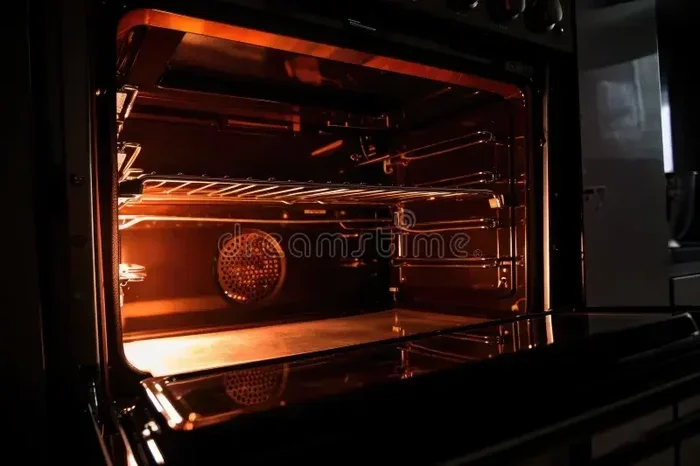
Your oven is a powerful appliance. It gets extremely hot. When you leave it running for many hours, things can go wrong. The thermostat might fail. The timer might stop working. A small spark could ignite something nearby. These are not far-fetched scenarios. They happen more often than you think.
Home safety experts strongly advise against unattended cooking. This includes leaving the oven on while you sleep. Sleep means you cannot react quickly if something goes wrong. That delay can be deadly.
Different Ovens, Different Risks
Not all ovens carry the same level of danger. Gas and electric ovens pose different risks. Let us look at each type more closely.
Gas Ovens: Gas ovens use natural gas or propane. If the gas line has a leak, leaving the oven on makes it worse. A gas leak in an enclosed space can lead to carbon monoxide poisoning. This is a silent killer. You cannot see it, smell it fully, or taste it. It can make you sick or even kill you while you sleep.
Electric Ovens: Electric ovens do not produce carbon monoxide. However, they still pose a fire risk. Wiring can short out. Heating elements can fail. Nearby curtains, towels, or paper can catch fire. An electric oven left on all night is still a serious hazard.
Fire Hazards of Leaving Your Oven On Overnight
Fire is the biggest danger of leaving an oven on overnight. This is not scare tactics. It is a well-documented fact. The U.S. Fire Administration reports that cooking equipment causes thousands of house fires every year. Many of these happen when people are asleep.
How Oven Fires Start
An oven fire can start in several ways. Grease or food residue inside the oven can ignite. A faulty thermostat can cause the oven to overheat beyond safe limits. Electrical shorts in the wiring can spark a flame. Even a small crumb on the bottom of the oven can catch fire at high temperatures.
Here are common ways an oven fire begins overnight:
- Grease buildup: Grease inside the oven can ignite at high temperatures.
- Food left inside: Forgotten food can overflow, smoke, and catch fire.
- Faulty wiring: Old or damaged wiring can spark and start a flame.
- Nearby combustibles: Oven mitts, paper towels, or curtains near the oven can catch fire.
- Thermostat failure: A broken thermostat can cause the oven to keep heating uncontrollably.
Real-Life Consequences
Oven fires can spread fast. Once a flame catches a nearby curtain or cabinet, the fire grows rapidly. You may not wake up in time. Smoke inhalation is just as dangerous as the flames themselves. A small oven fire can destroy an entire house within minutes.
The best way to prevent this is simple. Never leave your oven on when you go to bed. If you must use it late at night, set multiple timers. Stay awake until the oven turns off. This one habit can save your life.
Carbon Monoxide Dangers from Gas Ovens
If you have a gas oven, the risk of carbon monoxide poisoning is very real. Carbon monoxide, or CO, is a colorless and odorless gas. It is produced when gas burns incompletely. A gas oven left on overnight in a closed house can produce dangerous levels of CO.
Why Carbon Monoxide Is So Dangerous
Carbon monoxide is called the “silent killer” for a reason. You cannot see it. You cannot smell it. By the time you notice symptoms, it may be too late. Early symptoms include headaches, dizziness, and nausea. These feel like the flu, so many people ignore them. But CO can quickly lead to unconsciousness and death.
Sleeping in a house with elevated CO levels is extremely dangerous. You may never wake up. This is why gas oven safety is so critical.
How to Protect Yourself
Here are steps you can take to reduce CO risks:
- Install CO detectors: Place them near bedrooms and the kitchen.
- Never use a gas oven for heating: Some people do this in winter. It is extremely dangerous.
- Keep vents clear: Make sure your kitchen ventilation is working properly.
- Get regular inspections: Have a professional check your gas lines and oven annually.
- Turn the oven off completely: Do not just set it to a low temperature. Turn it off entirely.
A working carbon monoxide detector can save your life. Test it regularly and replace the batteries twice a year.
Energy Waste and Costs of Running an Oven All Night
Beyond safety risks, leaving your oven on overnight wastes a lot of energy. This hits your wallet hard. Most ovens use between 2,000 and 5,000 watts of power. Running one for 8 to 10 hours costs a significant amount of money.
Electricity Costs Add Up
Let us do a quick calculation. An average electric oven uses about 2.5 kWh per hour. If you leave it on for 8 hours, that is 20 kWh. At an average rate of $0.15 per kWh, that is about $3 just for one night. Over a month, that adds up to $90 or more if you do this regularly.
For gas ovens, the cost is lower but still adds up. Natural gas ovens use about 0.1 to 0.2 therms per hour. Running one all night can waste several dollars in gas. Over time, this wasted energy costs a surprising amount.
Environmental Impact
Wasting energy is bad for the environment too. Every unnecessary hour of oven use increases your carbon footprint. Being mindful of your energy use helps the planet and your budget.
Quick Tip: If you need to keep food warm overnight, use a slow cooker or a thermal cooker instead. These use far less energy and are much safer.
Electrical Malfunctions and Appliance Risks
Even if your oven is in good condition, leaving it on overnight increases the chance of electrical malfunctions. Appliances wear out over time. Parts can fail without warning. The longer an oven runs, the more stress it puts on its internal components.
Common Electrical Problems
Here are some electrical issues that can occur when an oven runs for many hours straight:
- Overheated wiring: Internal wires can overheat and melt, causing shorts.
- Failing relays: The relay switch that controls heat can malfunction.
- Circuit overload: Running an oven all night can trip your home’s circuit breaker.
- Damaged heating elements: The bake or broil elements can burn out or spark.
Older Ovens Are Higher Risk
If you have an older oven, the risk is even higher. Older models may not have modern safety features like auto-shutoff or fault detection. Wiring in older homes may not be rated for continuous high-draw appliances. If your oven is more than 15 years old, consider upgrading to a newer model with better safety features.
Expert Insight: Many modern ovens now come with built-in auto-shutoff timers. If you are in the market for a new oven, look for models with this feature. It adds a valuable layer of protection for your home.
How to Prevent Oven Accidents at Night
The good news is that preventing oven accidents is straightforward. A few simple habits can make a huge difference. Here are practical steps you can take tonight.
Use Timers and Auto-Shutoff Features
Most modern ovens have built-in timers. Set the timer before you start cooking. When the timer goes off, the oven should turn off automatically. If your oven does not have this feature, use a separate kitchen timer or your phone.
Never rely on your memory alone. When you are tired at the end of a long day, it is easy to forget things. A timer removes the guesswork.
Clean Your Oven Regularly
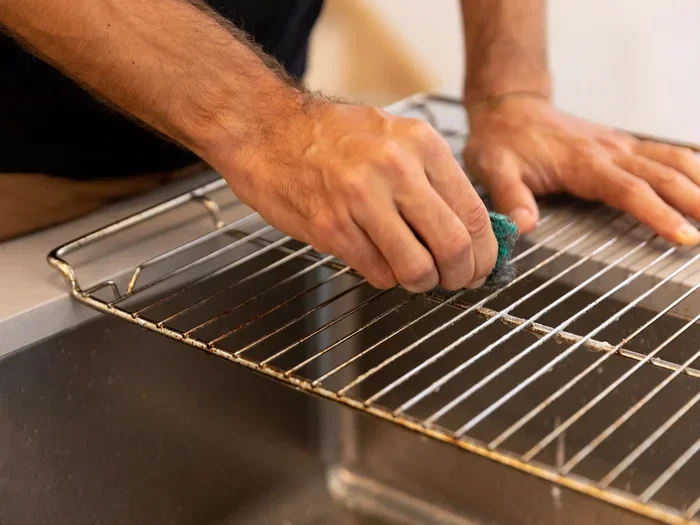
Grease and food buildup inside the oven is a fire hazard. Clean your oven regularly to reduce this risk. Pay special attention to the bottom of the oven where crumbs and drips collect. A clean oven is a safer oven.
Keep the Area Around the Oven Clear
Make sure nothing flammable is near your oven. This includes oven mitts, paper towels, plastic containers, and curtains. Keep at least 12 inches of clear space around the oven at all times.
Install and Test Smoke Detectors
A working smoke detector is your best line of defense against oven fires. Install smoke detectors in the kitchen and near bedrooms. Test them once a month. Replace the batteries at least once a year.
Quick Tips for Smoke Detector Safety:
- Test detectors monthly by pressing the test button.
- Replace batteries every six months.
- Replace the entire unit every 10 years.
- Clean detectors gently to remove dust and cobwebs.
Never Use the Oven for Heating
Some people use their oven to heat the kitchen on cold nights. This is a very bad idea. It is inefficient, dangerous, and increases the risk of fire and CO poisoning. Use a space heater designed for room heating instead. These are much safer and more efficient.
What to Do If You Smell Gas
If you have a gas oven and you smell gas near the oven, act immediately. Do not turn the oven on or off. Do not flip any light switches. Open windows and leave the house. Call your gas company or 911 from outside. Gas leaks are emergencies and should never be taken lightly.
What If You Already Left Your Oven On Overnight?
If you realize you left your oven on overnight, do not panic. Here is what you should do step by step:
- Do not open the oven door immediately. Sudden exposure to air can feed a hidden fire.
- Turn the oven off at the control panel or unplug it.
- Check for unusual smells or smoke. If you see smoke, leave the house and call 911.
- Ventilate the room. Open windows to let any gas or smoke dissipate.
- Inspect the oven. Once it is cool, check for any signs of damage or burning.
- Replace the oven if needed. If internal components were damaged, have a professional inspect it before using it again.
Most of the time, if you caught it early, there is no real damage. But it is always better to be safe than sorry. Make this a lesson and set a timer from now on.
Common Mistakes People Make with Their Ovens
Many oven accidents happen because of simple mistakes. Here are the most common ones to avoid:
- Forgetting to turn the oven off after cooking. This is the #1 cause of overnight oven accidents.
- Setting the oven to a very low temperature and assuming it is safe. Even low temperatures can cause fires over many hours.
- Ignoring strange smells or noises. If your oven smells funny or makes unusual sounds, turn it off and get it checked.
- Using the oven past its recommended lifespan. Most ovens last 10 to 15 years. Older models are more dangerous.
- Not reading the owner’s manual. Your manual contains important safety information specific to your model.
Avoiding these mistakes can greatly reduce your risk of an oven-related accident at home.
Conclusion
Leaving your oven on overnight is never a good idea. The risks are real and serious. Fire hazards, carbon monoxide poisoning, electrical malfunctions, and wasted energy are all very real dangers. The good news is that these risks are entirely preventable with a few simple habits.
Always turn off your oven before going to bed. Use timers. Keep your oven clean. Install smoke and CO detectors. These small steps make a huge difference. Your safety and the safety of your family depend on the choices you make every day in your kitchen.
Take a few minutes tonight to check your oven. Make sure it is off. Test your detectors. You will sleep much better knowing you have taken the right steps to protect your home.
Remember, an oven is a wonderful kitchen tool. But it must be used responsibly. Treat your oven with care, and it will serve you well for years to come.
Frequently Asked Questions
Can leaving an oven on overnight cause a house fire?
Yes, absolutely. An oven left on overnight is a leading cause of house fires. Grease buildup, faulty wiring, and nearby combustibles can all ignite. The risk is even higher when no one is awake to notice and respond to a fire in its early stages.
Is it safe to leave a gas oven on overnight on low heat?
No, it is not safe. Even on low heat, a gas oven produces carbon monoxide. In a closed room, CO levels can rise to dangerous amounts. Additionally, the risk of gas leaks and electrical malfunctions increases with prolonged use. Always turn off your gas oven before sleeping.
What should I do if I smell gas near my oven?
If you smell gas, do not turn any switches on or off. Do not use the oven. Open windows, leave the house immediately, and call your gas company or 911 from outside. Gas leaks are emergencies and require immediate action.
How can I prevent oven accidents at night?
Set a timer before cooking and never rely on memory alone. Install smoke and carbon monoxide detectors near the kitchen and bedrooms. Keep the oven area clean and free of flammable items. Turn the oven off completely before going to bed. These simple habits can prevent most oven accidents.
Do modern ovens have auto-shutoff features?
Many modern ovens do come with auto-shutoff timers and safety features. However, you should never rely solely on these features. Always manually turn off your oven when you are done using it. Auto-shutoff is a backup, not a replacement for safe habits.
What is the cost of leaving an electric oven on overnight?
Leaving an electric oven on for 8 to 10 hours can cost between $2.50 and $5 per night, depending on your local electricity rates. Over time, this adds up significantly. Beyond the cost, it wastes energy and increases your carbon footprint unnecessarily.