How to Reheat Frozen Pasta in the Oven Step by Step
Reheating frozen pasta in the oven is the best way to bring back its original flavor and texture. This guide walks you through every step, from preparation to serving. You will learn the ideal temperature, timing, and pro tips that make a real difference. Whether you have frozen spaghetti, lasagna, or baked ziti, this method works for all types of pasta dishes.
There is nothing quite like a comforting bowl of pasta. It is one of those meals that never gets old, no matter how many times you eat it. But here is the thing sometimes you cook too much, or you buy frozen pasta to save for later. The question then becomes how do you reheat it without ruining the taste and texture?
If you have ever tossed frozen pasta into the microwave and ended up with a soggy, uneven mess, you are not alone. The microwave might be fast, but it does not do justice to your leftover frozen pasta dishes. The oven, on the other hand, brings back that fresh-baked feel. It warms things evenly, crisps up the top, and keeps the sauce right where it belongs.
This article will show you exactly how to reheat frozen pasta in the oven step by step. We will cover temperatures, timing, tips, and mistakes to avoid. By the end, you will never have to settle for a sad, rubbery bowl of leftovers again.
Key Takeaways
- Oven reheating preserves texture: The oven restores the crispy top and evenly heats frozen pasta far better than a microwave.
- 350°F is the magic temperature: Most frozen pasta dishes reheat perfectly at 350 degrees Fahrenheit in 20 to 40 minutes.
- Cover with foil first: Trapping steam with aluminum foil keeps the pasta moist while the inside warms through.
- Add a splash of water or sauce: This prevents dried-out pasta and keeps every bite flavorful.
- Let it rest before serving: Allowing the pasta to sit for a few minutes ensures even heat distribution.
- Avoid common mistakes: Skipping the thaw, using too-high heat, and forgetting to add moisture are the top errors to watch for.
📑 Table of Contents
- Why Reheating Frozen Pasta in the Oven Works Best
- Step-by-Step Guide to Reheating Frozen Pasta in the Oven
- Best Oven Temperatures for Reheating Frozen Pasta
- Tips for Perfectly Reheated Frozen Pasta
- Common Mistakes to Avoid When Reheating Frozen Pasta
- Frozen Pasta vs Leftover Pasta: Reheating Differences
- Can You Reheat Other Frozen Pasta Dishes in the Oven?
- Frequently Asked Questions
- Conclusion
Why Reheating Frozen Pasta in the Oven Works Best
When it comes to reheating frozen pasta, the oven is your best friend. But why? What makes it better than other methods? Let us break it down.
Even Heat Distribution
The oven surrounds your food with warm air on all sides. This means every layer of your pasta gets heated evenly. No cold spots in the middle. No burnt edges. Just consistent warmth from top to bottom.
A microwave, by contrast, heats unevenly. It zaps certain areas harder than others. This creates a hot-and-cold mess that nobody enjoys. The oven solves this problem completely.
Restores Texture
One of the biggest complaints about reheated pasta is the texture. It can turn mushy, dry, or rubbery. But when you use the oven, you get a chance to restore that original bite. The dry heat helps the pasta maintain its structure while warming the sauce evenly.
If your dish has a cheese crust or breadcrumb topping, the oven is even better. It crisps things up beautifully. You will get that golden, bubbly top that makes frozen pasta bake dishes taste almost as good as fresh.
Better Moisture Control
Ovens allow you to control moisture more precisely. You can cover the dish with foil to trap steam, or leave it uncovered to let the top crisp. This level of control simply does not exist in a microwave.
When you reheat frozen pasta in the oven, you decide how much moisture stays in the dish. This is especially important for pasta dishes with creamy sauces or béchamel. Those sauces can split in a microwave but hold up beautifully in the oven.
Step-by-Step Guide to Reheating Frozen Pasta in the Oven
Now let us get into the practical part. Here is exactly how to reheat frozen pasta in the oven like a pro. Follow these steps and you will get perfect results every single time.
Step 1: Preheat Your Oven
Start by preheating your oven to 350 degrees Fahrenheit. This is the sweet spot for most frozen pasta dishes. It is hot enough to warm things through quickly but not so hot that it dries everything out.
While the oven is heating up, take your frozen pasta out of the freezer. Let it sit at room temperature for about 10 to 15 minutes. This small step helps the pasta heat more evenly once it goes into the oven.
Step 2: Choose the Right Dish
Use an oven-safe dish for this process. Glass or ceramic dishes work best because they distribute heat evenly. Avoid plastic containers, as they cannot handle high temperatures.
If your frozen pasta is still in its original packaging, transfer it to a proper dish. Most frozen pasta containers are not designed for oven use. A shallow, wide dish also works better than a deep one because it allows heat to reach the center faster.
Step 3: Add Moisture
This is the step most people skip, and it makes a huge difference. Before placing the dish in the oven, add a splash of water or extra sauce to the pasta. About two to three tablespoons should do the trick.
The moisture creates steam as it heats, which keeps the pasta from drying out. This is especially important for frozen spaghetti or noodle-based dishes that tend to lose moisture during freezing.
Step 4: Cover with Aluminum Foil
Tightley cover your dish with aluminum foil. The foil traps steam and heat, creating a mini oven inside the dish. This ensures the pasta warms through without the top burning or the edges drying out.
Make sure the foil creates a good seal but does not touch the food directly. You can gently tent the foil over the dish so it stays in place without pressing down on the pasta.
Step 5: Bake for 20 to 40 Minutes
Place the covered dish in the preheated oven. The baking time depends on the size and depth of your dish.
For a single serving in a shallow dish, 20 to 25 minutes should be enough. For a larger, deeper dish like a frozen lasagna, you may need 30 to 40 minutes. The key is to check for doneness by seeing if the center is hot to the touch.
Step 6: Remove the Foil and Crisp the Top
After the initial baking time, carefully remove the foil. Be careful of the steam, as it will be hot. Now increase the oven temperature to 375 degrees Fahrenheit or leave it at 350 and let the dish bake uncovered for another 5 to 10 minutes.
This step gives you that beautiful crispy top. The cheese will bubble and turn golden. The edges will get slightly crispy, adding a wonderful contrast to the soft pasta underneath.
Step 7: Rest and Serve
Take the dish out of the oven and let it rest for 3 to 5 minutes. This resting period allows the heat to distribute evenly throughout the dish. It also makes serving easier because the pasta will hold its shape better.
Serve immediately while it is still hot. Enjoy that perfectly reheated frozen pasta that tastes almost as good as the first time around.
Best Oven Temperatures for Reheating Frozen Pasta
Temperature matters a lot when you are reheating frozen pasta in the oven. Too low, and the pasta takes forever to warm through. Too high, and the edges burn while the center stays frozen. Here is a breakdown of the best temperatures for different types of pasta dishes.
| Pasta Dish Type | Recommended Temperature | Approximate Time |
|---|---|---|
| Frozen Spaghetti with Sauce | 350 degrees Fahrenheit | 20 to 25 minutes |
| Frozen Lasagna | 350 degrees Fahrenheit | 35 to 45 minutes |
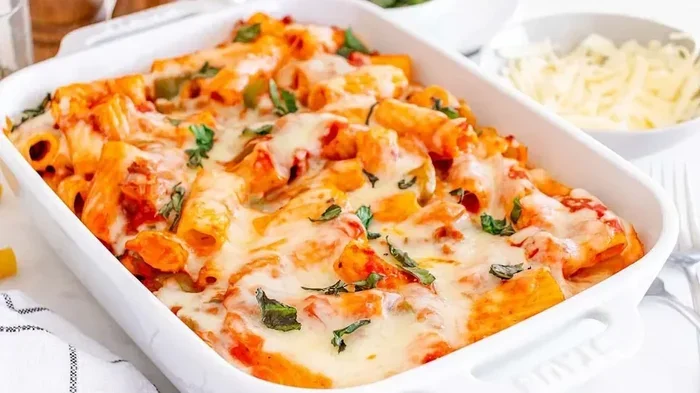
| Frozen Baked Ziti | 350 degrees Fahrenheit | 25 to 35 minutes |
| Frozen Pasta Casserole | 375 degrees Fahrenheit | 30 to 40 minutes |
| Frozen Stuffed Pasta (Ravioli/Tortellini) | 350 degrees Fahrenheit | 20 to 30 minutes |
| Frozen Mac and Cheese | 350 degrees Fahrenheit | 25 to 30 minutes |
These temperatures work because they balance speed with gentle, even heating. The 350-degree range is the most versatile and works for nearly every type of frozen pasta meal. The slightly higher 375-degree option is great for dishes that need extra crisping on top.
Always use an oven thermometer if you are unsure about your oven’s accuracy. Many ovens run hot or cold by 10 to 25 degrees, which can affect your results. A reliable thermometer takes the guesswork out of the equation.
Tips for Perfectly Reheated Frozen Pasta
Getting great results is easy when you follow a few simple guidelines. These pasta reheating tips will help you avoid common pitfalls and achieve restaurant-quality results at home.
Use a Light Coat of Olive Oil
Before reheating, drizzle a small amount of olive oil over your frozen pasta. This adds moisture and prevents the noodles from sticking together. It also adds a subtle richness that enhances the overall flavor.
Stir Halfway Through
For saucy pasta dishes like frozen spaghetti or baked ziti, stir the pasta gently halfway through the reheating process. This redistributes the heat and ensures the bottom layers warm up at the same rate as the top layers.
Add Fresh Herbs at the End
Reheating can dull the flavor of herbs. To bring your dish back to life, sprinkle fresh basil, parsley, or oregano on top after baking. This small addition makes a noticeable difference in taste and aroma.
Invest in Oven-Safe Containers
Not all containers are created equal. Glass and ceramic oven-safe dishes heat evenly and retain warmth well. Avoid metal containers that are too thin, as they can cause hot spots and uneven heating.
Do Not Overcrowd the Dish
When reheating a large batch, spread the pasta out in the dish rather than piling it high. Overcrowding traps steam and creates soggy pasta. A wider, shallower dish gives you better results because more surface area is exposed to the oven’s heat.
Common Mistakes to Avoid When Reheating Frozen Pasta
Even with the best intentions, it is easy to make mistakes when reheating frozen pasta in the oven. Here are the most common errors and how to avoid them.
Skipping the Preheat
Never put frozen pasta into a cold oven. A cold start leads to uneven heating and a longer overall cooking time. Always preheat the oven first so the pasta goes into a hot environment immediately.
Using Too High a Temperature
Cranking the oven up to 400 or 425 degrees might seem faster, but it causes the edges to burn before the center warms through. Stick to 350 degrees for the best results. Patience is key when reheating frozen food.
Forgetting to Add Moisture
Frozen pasta loses moisture during the freezing process. If you do not add water or sauce before reheating, you will end up with dry, clumpy pasta. Always add at least a small splash of liquid before baking.
Leaving the Foil On the Entire Time
While the foil is essential for the initial heating phase, leaving it on the entire time prevents the top from crisping. Remove the foil during the last few minutes of baking to get that golden, appetizing finish.
Not Checking for Doneness
Every oven is different, and the thickness of your pasta dish varies. Always check that the center is hot before serving. Use a fork to pull apart a section and confirm the heat has reached the middle.
Reheating More Than Once
Reheating the same portion of pasta twice is a food safety risk and also degrades the quality significantly. Only reheat what you plan to eat in one sitting. Store any leftovers properly and enjoy them fresh the next day.
Frozen Pasta vs Leftover Pasta: Reheating Differences
There is an important distinction between reheating frozen pasta and reheating leftover pasta that has been stored in the refrigerator. Understanding this difference helps you adjust your approach for the best results.
Thawing Considerations
Leftover pasta from the fridge can go straight into the oven because it is already at a safe temperature. Frozen pasta, however, needs a different approach. You can either bake it from frozen or let it thaw slightly first.
Baking from frozen works well for dishes with sauce, like frozen lasagna or baked ziti. The sauce provides enough moisture to prevent the pasta from drying out. For simpler dishes like frozen spaghetti, a brief thaw of 10 to 15 minutes on the counter can help ensure more even heating.
Timing Adjustments
Frozen pasta takes longer to reheat than refrigerated leftover pasta. Add about 5 to 10 extra minutes to your baking time when working with frozen food. Always check for doneness rather than relying solely on the timer.
Moisture Needs
Frozen pasta requires more added moisture than refrigerated pasta. The freezing process draws water out of the noodles and sauce. Adding a splash of water, broth, or extra sauce before reheating compensates for this loss and keeps the dish tasting fresh.
Expert chefs recommend this approach for the best results. As one pasta reheating expert notes, “The difference between good reheated pasta and great reheated pasta comes down to three things: temperature control, moisture management, and patience.”
Can You Reheat Other Frozen Pasta Dishes in the Oven?
Absolutely. The how to reheat frozen pasta in the oven method works for a wide variety of dishes beyond plain spaghetti. Here are some popular options and how they perform in the oven.
Frozen Lasagna: This is one of the most popular frozen pasta meals. Lasagna reheats beautifully in the oven because the layers of sauce, cheese, and pasta retain moisture well. Cover with foil for the first 30 minutes, then uncover for the last 10 to 15 minutes to brown the top.
Frozen Ravioli or Tortellini: These smaller pasta shapes reheat faster than large baked dishes. A covered dish at 350 degrees for 15 to 20 minutes works perfectly. Add a bit of extra sauce to keep the filling moist.
Frozen Baked Ziti: Similar to lasagna, baked ziti benefits from the covered-then-uncovered method. The cheese topping crisps up wonderfully in the last few minutes of baking.
Frozen Mac and Cheese: This comfort food classic needs extra moisture during reheating. Add a tablespoon of milk or cream before baking to keep the cheese sauce creamy and smooth.
Frozen Stuffed Shells: These work great in the oven at 350 degrees for 25 to 30 minutes. The filling heats through evenly, and the cheese exterior gets nicely bubbly and golden.
Frequently Asked Questions
Can I reheat frozen pasta directly from the freezer without thawing?
Yes, you absolutely can. Most frozen pasta dishes can go straight from the freezer to the oven. The key is to use the right temperature and give it enough time. Cover the dish with foil and bake at 350 degrees Fahrenheit. The sauce provides enough moisture to prevent the pasta from drying out during the reheating process.
How long does it take to reheat frozen pasta in the oven?
The reheating time depends on the size and depth of your dish. A single serving in a shallow dish takes about 20 to 25 minutes. A large frozen lasagna may need 35 to 45 minutes. Always check that the center is hot before serving. If it is still cold in the middle, add a few more minutes and check again.
Is it safe to reheat frozen pasta in the oven?
Yes, it is completely safe. The oven heats food evenly and brings it to a safe internal temperature. Make sure the pasta reaches at least 165 degrees Fahrenheit in the center. Using an oven-safe dish and covering with foil helps ensure safe, thorough reheating of your frozen food.
Can I use a convection oven to reheat frozen pasta?
Yes, a convection oven works well for reheating frozen pasta. Reduce the temperature by about 25 degrees Fahrenheit, so use 325 degrees instead of 350. The fan circulates hot air more efficiently, which means slightly shorter cooking times. Check the pasta a few minutes earlier than you normally would to prevent overcooking.
Why did my reheated frozen pasta turn out dry?
Dry reheated pasta usually happens for one of three reasons: not enough moisture was added before baking, the dish was left uncovered for too long, or the oven temperature was too high. To fix this, always add a splash of water or sauce before reheating, cover with foil during the main heating phase, and keep the temperature at 350 degrees Fahrenheit.
What is the best way to store leftover pasta for reheating later?
Store leftover pasta in an airtight container in the refrigerator for up to 3 to 5 days. For longer storage, freeze the pasta in an oven-safe dish wrapped tightly with foil or plastic wrap. When you are ready to eat, you can reheat it straight from the frozen state using the oven method described above. This approach keeps your leftover pasta tasting fresh and flavorful for weeks.
Conclusion
Reheating frozen pasta in the oven is simple, effective, and produces far better results than any other method. The oven brings back the texture, flavor, and warmth that make your favorite pasta dishes so satisfying. By following the steps outlined in this guide, you can enjoy restaurant-quality pasta any time you want.
Remember the key points: preheat to 350 degrees, add moisture, cover with foil, and finish uncovered for a crispy top. Avoid the common mistakes like skipping the preheat or using too-high temperatures. With a little patience and attention, your frozen pasta will taste almost as good as the day you first made it.
Now that you know exactly how to reheat frozen pasta in the oven, put this knowledge to work. Try it with your next batch of leftovers or frozen meal prep. You will taste the difference immediately, and you will never go back to the microwave again. Your pasta deserves better, and now you know how to give it exactly that.