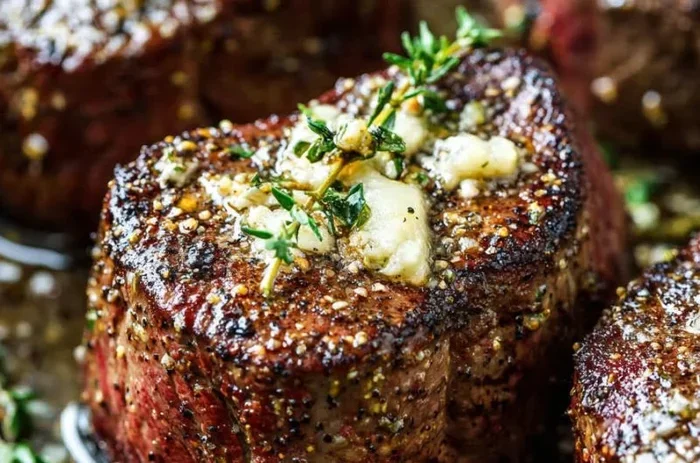
Can Filet Mignon Be Cooked In The Oven Successfully
Yes, you can absolutely cook filet mignon in the oven and get restaurant-quality results at home. The oven method gives you a beautiful, even cook with a juicy pink center. Whether you use the reverse sear or a simple bake-and-broil approach, this guide covers everything you need to know about cooking filet mignon in the oven perfectly.
Key Takeaways
- Oven cooking works great: Filet mignon thrives in the oven with the right temperature and timing.
- The reverse sear method delivers the most consistent, restaurant-quality results for thick cuts.
- Internal temperature matters: Use a meat thermometer to hit your desired doneness every single time.
- Resting the steak after cooking is non-negotiable for keeping those juices locked in.
- Avoid common mistakes like skipping the sear, overcooking, or not letting the steak come to room temperature first.
- Season simply but well: Salt, pepper, garlic, and fresh herbs go a long way with premium beef.
- Thick cuts (1.5 to 2 inches) are ideal for oven cooking and give you more control over doneness.
📑 Table of Contents
- Can You Really Cook Filet Mignon in the Oven?
- Why the Oven Works Great for Filet Mignon
- How to Cook Filet Mignon in the Oven Step by Step
- The Reverse Sear Method for Perfect Filet Mignon
- Best Oven Temperatures and Times for Filet Mignon
- Common Mistakes to Avoid When Cooking Filet Mignon in the Oven
- Serving Suggestions and Pairings for Oven-Cooked Filet Mignon
- How Filet Mignon Compares to Other Steaks for Oven Cooking
- Expert Tips for the Best Oven-Cooked Filet Mignon
- Final Thoughts on Cooking Filet Mignon in the Oven
Can You Really Cook Filet Mignon in the Oven?
Let’s cut right to the chase. Can filet mignon be cooked in the oven? Absolutely, yes. And it might just become your new favorite way to prepare this premium cut of beef.
Filet mignon is one of the most prized steaks out there. It comes from the smaller end of the beef tenderloin. This cut is known for being incredibly tender and lean. Many people think you need a grill or a cast iron skillet to cook it properly. But your oven can do amazing things with this steak too.
The oven gives you even, gentle heat that wraps around the meat. This is especially helpful for thicker cuts. You get a consistent cook from edge to center. No hot spots. No guesswork. Just a perfectly cooked steak with a beautiful pink center.
Whether you are a beginner cook or a seasoned home chef, learning how to cook filet mignon in the oven will level up your kitchen game. Let’s dive into why this method works so well.
Why the Oven Works Great for Filet Mignon
You might wonder why anyone would choose the oven over a blazing hot grill. The truth is, the oven has some real advantages. Here is why it deserves a spot in your steak-cooking toolkit.
Even Heat Distribution
Ovens surround the steak with heat on all sides. This means the meat cooks evenly from every direction. On a grill, you deal with direct flames on one side and cool air on the other. The oven eliminates that problem completely.
For a cut like filet mignon, even cooking is everything. This steak is lean. It does not have the marbling that helps fattier cuts forgive mistakes. So even heat is your best friend here.
Better Control Over Doneness
When you cook filet mignon in the oven, you have more control. You can set a precise temperature and monitor the process closely. This is especially important if you want a specific level of doneness.
Do you like your steak rare? Medium rare? Medium? The oven lets you dial in exactly what you want. You just need to know the right temperature and timing. And a good meat thermometer makes all the difference.
Perfect for Thick Cuts
Filet mignon steaks are often sold thick. Thickness is actually a benefit when cooking in the oven. Thin steaks can overcook quickly on high heat. Thick steaks benefit from a slower, more controlled cooking environment.
A two-inch thick filet mignon is the sweet spot for oven cooking. It gives you enough time to develop flavor without drying out the meat. You get a gorgeous crust and a juicy interior.
How to Cook Filet Mignon in the Oven Step by Step
Now let us get into the practical stuff. Here is a clear, simple guide for cooking filet mignon in the oven. Follow these steps and you will nail it every time.
Step One: Prep Your Steak
Start by taking your filet mignon out of the fridge. Let it sit on the counter for about 30 to 45 minutes. This is a crucial step. Cold steak going into a hot oven cooks unevenly. The outside burns while the inside stays cold.
While the steak is resting, preheat your oven. Set it to 400 degrees Fahrenheit for a standard bake. If you are using the reverse sear method, set it lower at 275 degrees. We will cover that in detail soon.
Pat the steak dry with paper towels. Moisture is the enemy of a good crust. Dry surfaces sear better and brown more evenly. Season generously with kosher salt and freshly ground black pepper. You can also add garlic powder or a drizzle of olive oil at this stage.
Step Two: Sear the Steak
Here is where the magic starts. Heat a cast iron skillet or oven-safe pan over high heat. Add a high smoke point oil like avocado oil or grapeseed oil. Let the pan get ripping hot before the steak goes in.
Place the filet mignon in the skillet. Do not move it. Let it sear for about two to three minutes per side. You want a deep golden brown crust. This step builds flavor through the Maillard reaction. It is what gives steak that incredible savory taste and aroma.
Some people skip the sear when cooking in the oven. Do not make that mistake. The sear adds a layer of flavor that the oven alone cannot provide. It is the difference between good steak and great steak.
Step Three: Transfer to the Oven
Once both sides are seared, transfer the entire pan into the preheated oven. The steak will finish cooking in the gentle, even heat of the oven. This is the beauty of the sear-and-finish method.
Cook the steak for about eight to twelve minutes depending on thickness and your preferred doneness. Use a meat thermometer to check the internal temperature. Here is a quick reference guide:
- Rare: 120 to 125 degrees Fahrenheit
- Medium Rare: 130 to 135 degrees Fahrenheit
- Medium: 140 to 145 degrees Fahrenheit
- Medium Well: 150 to 155 degrees Fahrenheit
- Well Done: 160 degrees Fahrenheit and above
For filet mignon, most people aim for medium rare. This temperature brings out the best flavor and texture in this lean cut. The steak will be juicy and tender with just a hint of pink in the center.
Step Four: Rest the Steak
This step is just as important as the cooking itself. Once the steak reaches your target temperature, take it out of the oven. Transfer it to a cutting board and let it rest for at least five to ten minutes.
Why rest the steak? When the meat is hot, the juices are pushed toward the center. If you cut into it right away, those juices run out onto the plate. The steak ends up dry and less flavorful. Resting lets the juices redistribute throughout the meat.
After resting, slice against the grain and serve immediately. You will notice a huge difference in juiciness and tenderness. This simple step elevates your oven-cooked filet mignon to the next level.
The Reverse Sear Method for Perfect Filet Mignon
The reverse sear is a game changer for cooking filet mignon in the oven. This method flips the traditional approach. You start low and slow in the oven, then finish with a hard sear on the stovetop.
What Is the Reverse Sear?
Instead of searing first and finishing in the oven, you do it in reverse. You start by baking the steak at a low temperature. Then you sear it in a hot skillet at the very end. The result is an incredibly even cook edge to edge.
This method works especially well for thick cuts of filet mignon. It gives you total control over the internal temperature. There is almost no risk of overcooking. The steak goes from edge to edge at a uniform doneness.
How to Do the Reverse Sear
Preheat your oven to 275 degrees Fahrenheit. Place the seasoned filet mignon on a wire rack set over a baking sheet. The wire rack allows air to circulate underneath, which promotes even cooking.
Bake the steak for about 20 to 30 minutes. Check the internal temperature frequently. You want to pull the steak out when it is about five to ten degrees below your target doneness. For medium rare, pull it at 120 to 125 degrees.
Then, heat your cast iron skillet with oil until it is smoking hot. Sear the steak for about one minute per side. The crust will form almost instantly. The outside will be beautifully caramelized while the inside is perfectly cooked.
Rest the steak for five to ten minutes before slicing. The reverse sear method might take a little longer, but the results are worth it. It is one of the best ways to cook filet mignon in the oven if you want precision and consistency.
Best Oven Temperatures and Times for Filet Mignon
Temperature and timing are the two most important variables when cooking filet mignon in the oven. Getting these right makes or breaks the dish. Here is a detailed breakdown to guide you.
Standard Bake Method
For the standard bake method, preheat your oven to 400 degrees Fahrenheit. Sear the steak first in a hot skillet. Then transfer it to the oven.
A one-and-a-half-inch thick filet mignon will need about eight to ten minutes at 400 degrees for medium rare. A two-inch thick cut might need ten to twelve minutes. These times can vary based on your oven and the starting temperature of the steak.
This method is fast and efficient. It works well for weeknight dinners when you want a great steak on the table quickly. The key is to not walk away from the oven. Check the temperature often.
Low and Slow Method
The low and slow approach uses a lower oven temperature of 300 to 325 degrees Fahrenheit. This method is gentler on the meat. It reduces the risk of overcooking the outer layers while waiting for the center to reach temperature.
At 325 degrees, a two-inch filet mignon might take 15 to 20 minutes to reach medium rare. You will still need to sear it afterward for a good crust. This method is ideal for beginners who want more forgiving timing.
Broiler Finish Method
Some cooks prefer to skip the oven bake entirely and use the broiler instead. The broiler provides intense top-down heat that mimics a grill. This method works well for thinner filet mignon cuts.
Set your oven to broil on high. Place the seasoned steak on a broiler pan about six inches from the heating element. Broil for four to five minutes per side. Watch it closely. The broiler can go from perfect to burnt very quickly.
The broiler method gives you a great charred crust. It is a solid option if you do not have a cast iron skillet or prefer not to use one. Just keep a close eye on the steak.
Common Mistakes to Avoid When Cooking Filet Mignon in the Oven
Even with the best intentions, mistakes happen. Here are the most common errors people make when cooking filet mignon in the oven. Avoid these and your steak will thank you.
Skipping the Room Temperature Rest
This is the number one mistake. Putting a cold steak straight into the oven creates an uneven cook. The outside overcooks while the inside struggles to reach temperature. Always let the steak sit at room temperature for at least 30 minutes before cooking.
Not Using a Meat Thermometer
Guessing the doneness of a filet mignon is a recipe for disappointment. This is an expensive cut of beef. You do not want to ruin it by overcooking. A digital instant-read thermometer takes the guesswork out completely. Invest in a good one and use it every single time.
Opening the Oven Door Too Often
Every time you open the oven door, heat escapes. This causes temperature fluctuations that can affect your cook. Check the steak by quickly opening the door, inserting the thermometer, and closing it right away. Do not stand there staring into the oven with the door wide open.
Using the Wrong Pan
Not every pan is oven safe. If you are doing the sear-and-finish method, make sure your skillet can go from stovetop to oven. Cast iron skillets and stainless steel pans work great. Non-stick pans are generally not designed for high oven temperatures and can release harmful fumes.
Cutting Into the Steak Too Soon
We mentioned this in the resting section, but it deserves its own warning. Cutting into the steak immediately after cooking releases all those hard-earned juices. The steak will be drier and less flavorful. Be patient. Let it rest for at least five minutes before you cut into it.
Overseasoning or Underseasoning
Filet mignon is a delicate cut. It does not need a lot of heavy seasoning to shine. Keep it simple with salt, pepper, and maybe a touch of garlic. Overcomplicating the seasoning can mask the natural flavor of the beef. Let the quality of the meat speak for itself.
Serving Suggestions and Pairings for Oven-Cooked Filet Mignon
Once your filet mignon is perfectly cooked, the next step is serving it right. The right sides can turn a great steak into an unforgettable meal. Here are some ideas to complement your oven-baked filet mignon.
A classic baked potato pairs beautifully with filet mignon. The fluffy interior and crispy skin create a perfect contrast. You can also try roasted garlic mashed potatoes for an extra indulgent touch. Creamy sides like creamed spinach or mac and cheese work wonders too.
For vegetables, roasted asparagus or grilled broccolini add a nice freshness. A simple side salad with a light vinaigrette cuts through the richness of the steak. Keep it balanced and let the filet mignon remain the star of the plate.
When it comes to drinks, a bold red wine is the traditional pairing. Cabernet Sauvignon, Malbec, or a rich Pinot Noir all complement the beef beautifully. If you prefer something non-alcoholic, sparkling water with a squeeze of lemon cleanses the palate nicely between bites.
For an extra special touch, drizzle the steak with a pat of herb butter right after resting. The butter melts over the sliced steak and adds a rich, aromatic finish. Fresh thyme, rosemary, and minced garlic make a simple compound butter that elevates the whole dish.
How Filet Mignon Compares to Other Steaks for Oven Cooking
Not all steaks are created equal when it comes to oven cooking. Filet mignon has unique characteristics that make it both special and slightly tricky. Here is how it stacks up against other popular cuts.
| Steak Type | Fat Content | Oven Suitability | Best For |
|---|---|---|---|
| Filet Mignon | Low | Excellent for even cooking | Tender, lean steak lovers |
| Ribeye | High | Very forgiving in the oven | Rich, buttery flavor |
| New York Strip | Medium | Great all-around oven steak | Balanced flavor and tenderness |
| Sirloin | Low to Medium | Good but can dry out | Budget-friendly oven steak |
Filet mignon stands out for its tenderness. But because it is lean, it requires more careful cooking than a well-marbled ribeye. The oven is a perfect tool for this because it provides gentle, controlled heat. You are less likely to dry out a filet mignon in the oven compared to a high-heat grill.
Ribeye, on the other hand, has so much fat that it is more forgiving. The marbling protects the meat from drying out. But filet mignon rewards precision. When you get it right, the texture is unmatched. It is the most tender cut of beef you can find.
Expert Tips for the Best Oven-Cooked Filet Mignon
Here are some pro-level tips that will take your oven-cooked filet mignon from good to outstanding. These small details make a big difference.
- Dry brine the steak overnight. Sprinkle it with salt and leave it uncovered in the fridge. This draws out moisture, which gets reabsorbed into the meat. The result is a more flavorful and juicier steak.
- Use a wire rack on your baking sheet. This allows hot air to circulate around the steak evenly. It prevents the bottom from getting soggy.
- Let the pan heat up completely before searing. A hot pan is essential for a good crust. Wait until the oil just starts to smoke before adding the steak.
- Baste the steak with butter during searing. Add butter, garlic cloves, and fresh thyme to the skillet. Spoon the melted butter over the steak as it sears. This adds incredible flavor and richness.
- Buy quality beef. Look for USDA Prime or Certified Angus Beef. The quality of the meat matters more than any cooking technique. A great filet mignon from a good source will always taste better.
- Do not rush the resting process. Five to ten minutes might feel like a long time when you are eager to eat. But trust the process. The resting time is what separates a good steak from a great one.
Final Thoughts on Cooking Filet Mignon in the Oven
So, can filet mignon be cooked in the oven? Without a doubt. The oven is one of the best tools you have for preparing this premium cut of beef. It offers even heat, precise control, and consistent results every single time.
Whether you choose the classic sear-and-finish method or the reverse sear technique, the key is patience and attention to detail. Let the steak come to room temperature. Sear it well. Cook it to the right internal temperature. And always let it rest before cutting.
Filet mignon cooked in the oven is a wonderful option for any occasion. It is perfect for a weeknight dinner or an impressive weekend meal for guests. Once you master the oven method, you will never look back. The results are consistently excellent, and the process is straightforward enough for any skill level.
Grab a quality filet mignon, preheat your oven, and give it a try. You will be amazed at what you can achieve in your own kitchen. A perfect oven-cooked filet mignon is closer than you think. Happy cooking!
Frequently Asked Questions
What is the best oven temperature for cooking filet mignon?
The best temperature depends on your method. For the standard sear-and-finish approach, preheat your oven to 400 degrees Fahrenheit. For the reverse sear method, use 275 degrees Fahrenheit. For broiling, set your oven to broil on high. Each method has its advantages, so choose the one that fits your schedule and preferences best.
How long should I cook filet mignon in the oven?
Cooking time depends on the thickness of the steak and your target doneness. A one-and-a-half to two-inch thick filet mignon typically takes eight to twelve minutes at 400 degrees after searing for medium rare. Use a meat thermometer to check the internal temperature rather than relying solely on time. This is the most reliable way to get your steak exactly how you like it.
Do I need to sear filet mignon before putting it in the oven?
Searing before oven cooking is highly recommended. It creates a flavorful crust through the Maillard reaction and adds depth to the overall taste. While you can skip the sear and just bake the steak, you will miss out on that rich, caramelized exterior. The sear-and-finish method is the gold standard for oven-cooked filet mignon.
Can I cook thin filet mignon in the oven?
Yes, but thin cuts require a different approach. For steaks under one inch thick, the broiler method works best. You can also use a higher oven temperature of 425 to 450 degrees Fahrenheit with a shorter cooking time. Thin cuts cook faster, so watch them closely to avoid overcooking. The broiler gives a nice charred finish that mimics grilling.
What is the ideal internal temperature for filet mignon?
For medium rare, pull the filet mignon at 130 to 135 degrees Fahrenheit. The temperature will rise by about five degrees during resting, reaching the final 135 to 140 degrees. This is the sweet spot for tenderness and flavor in filet mignon. If you prefer medium, aim for 140 to 145 degrees before resting.
How do I keep filet mignon from drying out in the oven?
The key is not to overcook it. Use a meat thermometer and pull the steak when it is a few degrees below your target temperature. Letting the steak rest for at least five minutes after cooking allows the juices to redistribute. Also, avoid cooking at excessively high temperatures for too long, as this dries out the lean meat quickly.
=== CONCLUSION ===
Cooking filet mignon in the oven is simple, effective, and produces incredible results. With the right temperature, timing, and a little patience, you can enjoy a restaurant-quality steak in the comfort of your own home. Whether you prefer the classic sear-and-finish method or the precision of the reverse sear, the oven gives you everything you need to cook filet mignon perfectly every single time.
Remember the key steps: bring the steak to room temperature, season well, sear for a great crust, cook to the right internal temperature, and let it rest before serving. Follow these guidelines and your oven-cooked filet mignon will be juicy, tender, and full of flavor.
Now that you know exactly how to cook filet mignon in the oven, it is time to put this knowledge into action. Pick up a great cut of beef, fire up your oven, and enjoy one of the finest steaks you have ever made at home. Your taste buds will thank you.