Which One Is The Middle Oven Rack And Why It Matters
The middle oven rack sits at the center of your oven cavity and is the best spot for most cooking tasks. It allows hot air to circulate evenly around your food, which means baking, roasting, and broiling all turn out better. Knowing where this rack is and when to use it can seriously upgrade your home cooking.
If you have ever stood in front of your oven wondering which rack is actually the middle one, you are not alone. Many home cooks grab a rack without thinking, only to pull out unevenly baked cookies or a roast that is darker on one side. The middle oven rack is more than just a number on a slot. It is the single most important position for getting consistent, great results from almost any dish.
Understanding oven rack placement changes the way you cook. It is one of those small details that makes a huge difference. Whether you are baking a cake, roasting vegetables, or warming up leftovers, where you place the rack controls how your food turns out. This guide will show you exactly which rack is the middle one, why it matters, and how to use it like a pro.
Key Takeaways
- The middle oven rack is the center position: It sits between the top and bottom of the oven cavity and offers the most balanced heat.
- It promotes even cooking: Air flows freely around food placed on the middle oven rack, reducing hot spots and uneven browning.
- Most recipes call for it by default: Baking cookies, casseroles, roasts, and cakes all work best on the middle oven rack.
- Rack placement affects food quality: Using the wrong rack can lead to burnt tops, undercooked bottoms, or long cooking times.
- Convection ovens still benefit from center placement: Even with a fan, the middle oven rack remains the go-to position for consistent results.
- You can adjust for specific tasks: Moving to the top rack or bottom rack makes sense for broiling or crisping, but the center is your default.
📑 Table of Contents
What Is The Middle Oven Rack?
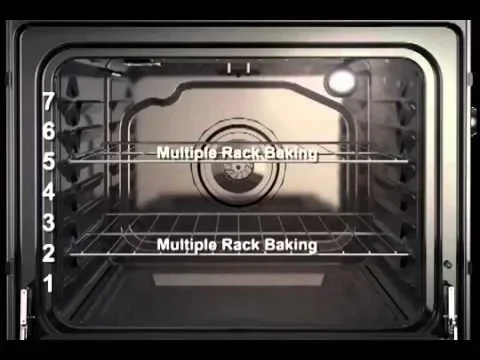
The middle oven rack is the horizontal shelf positioned at the dead center of your oven cavity. Most standard ovens have three to five rack positions. The middle one sits roughly halfway between the top heating element and the bottom heating element. This placement gives food equal distance from all heat sources.
When you slide a baking tray or roast pan onto this rack, hot air moves around the food from every direction. This is called air circulation, and it is the key to even heat distribution. No single side of your dish gets too much or too little heat. That is why so many recipes list the middle oven rack as the default position.
How To Find The Middle Rack In Your Oven
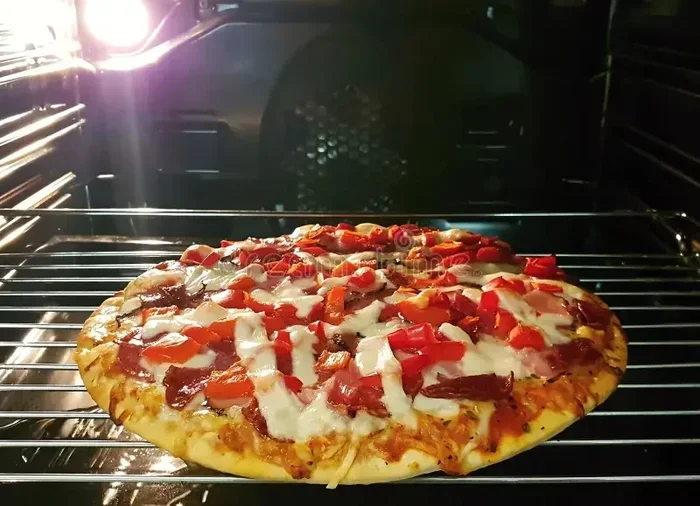
Finding the middle oven rack is simple. Open your oven door and look at the rack positions. Count the total number of slots. If you have five racks, the third one from the bottom is the middle. If you have three racks, the center one is your middle rack. Some ovens have a rack label printed on the frame, but most do not. Just count and you will find it.
Here are a few quick tips to help you locate it fast:
- Look for the center rail: Most ovens have a slight lip or marking near the middle position.
- Check your oven manual: It often includes a diagram showing rack positions.
- Use a ruler: Measure from the top and bottom of the oven cavity. The middle point is where your rack should go.
- Place an oven-safe pan on each rack: The one that feels most balanced in terms of heat is likely the middle.
Why The Middle Rack Is The Sweet Spot
The middle oven rack earns its reputation for a reason. It is the spot where oven temperature is most stable and most evenly distributed. When heat rises from the bottom element and falls from the top element, the middle area is where these forces balance out. This creates the ideal environment for cooking.
Think of it like this. If the top rack gets too much direct heat from the upper element, your food can burn on top while staying raw inside. If the bottom rack gets too much heat from the lower element, the bottom of your dish can scorch. The middle oven rack avoids both of these problems. It gives you balanced cooking every single time.
The Science Behind Even Heat
Ovens work by radiating heat from the top and bottom elements. Hot air rises and cooler air sinks, creating a natural cycle. This cycle is strongest in the center of the oven. When food sits on the middle oven rack, it benefits from this balanced flow. The result is more even food browning and a better overall texture.
This is especially important for baked goods. Cakes, muffins, and breads need consistent heat to rise properly. A cookie sheet placed on the middle oven rack bakes cookies evenly on all sides. You get golden edges and soft centers without having to rotate the pan halfway through.
How The Middle Rack Improves Cooking Time
When heat surrounds your food evenly, it cooks faster and more efficiently. Food on the middle oven rack does not need extra time to catch up on the cooler side. This means shorter cooking times and less energy used. Over time, this small change can save you money on your electricity or gas bill.
It also means fewer kitchen mistakes. When food cooks evenly, you do not have to guess when it is done. You can rely on your timer and a simple check instead of constantly opening the door and disrupting the oven temperature. Less door opening means better results.
When To Use The Middle Oven Rack
The middle oven rack works for almost everything. But knowing exactly when to use it will help you get the best outcomes. Here is a breakdown of the most common cooking tasks and why the center position is the best choice for each one.
Baking Cookies And Biscuits
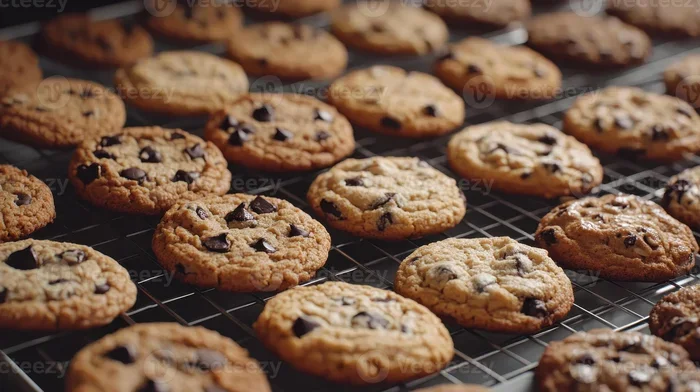
Cookies are one of the best examples of why rack placement matters. Placing a baking sheet on the middle oven rack ensures that every cookie bakes at the same rate. You get uniform color and texture across the entire batch. No more pulling out a tray with half-burnt edges and pale centers.
For best results, place your cookie sheet on the middle oven rack and bake one sheet at a time. If you must bake two sheets, rotate them top to bottom and front to back halfway through. But the single-sheet method on the center rack gives you the most even bake evenly results.
Roasting Meats And Vegetables
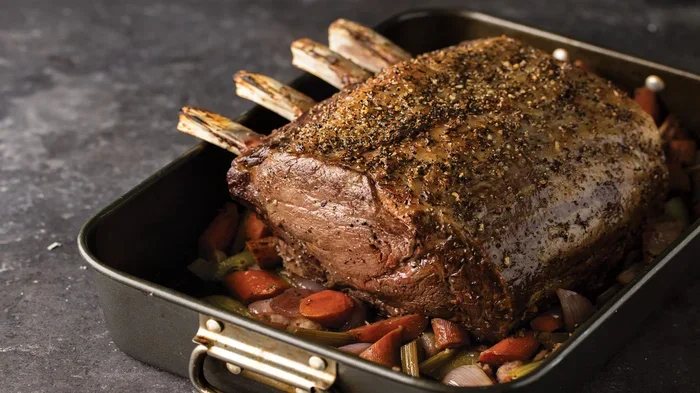
A roast pan or casserole dish on the middle oven rack receives heat from all sides. This is perfect for roasting chicken, pork loin, or a tray of mixed vegetables. The middle oven rack allows the outer edges of the food to caramelize while the inside stays moist and tender.
For large roasts, the center position also gives you room. You will not bump the top of the roast into the upper heating element. And the bottom of the pan stays far enough from the lower element to avoid flare-ups or scorching. This is the safest and most effective spot for most roasting tasks.
Baking Cakes And Cupcakes
Cakes are sensitive to uneven heat. A cake baked on the top rack might dome too high or burn on top. A cake on the bottom rack might cook slowly and develop a tough bottom crust. The middle oven rack gives cakes a gentle, even bake that produces a flat top and a soft crumb.
Use an oven-safe pan and place it dead center on the middle oven rack. Avoid opening the oven door too early. Cakes need steady heat to rise properly, and every peek lets out warm air and can cause the cake to sink.
Reheating Leftovers
Even reheating benefits from the middle oven rack. Whether you are warming up pizza, casseroles, or roasted chicken, the center position heats food more uniformly. You avoid the soggy bottom that comes from the bottom rack or the dried-out top that comes from the top rack.
Set your oven to a low oven temperature around 325°F and place your dish on the middle oven rack. This gentle, even heat warms food through without overcooking the edges. It is a simple trick that makes leftovers taste almost as good as fresh.
How Oven Rack Placement Affects Your Food
Not all racks are created equal. Where you place your food in the oven directly impacts how it cooks. Understanding the differences between the top rack, bottom rack, and middle oven rack helps you make smart choices every time you cook.
Top Rack Vs. Middle Rack Vs. Bottom Rack
The top rack is closest to the upper heating element. It works well for tasks that need strong top-down heat, like broiling or melting cheese. The bottom rack is closest to the lower element. It delivers intense bottom heat, which is great for crispy pizza bottoms or artisan bread with a thick crust.
The middle oven rack sits between these two extremes. It gives you a balanced mix of top and bottom heat. For most everyday cooking, this is the best choice. Here is a quick comparison:
- Top rack: Best for broiling, browning the top of dishes, and melting cheese. Use with caution because food can burn quickly.
- Middle rack: Best for baking, roasting, and reheating. Offers the most even heat distribution and consistent cooking time.
- Bottom rack: Best for crispy bottoms on bread and pizza. Also useful for dishes that need strong bottom heat to cook through.
The Role Of Convection And Air Flow
If your oven has a convection setting, a fan circulates hot air throughout the cavity. This makes air circulation even more important. In a convection oven, the middle oven rack still works best because the fan pushes hot air evenly around the food. You get faster cooking times and more uniform results.
One thing to watch for with convection ovens is over-browning. Because the fan speeds up heat transfer, food on the outer racks can cook faster than expected. The middle oven rack keeps your food in the path of the most balanced airflow. Reduce your oven temperature by about 25°F when using convection mode for best results.
Understanding Oven Hot Spots
Most ovens have oven hot spots, which are areas where heat is stronger or weaker. These spots can cause uneven food browning and inconsistent cooking times. The middle oven rack helps minimize the impact of hot spots because it is far enough from both heating elements to receive a more blended heat.
If you suspect your oven has hot spots, place a baking sheet with a thin layer of flour on each rack and bake at 350°F for a few minutes. The spots that brown faster are your hot spots. Then adjust your rack placement accordingly. The middle oven rack will almost always show the most even browning.
Common Mistakes People Make With Oven Racks
Even experienced cooks make mistakes when it comes to oven rack placement. These small errors can lead to big problems in the kitchen. Here are the most common ones and how to avoid them.
Placing The Rack Too High Or Too Low
One of the biggest mistakes is setting the baking tray too close to the top or bottom element. This causes uneven heat distribution and can burn food on one side. Always double-check that your rack is at the true center before you start cooking.
A quick way to check is to look at your food through the oven window. If the top of the dish is very close to the top of the oven cavity, move the rack down. If the bottom of the dish is close to the lower element, move it up. The middle oven rack gives you the most breathing room on all sides.
Overcrowding The Rack
Packing too much food onto one rack blocks air circulation. When hot air cannot flow freely around your dishes, cooking becomes uneven. Pans block each other and create steam pockets that lead to soggy food.
Give each pan at least two inches of space on all sides. If you need to cook multiple items, use the middle oven rack for the most important dish and place secondary items on a rack above or below. Just remember that the top and bottom racks will cook faster or slower than the center.
Ignoring Pan Size And Material
The size and material of your pan also matter. A large casserole dish on the middle oven rack works great because it fits well and heats evenly. But a tiny pan surrounded by empty oven space can cause heat to concentrate in odd ways. Match your pan size to the rack size for the best heat distribution.
Dark pans absorb more heat and can cause food to brown faster. Light-colored oven-safe pans reflect heat and promote more even cooking. Either way, the middle oven rack remains the best position regardless of pan color.
Forgetting To Preheat
Placing food on the middle oven rack before the oven reaches the right oven temperature leads to uneven cooking. Preheating gives the entire oven cavity time to reach a stable temperature. The middle rack benefits the most from preheating because it sits in the zone where temperature is most consistent.
Always give your oven at least 10 to 15 minutes to preheat. Use an oven thermometer if you are unsure whether your oven is reaching the set temperature accurately. A few extra minutes of preheating can make a noticeable difference in your final dish.
Quick Tips For Perfect Rack Positioning
Getting the most out of your middle oven rack is easy when you follow a few simple habits. These tips will help you cook better food with less effort and fewer mistakes.
- Always preheat your oven: Give it at least 10 to 15 minutes before placing food on the middle oven rack.
- Use the oven light to check food: Opening the door drops the oven temperature and disrupts air circulation. Use the light instead.
- Rotate pans halfway through: Even on the middle oven rack, ovens can have slight imbalances. A quick turn ensures even food browning.
- Match pan size to rack size: A properly fitting pan promotes better heat distribution and avoids blocking airflow.
- Use parchment paper or silicone mats: These help prevent sticking and promote even cooking time on the middle oven rack.
- Know your oven: Every oven is different. Spend a few bakes learning how yours behaves and adjust your rack placement accordingly.
- Keep the rack clean: Grease and food debris on the rack can cause smoke and uneven heating. Clean your racks regularly for the best bake evenly results.
Expert Insights On Middle Rack Cooking
Professional chefs and baking experts agree on one thing: the middle oven rack is the most versatile position in any oven. It is the first recommendation in almost every cooking guide for a reason. It works for nearly every type of dish and every oven style, from standard thermal ovens to convection ovens.
Chef and cookbook author Dorie Greenspan once noted that the middle oven rack is where she places almost everything except items that specifically need top or bottom browning. This kind of expert advice reinforces what home cooks have observed for years: the center position simply delivers the most consistent results.
The middle oven rack also works well for multi-rack cooking. If you need to bake two sheets of cookies, place one on the middle oven rack and one on the rack above or below. Then rotate them halfway through. This method works because the center rack sets the baseline for even heat, and the other racks can be adjusted slightly to compensate.
For serious bakers, understanding rack height and oven hot spots is a game-changer. Once you know where the hot spots are in your oven, you can position the middle oven rack to avoid them entirely. This level of awareness separates a good home cook from a great one.
The beauty of the middle oven rack is its simplicity. You do not need special equipment or advanced skills. You just need to know where the rack is and why it matters. From that point on, every bake, roast, and reheat will turn out better.
Conclusion
The middle oven rack is the most important position in your oven. It offers the best heat distribution, the most even air circulation, and the most consistent cooking time for almost any dish. Whether you are baking cookies, roasting a chicken, or reheating last night’s dinner, the center rack gives you the best chance of success.
Learning to identify and use the middle oven rack is one of the easiest ways to improve your cooking. It requires no special tools, no extra cost, and no advanced skills. Just a little awareness of where your rack sits and when to use it.
Start paying attention to your oven rack placement today. The next time you preheat your oven, take a moment to slide your pan onto the middle oven rack and notice the difference. Your food will taste better, look better, and cook more evenly. That is a small change with a big payoff. Make the middle oven rack your go-to position and watch your home cooking level up.
Frequently Asked Questions
Is the middle oven rack always the best choice?
For most cooking tasks, yes. The middle oven rack provides the most balanced heat distribution and works well for baking, roasting, and reheating. However, some tasks like broiling or crispy pizza bottoms benefit from the top or bottom rack instead.
How many rack positions do most ovens have?
Most standard ovens have three to five rack positions. The middle oven rack is the center one, which is usually the third slot in a five-rack oven or the second slot in a three-rack oven. Check your oven manual if you are unsure.
Can I bake on the top or bottom rack instead of the middle rack?
Yes, but the results will be different. The top rack delivers more direct heat from above, which can brown food faster. The bottom rack provides stronger bottom heat for crispy crusts. The middle oven rack remains the best default for even cooking.
Does rack placement affect cooking time?
It does. Food on the middle oven rack cooks more evenly and often faster because air circulation is balanced. Food on the top or bottom rack may cook unevenly, which can extend cooking time or require more attention.
Should I use the middle rack in a convection oven?
Yes. Even with a fan, the middle oven rack offers the most consistent results in a convection oven. The fan helps distribute heat evenly, but the center position still provides the best baseline for balanced cooking.
How can I tell if my oven has hot spots?
Place a baking sheet with a thin layer of flour on the middle oven rack and bake at 350°F for a few minutes. Areas that brown faster indicate oven hot spots. Knowing these spots helps you adjust your rack placement and pan position for better results.