How Do I Bake Hamburgers In The Oven For Juicy Results
Baking hamburgers in the oven is one of the easiest and most reliable ways to cook juicy burger patties at home. This guide covers everything from choosing the right ground beef to nailing the perfect internal temperature. You will learn proven oven-baked burger techniques that deliver restaurant-quality results with minimal effort.
There is something deeply satisfying about pulling a tray of golden-brown burgers out of the oven. Whether you are feeding a crowd or just craving a great meal, baking hamburgers in the oven is a simple and foolproof method. Unlike grilling, oven baking gives you even heat, less mess, and consistent results every single time.
If you have ever wondered how to get juicy burger patties without standing over a hot grill, you are in the right place. This guide walks you through the entire process step by step. You will learn the best temperatures, timing, seasoning tips, and common pitfalls to avoid. By the end, you will feel confident making oven-baked hamburgers that rival any backyard cookout classic.
Key Takeaways
- Right Temperature: Bake hamburger patties at 400°F for juicy, evenly cooked results.
- Patties Matter: Shape your ground beef patties about ¾ inch thick with a dimple in the center.
- Timing Is Key: Most oven-baked burgers cook in 15-20 minutes depending on thickness and desired doneness.
- Use a Thermometer: Always check the internal temperature for food safety and perfect juiciness.
- Rest Your Burgers: Let patties rest for 3-5 minutes after baking to lock in juices.
- Season Simply: Salt, pepper, garlic powder, and onion powder create delicious oven-baked burgers.
- Avoid Common Mistakes: Don’t press the patties, overwork the meat, or skip resting time.
📑 Table of Contents
- Why Baking Hamburgers In The Oven Works So Well
- Choosing The Right Ground Beef For Oven-Baked Burgers
- How To Prepare Your Hamburger Patties
- The Perfect Oven Temperature And Timing
- How To Tell When Your Oven-Baked Burgers Are Done
- Resting And Serving Your Oven-Baked Burgers
- Common Mistakes To Avoid When Baking Hamburgers
- Expert Tips For Next-Level Oven-Baked Burgers
- Frequently Asked Questions
- Conclusion
Why Baking Hamburgers In The Oven Works So Well
Oven baking is one of the most popular methods for cooking burger patties at home. It offers a hands-off approach that frees you up to prepare sides, drinks, and toppings while your homemade burgers cook to perfection. The enclosed heat of the oven surrounds each patty evenly, which means no hot spots or uneven cooking.
When you cook hamburgers in the oven, you also avoid the flare-ups and grease splatter that come with stovetop or grill cooking. This makes it a cleaner, safer option for families with kids or beginners who are still building their cooking confidence. Plus, the oven traps moisture better than open-flame cooking, which helps keep your burgers juicy.
Oven-Baked Burgers vs. Grilled Burgers
Both methods have their fans, but they serve different needs. Grilling gives you that smoky char flavor many people love. However, baking hamburgers in the oven provides more consistent results and is less weather-dependent. You can use a simple baking sheet or even a cast iron skillet inside the oven for a crispy crust that mimics grill marks.
Here is a quick comparison to help you decide which method fits your situation best:
- Oven Baking: Even cooking, less mess, hands-off, better for large batches
- Grilling: Smoky flavor, grill marks, better for small groups, weather-dependent
- Cast Iron Oven Method: Crispy crust, oven-fried texture, combines best of both worlds
Choosing The Right Ground Beef For Oven-Baked Burgers
The foundation of any great juicy hamburger recipe starts with the meat. Not all ground beef is created equal, and your choice directly impacts the flavor, texture, and juiciness of your oven-baked burger patties. Understanding what to look for makes a huge difference.
Best Ground Beef Ratios
For oven-baked burgers, you want a fat-to-lean ratio that keeps the patties moist. The most popular choices include:
- 80/20 ground beef: The gold standard for juicy burgers. The 20% fat content adds flavor and keeps patties from drying out in the oven.
- 85/15 ground beef: A leaner option that still stays moist when baked properly. Great for health-conscious cooks.
- 70/30 ground beef: Very fatty and flavorful, but can cause more grease on your baking sheet. Best for those who love rich burgers.
Fresh vs. Frozen Ground Beef
Fresh ground beef works best for shaping patties, but frozen beef is perfectly fine if you thaw it properly in the refrigerator overnight. Never use ground beef that has been thawed and refrozen, as this affects the texture and safety of your burger patties for the oven. Always check the expiration date and smell the meat before you start.
How To Prepare Your Hamburger Patties
Preparing the patties is where many people go wrong. Overworking the meat or skipping key steps leads to dry, tough burgers. Follow these simple guidelines for perfectly shaped oven hamburger patties every time.
Step-by-Step Patty Shaping
- Divide your ground beef into equal portions, about 6 to 8 ounces each for a standard-sized burger.
- Gently form each portion into a ball, then flatten it into a disc about ¾ inch thick.
- Use your thumb to press a small dimple into the center of each patty. This prevents the burger from puffing up and shrinking during baking.
- Season both sides generously with salt, pepper, and any other spices you prefer.
- Place the patties on a parchment-lined baking sheet, leaving space between each one for air circulation.
Seasoning Your Oven-Baked Burgers
Seasoning is what transforms plain ground beef into something extraordinary. Keep it simple for the best results. A classic blend of salt, black pepper, garlic powder, and onion powder works beautifully. If you want to get creative, try adding smoked paprika, cumin, or a pinch of cayenne pepper for heat.
For those who love a more gourmet touch, mix Worcestershire sauce or a splash of soy sauce into the ground beef before shaping. This adds deep umami flavor that pairs perfectly with juicy oven-baked burgers. Just be careful not to add too much liquid, or the patties will fall apart.
Quick Tips For Better Shaped Patties
- Keep the meat cold until you are ready to shape it. Warm beef sticks together and becomes hard to work with.
- Do not overwork the meat. Handle it gently to keep the burgers tender.
- Make all patties the same thickness so they cook evenly in the oven.
- Chill the shaped patties for 15-20 minutes before baking. This helps them hold their shape.
The Perfect Oven Temperature And Timing
This is the most important section for anyone learning how to bake hamburgers in the oven. Getting the temperature and timing right is what separates dry, overcooked burgers from juicy, perfectly cooked ones. The good news is that it is simpler than most people think.
Recommended Oven Temperature
The ideal temperature for baking hamburgers is 400°F (200°C). This high heat sears the outside of the patty quickly, locking in juices while the inside cooks through evenly. Preheating your oven is essential. Never place burgers in a cold oven, as this leads to uneven cooking and longer bake times.
If you prefer a slightly lower temperature, 375°F works too but will add a few extra minutes to the cook time. Avoid temperatures below 350°F, as they cause the burgers to dry out before the center is fully cooked.
Baking Time Chart For Different Doneness Levels
Baking time depends on the thickness of your patties and how well-done you like your burgers. Here is a general guide for standard ¾-inch thick patties at 400°F:
- Medium-rare: 10-12 minutes (internal temp 130-135°F)
- Medium: 13-15 minutes (internal temp 140-145°F)
- Medium-well: 16-18 minutes (internal temp 150-155°F)
- Well-done: 19-21 minutes (internal temp 160°F+)
These times are for patties baked without a cover. If you wrap the baking sheet with foil, reduce the time by 2-3 minutes. Always use a meat thermometer for accuracy. Visual cues can be misleading, and the only way to guarantee perfectly cooked oven-baked ground beef is to check the internal temperature.
Should You Cover Burgers While Baking?
Covering your burgers with foil traps steam and speeds up cooking, but it also prevents the top from browning. For the best texture, bake burgers uncovered for most of the cook time. If you need to speed things up, cover them for the first half and uncover for the second half. This gives you a nice sear on top while keeping the inside moist.
How To Tell When Your Oven-Baked Burgers Are Done
Knowing when your burger doneness is right is critical for both flavor and food safety. Undercooked burgers can be dangerous, while overcooked burgers turn into dry hockey pucks. Learning to read the signs takes a little practice but becomes second nature quickly.
Using A Meat Thermometer
A digital meat thermometer is the single best tool for checking burger doneness. Insert it horizontally into the thickest part of the patty, avoiding the bottom of the baking sheet. Here are the safe internal temperatures recommended by food safety experts:
- Ground beef burgers: 160°F (71°C) for well-done, which is the USDA recommended safe temperature
- Medium-rare: 130-135°F (note: this is below the USDA recommendation for ground beef)
- Medium: 140-145°F
- Medium-well: 150-155°F
Remember that the temperature will rise 5-10 degrees as the burger rests. This is called carryover cooking, and it is why pulling the burgers off the baking sheet slightly early produces the best results.
Visual And Tactile Cues
If you do not have a thermometer handy, you can use these visual and touch-based methods to judge doneness:
- Juices: When you press the top of the burger, clear juices mean the burger is done. Pink or red juices mean it needs more time.
- Firmness: A medium-rare burger feels soft and squishy. A well-done burger feels firm and solid.
- Shrinkage: The patty will shrink as it cooks. A well-done burger shrinks more than a medium-rare one.
- Color: Cut into the thickest part to check the inside color. But remember, color alone is not a reliable indicator of safety.
Resting And Serving Your Oven-Baked Burgers
Resting is the step most people skip, and it is the step that makes the biggest difference. When you pull your baked hamburger patties out of the oven, the juices are concentrated in the center. Cutting into them immediately releases all that moisture onto the plate instead of staying in the meat.
How Long To Rest Burgers
Let your oven-baked burgers rest for 3 to 5 minutes on the baking sheet or a warm plate. Tent them loosely with foil to keep them warm without trapping too much steam, which can make the bun soggy. During this time, the internal temperature continues to rise slightly, and the juices redistribute throughout the patty.
Building The Perfect Burger
Now comes the fun part. Toasting your bun is a non-negotiable step for the best oven-baked burger experience. Place the cut side of the bun on the warm baking sheet for the last 1-2 minutes of cooking, or use a toaster for a quick toast.
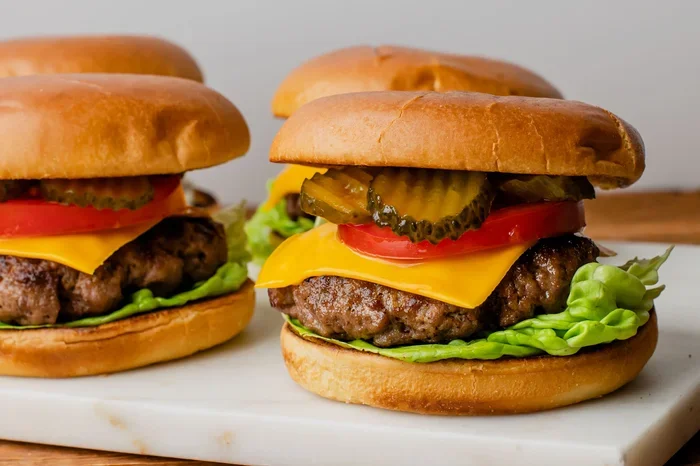
Layer your toppings thoughtfully. Start with a spread like ketchup, mustard, mayo, or special sauce. Add lettuce, tomato, pickles, and onion for freshness. Place the rested patty on top and finish with cheese if desired. The melted cheese adds richness and helps hold everything together.
Best Toppings For Oven-Baked Burgers
- Classic: lettuce, tomato, onion, pickles, ketchup, mustard
- Cheese lover: American, cheddar, Swiss, or pepper jack melted on top
- Gourmet: caramelized onions, sautéed mushrooms, avocado, arugula
- Spicy: jalapeños, hot sauce, pepper jack cheese, chipotle mayo
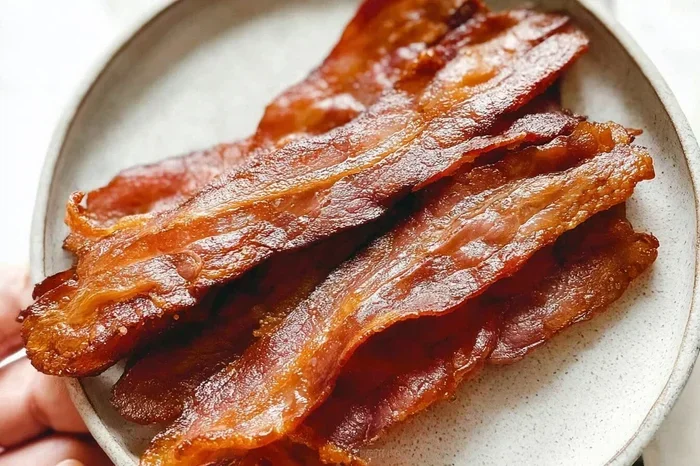
- Bacon: crispy bacon strips add crunch and smoky flavor
Common Mistakes To Avoid When Baking Hamburgers
Even experienced cooks make mistakes when cooking hamburgers in the oven. Being aware of these pitfalls helps you avoid them and produces better burgers every time.
Mistake 1: Pressing Down On The Patties
Never press down on your burger patties with a spatula while they bake. This squeezes out the juices and fats, leaving you with a dry, flat disc. Let the patties cook undisturbed and they will stay plump and juicy.
Mistake 2: Using Lean Ground Beef Without Adjustments
Very lean ground beef (90/10 or above) dries out quickly in the oven. If you must use lean beef, add a tablespoon of olive oil or melted butter to the ground beef before shaping. This compensates for the reduced fat content and keeps your oven hamburger patties moist.
Mistake 3: Skipping The Dimple
That small indentation in the center of each patty serves a purpose. Without it, the burger shrinks into a ball shape as it cooks. The dimple allows the patty to flatten naturally, maintaining an even thickness and a better bun-to-meat ratio.
Mistake 4: Overcrowding The Baking Sheet
Give your burgers space. Crowding the pan traps steam and prevents proper browning. Arrange patties with at least half an inch between them for optimal air circulation and even cooking.
Mistake 5: Not Preheating The Oven
A cold oven means uneven cooking and longer bake times. Always preheat to 400°F before placing your burgers inside. This ensures the outside sears immediately while the inside cooks evenly.
Expert Tips For Next-Level Oven-Baked Burgers
Once you have mastered the basics, these expert tips will take your homemade burgers to the next level. Professional chefs use these techniques to elevate simple ground beef into something truly special.
Use A Cast Iron Skillet Inside The Oven
Placing a cast iron skillet in the oven while it preheats creates an incredible sear on your burgers. The hot skillet browns the bottom of the patty immediately, giving you a crispy crust that rivals grilling. This is one of the best-kept secrets for making juicy oven-baked burgers at home.
Add A Cheese Melt At The End
For cheeseburgers, add your cheese slices during the last 2-3 minutes of baking. Cover the baking sheet with foil briefly to help the cheese melt evenly. American cheese melts the smoothest, but cheddar and Swiss offer more flavor.
Experiment With Different Buns
The bun matters more than most people realize. Brioche buns are soft and buttery, potato buns are sturdy and hold up to juicy patties, and pretzel buns add a unique salty crunch. Toast them in the oven alongside your burgers for the best texture and flavor.
Make Slider-Sized Burgers
Mini burgers are perfect for parties and gatherings. Shape your ground beef into 2-ounce slider patties and reduce the baking time to 8-10 minutes at 400°F. They cook faster and are easy for guests to grab and eat without a mess.
Frequently Asked Questions
What Temperature Should I Bake Hamburgers In The Oven?
The recommended temperature for baking hamburgers in the oven is 400°F (200°C). This high heat cooks the patties quickly while sealing in the juices. Preheating your oven fully before placing the burgers inside is essential for even cooking and a nice sear on the outside.
How Long Does It Take To Bake Hamburgers In The Oven?
At 400°F, standard ¾-inch thick burger patties take about 15-20 minutes depending on your desired level of doneness. Medium-rare burgers need around 10-12 minutes, while well-done burgers require 19-21 minutes. Always use a meat thermometer to check that the internal temperature reaches at least 160°F for food safety.
Can You Bake Hamburgers On A Regular Baking Sheet?
Yes, you can bake hamburgers on a regular baking sheet lined with parchment paper or aluminum foil for easy cleanup. For even better results, place a wire rack on top of the baking sheet. The rack allows air to circulate underneath the patties, promoting even browning on both sides.
How Do I Keep My Oven-Baked Burgers Juicy?
The key to juicy oven-baked burgers is using ground beef with adequate fat content, such as 80/20, and not overcooking them. Let the patties rest for 3-5 minutes after baking so the juices redistribute. Also, avoid pressing down on the patties during cooking, as this squeezes out moisture and dries them out.
Is It Better To Bake Or Fry Hamburgers?
Both methods have their advantages. Baking is hands-off, produces less mess, and is better for cooking large batches at once. Frying on the stovetop gives you a more intense sear and caramelization but requires more attention and creates more grease splatter. For convenience and consistency, baking in the oven is hard to beat.
Can I Freeze Raw Burger Patties And Bake Them Later?
Yes, you can freeze raw burger patties and bake them directly from frozen. Simply increase the baking time by about 5-8 minutes and use a meat thermometer to ensure the center reaches 160°F. Thawed patties will cook more evenly, but frozen ones work well in a pinch with just a little extra time in the oven.
Conclusion
Baking hamburgers in the oven is one of the simplest and most rewarding cooking skills you can learn. It takes the guesswork out of burger making and delivers consistent, juicy results every single time. From choosing the right ground beef to nailing the perfect bake time and temperature, this guide has given you everything you need to succeed.
Remember to keep your patties thick, your seasoning simple, and your oven at 400°F. Always use a meat thermometer, let your burgers rest, and avoid the common mistakes that dry out your hard work. With a little practice, you will be making juicy oven-baked burgers that your family and friends will rave about.
Now it is your turn. Preheat that oven, shape some patties, and put these tips into action. The perfect homemade burger is waiting for you, and it is easier than you think. Happy baking!