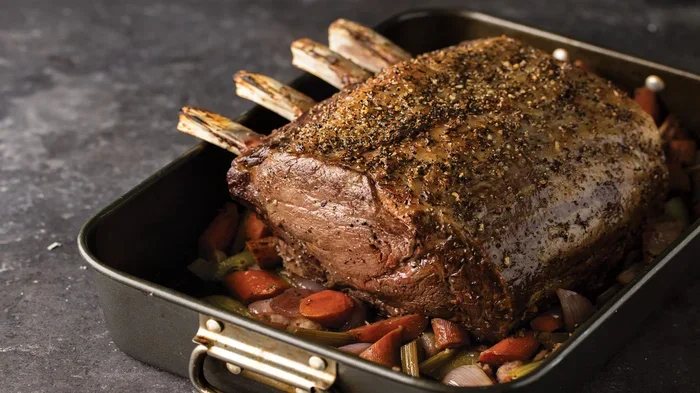
How to Find the Perfect Cooking Time for Prime Rib in Oven
Finding the right cooking time for prime rib in oven depends on roast size, temperature, and desired doneness. A bone-in prime rib typically needs 15 to 20 minutes per pound at 325°F, while a boneless roast cooks slightly faster. Using a meat thermometer and letting the roast rest properly are the two biggest secrets to a perfect result every time.
The cooking time for prime rib in oven is one of the most important things to get right when you are preparing this classic roast. A perfectly roasted prime rib is a showstopper at any dinner table. Whether you are feeding a holiday crowd or celebrating a special occasion, nailing the timing makes all the difference. This guide walks you through everything you need to know. You will learn about temperatures, timing, and how to achieve that perfect juicy roast every single time.
Prime rib is one of the most beloved cuts of beef out there. It is rich, tender, and full of flavor. But getting the cooking time for prime rib in oven right can feel tricky. Many home cooks worry about drying out the meat or serving it undercooked. The good news is that with the right approach, it is actually quite simple. This article breaks down each step in plain, easy-to-follow language. By the end, you will feel confident enough to roast a prime rib like a pro.
Key Takeaways
- Cooking time varies by weight: Plan for 15 to 20 minutes per pound at 325°F for a standard prime rib roast.
- Bone-in vs. boneless matters: Bone-in roasts take longer to cook but retain more moisture and flavor.
- Internal temperature is key: Use a meat thermometer to check for 120°F for rare, 130°F for medium-rare, and 140°F for medium.
- Resting time is non-negotiable: Always let your prime rib rest for 20 to 30 minutes before carving to lock in juices.
- Searing first adds flavor: A quick sear at high heat before slow roasting creates a beautiful crust and deeper flavor.
- Avoid common mistakes: Skipping the rest, overcooking, or skipping the thermometer are the top errors home cooks make.
📑 Table of Contents
- Understanding Prime Rib Cuts and What to Look For
- The Best Oven Temperature for Prime Rib
- Step-by-Step Cooking Time Guide for Prime Rib
- Internal Temperature and Doneness Guide
- Common Mistakes to Avoid When Roasting Prime Rib
- Pro Tips for Perfect Prime Rib Every Time
- How Long Does Prime Rib Last and When to Serve
- Final Thoughts on Perfecting Your Prime Rib
Understanding Prime Rib Cuts and What to Look For
Before you even turn on the oven, you need to understand what you are working with. Not all prime rib roasts are the same. The cut, size, and grade all play a big role in how long your roast will take. Let us break it down.
Bone-In vs. Boneless Prime Rib
A bone-in prime rib roast includes the rib bones still attached. These bones act as natural insulation. They slow down the cooking process slightly but also keep the meat juicier. Many chefs prefer bone-in because it adds incredible flavor to the roast.
A boneless prime rib is trimmed of the bones. It cooks faster and is easier to carve. However, it can dry out more quickly if you are not careful. Here is a quick comparison:
- Bone-in prime rib: More flavorful, juicier, takes 15 to 20 minutes per pound at 325°F.
- Boneless prime rib: Easier to carve, cooks faster, takes 12 to 15 minutes per pound at 325°F.
Choosing the Right Grade of Beef
Not all beef is created equal. The prime rib grade matters a lot for flavor and texture. USDA Prime is the highest grade available. It has the most marbling, which means more flavor and tenderness. Choice grade is the next best option and works wonderfully for oven roasting. Select grade is leaner and more budget-friendly, but it can be drier if you overcook it.
How Big Should Your Prime Rib Roast Be?
The prime rib roast size directly affects your cooking time. A good rule of thumb is to plan for one pound of bone-in roast per person. For boneless, plan for half a pound per person. A typical roast weighs between 4 and 8 pounds. Larger roasts need more time but benefit from slower, more even cooking.
The Best Oven Temperature for Prime Rib
Temperature is everything when it comes to oven-baked prime rib. Too hot and the outside burns before the inside is cooked. Too low and the roast takes forever and loses moisture. The sweet spot for most prime rib roasts is 325°F.
Why 325°F Works So Well
At 325°F, the heat surrounds the roast evenly. This allows the beef roast timing to be predictable and consistent. The outside develops a beautiful brown crust while the inside cooks slowly and stays juicy. This temperature works well for both bone-in and boneless cuts.
Some recipes call for starting at a higher temperature, like 450°F, for the first 15 minutes. This is called the sear method. It creates a nice crust on the outside. Then you drop the heat to 325°F to finish the cook. This two-step approach adds great flavor without overcooking the meat.
Adjusting Temperature for Different Roast Sizes
Here is how you can adjust your oven temperature for prime rib based on roast size:
- Small roasts (3 to 4 pounds): Start at 325°F. No need for a high-heat sear.
- Medium roasts (5 to 7 pounds): Sear at 450°F for 15 minutes, then drop to 325°F.
- Large roasts (8 pounds and up): Sear at 450°F for 20 minutes, then drop to 325°F.
The prime rib recipe you choose may also suggest different temperatures. Always follow the recipe closely if you are using one for the first time. Each adjustment changes the overall rib roast temperature profile and affects doneness.
Step-by-Step Cooking Time Guide for Prime Rib
Now let us get into the heart of the matter: the actual cooking time for prime rib in oven. This section gives you a clear, practical guide you can follow every time.
Step 1: Prep the Roast the Night Before
Take your prime rib out of the refrigerator the night before cooking. Let it sit uncovered on a rack. This brings the meat closer to room temperature. A room-temperature roast cooks more evenly. It also reduces the total ribeye roast cooking time significantly.
Step 2: Season Generously
Use a simple prime rib seasoning of salt, pepper, garlic powder, and rosemary. Coat the roast generously on all sides. The salt helps draw out moisture, which then gets reabsorbed. This creates a flavorful crust. You can also add onion powder and paprika for extra depth.
Step 3: Sear the Roast (Optional but Recommended)
Preheat your oven to 450°F. Place the seasoned roast on a rack inside a roasting pan. Sear it for 15 to 20 minutes. This step is not mandatory, but it adds a wonderful crust. The prime rib sear locks in juices and boosts the flavor profile.
Step 4: Lower the Temperature and Roast
After searing, drop the oven temperature to 325°F. Now you need to calculate your cooking time for prime rib in oven. Here are the general guidelines:
- Bone-in prime rib: 15 to 20 minutes per pound at 325°F.
- Boneless prime rib: 12 to 15 minutes per pound at 325°F.
- For rare doneness: Cook closer to the lower end of the time range.
- For medium doneness: Cook closer to the higher end of the time range.
For example, a 5-pound bone-in prime rib roast at 325°F will take about 75 to 100 minutes. That is roughly 1 hour and 15 minutes to 1 hour and 40 minutes. Always use a thermometer to check the internal temperature.
Step 5: Rest the Roast
This is the step most people skip, and it is the most important. Once your roast reaches the target prime rib internal temperature, take it out of the oven. Cover it loosely with aluminum foil and let it rest for 20 to 30 minutes. The prime rib resting time allows the juices to redistribute throughout the meat. If you skip this step, the juices will run out when you cut into it, leaving you with a dry roast.
Internal Temperature and Doneness Guide
The prime rib internal temperature tells you exactly how done your roast is. Relying on time alone is not enough. Every oven is different, and every roast is different. A prime rib thermometer is your best friend in the kitchen.
Temperature Chart for Prime Rib Doneness
Here is a simple guide to help you know when your roast is done:
- Rare: 120°F to 125°F. The center is bright red and cool.
- Medium-Rare: 130°F to 135°F. The center is warm and red. This is the most popular choice.
- Medium: 140°F to 145°F. The center is pink and warm.
- Well-Done: 155°F and above. The center is gray-brown throughout.
The USDA safe temperature for beef is 145°F. However, prime rib is traditionally served at medium-rare for the best flavor and texture. Always remove the roast from the oven 5 to 10 degrees below your target temperature. Remember the carryover cooking effect during the rest period.
How to Use a Meat Thermometer Correctly
Insert the thermometer into the thickest part of the roast. Avoid touching the bone, as it reads hotter than the meat. Check the temperature in at least two spots for accuracy. A digital instant-read thermometer gives you the fastest and most reliable readings. Keep one in your kitchen arsenal at all times.
Common Mistakes to Avoid When Roasting Prime Rib
Even experienced cooks make mistakes. Here are the most common errors people make when roasting prime rib, and how to avoid them.
Mistake 1: Skipping the Rest
This is the number one mistake. Cutting into a hot prime rib immediately releases all the juices onto the cutting board. The meat ends up dry and less flavorful. Always give it a full 20 to 30 minutes of resting prime rib time.
Mistake 2: Not Using a Thermometer
Relying on time alone is a gamble. Ovens run hot or cold. Roasts vary in shape and density. Without a thermometer, you are guessing. A prime rib thermometer removes all the guesswork and takes the stress out of cooking.
Mistake 3: Cooking at Too High a Temperature
Some people crank the oven up to 400°F or higher to save time. This causes the outside to burn while the inside stays raw. Stick to 325°F for even cooking. The slow-roast method produces far better results.
Mistake 4: Forgetting to Bring the Meat to Room Temperature
A cold roast going into a hot oven cooks unevenly. The outside overcooks before the inside reaches the right temperature. Always let your roast sit out for at least 1 to 2 hours before cooking. This simple step makes a huge difference in the final result.
Pro Tips for Perfect Prime Rib Every Time
Want to take your oven-roasted beef to the next level? Here are some pro tips that make a real difference.
Use a Rack in Your Roasting Pan
Never place your roast directly on the bottom of the pan. A rack allows hot air to circulate around the entire roast. This promotes even cooking and a crispy crust on all sides. If you do not have a rack, you can use chopped vegetables like onions and carrots as a makeshift rack.
Add Aromatics for Extra Flavor
Toss some garlic cloves, onion wedges, and fresh herbs into the roasting pan. As the roast cooks, the steam carries those flavors into the meat. You can also add a cup of beef broth to the bottom of the pan. This keeps the drippings from burning and adds moisture to the oven environment.
Plan for Leftovers
Prime rib is one of those roasts that tastes even better the next day. Plan for a few extra pounds if you want leftovers. Cold prime rib sandwiches are amazing. You can also slice leftovers and reheat them gently in a skillet with a little beef broth.
The Reverse Sear Method
If you want the most evenly cooked prime rib, try the reverse sear method. Roast the meat at a low temperature (250°F) until it reaches 115°F internally. Then increase the oven temperature to 450°F and sear for 10 to 15 minutes. This method gives you the most uniform doneness from edge to center. It is a game-changer for serious home cooks.
How Long Does Prime Rib Last and When to Serve
Timing is everything when serving prime rib. You want the roast to come out of the oven at the right moment so it is hot and juicy when everyone sits down to eat. Plan to take your roast out of the oven about 30 minutes before serving. This gives it enough time to rest while you prepare sides and set the table.
A whole prime rib roast can stay warm for up to an hour if you tent it loosely with foil. However, do not let it rest for too long. After about 45 minutes, the meat starts to cool down significantly. Serve it while it is still warm for the best experience.
As for leftovers, cooked prime rib keeps in the refrigerator for up to 3 to 4 days. Store it in an airtight container. You can also freeze cooked prime rib for up to 3 months. Wrap it tightly in plastic wrap and aluminum foil before freezing.
Final Thoughts on Perfecting Your Prime Rib
The cooking time for prime rib in oven is really just the starting point. What truly makes a prime rib exceptional is attention to detail. From choosing the right grade of beef to seasoning generously, from searing properly to resting patiently, every step matters. There is no shortcut to a great roast, but there is a clear path.
Remember these three things above all else. Use a meat thermometer every single time. Give your roast the rest it deserves. And do not stress too much. Prime rib is a forgiving cut of beef. Even if you are a little off on timing, a well-marbled, high-quality roast will still turn out delicious.
Now that you have all the knowledge you need, it is time to put it into practice. Invite your family and friends over. Put on some great music. And enjoy the process of creating something truly special. A perfectly roasted prime rib is more than just a meal. It is an experience. And with the tips and timing guides in this article, you are fully equipped to make it unforgettable.
Frequently Asked Questions
How long does it take to cook a 5-pound prime rib in the oven?
A 5-pound bone-in prime rib roast at 325°F takes about 75 to 100 minutes, which is roughly 15 to 20 minutes per pound. A boneless roast of the same size will cook in about 60 to 75 minutes. Always use a meat thermometer to check the internal temperature rather than relying on time alone.
What is the best temperature to cook prime rib in the oven?
The best oven temperature for prime rib is 325°F for the main cooking phase. Some cooks start at 450°F for 15 to 20 minutes to sear the outside, then reduce to 325°F. This two-step method adds flavor and creates a beautiful crust while keeping the inside juicy.
Should I cover my prime rib with foil while it rests?
Yes, you should cover your roast loosely with aluminum foil during the resting period. This keeps the heat in without trapping too much steam, which could make the crust soggy. Let it rest for 20 to 30 minutes before carving for the best results.
How do I know when prime rib is done?
The best way to tell is by using a prime rib thermometer. For rare, aim for 120°F to 125°F. For medium-rare, which is the most popular choice, target 130°F to 135°F. Remember that the temperature will rise 5 to 10 degrees during the resting period.
Can I cook prime rib from frozen?
It is not recommended to cook a prime rib roast directly from frozen. The outside will overcook while the inside thaws unevenly. Always thaw your roast in the refrigerator for 24 to 48 hours before cooking. This ensures even beef roast timing and better texture throughout.
How much prime rib do I need per person?
Plan for one pound of bone-in prime rib per person. For boneless, half a pound per person is usually enough. Keep in mind that bones and fat account for some of the weight, so a 5-pound bone-in roast might yield about 3 to 3.5 pounds of actual meat.
=== CONCLUSION ===
The cooking time for prime rib in oven does not have to be complicated. With the right temperature, proper seasoning, and a reliable thermometer, you can roast a prime rib that rivals any steakhouse. Remember to account for the size of your roast, whether it is bone-in or boneless, and your preferred level of doneness. Give your roast the rest it deserves, and you will be rewarded with a juicy, tender, and flavorful masterpiece. Now go ahead and fire up that oven. Your perfect prime rib is waiting!