What Is Oven Roasted Turkey Everything You Need to Know
Oven roasted turkey is a classic cooking method that uses dry heat in an oven to cook a whole turkey or turkey cuts to golden perfection. This approach delivers crispy skin, juicy meat, and rich flavor without the need for deep frying or outdoor grilling. Whether you are preparing a holiday feast or a weeknight family dinner, oven roasted turkey offers a reliable and delicious path to a stunning main course.
There is something truly special about pulling a beautiful, golden bird out of the oven. The aroma fills the entire kitchen. The skin crackles with a perfect golden-brown finish. And the meat stays juicy and tender from edge to edge. This is the magic of oven roasted turkey. It is a cooking method that has been loved for generations and continues to be the go-to choice for families around the world.
So what exactly is oven roasted turkey? Simply put, it is the process of cooking a whole turkey or turkey pieces inside a heated oven using dry, indirect heat. Unlike deep frying or grilling, oven roasting surrounds the bird with consistent warmth. This gentle cooking process allows the meat to cook evenly while the skin becomes beautifully crisp. The result is a flavorful centerpiece that looks impressive and tastes even better.
Whether you are a beginner cook or a seasoned home chef, mastering oven roasted turkey opens up a world of possibilities. You can cook a full bird for Thanksgiving or Christmas. You can prepare smaller turkey breasts for a quick weeknight meal. You can even experiment with different seasoning blends and roasting techniques to make each meal your own. The versatility of this method is one of the biggest reasons it remains so popular.
In this guide, we will walk you through everything you need to know about oven roasted turkey. We will cover what it is, why it works so well, how to prepare the bird, the best temperatures and times to use, and expert tips for getting the perfect result every single time. By the end, you will feel confident enough to roast your own turkey like a pro.
Key Takeaways
- Oven roasted turkey uses dry heat to cook the bird evenly, resulting in crispy skin and tender meat throughout.
- Proper temperature control is essential — aim for 325°F to 350°F for the best results.
- Brining or seasoning beforehand dramatically improves moisture and flavor in your roasted turkey.
- Resting the turkey after cooking is critical for juicy, easy-to-carve meat.
- Oven roasted turkey works for any occasion, not just holidays, making it a versatile weeknight dinner option.
- Dark meat and white meat cook at slightly different rates, so positioning the bird correctly matters.
- A meat thermometer is your best friend for ensuring the turkey reaches a safe internal temperature of 165°F.
📑 Table of Contents
- What Is Oven Roasted Turkey?
- Benefits of Oven Roasted Turkey
- How to Prepare Turkey for Oven Roasting
- Oven Roasted Turkey Temperature and Time Guide
- Tips for Perfect Crispy Turkey Skin
- Common Mistakes to Avoid When Roasting Turkey
- Oven Roasted Turkey vs Other Cooking Methods
- Serving and Carving Your Oven Roasted Turkey
- Frequently Asked Questions
- Final Thoughts
What Is Oven Roasted Turkey?
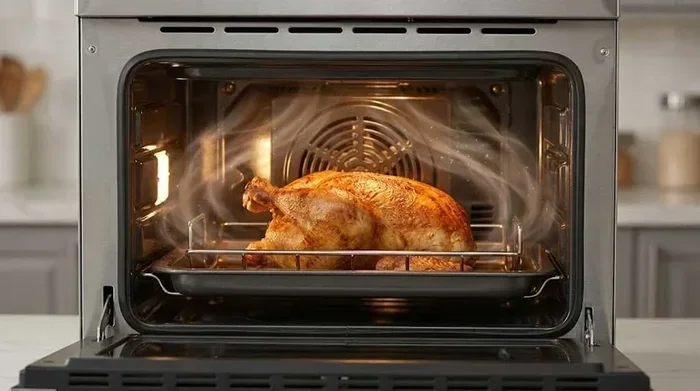
Oven roasted turkey is a cooking technique where the turkey is placed in an oven and cooked using dry heat. The oven circulates hot air around the bird, cooking it slowly and evenly from all sides. This method relies on no added liquids or oils inside the oven itself, though many cooks do add butter, herbs, or broth to the cavity of the bird for extra flavor and moisture.
The beauty of oven roasted turkey lies in its simplicity. You do not need special equipment. You do not need an outdoor setup. You just need a standard oven, a roasting pan, and a good quality turkey. The oven does all the hard work for you. This makes it one of the most accessible cooking methods for people of all skill levels.
When you think of oven roasted turkey, you probably picture a large whole bird sitting proudly in the center of a holiday table. And yes, that is the classic image. But oven roasted turkey can also mean cooking turkey breasts, turkey thighs, or turkey drumsticks. Each cut offers its own advantages. Whole birds are great for feeding a crowd. Smaller cuts are perfect for everyday meals and easier to manage in a standard home oven.
How Oven Roasting Works
Oven roasting uses convection and conduction to cook food. Convection is the movement of hot air inside the oven. Conduction is the transfer of heat from the pan to the turkey. Together, these two heat sources cook the bird thoroughly while allowing the exterior to develop a delicious golden crust.
Most recipes for oven roasted turkey recommend a moderate temperature between 325°F and 350°F. This range is ideal because it cooks the meat gently without drying it out. Higher temperatures can burn the outside before the inside is fully cooked. Lower temperatures take too long and may not crisp the skin properly.
Benefits of Oven Roasted Turkey
Choosing oven roasted turkey over other cooking methods comes with many advantages. Let us explore why this method continues to be the top choice for home cooks everywhere.
Healthier Cooking Method
Unlike deep frying, oven roasting does not require submerging the turkey in oil. This means the final dish is significantly lower in fat and calories. You get all the rich flavor of roasted turkey without the extra grease. For health-conscious families, this is a major benefit.
Oven roasted turkey also allows excess fat to drip away from the meat during cooking. The turkey sits in a roasting pan, and the fat collects at the bottom. This natural separation makes the final dish lighter and easier to enjoy without guilt.
Easy to Feed a Crowd
One whole oven roasted turkey can comfortably serve 8 to 12 people. This makes it the perfect centerpiece for holiday gatherings, family reunions, and special occasions. You prepare one dish, and it feeds everyone at the table.
There is also something about a whole roasted turkey that makes a meal feel special. It creates a sense of occasion. It brings people together. Even a simple weeknight dinner feels more festive when you serve oven roasted turkey as the main course.
Versatile and Forgiving
Oven roasted turkey is a forgiving method. If you are a few minutes off on the cooking time, the turkey will still turn out well. The oven provides a stable, consistent environment that is much easier to control than an open flame or a deep fryer.
You can also customize the flavor profile easily. Want a savory herb roast? Add rosemary and thyme. Prefer something with a little heat? Try paprika and cayenne. Like a sweet and savory combo? Brown sugar and mustard work beautifully. The possibilities with oven roasted turkey are nearly endless.
Leftovers Are a Bonus
One of the best parts of cooking a whole turkey is the leftovers. Roasted turkey meat makes incredible sandwiches, soups, salads, and casseroles. A single oven roasted turkey can provide meals for several days after the initial cooking. This makes it a smart choice for budget-conscious cooks who want maximum value from their meal prep.
How to Prepare Turkey for Oven Roasting
Proper preparation is the foundation of a great oven roasted turkey. Taking the time to prep the bird correctly makes a huge difference in the final result. Here is everything you need to know.
Choosing the Right Turkey
Start by selecting a good quality turkey. Fresh turkeys are excellent but can be pricey. Frozen turkeys are more affordable and widely available. Whichever you choose, make sure it is the right size for your needs. A general rule is about one pound of turkey per person.
Look for a turkey that feels firm and has a pleasant smell. Avoid any bird with an off odor or slimy texture. If buying frozen, plan ahead to allow enough time for it to thaw completely in the refrigerator. A good guideline is 24 hours of thawing for every four to five pounds of turkey.
Brining the Turkey
Brining is a popular step that can take your oven roasted turkey to the next level. A brine is a saltwater solution that you soak the turkey in for several hours or overnight. The salt helps the meat retain moisture during cooking, resulting in juicier, more flavorful turkey.
You can keep the brine simple with just salt, sugar, and water. Or you can get creative by adding aromatics like bay leaves, peppercorns, garlic, and citrus slices. The choice is yours. Either way, brining is one of the best things you can do to improve your oven roasted turkey.
Seasoning and Stuffing
Once the turkey is prepped and brined, it is time to season. Rub butter or olive oil all over the skin. This helps the skin crisp up beautifully during roasting. Then sprinkle your favorite herbs and spices generously over the entire bird.
Common seasonings for oven roasted turkey include salt, black pepper, garlic powder, onion powder, paprika, and dried herbs like sage, thyme, and rosemary. Some cooks also stuff the cavity with aromatics like onion quarters, lemon halves, and fresh herb bundles. This infuses the meat with extra flavor from the inside out.
Positioning the Turkey in the Pan
Place the turkey breast-side up in a roasting pan. The breast side should face upward so it receives the most direct heat. This positioning helps the breast meat stay moist while the dark meat on the bottom cooks through properly.
Some cooks place a rack inside the roasting pan. This elevates the turkey and allows hot air to circulate underneath. It also prevents the bottom from sitting in accumulated fat. A rack is a small addition that can make a big difference in your oven roasted turkey results.
Oven Roasted Turkey Temperature and Time Guide
Getting the temperature and timing right is the most important part of cooking oven roasted turkey. Too hot and the outside burns before the inside is done. Too low and the turkey takes forever to cook. Here is a clear guide to help you get it just right.
Recommended Oven Temperature
The sweet spot for oven roasted turkey is between 325°F and 350°F. This moderate temperature range cooks the bird evenly without drying it out. Most culinary experts agree that 325°F is the safest and most reliable temperature for a whole turkey.
If you want crispier skin, you can start at 425°F for the first 20 to 30 minutes and then reduce the temperature to 325°F. This two-stage approach gives you the best of both worlds. You get a beautifully browned exterior and perfectly cooked interior.
Cooking Time Estimates
Cooking time depends on the size of the turkey and whether it is stuffed or unstuffed. Here is a general guide for oven roasted turkey:
- Unstuffed turkey, 8 to 12 pounds: 2.75 to 3 hours
- Unstuffed turkey, 12 to 16 pounds: 3 to 3.75 hours
- Unstuffed turkey, 16 to 20 pounds: 3.75 to 4.25 hours
- Stuffed turkey, 8 to 12 pounds: 3 to 3.5 hours
- Stuffed turkey, 12 to 16 pounds: 3.5 to 4 hours
These times are approximate. Always use a meat thermometer to check doneness. The internal temperature at the thickest part of the thigh should reach 165°F. The thickest part of the breast should also read 165°F.
Using a Meat Thermometer
A meat thermometer is the single most important tool for cooking oven roasted turkey. Do not rely on pop-up timers alone. They are not always accurate. Insert the thermometer into the thickest part of the thigh without touching the bone. Check the breast as well. When both areas read 165°F, your turkey is done.
Take the temperature in multiple spots. Ovens can have hot and cold zones. Checking in several places ensures the turkey is cooked evenly throughout. This simple step prevents undercooking and gives you peace of mind.
Tips for Perfect Crispy Turkey Skin
The skin is one of the best parts of oven roasted turkey. Getting it perfectly crispy takes a little extra effort, but the results are absolutely worth it. Here are some tried and true tips.
Dry the Skin Before Roasting
Moisture is the enemy of crispy skin. After brining or rinsing your turkey, pat it completely dry with paper towels. Then let the uncovered bird sit in the refrigerator for several hours or overnight. This air-drying step removes surface moisture and sets you up for the crispiest possible skin.
Apply Fat Generously
Rub softened butter or olive oil under and over the skin before roasting. The fat melts during cooking and bastes the meat from within. It also helps the skin turn golden and crunchy. For even more flavor, mix softened butter with minced garlic, salt, and your favorite herbs before applying it to the turkey.
Do Not Cover the Turkey
Some cooks tent the turkey with foil partway through cooking to prevent over-browning. While this can work, it also traps steam and prevents the skin from crisping. If you want the best skin on your oven roasted turkey, skip the foil entirely. Let the dry heat do its job.
Quick Tip: If the breast is browning too quickly but the thighs need more time, loosely tent just the breast area with foil. This protects the breast without affecting the skin on the rest of the bird.
Start at a Higher Temperature
As mentioned earlier, beginning the roast at 425°F for the first 20 to 30 minutes kickstarts the browning process. This initial blast of high heat sets the skin and jumpstarts the crisping. After that, reduce the temperature to 325°F and continue roasting until the internal temperature reaches 165°F.
Common Mistakes to Avoid When Roasting Turkey
Even experienced cooks can make mistakes when preparing oven roasted turkey. Knowing what to avoid saves you time, money, and a lot of frustration.
Not Thawing the Turkey Properly
Cooking a frozen or partially frozen turkey is a common mistake. It leads to uneven cooking and can leave the center undercooked while the outside is already done. Always thaw your turkey in the refrigerator for at least 24 hours per four to five pounds. Never thaw at room temperature, as this creates a breeding ground for bacteria.
Overcooking the Turkey
Overcooking is one of the biggest enemies of a juicy oven roasted turkey. When you cook the bird too long, the meat dries out and becomes tough. This is why using a meat thermometer is so important. Pull the turkey out as soon as it reaches 165°F in both the breast and the thigh.
Remember that the turkey continues to cook after you remove it from the oven. This is called carryover cooking. The internal temperature can rise by 5 to 10 degrees during resting. Factor this into your timing so you do not accidentally overcook the bird.
Skipping the Resting Period
Resting the turkey after roasting is non-negotiable. When you cut into the bird immediately, the juices run out onto the cutting board instead of staying in the meat. Let the oven roasted turkey rest for at least 20 to 30 minutes before carving. This allows the juices to redistribute and makes the meat much easier to slice.
Not Seasoning Enough
Turkey meat on its own can be mild and even bland. Many people under-season their bird, resulting in a boring final dish. Be generous with your salt, pepper, and herbs. The skin acts as a natural barrier, so the seasoning on the surface does not make the meat too salty. It just adds flavor and depth to every bite.
Using the Wrong Roasting Pan
A flimsy, thin roasting pan can lead to uneven cooking. It may also warp under the weight of a large turkey. Invest in a sturdy, heavy-bottomed roasting pan or a roasting rack set inside a deep baking dish. This provides a stable, even cooking surface for your oven roasted turkey.
Oven Roasted Turkey vs Other Cooking Methods
There are several ways to cook turkey, and each has its own strengths. Here is how oven roasted turkey compares to other popular methods.
| Method | Pros | Cons |
|---|---|---|
| Oven Roasted Turkey | Even cooking, crispy skin, easy to control, healthy | Takes several hours for a whole bird |
| Deep Fried Turkey | Very crispy skin, fast cooking time | Requires special equipment, safety risks, higher fat content |
| Grilled Turkey | Smoky flavor, shorter cook time | Weather dependent, harder to control temperature |
| Slow Cooker Turkey | Hands-off cooking, very tender meat | No crispy skin, limited size options |
| Deep Roasted Turkey | Crispy skin, rich flavor | Uses more fat, can be messier |
As you can see, oven roasted turkey strikes the best balance between ease, flavor, and health. It does not require special equipment or skills. It produces consistently great results. And it works for any occasion, from casual family dinners to formal holiday feasts.
Serving and Carving Your Oven Roasted Turkey
Once your oven roasted turkey has rested and is ready to serve, the carving process matters. Proper carving ensures each slice is juicy and beautiful.
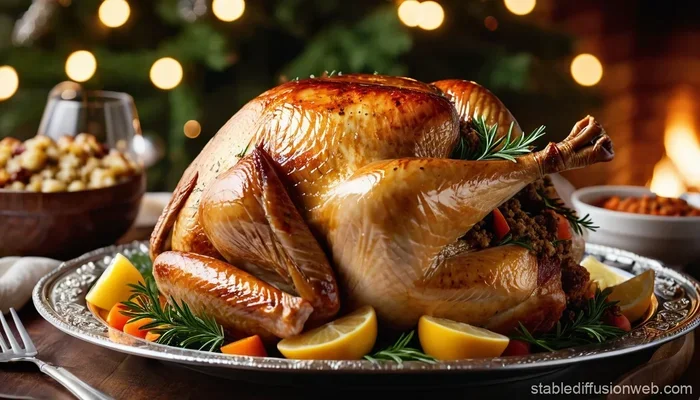
Start by removing the twine if you tied the legs together. Use a sharp carving knife and a sturdy carving fork. Begin by slicing along the breast bone and cutting the breast meat into even slices. Then remove the thighs and drumsticks by cutting through the joints. Arrange the slices on a warm serving platter and drizzle any pan juices over the top.
Quick Tip: Let the turkey sit at room temperature for 10 minutes before carving. This makes it easier to slice and helps the juices flow more freely. Warm plates also help keep the meat at the perfect serving temperature.
Frequently Asked Questions
How long does it take to oven roast a 12-pound turkey?
A 12-pound unstuffed turkey typically takes about 3 to 3.5 hours at 325°F. However, always rely on the internal temperature rather than time alone. The turkey is done when the thickest part of the thigh and breast both reach 165°F. Use a meat thermometer to check accuracy.
Should I cover my oven roasted turkey with foil?
Generally, no. Covering the turkey with foil traps steam and prevents the skin from crisping. However, if the breast is browning too quickly, you can loosely tent it with foil during the last part of cooking. This protects the breast without sacrificing crispy skin on the rest of the bird.
What is the best temperature to cook a whole turkey?
The best temperature for oven roasted turkey is 325°F. This moderate heat cooks the bird evenly and prevents the outside from drying out before the inside is done. Some cooks start at 425°F for the first 20 to 30 minutes to kickstart browning, then reduce to 325°F for the remainder of the cook.
Do I need to brine my turkey before oven roasting?
Brining is not required, but it is highly recommended. Brining adds moisture and flavor to the meat, resulting in a juicier oven roasted turkey. If you do not have time to brine, make sure you season generously and do not overcook the bird. Both steps help compensate for skipping the brine.
Can I oven roast a frozen turkey?
It is not recommended to cook a frozen turkey directly in the oven. The outside will cook long before the inside thaws, creating a serious food safety risk. Always thaw the turkey completely in the refrigerator before roasting. Plan for 24 hours of thawing time for every four to five pounds of turkey.
How do I know when the turkey is done?
The best way to tell is by using a meat thermometer. Insert it into the thickest part of the thigh and the thickest part of the breast. Both should read 165°F. The juices should also run clear when you pierce the thickest part of the thigh. If they are still pink or cloudy, the turkey needs more time.
Final Thoughts
Oven roasted turkey is more than just a cooking method. It is a tradition, a centerpiece, and a labor of love that brings families together around the table. Whether you are preparing a grand holiday feast or a simple Sunday dinner, mastering this technique gives you the confidence to create a meal everyone will remember.
The key to a perfect oven roasted turkey comes down to a few essentials. Choose a good quality bird. Prep it with care. Season it generously. Control the temperature. Use a meat thermometer. Let it rest before carving. Follow these steps and you will roast turkey that is juicy, flavorful, and beautifully golden every single time.
So the next time you are planning a meal that needs a show-stopping main course, remember the power of oven roasted turkey. It is simple, it is reliable, and it is absolutely delicious. Your family and guests will thank you. And you might just discover a new favorite way to cook. Happy roasting.