How Long To Cook Shoulder Roast In Oven At 350 Degrees
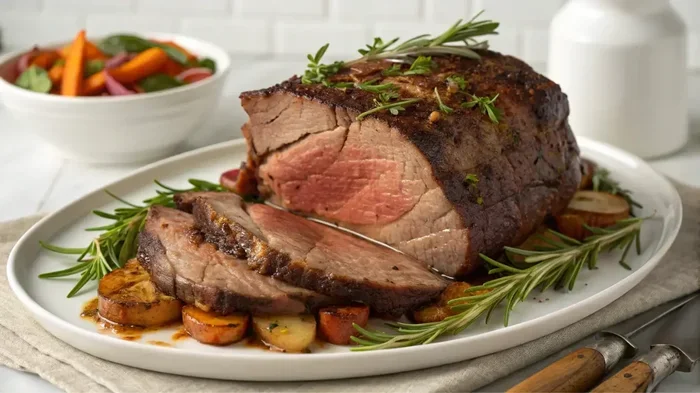
Cooking a shoulder roast in oven at 350 degrees typically takes 2 to 3 hours depending on the size and cut. This guide covers exact timing for beef and pork shoulder roasts, plus tips for achieving a tender, flavorful result. You will learn how to sear, season, and monitor internal temperatures like a pro.
There is nothing quite like pulling a perfectly cooked shoulder roast out of the oven. The outside is golden and crispy. The inside is tender and juicy. But getting to that point can feel tricky if you are not sure about timing and temperature.
This article answers the big question: how long to cook shoulder roast in oven at 350 degrees. Whether you are cooking beef shoulder roast or pork shoulder roast, you will find everything you need right here. We will cover timing, temperature, seasoning, and all the small details that make a huge difference.
By the end, you will feel confident enough to roast any shoulder cut in your oven like a seasoned chef. Let us get started.
Key Takeaways
- Cook Time: A shoulder roast at 350°F usually needs 2 to 3 hours for a 3 to 4 pound cut.
- Internal Temp Matters: Pull beef roast at 145°F and pork roast at 145°F for safe, juicy results.
- Sear First: Always sear your roast before oven roasting for better flavor and crust.
- Resting Is Key: Let the roast rest for 15 to 20 minutes after cooking for juicier meat.
- Use a Meat Thermometer: This is the single best tool for perfect oven roasts every time.
📑 Table of Contents
- Why 350 Degrees Is the Sweet Spot for Shoulder Roast
- How Long Does It Take to Cook Shoulder Roast at 350°F
- Step-by-Step Guide to Cooking Shoulder Roast in Oven at 350
- Common Mistakes to Avoid When Roasting Shoulder Roast
- Tips for the Best Shoulder Roast Every Time
- Serving Suggestions for Shoulder Roast
- How to Store and Reheat Leftover Roast
- Frequently Asked Questions
- Final Thoughts
Why 350 Degrees Is the Sweet Spot for Shoulder Roast
Many oven recipes call for different temperatures. Some roasts need high heat. Others need low and slow cooking. So why does 350 degrees work so well for shoulder roast?
At 350°F, the oven provides steady, even heat. This temperature is hot enough to develop a beautiful brown crust on the outside. But it is also gentle enough to break down the tough connective tissues inside the meat. The result is a tender roast with a rich, deep flavor.
Here is a quick comparison of common oven temperatures for roasting:
- 325°F: Slower cook, very tender, great for larger cuts.
- 350°F: Balanced cook time and flavor. The most popular choice.
- 375°F: Faster cook, slightly crispier exterior, good for smaller roasts.
- 400°F+: Best for searing or finishing, not ideal for the full cook.
For most shoulder roasts, 350°F hits the sweet spot between time and quality. It gives you a reliable window of about 2 to 3 hours for a standard 3 to 4 pound roast.
How Long Does It Take to Cook Shoulder Roast at 350°F
The short answer is about 20 to 25 minutes per pound. But that is just a starting point. Many factors can change the actual cook time.
Beef Shoulder Roast Cooking Time
A beef shoulder roast at 350 degrees usually takes around 2 to 3 hours. A 3-pound roast might be done in about 1 hour and 45 minutes. A 5-pound roast could take closer to 3.5 hours.
Here is a simple breakdown:
- 2 to 3 pounds: About 1 hour 30 minutes to 2 hours.
- 3 to 4 pounds: About 2 to 2.5 hours.
- 5 to 6 pounds: About 2.5 to 3.5 hours.
The best way to know when your oven-roasted beef shoulder is done is with a meat thermometer. Pull it when the internal temperature reaches 145°F for medium doneness. For a more well-done roast, aim for 160°F.
Pork Shoulder Roast Cooking Time
Pork shoulder roast follows a similar timeline. A 3 to 4 pound pork shoulder at 350°F takes about 2 to 3 hours. The USDA recommends cooking pork to an internal temperature of 145°F. This gives you a juicy, slightly pink center that is perfectly safe to eat.
Some people prefer to cook pork shoulder longer for pulled pork. In that case, you might cook it at 350°F for 3.5 to 4 hours until it reaches 195°F to 205°F. At that point, the meat shreds easily with a fork.
Bone-In vs Bone-Out: Does It Change the Time?
Yes, it does. A bone-in shoulder roast takes a bit longer to cook through. The bone acts as an insulator. It slows down heat transfer to the center of the meat.
Expect bone-in roasts to need an extra 15 to 30 minutes compared to boneless cuts of the same weight. If you are in a hurry, go with a boneless shoulder roast. If you want more flavor, bone-in is the way to go.
Step-by-Step Guide to Cooking Shoulder Roast in Oven at 350
Now that you know the timing, let us walk through the process. Follow these steps for a perfect roast every single time.
Step 1: Choose Your Roast
Start with a good quality shoulder roast. Look for cuts with nice marbling. Marbling is the thin white streaks of fat running through the meat. This fat melts during cooking and keeps the roast moist and flavorful.
You can use beef shoulder roast, pork shoulder roast, or even lamb shoulder roast. Each one works beautifully at 350°F.
Step 2: Prep and Season the Meat
Take the roast out of the fridge about 30 minutes before cooking. Let it come to room temperature. This helps it cook more evenly.
Pat the roast dry with paper towels. Then season generously with salt, pepper, garlic powder, and any herbs you like. Rosemary and thyme are excellent choices for shoulder roast.
For extra flavor, rub the outside with a thin layer of olive oil before seasoning. This helps the spices stick and promotes browning.
Step 3: Sear the Roast
This step is optional but highly recommended. Heat a cast iron skillet or oven-safe pan over medium-high heat. Add a little oil. Once the oil is shimmering, place the roast in the pan.
Sear each side for about 2 to 3 minutes until you get a deep brown crust. Searing does two things. It locks in juices and it adds a rich, caramelized flavor to the roast.
After searing, transfer the roast to a baking dish or oven-safe pan.
Step 4: Roast in the Oven
Place the seasoned roast in the oven at 350°F. Use a roasting pan or a deep baking dish. If you have vegetables like potatoes, carrots, or onions, you can add them around the roast now. They will cook alongside the meat and soak up all those delicious juices.
Insert a meat thermometer into the thickest part of the roast. Make sure it does not touch the bone. Check the temperature every 30 minutes after the first hour.
Step 5: Check Internal Temperature
Different meats need different final temperatures:
- Beef shoulder roast: 145°F for medium, 160°F for well done.
- Pork shoulder roast: 145°F for juicy slices, 195°F for pulled pork.
- Lamb shoulder roast: 145°F for medium-rare, 160°F for medium.
Once the roast hits your target temperature, take it out of the oven.
Step 6: Rest the Roast
This is the step most people skip. Do not skip it. Resting allows the juices to redistribute throughout the meat. Without resting, the juices run out when you cut, and the roast dries out.
Cover the roast loosely with aluminum foil and let it rest for 15 to 20 minutes. This is also a great time to make a quick pan sauce from the drippings.
Common Mistakes to Avoid When Roasting Shoulder Roast
Even experienced cooks make mistakes. Here are the most common ones and how to avoid them.
Skipping the Sear
Some people put the raw roast straight into the oven. This skips the Maillard reaction, which is the chemical process that creates that deep, savory brown crust. Always sear your roast first if you want maximum flavor.
Not Using a Meat Thermometer
guessing when a roast is done never works well. The only reliable way to know is with a meat thermometer. Ovens can run hot or cold. Roasts vary in size and shape. A thermometer removes all the guesswork.
Overcooking the Roast
It is easy to go too far. Shoulder roast is forgiving because it has a lot of connective tissue, but even it can dry out if you cook it too long. Check the temperature early and often. It is better to pull the roast a few degrees early and let carryover cooking finish the job.
Cutting Into the Roast Too Soon
We know the smell is amazing. But resist the urge to cut into it right away. Wait the full 15 to 20 minutes. Your patience will be rewarded with juicier, more flavorful meat.
Tips for the Best Shoulder Roast Every Time
Here are some expert tips that separate a good roast from a great one.
- Use a rack: Place the roast on a rack in the baking pan. This allows hot air to circulate around the meat for even cooking.
- Add liquid: Pour a cup of beef broth, wine, or water into the bottom of the pan. This creates steam and keeps the roast moist.
- Let it come to room temperature: Taking the roast out 30 minutes before cooking helps it roast more evenly.
- Season the night before: If you have time, rub the roast with spices and let it sit in the fridge overnight. The flavors penetrate deeper.
- Rest in foil, not tight: Loosely tent the roast with foil. Tight wrapping traps too much steam and can make the crust soggy.
If you enjoy roasting different cuts in the oven, you might also enjoy learning about how long to roast pumpkin seeds in oven for a quick and healthy snack. Roasting times vary widely depending on what you are cooking, so understanding your oven is key.
Another great oven recipe to explore is how long chicken kebabs take in the oven. While the cook time and cut are different, the principles of oven temperature and resting are very similar to shoulder roast.
Serving Suggestions for Shoulder Roast
A great shoulder roast deserves great sides. Here are some ideas that pair beautifully with any oven-roasted shoulder cut.
- Roast potatoes: Toss cubed potatoes with olive oil, garlic, and rosemary. Roast them in the same pan for a one-pan meal.
- Steamed vegetables: Broccoli, green beans, or asparagus make a fresh and light side.
- Crusty bread: Use it to soak up the pan juices. You will not regret it.
- Simple salad: A mixed green salad with a light vinaigrette balances the richness of the roast perfectly.
For a more detailed look at oven sides, check out how to cook frozen fries in air fryer oven. The principles of oven cooking apply across many different recipes and cuts.
How to Store and Reheat Leftover Roast
Got leftovers? A shoulder roast keeps well for a few days with proper storage.
Let the roast cool completely before storing. Wrap it tightly in plastic wrap or foil. Place it in an airtight container and refrigerate. It will keep for up to 4 days in the fridge.
To reheat, place the roast in a baking dish. Add a splash of broth or water to keep it moist. Cover with foil and warm in the oven at 300°F for about 20 to 30 minutes. This gentle reheating method keeps the meat tender and prevents it from drying out.
You can also shred leftover shoulder roast and use it in sandwiches, tacos, or soups. A slow-cooked pork shoulder roast makes incredible pulled pork sandwiches the next day.
For oven-cooked seafood dishes, you might want to read about how long to cook oysters in oven. Different proteins require different oven times and temperatures, so always check your specific recipe.
Frequently Asked Questions
Can I Cook a Shoulder Roast at 350°F Without Searing It First?
Yes, you can. The roast will still cook through and be safe to eat. However, searing adds a lot of flavor and creates a nicer crust. If you are short on time, it is perfectly fine to skip the sear. Just be sure to season the roast well and check the internal temperature with a meat thermometer.
How Do I Know When My Shoulder Roast Is Done?
The most reliable way is to use a meat thermometer. For beef, aim for 145°F for medium doneness. For pork, 145°F is the safe minimum. For pulled pork, cook until the meat reaches 195°F to 205°F. The meat should pull apart easily with a fork when it is fully done.
Can I Cook a Frozen Shoulder Roast in the Oven at 350°F?
Yes, but it will take significantly longer. A frozen roast can take 50% more time or more compared to a thawed one. It is always best to thaw the roast in the fridge overnight before cooking. If you must cook from frozen, plan for extra time and use a meat thermometer to ensure it reaches a safe internal temperature throughout.
What Is the Difference Between Beef Shoulder Roast and Pork Shoulder Roast?
Beef shoulder roast comes from the cow and tends to be larger with more marbling. Pork shoulder roast comes from the pig and has a richer, fattier texture. Both work well at 350°F, but pork shoulder is often used for pulled pork because it shreds so easily when cooked long enough. Beef shoulder roast is typically sliced or served in chunks.
Should I Cover My Shoulder Roast With Foil While Cooking?
It depends on what you want. Covering with foil traps moisture and keeps the roast juicy, but it can prevent the outside from browning. For a crispy exterior, leave the roast uncovered. If the roast is browning too fast on the outside, you can tent it loosely with foil halfway through cooking to slow down the browning.
Can I Use the Same Pan Juices for Gravy?
Absolutely. The pan drippings from a shoulder roast are full of flavor. Simply pour off the excess fat, add a bit of broth or water to the pan, and scrape up the browned bits. Simmer on the stove until the liquid thickens slightly. Season with salt and pepper, and you have a quick and delicious gravy to go with your roast.
Final Thoughts
Cooking a shoulder roast in oven at 350 degrees is simpler than most people think. The key is to pay attention to timing, temperature, and a few small details like searing and resting.
Remember the basics. A 3 to 4 pound shoulder roast at 350°F needs about 2 to 3 hours. Always use a meat thermometer to check the internal temperature. Let the roast rest for at least 15 minutes before slicing.
Once you nail this method, you can adapt it to any shoulder roast. Beef, pork, or lamb. Bone-in or boneless. The principles stay the same. How long to cook shoulder roast in oven at 350 degrees becomes second nature after just a few tries.
So go ahead. Fire up your oven. Season that roast. And enjoy the incredible aroma that fills your kitchen. You have got this, and your dinner guests are going to love every bite.