How Long To Cook Pepperoni Pizza In Oven Perfectly
Learning how long to cook pepperoni pizza in oven is the key to achieving a golden, crispy crust with perfectly melted cheese and savory pepperoni slices. This guide covers exact temperatures, timing, and step-by-step instructions so you can bake delicious homemade pizza every single time. Whether you prefer thin crust or deep dish, you will find the perfect bake time right here.
Key Takeaways
- Ideal Temperature: Most pepperoni pizzas bake best at 425°F to 450°F for a crispy crust and bubbly cheese.
- Typical Cook Time: Expect to cook pepperoni pizza in oven for about 10 to 15 minutes depending on crust thickness.
- Crust Matters: Thin crust pizzas cook faster than thick or deep dish styles, so adjust your timing accordingly.
- Preheat Is Essential: Always preheat your oven before placing the pizza inside for even cooking.
- Watch for Visual Cues: Look for a golden brown crust and bubbly, slightly browned cheese as your doneness indicators.
- Rest Before Slicing: Let your pizza cool for 2 to 3 minutes after baking for cleaner slices and better flavor.
📑 Table of Contents
The Best Oven Temperature for Pepperoni Pizza
Getting the right oven temperature is the first step toward a great pepperoni pizza. Most home ovens work best at 425°F to 450°F for baking pizza. This range allows the crust to cook evenly while the cheese melts perfectly. If your oven runs hot, drop the temperature by 10 to 15 degrees. A pepperoni pizza recipe usually calls for a high heat setting. This helps create that crispy base we all love.
Temperature control is everything when you bake pizza at home. Too low and your crust turns out doughy and pale. Too high and the cheese burns before the dough cooks through. The ideal oven temperature for pizza creates a balance. It crisps the bottom while melting the cheese on top. Think of it like a pizza oven settings guide for your kitchen oven.
Why Temperature Matters So Much
Every oven is a little different. Some ovens run hotter than others. Some have hot spots in the back. This is why knowing your oven matters. A reliable oven thermometer can help you figure out what your oven really does. Place it inside and check the reading against the dial. You might be surprised by the difference.
The oven temperature for pizza affects more than just cooking time. It changes the texture of your crust. Lower temperatures make the dough chewier. Higher temperatures create a crispier exterior. Finding the sweet spot at 425°F to 450°F gives you the best of both worlds.
Convection vs. Conventional Oven Settings
A convection oven circulates hot air around the pizza. This means your pizza bake time may be slightly shorter. Conventional ovens rely on radiant heat from the elements. Both work great but produce slightly different results. Convection ovens give you a more even cheese melting pattern. Conventional ovens can create nice hot spots for extra crispiness on the bottom.
If you use a convection oven, reduce the temperature by 25°F. The fan pushes hot air more efficiently. This prevents the top from burning before the bottom cooks. Always keep an eye on your pizza during the first few minutes.
How Long To Cook Pepperoni Pizza In Oven: By Crust Type
The answer to how long to cook pepperoni pizza in oven depends on the crust type you choose. Thin crust pizzas bake faster than thick ones. Deep dish styles need more time in the heat. Let us break down the timing for each popular option.
Thin Crust Pepperoni Pizza Cooking Time
Thin crust pizzas cook faster than thick ones. You typically need about 8 to 12 minutes at 450°F. The thin pizza dough heats up quickly and evenly. This style gives you a crispy base with less doughiness. If you like your crust extra crunchy, push it to 12 minutes. Just watch it closely to avoid burning.
A thin crust pizza is perfect for those who love a crunchy bite. The pepperoni slices get slightly crispy at the edges. The cheese melts into a golden blanket over the top. This is the classic style that most people picture when they think of homemade pizza.
Thick Crust and Deep Dish Pepperoni Pizza Timing
Thick crust and deep dish styles need more time. Expect to bake for 15 to 20 minutes at 425°F. The extra dough takes longer to cook through. A deep dish pizza also holds more toppings, which adds moisture. More moisture means a slightly longer pizza baking time. Use a toothpick test to check if the center is done.
Thick crust pizzas are all about that doughy, bread-like bite. The edges puff up and turn golden brown. The inside stays soft and pillowy. This style pairs beautifully with extra cheese and generous pepperoni layers. Give it the full 20 minutes for the best results.
Frozen Pepperoni Pizza Bake Time
Frozen pizzas are convenient and taste great. Most frozen pepperoni pizza recipes call for 12 to 18 minutes. Follow the package instructions for best results. Preheat your oven before placing the frozen pizza inside. The pizza oven settings on frozen pizza boxes are tested for optimal results. The same oven preheat principles apply when you cook frozen fries in air fryer oven or any frozen item. Always place frozen pizza on the center oven rack for even heat distribution.
Frozen pizzas have come a long way over the years. Many brands now use quality dough and real cheese. The pepperoni slices on frozen pizzas are often pre-cooked. This means they just need to heat through. You can tell when a frozen pizza is done by looking for a golden brown crust and fully melted cheese.
Step-by-Step Guide to Baking Pepperoni Pizza
Baking the perfect pepperoni pizza at home is easier than you think. Follow these simple steps and you will have restaurant-quality results in no time. Each step matters, so do not skip any of them.
Preparing Your Pizza Dough
Start with quality pizza dough for the best results. You can use store-bought dough or make your own from scratch. Roll the dough out on a floured surface to your desired thickness. A thin crust works best for classic pepperoni pizza. Place the dough on a greased baking sheet or a pizza stone. Make sure the surface is lightly floured to prevent sticking.
If you are using store-bought dough, let it sit at room temperature for 15 to 20 minutes first. Cold dough does not stretch well. It will spring back and tear. Room temperature dough is soft and pliable. It rolls out smoothly and bakes evenly.
Adding the Right Toppings
Spread a thin layer of tomato sauce over the dough. Add shredded mozzarella cheese as your base layer. Place pepperoni slices evenly across the top. You can add other pizza toppings like onions, peppers, or mushrooms. Less is more when it comes to topping your pizza. Too many toppings can make the crust soggy.
The order of your toppings matters too. Cheese goes down first. Then the pepperoni. Then any vegetables or extras. This layering method helps the cheese melt evenly. It also keeps the pepperoni from burning during the pizza bake time.
The Baking Process
Place your pizza on the center oven rack for even cooking. Bake at 425°F to 450°F for the recommended time. Check the pizza after 8 minutes if you have a thin crust. Look for a golden brown crust and bubbly cheese. The cheese melting process should be complete but not browned.
Set a timer so you do not forget about your pizza. It is easy to get distracted while the oven is running. A simple kitchen timer can save your pizza from overcooking. Most pepperoni pizza recipes recommend checking at the 10-minute mark. This gives you a good idea of progress.
Tips for a Crispy Golden Brown Crust
Everyone loves a crispy crust on their pepperoni pizza. These tips will help you achieve that perfect crunch every time. A great crust makes all the difference between good pizza and amazing pizza.
Use a Pizza Stone for Better Results
A pizza stone absorbs moisture from the dough. This creates a crispier base than a regular baking sheet. Preheat the stone in the oven for at least 30 minutes. Place your pizza directly on the hot stone. The result is a crust that rivals any commercial electric pizza oven output.
Pizza stones are affordable and last for years. They are one of the best investments for a home pizza maker. You can find them at most kitchen supply stores. The stone holds heat evenly and transfers it directly to the dough. This creates that signature crispy bottom every pizza lover wants.
The Role of Oven Rack Position
Where you place the rack matters more than you think. The center rack provides the most even heat distribution. If you want a crispier bottom, move the rack lower. The top rack helps with browning on the cheese layer. Finding the right oven rack position can transform your homemade pizza.
For a thin and crispy crust, try placing the rack near the bottom of the oven. This puts the dough closer to the heat source. The bottom crisps up faster and more evenly. Just keep an eye on it to prevent burning.
Brush the Crust with Olive Oil
A light brush of olive oil on the crust adds flavor and crispiness. Do this before you add your toppings. The oil helps the dough brown faster in the oven. It also creates a barrier against moisture from the sauce. This simple trick makes a big difference in your final result.
You can also add a sprinkle of garlic powder or Italian seasoning to the oil. This adds an extra layer of flavor to the crust. The combination of olive oil and seasoning creates a beautiful golden finish. Your crispy crust will look and taste incredible.
Common Mistakes to Avoid When Baking Pizza
Even experienced home cooks make mistakes when baking pizza. Knowing what to avoid saves you time and ingredients. Here are the most common errors and how to fix them.
Skipping the Preheat Step
Never skip preheating your oven. A cold oven leads to uneven cooking and a soggy crust. Give your oven at least 15 to 20 minutes to reach the target temperature. This step is just as important as the bake time itself. Think of it like the time and temperature precision needed for any oven-baked dish.
Preheating ensures the oven is at the right temperature when the pizza goes in. This gives the dough an immediate burst of heat. The crust starts crisping right away. Without preheating, the pizza sits in a warm oven and steams instead of baking.
Overloading Your Pizza with Toppings
Too many toppings trap moisture and prevent the crust from crisping. This is one of the most common pepperoni pizza mistakes. Stick to a moderate amount of sauce, cheese, and pepperoni. You can always add more next time. Quality over quantity always wins when building your pizza.
A good rule of thumb is to keep toppings light. Spread the sauce thinly. Use a moderate amount of cheese. Do not pile on the pepperoni. This allows heat to reach the dough evenly. The result is a balanced pizza with a perfectly crispy base.
Ignoring Your Oven Hot Spots
Every oven has hot spots that cook unevenly. Rotate your pizza halfway through the bake time for even results. If you notice one side browning faster, adjust the position. Understanding your specific oven makes you a better home pizza maker.
To find your oven’s hot spots, place a piece of bread on the rack and toast it. Watch which sections brown first. These are your hot spots. When baking pizza, rotate the pan 180 degrees halfway through. This simple trick ensures even cooking every time.
Expert Insights for Perfect Pepperoni Pizza Every Time
These expert tips take your homemade pepperoni pizza to the next level. Professional pizzaiolos use these techniques every day. You can too, right in your own kitchen.
The Science Behind Perfect Cheese Melting
Mozzarella cheese melts best between 150°F and 160°F. This is the sweet spot for a creamy, bubbly topping. The proteins in the cheese break down at this temperature. The fats become soft and stretchy. This is why pepperoni pizza with melted mozzarella is so satisfying.
Low-moisture mozzarella works best for pizza. Fresh mozzarella has too much water content. It can make the crust soggy. Low-moisture shredded mozzarella melts smoothly and evenly. It gives you that classic pull and stretch with every slice.
How to Tell When Your Pizza Is Done
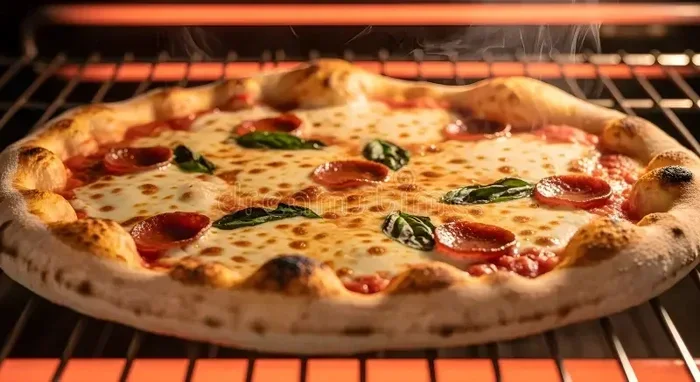
Look for visual cues rather than just the clock. A golden brown crust is your first sign of doneness. The cheese should be bubbly with slight brown spots. The pepperoni should be slightly curled and crispy at the edges. These pizza toppings signals tell you the pizza bake time is complete.
Trust your senses when judging doneness. Your eyes are your best tool. Your nose can also help. A perfectly baked pizza smells toasty and aromatic. If it smells burned, check it immediately. If it smells bland, it probably needs a few more minutes.
Storing and Reheating Leftover Pizza
Store leftover pizza in an airtight container in the refrigerator. Reheat in the oven at 375°F for 5 to 8 minutes. Avoid using the microwave as it makes the crust soggy. Proper storage keeps your homemade pizza tasting fresh for up to three days. The crispy crust comes back when reheated in the oven.
Never store pizza with the cheese side down. The cheese sticks to the container and loses its texture. Always place it cheese side up. This keeps the toppings intact and the crust from getting soggy. A quick reheat in the oven brings back that fresh-baked taste.
Conclusion
Now you know exactly how long to cook pepperoni pizza in oven for the best results. The key is getting the temperature right, watching the timing, and avoiding common mistakes. Whether you prefer thin crust or deep dish, these tips will help you bake pizza like a pro. Practice makes perfect, so try different pepperoni pizza recipes and find your personal favorite.
Your kitchen pizza oven settings will become second nature after a few tries. Grab your pizza dough, preheat the oven, and enjoy the process of creating something delicious from scratch. A perfect homemade pizza is just one good bake away. The pepperoni slices will be perfectly crispy, the mozzarella cheese will be beautifully melted, and the crispy crust will be exactly what you have been dreaming of.
Remember that every oven is different. Use these guidelines as your starting point and adjust based on your own results. Soon you will be able to bake the perfect pepperoni pizza without even checking the clock. Your family and friends will be impressed every time. Happy baking!
Frequently Asked Questions
What temperature should I cook pepperoni pizza in the oven?
The ideal oven temperature for pizza is between 425°F and 450°F. This range allows the crust to cook evenly while the cheese melts perfectly. If your oven tends to run hot, drop the temperature by 10 to 15 degrees for best results.
How long does it take to bake a thin crust pepperoni pizza?
A thin crust pepperoni pizza typically takes 8 to 12 minutes at 450°F. The thin pizza dough heats up quickly and evenly. Watch for a golden brown crust and bubbly cheese to know when it is done.
Can I use a pizza stone to improve my crust?
Yes, a pizza stone absorbs moisture from the dough and creates a crispier base. Preheat the stone in the oven for at least 30 minutes before placing your pizza on it. This simple tool makes a huge difference in crust quality.
How do I know when my pepperoni pizza is done?
Look for visual cues like a golden brown crust and bubbly cheese with slight brown spots. The pepperoni should be slightly curled and crispy at the edges. These signs indicate the pizza bake time is complete.
Can I reheat leftover pepperoni pizza in the oven?
Absolutely. Reheat leftover pizza in the oven at 375°F for 5 to 8 minutes. Avoid the microwave as it makes the crust soggy. The oven restores the crispy texture and keeps the cheese creamy.
Why is my pizza crust soggy even after baking?
A soggy crust usually means too many toppings or insufficient oven preheating. Moisture from sauce and vegetables can soak into the dough. Make sure to preheat your oven for at least 15 to 20 minutes and keep toppings light for the best results.
=== FAQS ===