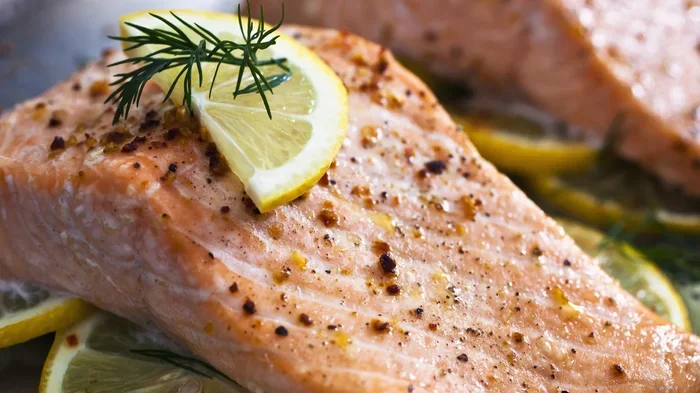
How Long To Cook Sockeye Salmon In Oven At 400 Degrees
Cooking sockeye salmon in the oven at 400°F takes about 12 to 15 minutes for fillets, making it one of the fastest and healthiest dinner recipes you can prepare. Baked salmon at 400 degrees delivers a crispy skin and moist, flaky center every time. This guide covers timing, prep steps, and pro tips for perfect oven-baked salmon that your whole family will love.
There are few things in the kitchen as rewarding as pulling a beautiful sockeye salmon fillet out of the oven. The skin is crispy, the flesh is vibrant pink, and the whole kitchen smells amazing. If you have been searching for how long to cook sockeye salmon in oven at 400, you are in the right place.
This guide gives you everything you need to know. From timing and temperature to prep tricks and side dish ideas, we have got you covered. Whether you are a beginner or a seasoned home cook, you will find practical advice that works every time.
Baked salmon at 400 degrees is one of the most popular seafood recipes out there. It is fast, healthy, and incredibly versatile. Let us dive in and make sure your next oven-baked salmon comes out perfect.
Key Takeaways
- 12 to 15 Minutes: A standard 1-inch sockeye salmon fillet cooks perfectly at 400°F in just 12 to 15 minutes.
- Internal Temperature Matters: The USDA recommends reaching 145°F internally for food safety and best texture.
- Skin-On Gives Better Results: Baking sockeye salmon skin-side down keeps the fillet moist and adds a satisfying crunch.
- Thickness Changes Timing: Thicker fillets need a few extra minutes, while thin pieces cook faster.
- Resting Is Key: Letting salmon rest for 3 to 5 minutes after baking keeps juices locked in.
- Simple Prep Wins: Olive oil, salt, and lemon are all you need for a delicious healthy protein meal.
- Pair With Easy Sides: Roasted veggies, rice, or salad round out a balanced and flavorful dinner.
📑 Table of Contents
- How Long To Cook Sockeye Salmon In Oven At 400
- What Temperature Is Best For Baking Sockeye Salmon
- How To Prepare Sockeye Salmon Before Baking
- Signs Your Sockeye Salmon Is Perfectly Cooked
- Common Mistakes To Avoid When Baking Salmon
- Best Side Dishes To Serve With Oven-Baked Salmon
- Expert Tips for the Best Oven-Baked Sockeye Salmon
How Long To Cook Sockeye Salmon In Oven At 400
The short answer is 12 to 15 minutes for a standard 1-inch thick fillet. But there is more to it than just a number. Several factors change the cooking time for wild-caught salmon in the oven.
Timing By Fillet Thickness
The thickness of your salmon fillet is the biggest factor. Here is a quick breakdown:
- Thin fillets (half inch): 8 to 10 minutes at 400°F
- Standard fillets (1 inch): 12 to 15 minutes at 400°F
- Thick fillets (1.5 inches): 16 to 20 minutes at 400°F
- Whole side of salmon: 20 to 25 minutes at 400°F
These times assume you are baking at a steady 400°F. Always use a meat thermometer to check the internal temperature. The target is 145°F at the thickest part of the fillet.
Does Skin Change the Cooking Time?
Many people ask if leaving the skin on affects timing. The answer is yes, but not by much. Skin-on salmon actually protects the flesh during baking. It acts like a natural shield that keeps moisture inside.
If you bake skin-on sockeye salmon, place it skin-side down on your baking sheet. The skin crisps up beautifully while the inside stays tender and juicy. You will add about 1 to 2 extra minutes compared to skinless fillets.
For those who prefer crispy salmon skin, a quick tip is to pat the skin dry before seasoning. Dry skin gets crispier in the oven. This small step makes a big difference in your final oven-baked salmon result.
What Temperature Is Best For Baking Sockeye Salmon
400°F is widely considered the sweet spot for baked salmon. But why is this temperature so popular? Let us look at the reasons.
Why 400°F Works So Well
At 400°F, the oven is hot enough to crisp the skin quickly. But it is not so hot that the outside burns before the inside cooks. This balance is what makes oven-roasted salmon at 400 degrees so reliable.
Here is what happens during baking at this temperature:
- The skin renders and becomes crispy within the first few minutes
- The fat inside the fillet melts slowly, keeping the flesh moist
- The proteins in the salmon cook evenly without drying out
- The natural sugars in the fish caramelize slightly for extra flavor
Comparison: 400°F vs. Other Temperatures
Not sure if 400°F is right for you? Here is how other common oven temperatures compare for salmon cooking time:
- 350°F: Slower cooking, about 18 to 22 minutes. The salmon steams more and the skin is less crispy.
- 375°F: A middle ground. Takes about 15 to 18 minutes. Good for thicker fillets.
- 400°F: The sweet spot. 12 to 15 minutes for most fillets. Crispy skin and moist flesh.
- 425°F: Faster cooking, 10 to 12 minutes. Great for thin fillets but can dry out thicker pieces.
For most home cooks, 400°F hits the perfect balance of speed and results. It is the go-to temperature for a great salmon recipe any night of the week.
How To Prepare Sockeye Salmon Before Baking
Good prep makes all the difference. You do not need a complicated recipe to get amazing results. A few simple steps set you up for success.
Step 1: Choose Your Fillet
Start with fresh or properly thawed wild-caught sockeye salmon. If using frozen salmon, thaw it overnight in the refrigerator. Never thaw salmon at room temperature. This keeps the seafood safe and preserves its texture.
Look for fillets that are bright orange-red in color. The flesh should feel firm and spring back when pressed. Avoid any fillets with a strong fishy smell or dull coloring.
Step 2: Pat It Dry
Use paper towels to pat the fillet dry on both sides. This step is especially important for the skin side. Dry surfaces crisp up better in the oven.
Removing excess moisture also helps your seasoning stick to the fish. This means every bite has great flavor, not just the surface.
Step 3: Season Simply
You really do not need much. Here is a simple salmon dinner recipe seasoning blend:
- 1 to 2 tablespoons of olive oil
- Salt and black pepper to taste
- A squeeze of fresh lemon juice
- Optional: garlic powder, dill, or smoked paprika
Brush the oil onto the fillet first. Then sprinkle the seasonings evenly. Let the seasoned fillet sit at room temperature for 10 to 15 minutes before it goes in the oven. This small rest helps the salmon cook more evenly.
Step 4: Line Your Baking Sheet
Use parchment paper or a lightly oiled baking sheet. This prevents sticking and makes cleanup a breeze. Place the fillet skin-side down in the center of the pan.
Leave a little space around the fillet. Air needs to circulate for even oven cooking. Overcrowding the pan leads to uneven results.
Signs Your Sockeye Salmon Is Perfectly Cooked
Knowing when your baked salmon is done is one of the most important skills. Overcooked salmon turns dry and chalky. Undercooked salmon is a food safety concern. Here is how to tell when it is just right.
Use a Meat Thermometer
This is the most reliable method. Insert a digital meat thermometer into the thickest part of the fillet. The reading should be 145°F for food safety.
Many chefs prefer to pull salmon at 135 to 140°F. The fish will continue cooking as it rests. This gives you a slightly translucent center that is buttery and tender. It is called medium doneness, and it is delicious.
Visual and Touch Tests
You can also check without a thermometer. Here are the signs to look for:
- Color: The flesh should be opaque pink throughout, not translucent in the center
- Flake test: Gently press with a fork. The fish should flake apart easily but still look moist
- Texture: The surface should feel firm but the inside should give slightly
- Juices: The fish should release white albumin (the protein) when fully cooked
The albumin is completely normal and safe to eat. It is just a protein that coagulates during cooking. If you see it, your oven-baked salmon is likely done or very close.
How Long To Let Salmon Rest
Once your salmon fillet comes out of the oven, let it rest for 3 to 5 minutes. This allows the juices to redistribute throughout the fish. Cutting into it right away lets those juices escape, and your salmon dries out faster.
Cover loosely with foil during resting. This keeps the fish warm without trapping too much steam, which would soften the crispy skin.
Common Mistakes To Avoid When Baking Salmon
Even experienced cooks make mistakes with salmon cooking time and temperature. Here are the most common ones and how to avoid them.
Mistake 1: Not Preheating the Oven
Always preheat your oven to 400°F before placing the salmon inside. A cold oven means uneven cooking. The outside overcooks while the inside stays raw. Give your oven at least 10 to 15 minutes to reach the right oven temperature.
Mistake 2: Overcrowding the Pan
Give each fillet space. When pieces are too close together, the steam gets trapped. Instead of crispy skin, you get soggy skin. If you are cooking multiple fillets, use two baking sheets or a larger pan.
Mistake 3: Overcooking the Salmon
This is the number one mistake people make with baked salmon at 400 degrees. The difference between perfectly moist and dry and chalky is just a couple of minutes. Set a timer and check early. You can always put it back for another minute, but you cannot undo overcooking.
Mistake 4: Skipping the Dry Step
Moisture is the enemy of crispy skin. If you skip the pat-dry step, your skin will steam instead of crisp. Take the extra 30 seconds to blot the fillet. Your taste buds will thank you.
Mistake 5: Using the Wrong Pan
Thin, flimsy baking sheets create hot spots. These lead to uneven cooking. Use a heavy, rimmed baking sheet or a sheet pan with a wire rack. The rack allows air to flow underneath, which helps the skin crisp evenly on all sides.
Best Side Dishes To Serve With Oven-Baked Salmon
A great salmon recipe deserves great sides. Here are some easy pairings that work beautifully with oven-roasted salmon at 400°F.
Quick and Easy Sides
- Roasted asparagus: Toss with olive oil, salt, and garlic. Roast on the same sheet pan for a complete meal.
- Garlic butter rice: A light and fluffy base soaks up the salmon juices perfectly.
- Simple green salad: Mixed greens, cherry tomatoes, and a lemon vinaigrette add freshness.
- Steamed broccoli: Quick and nutritious. A squeeze of lemon ties it together.
- Roasted cherry tomatoes: These caramelize in the oven and burst with flavor.
If you are meal prepping for the week, healthy protein like sockeye salmon stores well in the fridge for up to three days. Reheat gently in the oven or microwave to keep the texture as close to fresh as possible.
For those who love experimenting in the kitchen, try pairing your baked salmon with a honey mustard glaze or a teriyaki reduction. These flavors complement the rich, fatty taste of sockeye perfectly. You can also check out how to cook other oven dishes like how long to cook oysters in oven for more oven-based seafood ideas.
Expert Tips for the Best Oven-Baked Sockeye Salmon
Want to take your salmon cooking to the next level? Here are some expert-level tips that make a noticeable difference.
Brine for Extra Moisture
A quick 10-minute brine works wonders. Dissolve 1 tablespoon of salt in 4 cups of cold water. Submerge the fillet for 10 minutes, then pat dry and season. The salt penetrates the flesh and helps it retain moisture during baking. This trick is especially helpful for wild-caught salmon, which tends to be leaner than farmed varieties.
Add Fresh Herbs at the End
Dill, parsley, and cilantro all pair beautifully with pink salmon. Sprinkle fresh herbs on top right after the salmon comes out of the oven. The residual heat wilts them just enough to release their aroma without cooking away their flavor.
Save the Leftovers
Extra salmon fillet makes amazing leftovers. Flake it over a salad, mix it into pasta, or fold it into scrambled eggs for a protein-packed breakfast. Salmon meal prep saves time during busy weekdays and keeps you eating healthy.
For more oven cooking inspiration, you might enjoy how long to roast pumpkin seeds in oven or how long do chicken kebabs take in the oven for other great oven recipes.
Remember, practice makes perfect. Every time you bake sockeye salmon at 400 degrees, you will get a little better at judging the timing and texture. Soon it will become your go-to healthy protein that you can prepare in under 20 minutes from start to finish.
The beauty of oven-baked salmon is its simplicity. You do not need fancy equipment or complicated techniques. Just a hot oven, a good fillet, and a little patience. Follow the timing guidelines, trust a meat thermometer, and enjoy the process.
Whether you are cooking for one or feeding a family, baked salmon at 400°F delivers restaurant-quality results at home. It is no wonder this seafood dish has become a favorite in kitchens around the world. So preheat that oven, grab your salmon fillet, and get cooking.
If you are looking for more oven recipes to expand your repertoire, how to cook frozen fries in air fryer oven is another great resource for mastering your oven settings and timing.
Frequently Asked Questions
Can I Cook Sockeye Salmon At 350 Instead of 400?
Yes, you can. Baking at 350°F will take longer, about 18 to 22 minutes for a 1-inch fillet. The salmon will cook more gently and the skin will be less crispy. If you prefer a slower, more steamed result, 350°F works well.
How Do I Know If My Sockeye Salmon Is Done Without a Thermometer?
Use the flake test. Gently press the thickest part with a fork. If the fish flakes apart easily and the color is opaque pink throughout, it is done. The flesh should look moist but not translucent in the center.
Is It Better to Bake Salmon With or Without Skin?
Skin-on is generally better for baking at 400°F. The skin protects the flesh, keeps it moist, and crisps up beautifully. It also makes the fillet easier to handle on the baking sheet. Remove the skin after baking if you prefer not to eat it.
Can I Bake Frozen Sockeye Salmon at 400°F?
Yes, but you will need to increase the cooking time by about 5 to 10 minutes. Frozen fillets need extra time to reach the safe internal temperature of 145°F. Pat the fish dry before seasoning, even if it is still frozen, to help the skin crisp up.
What Is the Best Way to Store Leftover Baked Salmon?
Store leftover oven-baked salmon in an airtight container in the refrigerator. It stays fresh for up to three days. Reheat gently at 275°F for about 10 minutes to keep the texture as moist as possible. Avoid microwaving at high power, which can dry out the fish quickly.
Why Does My Salmon Taste Fishy?
Fresh sockeye salmon should have a mild, ocean-like aroma, not a strong fishy smell. If your salmon tastes very fishy, it may not be fresh. Look for bright-colored flesh and a clean smell when buying. Storing salmon properly in the coldest part of your fridge also helps reduce any strong flavors.
=== CONCLUSION ===
Cooking sockeye salmon in oven at 400 degrees is one of the simplest and most satisfying meals you can make. With a cooking time of just 12 to 15 minutes for a standard fillet, it fits perfectly into a busy weeknight routine. The key is to watch the thickness, use a meat thermometer, and let the salmon rest before serving.
Baked salmon at 400°F gives you crispy skin, moist flesh, and incredible flavor every single time. Follow the prep steps, avoid the common mistakes, and pair it with your favorite sides. You will have a healthy protein dinner that feels like a treat.
Now that you know exactly how long to cook sockeye salmon in the oven at 400, it is time to put this knowledge to work. Grab a fresh fillet, preheat your oven, and enjoy the process. Great salmon recipes do not need to be complicated. Sometimes the simplest approach delivers the best results. Happy cooking!