How To Clean Off Melted Plastic From Oven For Good
Melted plastic in your oven is a frustrating mess, but it is fixable without calling a professional. This guide shows you how to clean off melted plastic from oven using safe, affordable methods like baking soda, vinegar, and the freezer trick. You will learn prevention tips, step-by-step removal techniques, and how to eliminate burnt plastic smells for good.
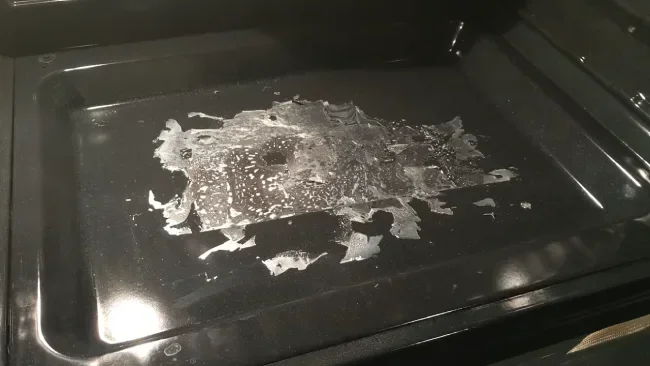
Finding melted plastic stuck to the inside of your oven is never fun. It happens to the best of us. Maybe you forgot a plastic wrap lid on a baking dish. Or perhaps a food container melted during a self-clean cycle. Either way, the sticky, burnt mess can seem impossible to remove.
Here is the good news. You do not need expensive cleaners or a professional technician to fix this. With common household items and a little patience, you can learn how to clean off melted plastic from oven surfaces safely. This guide walks you through every method, from the simplest freeze trick to deeper cleaning solutions that tackle tough residue and stubborn smells.
We also cover prevention strategies so this does not happen again. Whether you have a standard gas oven, an electric model, or a countertop oven, these tips apply to all of them. Let us get your oven looking and smelling like new again.
Key Takeaways
- Cool and Freeze Method: Harden melted plastic with ice or a freezer pack, then gently scrape it off without scratching oven surfaces.
- Baking Soda and Vinegar Paste: A natural, non-toxic paste breaks down stubborn plastic residue and eliminates odors effectively.
- Heat and Paper Bag Technique: Reheating plastic to soften it, then absorbing it with a paper bag, works well for fresh spills.
- Prevention Is Key: Using oven-safe containers and covering food properly prevents melted plastic accidents in the first place.
- Avoid Harsh Chemicals: Skip steel wool and chemical scrapers that can damage oven interiors and release harmful fumes.
- Persistent Odors Need Attention: Activated charcoal or lemon steam cleans lingering plastic smells after removal.
📑 Table of Contents
- Why Does Plastic Melt in the Oven?
- How To Clean Off Melted Plastic From Oven: Step-by-Step Methods
- Removing Plastic Smell From the Oven
- Preventing Melted Plastic in the Oven
- Common Mistakes to Avoid When Cleaning Melted Plastic
- Expert Tips for Maintaining a Clean Oven
- When To Call a Professional
- Final Thoughts
Why Does Plastic Melt in the Oven?
Understanding why plastic melts in the first place helps you avoid the problem. Most plastic wraps and containers are not designed to withstand high heat. Even oven-safe plastics have temperature limits that many home cooks accidentally exceed.
When plastic is exposed to temperatures above 300°F, it begins to soften. At higher temperatures, it melts and fuses to oven surfaces. The melted plastic can bond to metal racks, glass trays, and even the oven walls. This makes it especially hard to remove if you do not act quickly.
Common causes include forgetting to remove plastic wrap before baking, using plastic containers instead of oven-safe dishes, and accidentally leaving a plastic bag near the heating element. The air fryer oven is another appliance where this can happen if food packaging is not removed before cooking. Always double-check that no plastic is near heat sources before turning on your oven.
How To Clean Off Melted Plastic From Oven: Step-by-Step Methods
There are several proven methods to remove melted plastic from oven surfaces. Each works best for different situations. Below, we cover the most effective techniques you can try at home.
Method 1: The Freeze and Scrape Technique
This is the easiest and safest method for fresh or recent plastic spills. The idea is simple. You freeze the plastic so it becomes brittle, then scrape it off gently.
First, turn off your oven and let it cool completely. You do not want to work on a hot surface. Next, grab a bag of ice or a frozen vegetable pack. Place it directly on the melted plastic for 15 to 20 minutes. The cold will harden the plastic significantly.
Once the plastic is frozen solid, use a plastic scraper or an old credit card to gently lift it off the oven surface. Work slowly to avoid scratching the interior. You may need to repeat the freezing process for large areas. This method works great on glass oven trays and metal racks.
If any residue remains after scraping, move on to the baking soda method below. The freeze technique alone may not remove every trace, but it gets the bulk of the mess off quickly.
Method 2: Baking Soda and Vinegar Paste
For stubborn plastic residue that refuses to budge, a baking soda and vinegar paste is your best friend. These two ingredients are pantry staples that work together to dissolve tough, stuck-on messes.
Start by mixing three tablespoons of baking soda with one tablespoon of water. Stir until you form a thick paste. Apply the paste directly onto the plastic residue. Let it sit for 15 to 20 minutes. The baking soda needs time to break down the plastic bond.
Next, spray or drizzle white vinegar over the paste. It will fizz and bubble, which helps lift the residue from the oven surface. Wait another 5 minutes, then scrub gently with a damp cloth or soft sponge. Repeat if necessary. This method is safe for all oven types and leaves no harmful chemical residue behind.
For really tough spots, let the paste sit for up to 30 minutes. The longer it sits, the easier the residue wipes away. This same paste also works wonders on grease stains and burnt food inside the oven.
Method 3: The Heat and Paper Bag Approach
If the plastic spill is still fresh and has not fully hardened, you can use heat to your advantage. This method softens the plastic so you can absorb it away.
Preheat your oven to the lowest setting, around 200°F. Place a piece of parchment paper or a brown paper bag on the area with the melted plastic. The low heat will soften the plastic, making it pliable and sticky.
Once the plastic softens, use a wooden spoon or a silicone spatula to gently lift and fold the plastic onto the paper bag. Work carefully and avoid touching the plastic with bare hands. The paper bag absorbs the softened plastic, making cleanup much easier.
After removing as much plastic as possible, wipe the area with a cloth dampened with warm soapy water. This method is especially useful when you catch the spill early before it cools and hardens completely.
Method 4: Using a Commercial Oven Cleaner
When home remedies do not do the job, a commercial oven cleaner can help. These products are specifically formulated to dissolve tough, burnt-on residues including melted plastic.
Look for a cleaner that is safe for your oven type. Spray the product directly onto the plastic residue, following the manufacturer instructions. Most cleaners need to sit for 15 to 30 minutes. Then wipe the area clean with a damp cloth.
Be sure to ventilate your kitchen when using chemical cleaners. Open windows and turn on the exhaust fan. Some oven cleaners contain strong fumes that can be irritating. Always wear gloves and avoid mixing different cleaning products together.
If you prefer a less harsh option, try a plant-based oven cleaner. These are widely available and work almost as well as traditional chemical cleaners. They are also safer for homes with children and pets.
Removing Plastic Smell From the Oven
Even after you successfully remove the melted plastic, the smell can linger. A burnt plastic odor in the oven is unpleasant and can affect the taste of your food. Here is how to get rid of it completely.
Steam Cleaning With Lemon
Lemon is a natural deodorizer that works beautifully in ovens. Squeeze the juice of two lemons into a bowl of water. Place the bowl on the bottom rack of your oven. Heat the oven to 250°F and let the lemon steam run for 15 to 20 minutes.
The steam will neutralize the plastic odor and leave your oven smelling fresh. After the cycle, wipe down the interior with a clean damp cloth. You can also place lemon halves directly on the rack for an extra boost of freshness.
Activated Charcoal Trick
Activated charcoal is a powerful odor absorber. Place a bowl of activated charcoal inside your oven overnight with the door closed. The charcoal will absorb the remaining plastic smell by morning. This method is simple, chemical-free, and very effective.
You can also use coffee grounds as an alternative. Spread dry coffee grounds on a baking sheet and leave them in the oven overnight. Both charcoal and coffee grounds are excellent at trapping odors without introducing new scents.
Vinegar Steam Reset
White vinegar is another excellent odor remover. Fill a heat-safe bowl with equal parts vinegar and water. Place it in the oven and heat to 250°F for 10 minutes. The steam will break down odor molecules and refresh the oven interior.
After the steam cycle, wipe the oven walls, floor, and racks with a clean cloth. This method pairs well with the lemon steam technique for maximum odor removal. Try both in sequence for the best results.
Preventing Melted Plastic in the Oven
Prevention is always easier than cleaning. Once you know how to remove melted plastic, take steps to stop it from happening again. These simple habits save you time and keep your oven in great shape.
- Always remove plastic wrap before baking. Even if the recipe says to cover food, transfer it to foil or a proper oven-safe lid instead.
- Use only oven-safe containers. Glass, ceramic, and metal dishes handle oven heat well. Plastic containers should stay on the counter or in the refrigerator.
- Check food packaging before cooking. Remove any plastic windows, stickers, or packaging from food items before placing them in the oven.
- Set a timer for oven cleaning. Regular cleaning prevents buildup that makes plastic removal harder. A quick wipe after each use keeps your oven in top condition.
- Cover food with oven-safe lids. If you need to cover dishes while baking, use silicone lids or aluminum foil instead of plastic wrap.
Taking 30 seconds to check your oven before turning it on can save you a lot of trouble. The same care you apply when roasting pumpkin seeds or cooking chicken kebabs applies here. Always verify that your cookware and food packaging are oven-safe before every use.
Common Mistakes to Avoid When Cleaning Melted Plastic
When you are dealing with melted plastic, it is tempting to grab the nearest abrasive tool and start scrubbing. Resist that urge. Many common cleaning mistakes can damage your oven and make the problem worse.
Do not use steel wool or metal scrapers. These tools scratch the oven interior and can damage the non-stick coating. Scratches also trap food and grease, making future cleaning even harder. Stick to plastic scrapers, wooden spoons, or soft sponges.
Do not use harsh chemical abrasives. Strong solvents can release toxic fumes when heated later. They can also damage the oven surface over time. Stick to gentle, natural cleaners like baking soda and vinegar whenever possible.
Do not ignore the smell. If you remove the plastic but leave the odor behind, it will affect your cooking. Always deodorize the oven after removing melted plastic. A quick steam clean with lemon or vinegar takes just minutes and makes a big difference.
Do not rush the process. Trying to scrape off plastic that has not been properly softened or frozen often leads to smearing and pushing the residue deeper into the oven surface. Take your time and let the cleaning agents do the work.
Expert Tips for Maintaining a Clean Oven
Keeping your oven clean goes beyond just removing melted plastic. Regular maintenance extends the life of your appliance and keeps it running efficiently. Here are some expert tips that make a real difference.
Clean your oven after every major cooking session. A quick wipe with a damp cloth removes spills before they become baked-on stains. This is especially important after cooking foods that splatter or produce a lot of grease, like roasting meats or baking cheesy dishes.
Use oven liners on the bottom rack. These affordable liners catch drips and spills before they reach the oven floor. They are easy to remove and clean, and they protect your oven from tough stains. You can find them at most kitchen supply stores for just a few dollars.
Run a self-clean cycle once a month if your oven has this feature. Self-cleaning ovens use high heat to burn off food residue and grease. Just make sure no plastic or other non-food items are inside before starting the cycle. The self-clean function works great as a maintenance tool but is not a substitute for regular wiping.
For ongoing freshness, place a small bowl of baking soda in the oven when it is not in use. The baking soda absorbs odors naturally and keeps your oven smelling neutral. Replace the bowl every two weeks for the best results.
These small habits add up over time. A well-maintained oven not only looks better but also cooks more evenly and lasts longer. Think of it as an investment in your kitchen and your cooking experience.
When To Call a Professional
Most melted plastic situations can be handled at home with the methods described above. However, there are times when professional help is the right call.
If the plastic has bonded to the heating element itself, do not attempt to remove it yourself. Heating elements are delicate and expensive to replace. A professional technician can safely remove the plastic without damaging the element. This is especially important in electric ovens where the elements are exposed at the top and bottom.
Also call a professional if the plastic has melted into hard-to-reach areas behind the oven panels. Attempting to disassemble oven components without proper knowledge can cause damage or void your warranty. A trained technician has the tools and expertise to handle these situations safely.
Finally, if you have tried multiple cleaning methods and the stain or odor persists, it may be time to consult an expert. Sometimes plastic melts so deeply into the oven surface that home remedies cannot fully reach it. A professional deep clean can restore your oven to working condition.
Remember, taking care of your oven protects your investment. Regular cleaning and proper use, like always checking that cookware is oven-safe before use, go a long way in preventing costly repairs and keeping your kitchen running smoothly.
Final Thoughts
Learning how to clean off melted plastic from oven surfaces is a valuable kitchen skill. Whether you use the freeze and scrape method, a baking soda paste, or a heat and paper bag approach, the key is to act quickly and work gently. Harsh tools and chemicals do more harm than good, so stick to safe, proven methods.
Removing the plastic is only half the battle. Deodorizing the oven afterward ensures that no lingering smell affects your next cooking session. And taking preventive steps keeps your oven clean and plastic-free for the long haul.
With the right tools and a little patience, your oven will look and smell fresh again in no time. Share these tips with friends and family who might be dealing with the same frustrating mess. A clean oven makes every meal taste better and your kitchen feel more inviting.
Frequently Asked Questions
Can I use a razor blade to scrape melted plastic from the oven?
It is not recommended. Razor blades and metal scrapers can scratch and damage the oven interior, especially on non-stick surfaces. Use a plastic scraper or an old credit card instead. These tools remove plastic effectively without risking damage to your oven.
Is melted plastic in the oven dangerous to use?
In most cases, the oven is safe to use after you remove the plastic and clean the area. However, if the plastic has melted onto the heating element, it is best to have a professional check it first. Fumes from burnt plastic can also be irritating, so ventilate your kitchen well before using the oven again.
What is the easiest way to remove dried melted plastic from an oven?
The freeze and scrape method is the easiest approach. Place ice on the plastic for 15 to 20 minutes until it hardens, then gently chip it away with a plastic scraper. Follow up with a baking soda paste for any remaining residue. This method requires no chemicals and works on most oven surfaces.
How long does the plastic smell last in an oven?
The smell usually fades within a few hours after proper cleaning and deodorizing. If the odor persists, run a lemon steam cycle or place a bowl of activated charcoal in the oven overnight. These natural methods neutralize the smell quickly and effectively.
Will the baking soda and vinegar method damage my oven?
No. Baking soda and vinegar are gentle, non-toxic cleaners that are safe for all oven surfaces. They do not scratch or damage the interior. In fact, this combination is one of the safest and most effective ways to tackle tough oven stains including melted plastic residue.
How can I prevent plastic from melting in the oven next time?
Always remove plastic wrap, lids, and packaging before cooking. Use only oven-safe containers made of glass, ceramic, or metal. Set a reminder to check your cookware before turning on the oven. These simple habits prevent melted plastic accidents and keep your oven in great condition.