Best Damn Oven Roasted Pork Tenderloin Recipe Today
This oven roasted pork tenderloin recipe delivers juicy, flavorful meat with a beautiful crispy crust every single time. You will learn the best pork tenderloin seasoning, the perfect internal temperature, and simple marinating tricks that take your dinner from boring to amazing. Whether you are a beginner or a seasoned cook, this guide covers everything you need to make the best damn pork tenderloin in your oven.
There is something magical about a perfectly oven roasted pork tenderloin. It is juicy on the inside, golden on the outside, and packed with flavor that makes everyone at the table go quiet for a second. That moment of silence? That is the sound of people enjoying incredible food.
If you have been searching for the best pork tenderloin recipe that actually works, you are in the right place. This guide walks you through every single step with clear instructions and real tips. No guesswork. No stress. Just a damn good pork tenderloin that will become a family favorite.
We are covering everything here. From the right ingredients to the exact cooking time, from simple marinades to the best side dishes. By the end of this article, you will feel confident enough to make this dish any night of the week. Let us get started.
Key Takeaways
- Perfect Temperature: Roast pork tenderloin at 400°F for a juicy, caramelized exterior and a safe internal temp of 145°F.
- Simple Ingredients: You only need a handful of pantry staples to create restaurant-quality results at home.
- Marinating Matters: Even a 30-minute soak in a simple marinade transforms the flavor and tenderness of your pork.
- Resting Is Essential: Letting the meat rest for 5 to 8 minutes keeps all those juices locked inside.
- Versatile Cooking: This recipe pairs beautifully with sides like oven fries, roasted veggies, and fresh salads.
- Foolproof Method: Follow these steps and you will never overcook pork tenderloin again.
📑 Table of Contents
- Why This Oven Roasted Pork Tenderloin Recipe Works
- Ingredients You Will Need
- Step-by-Step Cooking Instructions
- Pork Tenderloin Temperature and Timing Guide
- Best Marinades and Seasoning Ideas
- Serving Suggestions and Side Dishes
- Common Mistakes to Avoid
- Expert Tips for the Perfect Pork Tenderloin
- Why Pork Tenderloin Is the Best Weeknight Protein
- Storing and Reheating Leftovers
- Final Thoughts
Why This Oven Roasted Pork Tenderloin Recipe Works
Not all pork tenderloin recipes are created equal. Some turn out dry and bland. Others require a dozen ingredients you cannot find at your local grocery store. This recipe is different. It focuses on simplicity, flavor, and foolproof results.
The pork tenderloin is one of the most tender cuts of meat you can buy. It is lean, quick to cook, and extremely versatile. When you roast it in the oven at high heat, you get a beautiful sear on the outside while keeping the inside moist and pink.
Here is why this method works so well:
- High heat creates a crispy crust: Roasting at 400°F caramelizes the surface quickly, locking in juices.
- Short cooking time: A tenderloin cooks in about 20 to 25 minutes, so it is perfect for busy weeknights.
- Minimal ingredients: You do not need fancy equipment or hard-to-find spices.
- Hard to mess up: The simple method makes it forgiving for beginners.
The beauty of this oven roasted pork approach is that it works every time. You can change the seasonings, swap the sides, and make it your own. That is what makes this recipe so special.
Ingredients You Will Need
Keeping things simple is the name of the game. Here is everything you need for a perfect pork tenderloin in the oven. Most of these ingredients are probably already in your kitchen.
For the Pork Tenderloin
- 1 pork tenderloin (about 1 to 1.5 pounds)
- 2 tablespoons olive oil
- 1 teaspoon salt
- 1 teaspoon black pepper
- 1 teaspoon garlic powder
- 1 teaspoon smoked paprika
- 1 teaspoon onion powder
- 1 tablespoon fresh rosemary or thyme (optional but amazing)
For the Simple Marinade
- 2 tablespoons olive oil
- 2 cloves garlic, minced
- 1 tablespoon Dijon mustard
- 1 tablespoon honey or brown sugar
- Juice of half a lemon
- Salt and pepper to taste
These ingredients work together to create a flavorful pork tenderloin that is savory, slightly sweet, and full of depth. The garlic and smoked paprika give it a warm, earthy flavor. The honey adds a touch of caramelization. And the lemon brightens everything up.
If you want to keep it even simpler, just use salt, pepper, garlic powder, and olive oil. Honestly, that alone makes a delicious oven roasted pork tenderloin. But the marinade takes it to the next level.
Step-by-Step Cooking Instructions
Now let us get into the fun part. Making this pork roast in the oven is easier than you think. Follow these steps and you will have restaurant-quality results at home.
Step 1: Prep the Pork Tenderloin
Start by removing the pork tenderloin from the fridge about 20 to 30 minutes before cooking. Letting it come to room temperature helps it cook more evenly. Pat it dry with paper towels. This is an important step because dry meat sears better and gets a nicer crust.
Trim off any excess fat or silver skin. You do not need to remove all the fat, but trimming the thick outer membrane helps the marinade penetrate better.
Step 2: Make the Marinade
In a small bowl, whisk together the olive oil, minced garlic, Dijon mustard, honey, lemon juice, salt, and pepper. Mix it until it is smooth and well combined.
Place the tenderloin in a large zip-lock bag or a shallow dish. Pour the marinade over the pork and make sure every side is coated. Seal the bag or cover the dish with plastic wrap.
For the best flavor, let it marinate for at least 30 minutes. If you have more time, marinate it for 2 to 4 hours in the fridge. Overnight works too, but 30 minutes is the minimum.
Step 3: Preheat the Oven
Preheat your oven to 400°F. While the oven is heating up, let the pork sit at room temperature. A hot oven is essential for getting that crispy, golden exterior.
If you are using a convection oven, you can reduce the temperature slightly to 375°F. The fan circulates the heat more efficiently, so it cooks a bit faster.
Step 4: Sear and Roast
Heat a large oven-safe skillet over medium-high heat. Add a drizzle of olive oil. Once the pan is hot, place the marinated tenderloin in the skillet. Sear each side for about 2 minutes until you get a nice brown crust.
Then transfer the entire skillet into the preheated oven. Roast for about 15 to 20 minutes. The exact time depends on the thickness of your tenderloin.
Step 5: Check the Internal Temperature
This is the most important step. Use a meat thermometer to check the internal temperature in the thickest part of the pork. The USDA recommends cooking pork to an internal temperature of 145°F. At this temperature, the meat is safe to eat and still juicy.
Do not overcook it. Pork tenderloin goes from perfectly juicy to dry very quickly. Pull it out when it reaches 140°F to 145°F. The temperature will continue to rise a few degrees while the meat rests.
Step 6: Rest the Meat
Remove the pork from the oven and the skillet. Place it on a cutting board and cover it loosely with aluminum foil. Let it rest for 5 to 8 minutes.
This resting period is crucial. It allows the juices to redistribute throughout the meat. If you cut into it right away, all those flavorful juices will run out onto the board instead of staying in the meat.
Step 7: Slice and Serve
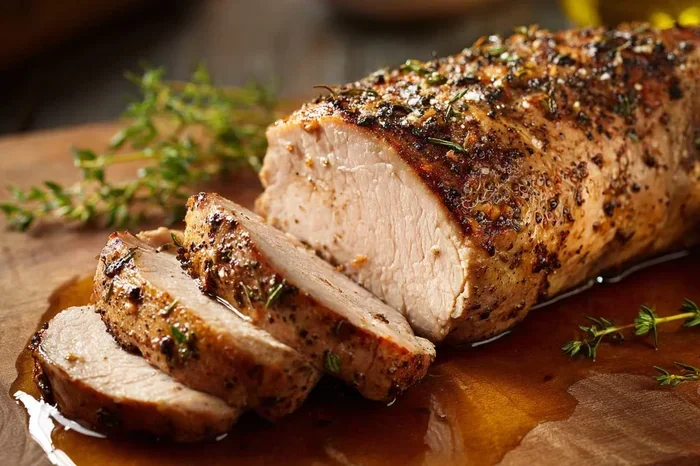
After resting, slice the tenderloin into 1/2-inch rounds. Serve immediately with your favorite sides. A squeeze of fresh lemon juice on top adds a bright finish that ties everything together.
Pork Tenderloin Temperature and Timing Guide
Getting the temperature right is the difference between a great oven roasted pork tenderloin and a disappointing one. Here is a simple guide to help you nail it every time.
Internal Temperature Chart
- 135°F: Slightly pink in the center. Very juicy and tender. This is my personal favorite.
- 145°F: The USDA recommended safe temperature. Juicy with a hint of pink.
- 155°F: Starting to dry out. Still good but less juicy.
- 165°F and above: Overcooked. Dry and tough. Avoid this at all costs.
Cooking Time by Weight
- 1 pound tenderloin: About 15 to 18 minutes at 400°F
- 1.5 pound tenderloin: About 20 to 25 minutes at 400°F
- 2 pound tenderloin: About 25 to 30 minutes at 400°F
These times are approximate. Always use a meat thermometer. Every oven is different, and the thickness of your tenderloin varies. The thermometer takes all the guesswork out of the equation.
If you are curious about how other oven recipes handle timing, check out how pumpkin seeds are roasted in the oven for a great example of how oven temperature affects different foods.
Best Marinades and Seasoning Ideas
One of the best things about pork tenderloin is how well it takes on flavor. You can switch up the seasonings to match any cuisine or mood. Here are some of my favorite combinations.
Mediterranean Style
Use oregano, basil, sun-dried tomatoes, and olive oil. Add a splash of balsamic vinegar for a tangy twist. This pairs beautifully with roasted vegetables and crusty bread.
Asian-Inspired
Mix soy sauce, sesame oil, ginger, and a touch of honey. Add some sriracha if you like a little heat. This works amazingly with stir-fried vegetables on the side.
Smoky and Spicy
Go heavy on the smoked paprika, cumin, chili powder, and a pinch of cayenne. This is perfect for people who love bold flavors. Serve it with a cool yogurt sauce to balance the heat.
Herb and Garlic
Fresh rosemary, thyme, and plenty of minced garlic with butter. This is the classic approach and it never disappoints. Simple, elegant, and incredibly flavorful.
For even more flavor ideas, you might enjoy learning about how long chicken kebabs take in the oven since many of the same seasoning principles apply to oven-roasted meats.
Serving Suggestions and Side Dishes
A great pork tenderloin dinner needs the right sides. Here are some ideas that pair perfectly with this recipe.
- Roasted vegetables: Carrots, Brussels sprouts, and asparagus all work wonderfully. Toss them in olive oil, salt, and pepper, and roast them on a separate sheet pan at 400°F.
- Crispy oven fries: For a crowd-pleasing side, oven fries are a hit with kids and adults alike.
- Garlic mashed potatoes: Creamy, buttery mashed potatoes are a classic pairing that never fails.
- Fresh salad: A light green salad with a lemon vinaigrette cuts through the richness of the pork.
- Rice or quinoa: A simple grain bowl with herbs and veggies makes a complete meal.
- Topped with seeds: Sprinkle some roasted pumpkin seeds on top for a nice crunch. You can learn more about roasting pumpkin seeds in the oven for a great technique.
The best part about this recipe is that it is flexible. You can make it as simple or as fancy as you want. On a busy Tuesday night, pair it with some simple roasted veggies. On a weekend, go all out with mashed potatoes and a fresh salad.
Common Mistakes to Avoid
Even with a great recipe, small mistakes can make a big difference. Here are the most common pitfalls and how to avoid them.
Skipping the Rest Period
This is the number one mistake people make. Cutting into hot pork right away lets all the juices escape. Be patient. Give it 5 to 8 minutes on the cutting board. Your taste buds will thank you.
Overcooking the Meat
Pork tenderloin is lean, which means it dries out fast. The difference between juicy and dry can be just 5 degrees. Use a meat thermometer and pull the pork off at 140°F to 145°F. Trust the thermometer, not the clock.
Not Bringing Meat to Room Temperature
Cold meat going into a hot oven cooks unevenly. The outside overcooks while the inside stays raw. Taking the tenderloin out 20 to 30 minutes before cooking fixes this problem easily.
Using Too Much Marinade
A little marinade goes a long way. You do not want to drown the pork. Just enough to coat it lightly is perfect. Too much liquid can actually steam the meat instead of letting it roast.
Skipping the Sear
Searing the tenderloin in a hot skillet before roasting adds flavor and texture that you cannot get from the oven alone. It creates a Maillard reaction on the surface that makes the outside incredibly flavorful. Do not skip this step if you want the best results.
Expert Tips for the Perfect Pork Tenderloin
Here are some pro tips that take this recipe from good to absolutely amazing.
- Buy quality meat: Look for pork tenderloin that is pink and firm. Avoid any that look gray or have a strong smell.
- Brine for extra juiciness: If you have time, soak the tenderloin in a simple brine of water, salt, and sugar for 1 to 2 hours before marinating. This adds moisture and flavor.
- Use a wire rack: Placing the tenderloin on a wire rack over a baking sheet allows hot air to circulate around the meat for even cooking.
- Add butter after cooking: A small pat of compound butter on top of sliced pork adds richness and flavor that elevates the dish.
- Make it ahead: This recipe can be prepped the night before. Marinate the tenderloin, then roast it fresh when you are ready to eat.
- Leftovers taste great: Sliced pork tenderloin makes amazing sandwiches, salads, and wraps the next day.
For more oven cooking inspiration, you might want to explore commercial electric pizza ovens if you are interested in upgrading your oven setup for even better roasting results at home.
Why Pork Tenderloin Is the Best Weeknight Protein
If you are looking for a quick, healthy, and delicious protein for dinner, pork tenderloin is hard to beat. It cooks in less than 30 minutes total. It is leaner than many other cuts of pork. And it is incredibly versatile.
You can pair it with almost any side dish. It works for casual weeknight dinners and fancy dinner parties alike. The flavor profile can be adjusted to match any cuisine or preference.
Compared to chicken breast, which can be dry and boring, pork tenderloin stays juicy and flavorful much more easily. Compared to beef roasts, it cooks in a fraction of the time. It is truly the perfect weeknight protein.
Once you master this basic oven method, you can experiment with endless variations. Try different marinades, spice blends, and serving styles. The possibilities are truly endless.
Storing and Reheating Leftovers
Got leftovers? Here is how to handle them properly.
- Storage: Store sliced pork tenderloin in an airtight container in the fridge for up to 4 days.
- Reheating: Reheat gently in a covered skillet over low heat with a splash of broth or water. This keeps the meat from drying out.
- Freezing: You can freeze cooked pork tenderloin for up to 3 months. Wrap it tightly in plastic wrap and foil before placing it in a freezer bag.
- Best uses for leftovers: Pork sandwiches, pork fried rice, pork salads, and pork tacos all work great with leftover tenderloin.
Final Thoughts
Making the best oven roasted pork tenderloin at home is simpler than you think. With the right temperature, a little patience, and a great marinade, you can create a meal that impresses everyone at your table.
This pork tenderloin recipe is your go-to for busy weeknights, relaxed weekend dinners, and everything in between. It is easy, it is delicious, and it is foolproof. Once you make it a few times, it will become a staple in your cooking rotation.
So go ahead. Fire up your oven. Grab a pork tenderloin from the store. And make this recipe tonight. You will not be disappointed. This is the best damn oven roasted pork tenderloin you will ever make at home, and it is waiting for you to try it.
Happy cooking, and enjoy every bite!
Frequently Asked Questions
What temperature should pork tenderloin be cooked to in the oven?
The USDA recommends cooking pork tenderloin to an internal temperature of 145°F. For juicier results, many cooks pull it at 140°F and let it rest. A meat thermometer is the best tool to ensure perfect results every time.
How long does it take to roast pork tenderloin at 400°F?
A 1 to 1.5 pound pork tenderloin typically takes 20 to 25 minutes at 400°F. The exact time depends on the thickness of the meat and whether you sear it first. Always use a meat thermometer to check for doneness.
Can I cook frozen pork tenderloin in the oven?
Yes, you can cook frozen pork tenderloin, but it will take significantly longer. Thawing it first is recommended for more even cooking and better flavor. If cooking from frozen, add about 10 to 15 extra minutes to the cooking time and check the internal temperature carefully.
What is the best marinade for pork tenderloin?
A simple blend of olive oil, garlic, Dijon mustard, honey, and lemon juice works beautifully. For something bolder, try a smoky spice rub with paprika, cumin, and brown sugar. Marinating for at least 30 minutes makes a noticeable difference in flavor.
Should I cover pork tenderloin with foil while roasting?
No, leave the pork uncovered for the best results. Covering it traps steam and prevents the outside from getting crispy and caramelized. Let it roast uncovered so the surface develops a beautiful golden crust.
How do I know if pork tenderloin is done without a thermometer?
The easiest way is to check the juices. When you pierce the thickest part, the juices should run clear, not pink. You can also press the meat with your finger. It should feel firm but still springy, similar to the base of your thumb when your hand is relaxed.
=== CONCLUSION ===
The best damn oven roasted pork tenderloin recipe is one that is simple, flavorful, and impossible to mess up. This guide has given you everything you need to make a perfect pork tenderloin in the oven every single time. From the ingredients to the cooking temperature to the resting period, every detail matters.
Remember to use a meat thermometer, let the meat rest, and experiment with different marinades to keep things exciting. Pork tenderloin is one of the most underrated proteins out there, and now you know how to make it shine.
Try this recipe this week and see for yourself. Once you taste how juicy and flavorful a properly roasted tenderloin can be, you will never go back to dry, overcooked pork again. Happy cooking!