How To Preheat Oven To 400 For Perfectly Roasted Food
Learning how to preheat oven to 400 is the simplest step toward restaurant-quality roasted food at home. This guide covers everything from step-by-step instructions to pro tips that guarantee crispy edges and even cooking. Whether you are roasting vegetables, chicken, or casseroles, the right preheating method makes all the difference.
There is something deeply satisfying about pulling a perfectly roasted dish out of the oven. The golden edges. The crispy texture. The aroma that fills the entire kitchen. But here is the thing most people overlook. The secret to great roasting starts long before the food goes in. It starts with how you preheat oven to 400.
Many of us rush this step. We turn the dial, toss the food in, and hope for the best. But roasting at 400 degrees is a science. The initial burst of heat sears the surface. It creates that beautiful caramelization we all love. And none of that happens if your oven is still warming up when the food goes in.
This guide will walk you through everything you need to know. From the basic steps to advanced techniques, you will learn how to get consistent, perfect results every single time. Let us dive in.
Key Takeaways
- Always preheat for 15-20 minutes: A fully heated oven ensures even cooking and better browning.
- Use an oven thermometer: Built-in dials can be inaccurate by 25 degrees or more.
- Place food on the center rack: This promotes the best heat circulation for consistent results.
- Convection mode speeds things up: It circulates hot air for faster and more even roasting.
- Avoid opening the door too often: Each peek drops the temperature and affects cooking time.
- Pat food dry before roasting: Moisture is the enemy of crispy, golden results at 400 degrees.
- Let food rest after roasting: Resting locks in juices and improves texture significantly.
📑 Table of Contents
- Why Preheating to 400 Degrees Matters So Much
- Step-by-Step Guide to Preheat Oven To 400
- Best Foods to Cook at 400 Degrees
- Convection vs Conventional: Which Mode Should You Use?
- Common Mistakes People Make When Preheating to 400
- Pro Tips for Perfect Roasting at 400 Degrees
- How Long Does It Take to Preheat Oven To 400?
- How to Know When Your Oven Has Reached 400
- The Role of Oven Racks in Even Roasting
- Safety Tips for Preheating to 400 Degrees
- How to Adjust Recipes for Different Oven Types
- Energy-Saving Tips for Preheating
- Final Thoughts on How To Preheat Oven To 400
Why Preheating to 400 Degrees Matters So Much
Preheating is not just a suggestion on the recipe card. It is a critical step that directly affects how your food turns out. When you preheat oven to 400, you are giving your dish the best possible start. Here is why it matters so much.
The Science Behind Preheating
When your oven reaches 400 degrees, every surface inside is radiating heat. The walls. The racks. The baking sheet. When cold food hits a hot environment, the surface temperature spikes immediately. This triggers the Maillard reaction. That is the chemical process that creates browning and flavor. Without a preheated oven, your food steams instead of sears.
Think of it this way. Would you fry a steak in a cold pan? Of course not. The same principle applies to roasting. A hot oven gives you a hot surface. A hot surface gives you crispiness. Crispiness gives you flavor.
How Temperature Affects Cooking Results
Roasting at 400 degrees strikes a perfect balance. It is hot enough to brown the outside quickly. But it is not so hot that the inside burns before the outside is done. This temperature works beautifully for vegetables, meats, and baked goods alike.
When your oven is not fully preheated, several problems arise. The cooking time increases. The food steams instead of roasting. You lose that crispy exterior. And the texture suffers overall. A simple 15-minute wait can completely change the outcome of your dish.
Step-by-Step Guide to Preheat Oven To 400
Now let us get into the practical part. Learning how to preheat oven to 400 is simple. But doing it correctly makes all the difference.
Step 1: Clear the Oven
Before you start, make sure nothing is inside the oven. Remove any leftover foil, baking dishes, or racks you do not need. A clear oven heats more evenly and safely. This is a small step that many people skip.
Step 2: Set the Temperature
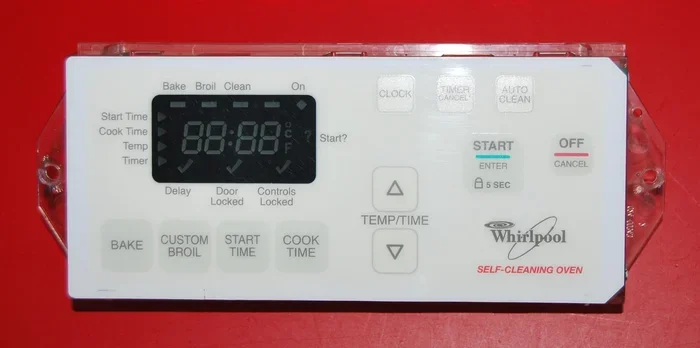
Turn your oven dial or press the temperature buttons on your digital display. Set it to 400 degrees Fahrenheit. Most ovens let you choose between Fahrenheit and Celsius. If you are using Celsius, set it to 200 degrees instead.
Some ovens have a “broil” setting that can accidentally override your preheat. Double-check that your display shows “Bake” mode, not “Broil.” This is a common mistake that throws off your temperature.
Step 3: Choose the Right Rack Position
Place your oven rack in the center position. This is the sweet spot for even heat distribution. If you put the rack too high, the top of your food may burn. Too low, and the bottom stays pale and undercooked.
For most roasting tasks, the center rack is your best friend. It surrounds the food with consistent heat from all sides.
Step 4: Press Start and Wait
Hit the start button and let the oven do its work. Most ovens take between 10 and 20 minutes to reach 400 degrees. Larger ovens take longer. Smaller ovens heat up faster.
Do not open the door to check. Every time you open it, you release heat. The oven has to work harder to recover the temperature. Just wait. Use the oven light to peek through the glass if you are curious.
Step 5: Confirm It Is Ready
Most ovens beep or display a light when they have reached the target temperature. But here is a pro tip. Do not fully trust the built-in thermostat. Many ovens run hot or cold by 10 to 25 degrees.
Invest in a simple oven thermometer. Place it inside and check the actual temperature. This small tool takes the guesswork out of roasting. It costs just a few dollars and pays for itself in better cooking results.
Best Foods to Cook at 400 Degrees
Once you know how to preheat oven to 400, you need to know what to cook. This temperature is incredibly versatile. It works for a wide range of dishes.
Roasted Vegetables
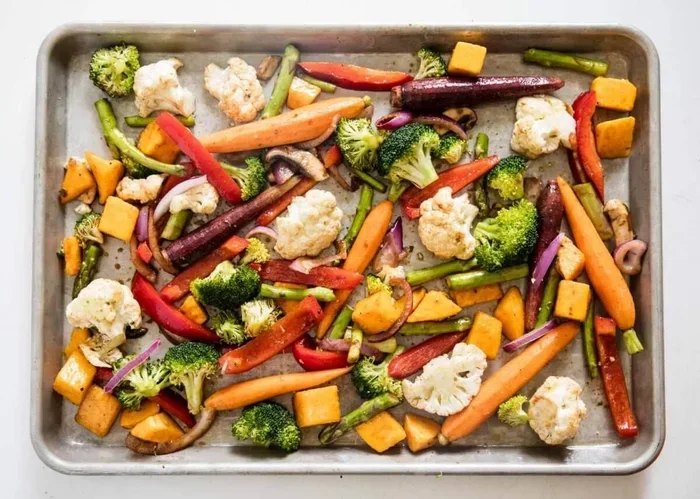
Vegetables are the star of 400-degree roasting. Broccoli, cauliflower, sweet potatoes, Brussels sprouts, and bell peppers all caramelize beautifully at this temperature. The high heat draws out natural sugars. It creates crispy edges while keeping the inside tender.
Toss your veggies with olive oil, salt, and pepper. Spread them in a single layer on a baking sheet. Do not overcrowd the pan. Overcrowding traps steam and prevents browning. Give each piece room to breathe.
Roast Chicken and Poultry
Whole chicken and chicken parts roast wonderfully at 400 degrees. The high heat crisps the skin fast. It also cooks the meat more evenly than lower temperatures. A whole chicken typically takes about 1 hour to 1 hour and 15 minutes at this temperature.
For extra crispy skin, pat the chicken completely dry before seasoning. Moisture is the enemy of crispiness. The drier the surface, the better the sear.
Baked Potatoes and Root Vegetables
Baked potatoes, parsnips, carrots, and beets all thrive at 400 degrees. The exterior becomes crispy and golden. The interior turns fluffy and tender. Wrap potatoes in foil if you prefer a soft skin. Leave them unwrapped for crispy skin all over.
Casseroles and Baked Dishes
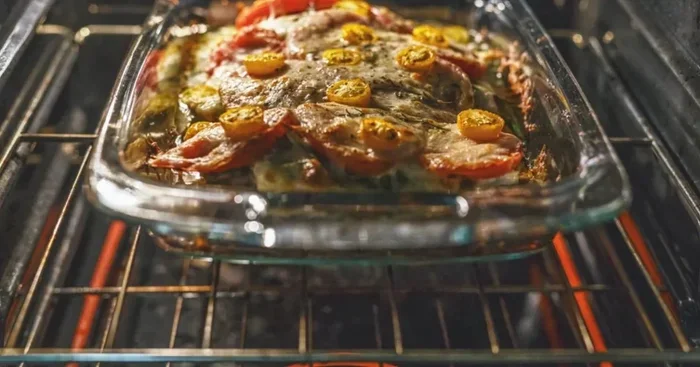
Many casseroles and baked pasta dishes benefit from a hot start. The 400-degree heat creates a bubbly, browned top layer. It also cooks the bottom evenly. Just cover the dish with foil for the first half of cooking. Then remove the foil to let the top brown.
Convection vs Conventional: Which Mode Should You Use?
This is one of the most common questions people ask when they preheat oven to 400. The answer depends on what you are cooking.
Understanding Convection Cooking
A convection oven has a fan that circulates hot air around the food. This creates a more even cooking environment. Hot spots become less of an issue. Food cooks faster and more uniformly.
When using convection mode at 400 degrees, reduce the temperature by 25 degrees. So set it to 375 degrees instead. The moving air transfers heat more efficiently. Your food will cook faster and brown more evenly.
When to Use Conventional Mode
Conventional mode works best for delicate foods. Custards, soufflés, and cakes benefit from still air. The gentler heat prevents them from rising unevenly or cracking.
For roasting meats and vegetables, convection is usually the better choice. It delivers faster results with superior browning. But if your oven runs hot, conventional mode gives you more control.
Quick Comparison Table
Here is a simple breakdown of the two modes:
- Convection Mode: Fan circulates air, faster cooking, more even browning, reduce temp by 25 degrees.
- Conventional Mode: Still air, gentler heat, better for delicate dishes, no temperature adjustment needed.
Common Mistakes People Make When Preheating to 400
Even experienced cooks make mistakes. Learning what to avoid will save you time and ruined dishes.
Skipping the Preheat Entirely
This is the number one mistake. Some people put food in a cold oven and hope for the best. The result is uneven cooking. The outside steams while the inside cooks slowly. Always give your oven time to reach the target temperature.
Opening the Door Too Often
Every time you open the oven door, you lose heat. The temperature can drop by 25 to 50 degrees. The oven then has to work hard to recover. This extends cooking time and affects the final result. Trust the oven light and the window. Keep the door closed.
Overcrowding the Pan
We have all been guilty of this. Fitting too much food on one baking sheet. The problem is that crowded food traps steam. Steam prevents browning. You end up with soggy, pale results instead of crispy, golden perfection.
Use two baking sheets if you need to. Give every piece of food space to breathe. The extra dishwashing is worth the better results.
Ignoring the Oven Thermometer
Your oven’s built-in thermostat can lie. Older ovens are especially prone to temperature inaccuracies. A cheap oven thermometer takes away all the guesswork. Place it inside, check it, and adjust accordingly.
Not Letting the Oven Fully Recover
If you need to open the door to place food inside, close it quickly. Give the oven a minute or two to recover the temperature before starting your timer. This small pause makes a real difference in cooking consistency.
Pro Tips for Perfect Roasting at 400 Degrees
Here are some expert-level tips that will elevate your roasting game.
Pat Your Food Dry
Moisture is the enemy of crispiness. Before placing any food in a hot oven, pat it dry with paper towels. This applies to vegetables, chicken, and tofu. The drier the surface, the better the sear and the crispier the result.
Use a Wire Rack Instead of a Flat Pan
Elevating food on a wire rack allows hot air to circulate underneath. This creates even browning on all sides. It is especially helpful for roasting vegetables and chicken wings.
Season at the Right Time
Salt draws moisture out of food. If you salt vegetables too early, they release water and steam instead of roasting. Season right before they go in the oven for the best results.
Let the Oven Fully Heat
Even after the beep sounds, give your oven an extra 3 to 5 minutes. This allows the entire interior to reach a stable temperature. The walls, the racks, and the air are all fully heated. Your food benefits from this extra wait.
Rest Your Food After Roasting
Once your food is done, let it rest for 5 to 10 minutes before cutting. This allows the juices to redistribute. The result is moist, tender meat and vegetables that hold their shape better.
How Long Does It Take to Preheat Oven To 400?
Most modern ovens take about 10 to 15 minutes to reach 400 degrees. Older models may take up to 20 minutes. The type of oven matters. Convection ovens heat faster than conventional ones because of the fan.
If you are in a hurry, there are a few things you can do. Remove any unused racks. They slow down heating. Keep the oven clean. Burnt-on food can affect heat distribution. And avoid opening the door during preheating.
For the best results, plan ahead. While the oven is warming up, prepare your ingredients. Season your food. Get your baking sheet ready. By the time the oven hits 400 degrees, you will be ready to cook immediately.
How to Know When Your Oven Has Reached 400
Modern ovens make this easy. They beep and display a ready light. But as mentioned earlier, the built-in thermostat is not always accurate. An oven thermometer removes all doubt.
Place the thermometer on the center rack. Wait for it to stabilize. Check the reading. If it shows 375 or 425, adjust your dial accordingly. Over time, you will learn your oven’s quirks. You will know exactly how long to wait for it to reach the right temperature.
Some ovens have a “preheat complete” alarm that sounds twice or three times. Others use a single beep. Learn your specific model. It will make the process smoother every time you cook.
The Role of Oven Racks in Even Roasting
Where you place the rack inside the oven affects how your food cooks. The top rack gets more direct heat from the upper element. The bottom rack receives more heat from the lower element. The center rack offers the most balanced heat.
For roasting at 400 degrees, always start with the center rack. If you want extra browning on the top, move the rack up one position during the last 5 minutes. Just be careful not to leave it too close to the top element or the food may burn.
Using two racks at once is fine for baking multiple sheets of vegetables. But rotate the sheets halfway through cooking. The front of the oven is cooler than the back. Rotating ensures every piece gets equal exposure to the heat.
Safety Tips for Preheating to 400 Degrees
Roasting at 400 degrees involves high heat. Safety should always come first.
- Keep the oven area clear: Remove towels, paper, and flammable items from around the oven.
- Use oven mitts: The racks and pans get extremely hot. Always protect your hands.
- Never leave the oven unattended: Especially during the first few minutes of preheating.
- Check for gas smells: If you have a gas oven and smell gas, do not use it. Contact a professional.
- Keep children away: The oven door gets very hot. Teach kids to stay back.
Following these simple safety rules ensures that your cooking experience is enjoyable and accident-free.
How to Adjust Recipes for Different Oven Types
Not all ovens are the same. Understanding your specific oven helps you adjust recipes for better results.
Gas Ovens
Gas ovens tend to have more moisture in the heat. This can prevent browning. To combat this, place a baking stone or sheet on the lower rack. It absorbs moisture and radiates dry heat upward. This improves browning and crisping.
Electric Ovens
Electric ovens heat more evenly than gas ovens. They are great for roasting. However, they can take longer to preheat. Plan for an extra 5 minutes when using an electric oven.
Toaster Ovens
Toaster ovens preheat much faster than full-size ovens. They typically reach 400 degrees in 5 to 8 minutes. But they have a smaller interior. Do not overcrowd the space. Cook in smaller batches for the best results.
Portable and Countertop Ovens
These compact ovens are convenient but less precise. The temperature can fluctuate more than a full-size oven. An oven thermometer is especially important here. It helps you compensate for any inconsistencies.
Energy-Saving Tips for Preheating
Preheating uses energy. Here is how to be more efficient.
- Preheat only when necessary: Some dishes like casseroles and soups do not need a preheated oven.
- Skip preheating for long cooks: If your recipe takes over an hour, the food will reach the right temperature regardless.
- Use the right pan: Dark baking sheets absorb heat faster than light-colored ones. They help the oven reach temperature sooner.
- Keep the oven door closed: Every peek costs energy and time.
These small changes add up. You will save energy and still get excellent roasting results.
Final Thoughts on How To Preheat Oven To 400
Mastering how to preheat oven to 400 is one of the simplest ways to improve your cooking. It takes just a few extra minutes. But the results speak for themselves. Crispier vegetables. Juicier chicken. Better browning. Even cooking throughout.
The key is consistency. Make preheating a habit. Every time you cook, give your oven the time it needs. Use an oven thermometer to verify the temperature. Choose the right rack position. And avoid the common mistakes we covered.
Once you make this part of your routine, you will notice an immediate difference in your food. The flavors deepen. The textures improve. Your dishes will look and taste more professional. And the best part is how simple it all is.
So next time you are about to roast something, take that extra 15 minutes. Let the oven warm up fully. Trust the process. And enjoy the delicious results that follow. Happy roasting!
Frequently Asked Questions
How long does it take to preheat oven to 400 degrees?
Most ovens take between 10 and 20 minutes to reach 400 degrees. Convection ovens heat faster, while older or larger models may take longer. Always wait for the ready signal before placing food inside.
Can I skip preheating and put food in a cold oven?
You can, but the results will not be as good. Food cooks unevenly in a cold oven. The outside steams instead of browning, and the texture suffers. Always preheat for the best crispy, golden results.
Do I need an oven thermometer if my oven has a digital display?
Yes, you should. Many oven thermostats are inaccurate by 10 to 25 degrees. A cheap oven thermometer takes the guesswork out of cooking and ensures your food roasts at the true temperature.
Is 400 degrees too hot for roasting vegetables?
Not at all. 400 degrees is the ideal temperature for roasting vegetables. It creates crispy edges and caramelizes natural sugars beautifully. Just make sure to spread them in a single layer and not overcrowd the pan.
Should I use convection or conventional mode when preheating to 400?
Use convection mode for roasting meats and vegetables. It circulates hot air for faster, more even cooking. Reduce the temperature by 25 degrees when using convection. Use conventional mode for delicate dishes like cakes and custards.
What happens if I open the oven door while preheating?
Opening the door releases heat and drops the internal temperature. The oven has to work harder to recover, which delays preheating. Try to keep the door closed and use the oven light to check on progress.
=== CONCLUSION ===
Learning how to preheat oven to 400 is the foundation of great roasting. It is a simple habit that transforms your cooking. From crispy vegetables to perfectly browned chicken, the results are undeniable. Follow the steps outlined in this guide. Avoid the common mistakes. Use the pro tips to refine your technique.
Remember, patience during preheating pays off. Give your oven the time it needs. Trust the process. And enjoy the delicious, perfectly roasted food that comes out every time. Your kitchen and your taste buds will thank you.