What Temp To Roast Almonds In Oven For Perfect Results
Want perfectly roasted almonds every time? This guide reveals the ideal what temp to roast almonds in oven for golden, crunchy results. You’ll learn exact temperatures, timing, and simple tips to avoid burning.
If you’ve ever wondered what temp to roast almonds in oven, you’re in the right place. Roasting almonds at home fills your kitchen with a warm, nutty aroma that store-bought versions just can’t match. The process is simple, fast, and gives you total control over crunchiness and salt levels.
Many people guess at the temperature and end up with pale or burnt nuts. That’s why we created this detailed guide. You’ll learn the exact oven temperature for roast almonds, how long to bake them, and pro tips for perfect results every single time. Whether you use whole raw almonds, slivered almonds, or blanched almonds, this article covers it all.
We’ll also explore low heat roast versus high heat roast methods, share easy seasoning ideas, and highlight common mistakes to avoid. By the end, you’ll know how to roast almonds in oven like a seasoned baker. Let’s get started.
Key Takeaways
- 325°F is the sweet spot: This moderate oven temperature roasts almonds evenly without burning.
- Stir halfway through: Regular stirring prevents hot spots and ensures all almonds turn golden.
- Watch closely after 8 minutes: Almonds can go from perfect to burnt in seconds once they start browning.
- Cool completely before storing: Residual heat keeps them crunchy, and proper storage extends freshness.
- Use parchment paper: It prevents sticking and makes cleanup effortless.
- Season after roasting: Salt or spices stick better to warm almonds for maximum flavor.
📑 Table of Contents
The Ideal What Temp To Roast Almonds In Oven For Perfect Results
Getting the oven temperature for roast almonds right is the single most important step. Too hot and the outside burns before the inside is done. Too cool and you end up with dry, pale nuts that lack crunch.
Low-Temp vs High-Temp Roasting
Some recipes call for a low heat roast at 275°F. This method is gentle and works well for blanched almonds or delicate slivered almonds. The nuts dry out slowly and stay very pale. Low heat roast is great if you plan to use the almonds in baked goods or want a very mild flavor.
A high heat roast at 375°F or higher speeds up the process. The almonds brown faster and develop a deeper, caramelized flavor. However, the risk of burning is much higher. You must watch them constantly and stir frequently. This method works best for whole raw almonds that are thick and sturdy.
Why 325°F Is the Sweet Spot
Most experts agree that 325°F is the best oven temperature for roast almonds. At this what temp to roast almonds in oven, the heat spreads evenly through the pan. The almonds roast slowly, turning golden on all sides without scorching. You get a perfect balance of crunchy almonds and almond flavor.
At 325°F, a whole raw almond roasts in about 10 to 15 minutes. Slivered almonds take less time because they are thinner. This middle ground temperature gives you a forgiving window. If you get distracted, the nuts won’t burn immediately. That’s why 325°F is the go-to choice for home cooks.
Step-by-Step Guide to Roasting Almonds
Now that you know the right oven temperature for roast almonds, let’s walk through the full process. Follow these simple steps for homemade roasted almonds that taste better than anything from a bag.
Preparing Your Almonds
Start with raw almonds straight from the package. You can use whole raw almonds, slivered almonds, or blanched almonds. There’s no need to thaw them if they were frozen. Just spread them out on a tray and pick out any small pieces or broken nuts.
If you want salted almonds, hold off on the salt until after roasting. Adding salt before baking can draw out moisture and make the nuts less crispy. For unsalted almonds, you can add a tiny drizzle of olive oil or melted butter if you like a richer taste. Most people prefer dry-roasted unsalted almonds for a cleaner flavor.
Spreading and Baking
Line a baking sheet with parchment paper. This prevents sticking and makes cleanup a breeze. Spread the almonds in a single layer with space between each nut. Overcrowding traps steam and leads to soggy roast almonds.
Place the pan on the middle rack of your oven. Set the temperature to 325°F for the best results. If you’re using a convection oven, reduce the heat by 25 degrees. The fan circulates hot air and roasts the nuts more evenly.
Checking for Doneness
Set a timer for 8 minutes. When the time is up, open the oven and use a spatula to stir the almonds. Move them around so every nut gets equal heat. Close the door and bake for another 3 to 5 minutes.
Watch the almonds closely after the 10-minute mark. The roast time varies based on your oven and the type of almond. Whole raw almonds might need up to 15 minutes total, while slivered almonds could be done in 8 to 10 minutes.
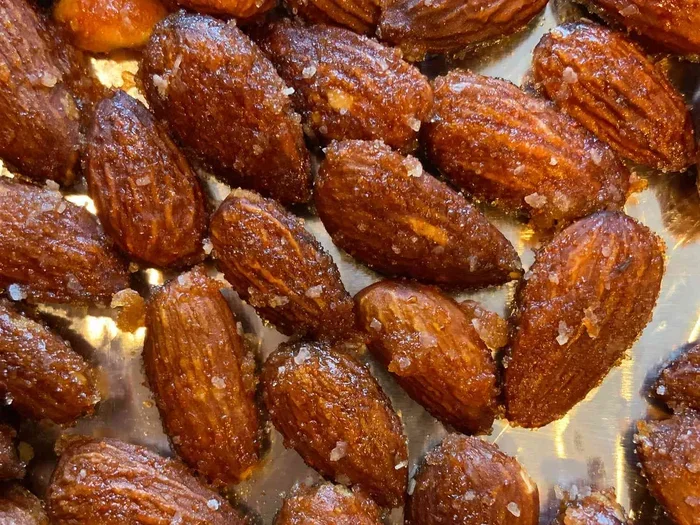
You’ll know the almonds are done when they turn a light golden brown and you can smell a rich almond flavor. Remove the pan immediately and pour the nuts onto a cool baking sheet or a plate lined with more parchment paper.
How Long to Roast Almonds at Different Temperatures
The roast time depends on the oven temperature for roast almonds you choose. Here’s a handy comparison to help you decide.
| Temperature | Almond Type | Roast Time | Result |
|---|---|---|---|
| 275°F (low heat roast) | Whole raw almonds | 20–25 minutes | Very pale, mild flavor |
| 325°F (recommended) | Whole raw almonds | 10–15 minutes | Golden brown, crunchy |
| 325°F (recommended) | Slivered almonds | 8–12 minutes | Light gold, crispy |
| 375°F (high heat roast) | Whole raw almonds | 8–12 minutes | Dark gold, intense flavor |
| 400°F (high heat roast) | Slivered almonds | 5–8 minutes | Deep brown, caramelized |
Roasting Time Chart Explained
The table above shows that what temp to roast almonds in oven directly affects the roast time. Lower temperatures need more time but are more forgiving. Higher temperatures work faster but require constant attention. For a beginner, 325°F offers the best balance of safety and flavor.
Adjusting for Slivered vs Whole Almonds
Slivered almonds have more surface area exposed to heat. They brown faster than whole raw almonds. If you roast slivered almonds at 325°F, check them after 6 minutes. They can go from perfect to burnt in under a minute.
Whole raw almonds with their brown skin take a bit longer. The skin acts as a natural barrier. If you use blanched almonds (skin removed), they roast even faster because there’s no protective layer. Adjust your timing accordingly and stay near the oven.
Tips for Perfectly Crunchy Roasted Almonds
Crunch is the hallmark of great roast almonds. Follow these simple tips to achieve the perfect crunchy almonds every time.
Parchment Paper and Baking Sheets
Never use a dark, non-stick pan without parchment paper. Dark pans absorb more heat and can scorch the nuts. A light-colored baking sheet lined with parchment paper reflects heat gently and promotes even browning. If you don’t have parchment paper, a silicone baking mat works just as well.
Use a rimmed baking sheet so the almonds don’t slide off when you stir them. A flat, single layer is essential. If you need to roast a large batch, use two pans instead of stacking the nuts. Overcrowding creates steam and steams the almonds instead of roasting them.
Stirring and Cooling Techniques
Stirring the almonds halfway through the roast time is non-negotiable. Use a spatula to flip and turn every nut. This simple step prevents one side from burning while the other stays pale. It also releases steam trapped between the almonds.
Cooling is just as important as baking. Once the almonds come out of the oven, spread them in a single layer on a cool baking sheet. Don’t leave them in a pile on the hot pan. The cooling almonds will continue to crisp up as they lose residual heat. Wait at least 15 minutes before tasting.
- Always cool roast almonds on a separate tray, not the baking sheet they were roasted on.
- If you like extra crunch, increase the oven temperature for roast almonds by 25°F and reduce the time slightly.
- Store cooled roasted almonds in an airtight container at room temperature.
Flavor Variations and Seasoning Ideas
Plain roasted almonds are delicious, but adding flavors takes them to the next level. The best time to season is right after roasting when the nuts are still warm.
Sweet and Savory Options
For salted almonds, toss the warm nuts with a light sprinkle of fine sea salt. The heat helps the salt stick. For a sweet twist, drizzle the almonds with a tiny bit of honey and sprinkle with cinnamon. Spread them back on the baking sheet and let them cool completely. They’ll turn into sweet caramelized almonds.
Savory options are endless. Try rosemary and olive oil, smoked paprika, or a mix of garlic powder and black pepper. For a spicy kick, toss warm almonds with a pinch of cayenne and a touch of brown sugar. The possibilities for almond flavor are limited only by your imagination.
Storing Your Homemade Roasted Almonds
Proper storage keeps your homemade roasted almonds fresh for weeks. Let them cool completely before storing. Place them in an airtight container or a glass jar with a tight lid. Store at room temperature away from direct sunlight.
You can also freeze roasted almonds for up to 3 months. Spread the cooled nuts on a tray, freeze them for an hour, then transfer to a freezer bag. Freezing preserves the crunchy almonds texture perfectly. When you’re ready to eat them, let them thaw at room temperature.
Common Mistakes to Avoid
Even experienced cooks make errors when roasting almonds. Knowing what to avoid saves time and prevents wasted nuts.
Burning vs Under-Roasting
Burning happens when the temperature is too high or you leave the almonds unattended. Under-roasting results in pale, soft nuts that lack almond flavor. The fix is simple: use 325°F as your baseline and stay near the oven. Set a timer and check the nuts frequently after the halfway point.
If you see the almonds turning dark brown before the 10-minute mark, your oven runs hot. Lower the temperature by 25°F next time. Every oven is different, and finding the true oven temperature for roast almonds in your specific appliance is part of the learning process.
Skipping the Cooling Step
Some people skip the cooling step and eat the almonds straight from the hot pan. This is a big mistake. The nuts are still cooking from residual heat. If you eat them immediately, they’ll be softer than expected and might even feel slightly damp. Always transfer cooling almonds to a separate tray and give them at least 15 minutes.
Frequently Asked Questions
Can I roast almonds at 400°F?
Yes, you can roast almonds at 400°F, but you must watch them closely. At this high heat, slivered almonds can burn in as little as 5 minutes. Whole raw almonds are more resilient but still need constant stirring. This high heat roast method works best if you’re experienced and stay by the oven.
How do I know when roasted almonds are done?
Look for a light golden brown color and listen for a faint crackling sound. The almond flavor becomes noticeably stronger when they’re ready. Remove them from the oven just before they reach your desired color because they continue to darken on the hot pan.
Should I soak almonds before roasting?
Soaking is optional and changes the texture. Soaked almonds turn softer when roasted and are great for snacking. If you want crispy roast almonds, skip the soaking step and start with dry raw almonds. Soaking adds moisture which fights the oven temperature for roast almonds.
Can I roast blanched almonds the same way as whole almonds?
Yes, but blanched almonds roast faster because they lack the brown skin. Reduce the roast time by 2 to 3 minutes at 325°F. Check them frequently. The skin acts as a natural insulator, so removing it exposes the nut to heat more directly.
What’s the best way to store roasted almonds?
Store completely cooled roasted almonds in an airtight container at room temperature. They stay fresh for up to 2 weeks. For longer storage, freeze them in a sealed bag for up to 3 months. Always keep them away from moisture and heat sources.
Can I reuse the parchment paper for a second batch?
Yes, you can reuse parchment paper as long as it’s not overly greasy or torn. Wipe off any crumbs and check for smoke stains. Fresh parchment paper ensures the best non-stick results for your oven-baked almonds.
Conclusion
Knowing what temp to roast almonds in oven transforms a simple snack into a culinary delight. The ideal oven temperature for roast almonds is 325°F, which delivers golden, crunchy roast almonds without any stress. Remember to use parchment paper, stir halfway through, and cool the nuts completely before storing or seasoning.
Whether you prefer whole raw almonds, slivered almonds, or blanched almonds, the principles remain the same. Start with a moderate oven temperature for roast almonds, stay attentive, and experiment with flavors. Soon you’ll have a steady supply of homemade roasted almonds that taste far superior to anything from a store shelf.
Apply these tips today and enjoy the satisfying crunch of perfectly roast almonds whenever you want. Your kitchen will smell incredible, and your snacking game will never be the same.