What Is 180C In Oven A Complete Guide For Home Baking
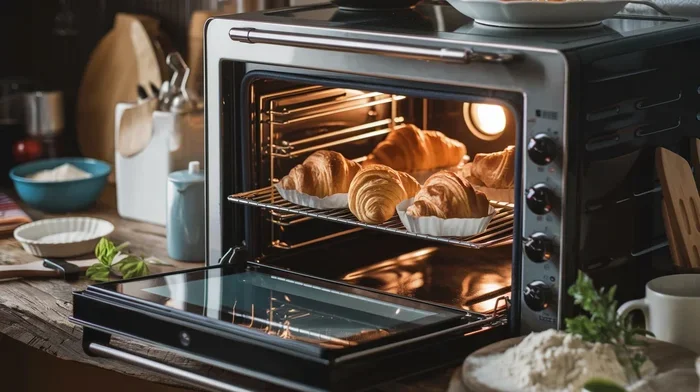
What is 180C in oven? It means setting your oven to 180 degrees Celsius, which equals 356°F and is one of the most popular baking temperatures for home bakers. This guide explains everything from temperature conversion to oven settings, helping you bake cakes, cookies, bread, and more with confidence and ease.
What is 180C in oven? If you have ever stared at a recipe that says “bake at 180C” and wondered what that really means, you are not alone. This temperature is one of the most common settings you will see in home baking recipes around the world. Whether you are making a simple sponge cake, golden cookies, or a homemade pizza, 180 degrees Celsius is a reliable go-to temperature.
In this complete guide, we break down everything you need to know about baking at 180C. You will learn how to set your oven correctly, what dishes work best at this temperature, and how to avoid the mistakes that cause many bakers to fail. By the end of this article, you will feel confident walking up to your oven and setting it to 180 degrees every single time.
So let us get started. No more guessing. No more burnt edges or raw centers. Just clear, simple, and practical advice that works in any kitchen.
Key Takeaways
- 180C is a versatile baking temperature: It works for cakes, cookies, muffins, bread, and roasted dishes.
- 180 degrees Celsius equals 356°F: Knowing the conversion helps when following international recipes.
- Always preheat your oven: This ensures even heat distribution and better baking results.
- Use an oven thermometer: Many ovens run hot or cold, so a thermometer gives you accurate readings.
- Convection ovens bake faster at 180C: Reduce the temperature by 10-20°C or shorten the baking time.
- Rack position matters: Placing your dish in the center of the oven promotes even baking.
- Avoid opening the oven door too often: This causes temperature drops and can ruin your bake.
📑 Table of Contents
- Understanding What 180C Means In Oven Baking
- How To Set Your Oven To 180C Correctly
- What Can You Bake At 180C?
- Converting 180C To Other Temperature Scales
- Common Mistakes When Baking At 180C
- Tips For Perfect Baking At 180C
- Why 180C Is The Ideal Temperature For Home Baking
- Quick Tips For Baking At 180C
- Final Thoughts On Baking At 180C
Understanding What 180C Means In Oven Baking
When a recipe says 180C in oven, it is telling you the temperature your oven should reach before you put your food inside. The “C” stands for Celsius, which is the temperature scale used in most countries outside the United States. In the US, ovens often display Fahrenheit, so 180 degrees Celsius converts to about 356 degrees Fahrenheit.
But why is 180C so popular? This temperature sits in a sweet spot for baking. It is hot enough to cook food through properly but not so hot that it burns the outside before the inside is done. Most oven baking recipes for cakes, muffins, scones, and cookies call for this temperature because it delivers consistent and even results.
Think of 180C as the “Goldilocks zone” of baking. It is not too low and not too high. It gives your food enough heat to rise, set, and develop a beautiful golden color. This is also the temperature you will find in many electric oven settings and gas oven dials.
How Ovens Measure Temperature
Ovens use thermostats to control heat. When you set your dial to 180C, the thermostat tells the oven to stop heating once it reaches that temperature. However, not all ovens are created equal. Some run hotter than the setting shows, while others run cooler. This is why using an oven thermometer is one of the best investments a home baker can make.
Here are a few key points about how ovens measure temperature:
- Digital ovens usually display the exact temperature and are more accurate.
- Analog ovens with dials can be off by 10 to 25 degrees.
- Convection ovens use a fan to circulate hot air, which can make the actual temperature feel higher.
- Gas ovens often have hot spots, meaning one side may be hotter than the other.
How To Set Your Oven To 180C Correctly
Setting your oven to 180 degrees Celsius sounds simple, but there is a right way and a wrong way to do it. The wrong way is to just turn the dial and immediately put your food in. The right way involves a few extra steps that make a huge difference.
Step 1: Preheat Your Oven
Always preheat your oven before placing any food inside. Preheating means turning the oven on and letting it heat up to the target temperature before you start baking. For 180C, this usually takes about 10 to 15 minutes. Preheating ensures that the entire oven cavity reaches a stable temperature, which leads to even cooking.
Step 2: Use An Oven Thermometer
Place an oven thermometer inside the oven while it preheats. This small tool tells you the real temperature inside the oven, not just what the dial says. You might be surprised to learn that your oven could be running 15 degrees too hot or too cold. Knowing this lets you adjust accordingly.
Step 3: Place The Rack In The Right Position
For most baking at 180C, the center rack is your best friend. It allows hot air to circulate evenly around your dish. If you place your tray too close to the top, the top might burn. If it is too close to the bottom, the bottom might overcook or stick.
Step 4: Wait For The Ready Signal
Many modern ovens beep or show a light when they reach the set temperature. Wait for this signal before loading your food. Even if the oven has been on for 10 minutes, the thermostat needs to confirm the target heat before you go ahead.
What Can You Bake At 180C?
The beauty of baking at 180C is how versatile it is. This temperature works for a wide range of dishes. Here are some of the most popular items you can make at this heat.
Cakes And Cupcakes
Most cake recipes call for 180 degrees Celsius. Vanilla sponge, chocolate cake, red velvet, and carrot cake all bake beautifully at this temperature. The even heat helps the cake rise properly and develop a tender crumb. For cupcakes, 180C also works perfectly, though you may need to reduce the time slightly since they are smaller.
Cookies And Biscuits
Cookies bake well at 180C because this temperature allows the edges to crisp while the center stays soft and chewy. Chocolate chip cookies, shortbread, and sugar cookies all benefit from this heat level. If your cookies spread too much, try lowering the temperature by 10 degrees next time.
Bread And Loaves
Many homemade bread recipes use 180C as their baking temperature. Banana bread, loaf cakes, and even some artisan-style loaves bake wonderfully at this setting. The key is to watch the bake time, as denser loaves may need a few extra minutes.
Roasted Vegetables And Savory Dishes
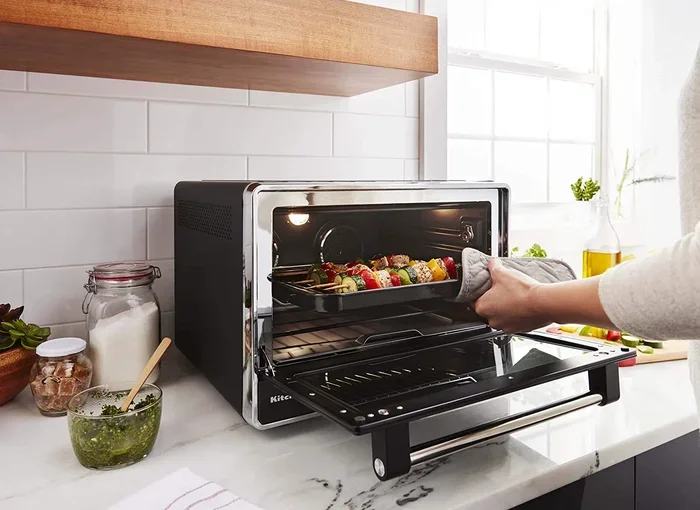
180C is not just for sweet treats. You can also roast vegetables, bake casseroles, and cook savory pies at this temperature. For example, you can roast pumpkin seeds in oven at 180C for a delicious and healthy snack. Similarly, you can cook oysters in oven with garlic butter at this temperature for a quick and elegant appetizer. Roasted chicken kebabs also work great at 180C, giving you juicy meat with a lovely char on the outside.
Frozen Foods
Did you know you can cook frozen fries in oven at 180C? This temperature is ideal for reheating or cooking frozen foods like fries, nuggets, and ready meals. The moderate heat cooks them through without burning the outside.
Converting 180C To Other Temperature Scales
Not everyone uses the Celsius scale. If you are following a recipe from the United States or the United Kingdom, you might see temperatures in Fahrenheit. Here is a simple conversion table for 180C and nearby temperatures.
| Celsius (C) | Fahrenheit (F) | Gas Mark |
|---|---|---|
| 160C | 320F | Gas Mark 3 |
| 170C | 340F | Gas Mark 3.25 |
| 180C | 356F | Gas Mark 4 |
| 190C | 374F | Gas Mark 5 |
| 200C | 392F | Gas Mark 6 |
As you can see, 180C equals 356°F and Gas Mark 4. If your oven only has Gas Marks, simply set it to Mark 4. If you are using a fan-forced oven or a convection oven, you should reduce the temperature by about 10 to 20 degrees. So for a fan-forced oven, set it to 160C or 170C instead of 180C. The fan circulates the heat more efficiently, which means your food cooks faster and more evenly.
Common Mistakes When Baking At 180C
Even experienced bakers make mistakes. But knowing what goes wrong helps you avoid it. Here are the most common errors people make when baking at 180 degrees Celsius and how to fix them.
Skipping The Preheat
This is the number one mistake. Putting food into a cold oven means it starts cooking slowly. The result is uneven texture, longer bake times, and sometimes a dense or gummy center. Always wait for your oven to reach 180C before sliding your dish inside.
Opening The Oven Door Too Often
Every time you open the oven door, heat escapes. The temperature can drop by 10 to 25 degrees. This causes cakes to sink, cookies to spread unevenly, and bread to develop a dense texture. Resist the urge to peek. Use the oven light to check on your food instead.
Using The Wrong Pan Size
If your pan is too small, the batter overflows. If it is too large, the batter spreads out too thin and bakes too quickly. For most recipes at 180C, a standard 8-inch or 9-inch round pan works best. Match the pan size to the recipe for the best results.
Not Rotating Your Pan
Many ovens have hot spots. The back or one side might be hotter than the rest. Halfway through the bake, open the door quickly and rotate your pan 180 degrees. This simple step promotes even browning and cooking.
Ignoring Oven Hotspots
Some ovens heat unevenly. You can test this by placing a piece of bread on a baking tray and toasting it at 180C for a few minutes. Check which parts brown first. Those are your hot spots. Knowing where they are helps you position your food for more even baking.
Overcrowding The Oven
Placing too many dishes in the oven at once blocks airflow. This leads to uneven heat distribution and longer bake times. If you need to bake multiple trays, rotate them halfway through and avoid stacking them on top of each other.
Tips For Perfect Baking At 180C
Now that you know the basics, here are some expert tips that will take your 180C baking to the next level.
Use Room Temperature Ingredients
Take your eggs, butter, and milk out of the fridge about 30 minutes before baking. Room temperature ingredients mix more smoothly and create a better texture. Cold ingredients can cause batter to curdle, which leads to uneven baking.
Invest In Quality Baking Pans
Dark-colored pans absorb more heat and can cause the bottom of your bake to darken too quickly. Light-colored or aluminum pans distribute heat more evenly. If you only have dark pans, reduce the temperature by 5 to 10 degrees.
Line Your Baking Trays
Use parchment paper or a silicone baking mat to line your trays. This prevents sticking and makes cleanup easier. It also promotes even heat distribution across the bottom of your bake.
Set A Timer
Even if you think you know how long something bakes, always set a timer. Ovens vary, and even the same recipe can bake differently on different days. Start checking a few minutes before the recommended time.
Let Your Oven Cool Between Bakes
If you are baking multiple batches, let the oven return to 180C before loading the next tray. Putting cold dough into a cooling oven leads to uneven results and longer bake times.
Know Your Oven Type
Different ovens behave differently. A commercial electric pizza oven operates very differently from a home toaster oven. Understand what type of oven you have and adjust your expectations. Home ovens are less powerful than commercial units, so be patient and give your food enough time to bake through.
Experiment And Learn
Every oven is unique. The more you bake at 180C, the better you will understand your specific oven’s quirks. Keep a baking journal where you note the time, temperature, and results. Over time, you will build a personal knowledge base that makes every bake better.
Why 180C Is The Ideal Temperature For Home Baking
There is a reason so many recipes call for 180 degrees Celsius. This temperature strikes the perfect balance between cooking speed and even heat. At 180C, the outside of your bake sets at a steady pace while the inside cooks through gently. This creates the ideal texture for most baked goods.
Higher temperatures, like 200C or above, are great for things that need a quick burst of heat, such as artisan bread or crispy roasted vegetables. But for everyday baking, 180C is the reliable workhorse. Cakes rise evenly, cookies bake to a perfect golden brown, and muffins develop a tender crumb.
Lower temperatures, like 150C or 160C, are better for slow baking or delicate items like custards and crème brûlée. But for the vast majority of home baking tasks, 180C hits the sweet spot. It is forgiving, consistent, and produces excellent results.
If you are just starting out with home baking, mastering 180C should be your first goal. Once you feel confident at this temperature, you can experiment with higher and lower settings. But for now, 180C is your best friend in the kitchen.
Quick Tips For Baking At 180C
- Always preheat your oven for at least 10 to 15 minutes before baking.
- Place your dish on the center rack for the most even heat.
- Use an oven thermometer to verify the actual temperature inside.
- Reduce the temperature by 10 to 20 degrees for fan-forced or convection ovens.
- Avoid opening the oven door during the first half of the bake.
- Rotate your pan halfway through if your oven has hot spots.
- Line your baking trays with parchment paper for easy release and cleanup.
- Use room temperature ingredients for smoother batter and even baking.
Final Thoughts On Baking At 180C
What is 180C in oven? It is the temperature that makes home baking simple, reliable, and enjoyable. From cakes and cookies to roasted vegetables and frozen fries, 180 degrees Celsius handles a wide range of cooking tasks with ease. By understanding how to set your oven correctly, avoiding common mistakes, and following the tips in this guide, you will bake with confidence every single time.
The next time you pull out a recipe and see 180C, you will know exactly what to do. Preheat your oven, grab your ingredients, and get ready to create something delicious. Baking at this temperature is forgiving and consistent, which makes it perfect for bakers of all skill levels.
Remember, the best baker is not the one who follows every rule perfectly. It is the one who keeps trying, keeps learning, and keeps enjoying the process. So preheat that oven to 180C and start baking. You have got this.
Frequently Asked Questions
What temperature is 180C in Fahrenheit?
180C equals 356°F. This is a common conversion you will need when following recipes from different countries. Simply multiply the Celsius temperature by 1.8 and add 32 to get the Fahrenheit equivalent.
Can I bake a cake at 180C?
Yes, 180C is one of the most popular temperatures for baking cakes. Most sponge cakes, chocolate cakes, and vanilla cakes bake beautifully at this heat. Just make sure to preheat your oven and follow the recipe timing carefully.
Should I reduce the temperature for a fan-forced oven?
Yes, you should reduce the temperature by 10 to 20 degrees when using a fan-forced or convection oven. So for a recipe that calls for 180C, set your fan-forced oven to 160C or 170C. The fan circulates hot air more efficiently, which cooks food faster.
How long does it take for an oven to reach 180C?
Most ovens take about 10 to 15 minutes to preheat to 180C. Older or less powerful ovens may take a bit longer. Using an oven thermometer helps you confirm when the target temperature is reached.
Is 180C too high for cookies?
No, 180C is a great temperature for cookies. It allows the edges to crisp while the center stays soft. If you find your cookies spreading too much, try lowering the temperature slightly to 170C for the next batch.
Can I cook frozen food at 180C?
Yes, 180C works well for cooking frozen foods like fries, nuggets, and ready meals. The moderate heat cooks them through evenly without burning the outside. Just follow the package instructions and adjust the time as needed.