What Is A Convection Oven Good For Baking And Roasting
A convection oven uses a fan to circulate hot air, making it perfect for baking and roasting. It cooks food faster and more evenly than a standard oven. Whether you’re baking cookies or roasting vegetables, this appliance delivers consistent, delicious results.
A convection oven is one of the most versatile kitchen appliances you can own. It uses a fan and exhaust system to blow hot air around your food. This creates a cooking environment that is faster, more even, and more efficient than a traditional oven. If you love baking and roasting, a convection oven will change the way you cook.
Many home cooks are still unsure about what a convection oven actually does. They wonder if it is worth the investment. The short answer is yes. Whether you are baking cookies, roasting a whole chicken, or making crispy fries, a convection oven delivers amazing results every time. Let us dive deep into what makes this appliance so special.
Key Takeaways
- Even Cooking: The fan circulates hot air for uniform browning and cooking.
- Faster Cooking Times: Convection ovens cook food up to 25% faster than conventional ovens.
- Versatile Use: Great for baking, roasting, dehydrating, and toasting.
- Crispy Results: Achieves crispy exteriors and moist interiors on meats and pastries.
- Energy Efficient: Shorter cook times mean lower energy bills.
- Multiple Rack Cooking: Cook several dishes at once without flavor transfer.
📑 Table of Contents
- How A Convection Oven Works
- What Is A Convection Oven Good For Baking
- What Is A Convection Oven Good For Roasting
- Benefits Of Using A Convection Oven
- Tips For Using A Convection Oven
- Common Mistakes To Avoid
- Who Should Use A Convection Oven
- Convection Oven vs Regular Oven: A Comparison
- Final Thoughts
How A Convection Oven Works
A standard oven heats food using elements at the top and bottom. Heat rises naturally, but it does not always spread evenly. A convection oven adds a fan and a rear heating element. The fan blows hot air directly onto your food from all sides. This creates a uniform cooking environment.
The result is faster and more consistent cooking. Hot air wraps around every piece of food on the rack. There are no cold spots or uneven browning. This is why convection baking has become so popular among home cooks and professional chefs alike.
The Role Of The Fan
The fan is the heart of a convection oven. It pushes hot air across the cooking cavity and back. This constant movement of air removes the cool, stagnant layer around your food. That cool layer is called the boundary layer. By breaking it up, the oven transfers heat much faster.
This means your food cooks more quickly. It also means the surface of your food browns more evenly. You get that perfect golden color on everything from bread to roasted vegetables.
Convection Bake vs Convection Roast
Many ovens come with two convection settings. Convection bake uses the rear fan and a bottom heating element. It is ideal for baking cookies, pastries, and bread. Convection roast uses the fan with a top and bottom element. It works best for roasting meats and vegetables.
Understanding this difference helps you get better results. Use convection bake for delicate items like cakes and cookies. Use convection roast for heavier items like a whole chicken or a beef roast. Each setting uses the fan differently to suit the cooking task.
What Is A Convection Oven Good For Baking
Baking is where a convection oven truly shines. The even heat distribution means your baked goods rise uniformly. They brown beautifully on all sides. You no longer have to rotate your pans halfway through cooking.
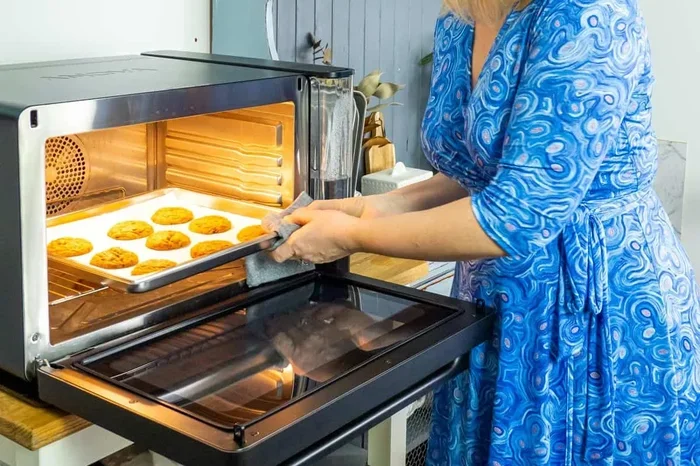
When you bake cookies in a convection oven, you get perfectly crispy edges and chewy centers. The hot air flows around each cookie on the baking sheet. This eliminates hot spots that cause some cookies to burn while others stay pale.
Baking Bread And Pastries
Bread lovers will appreciate how well a convection oven handles loaves and pastries. The circulating air creates a crisp, golden crust. The inside stays soft and fluffy. This is especially true for artisan breads and laminated pastries like croissants.
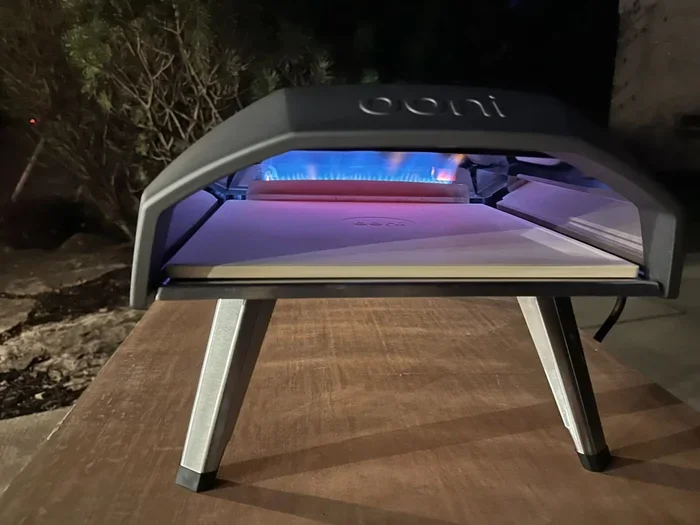
If you enjoy making pizza at home, consider looking into an electric pizza oven for commercial-style results. However, a convection oven can still produce excellent homemade pizza with a crispy crust and evenly melted cheese.
Baking Multiple Dishes At Once
One of the best features of a convection oven is the ability to cook multiple dishes at once. The fan ensures that heat reaches every rack evenly. You can bake two trays of muffins or three sheets of cookies without worrying about uneven cooking.
This is a huge time saver for busy families and meal preppers. You can prepare several items in one cooking session. Your kitchen stays cooler too, since the fan distributes heat more efficiently.
What Is A Convection Oven Good For Roasting
Roasting is another area where convection ovens excel. The circulating hot air creates a beautiful sear on meats and vegetables. It caramelizes the natural sugars on the surface. This gives you deep, rich flavors and appealing textures.
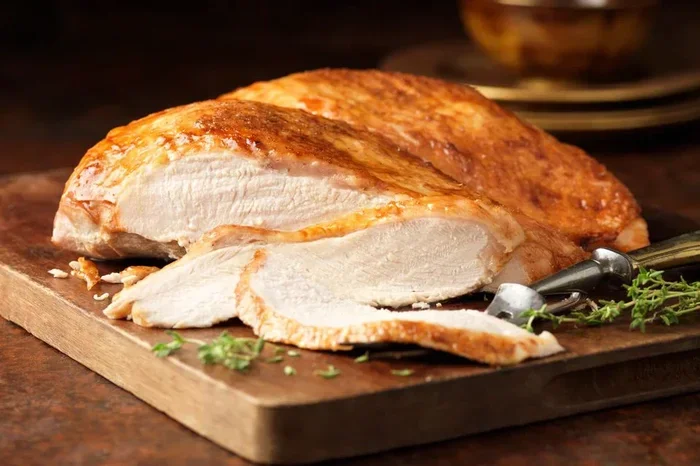
When you roast a chicken in a convection oven, the skin becomes incredibly crispy. The meat stays juicy and tender inside. The even heat reaches every part of the bird. You do not need to baste or flip the chicken halfway through.
Roasting Meats
Beef roasts, pork loin, lamb chops, and other meats all benefit from convection cooking. The hot air surrounds the meat on all sides. This creates a uniform crust while keeping the inside moist. Cooking times are typically shorter than with a conventional oven.
For example, chicken kebabs cook beautifully in a convection oven. They get a nice char on the outside while staying tender inside. If you want to learn more about timing, check out how long chicken kebabs take in the oven for helpful guidelines.
Roasting Vegetables
Roasted vegetables are a staple in many kitchens. A convection oven takes them to the next level. The hot air crisps the edges of broccoli, carrots, and Brussels sprouts. The result is caramelized, flavorful vegetables with a satisfying crunch.
Pumpkin seeds also roast wonderfully in a convection oven. They puff up and turn golden in no time. For detailed instructions, you can refer to how long to roast pumpkin seeds in the oven for perfect timing every time.
Roasting Seafood
Seafood benefits greatly from convection cooking too. Oysters, shrimp, and fish fillets cook quickly and evenly. The circulating air prevents overcooking. It also enhances the natural sweetness of shellfish.
If you enjoy oysters, a convection oven makes them easy to prepare. The even heat opens the shells perfectly and cooks the meat just right. Learn more about how long to cook oysters in the oven for best results.
Benefits Of Using A Convection Oven
There are many reasons to choose a convection oven over a standard oven. The benefits go beyond just faster cooking times. Here are the key advantages that make convection ovens a favorite among home cooks.
Even Heat Distribution
The most significant benefit of a convection oven is even heat. Traditional ovens often have temperature variations. The top might be hotter than the bottom. The back might be cooler than the front. A convection oven eliminates these problems. The fan pushes the air around, creating a consistent temperature throughout the cavity.
This means every dish comes out perfectly cooked. No more rotating pans or moving racks. You place your food, set the temperature, and trust the process.
Shorter Cooking Times
Because the hot air moves constantly, food cooks faster. Most recipes recommend reducing the temperature by 25 degrees Fahrenheit when using a convection oven. Or you can keep the temperature the same and reduce the cooking time by about 25 percent.
This is a big deal for busy weeknights. You can get dinner on the table faster. It also saves energy, which is better for your utility bills and the environment.
Better Browning And Crisping
The moving air removes moisture from the surface of food faster. This leads to better browning and crisping. Your roast chicken skin turns golden and crunchy. Your baked goods develop a beautiful crust. Your roasted vegetables get those perfect crispy edges.
Even frozen foods come out crispier in a convection oven. If you love frozen fries, you will be amazed at how well they turn out. For a step-by-step guide, check out how to cook frozen fries in an air fryer oven for tips that also apply to convection ovens.
Energy Efficiency
Since convection ovens cook faster, they use less energy overall. A shorter cooking time means less electricity or gas consumed. Over time, this adds up to meaningful savings. It is also better for the environment.
The fan also helps the oven reach the desired temperature faster. You do not need to preheat for as long. This makes the whole cooking process more efficient from start to finish.
Cooking Multiple Racks Easily
With a traditional oven, cooking on multiple racks can be tricky. The top rack gets more heat. The bottom rack gets less. Food on different racks can cook at different rates. A convection oven solves this problem.
The fan distributes heat evenly across all racks. You can cook three different dishes at the same time. Each one comes out perfectly. This is incredibly useful for holiday meals or dinner parties.
Tips For Using A Convection Oven
Getting the most out of your convection oven is easy with a few simple tips. These guidelines help you avoid common mistakes and achieve the best results every time.
Reduce The Temperature
As mentioned, convection ovens cook hotter and faster. Most experts recommend lowering the temperature by 25 degrees. This prevents overcooking and burning. Keep this rule in mind every time you convert a recipe.
For example, if a recipe calls for 375 degrees in a regular oven, set your convection oven to 350 degrees. The food will cook in the same amount of time or less. The results will be even better.
Use Low-Rimmed Baking Sheets
The fan needs airflow to work properly. Avoid covering the bottom of the oven with foil. Do not use deep, high-rimmed baking sheets. These block the circulation of air and reduce the benefits of convection.
Use flat, low-rimmed baking sheets and pans. This allows the hot air to flow freely around your food. You get better browning and more even cooking as a result.
Do Not Overcrowd The Oven
While a convection oven can handle multiple racks, do not overcrowd it. Leave space between pans and dishes. The air needs room to circulate. If you pack the oven too full, you block the airflow.
Overcrowding leads to uneven cooking and steaming instead of roasting. Give each dish enough room. You will see a big difference in the quality of your results.
Use The Right Cookware
Light-colored, shallow pans work best in a convection oven. Dark pans absorb more heat and can cause over-browning. Glass and ceramic dishes can also work but may require slight adjustments in time or temperature.
For roasting, use a wire rack set inside a baking sheet. The rack allows air to flow underneath the food. This promotes even cooking and crispy results on all sides.
Keep An Eye On Food
Because convection ovens cook faster, food can go from perfect to overdone quickly. Start checking your dishes a few minutes earlier than the recipe suggests. Use a meat thermometer for roasts. Check baked goods with a toothpick or skewer.
Once you get used to your convection oven, you will develop a feel for timing. Every oven is slightly different. Learning your specific model takes a little practice but pays off in better results.
Common Mistakes To Avoid
Even with a convection oven, mistakes can happen. Here are the most common ones and how to avoid them.
- Not adjusting the temperature: Forgetting to lower the heat by 25 degrees leads to overcooked food.
- Overcrowding the racks: Blocking airflow causes uneven cooking and soggy results.
- Using the wrong pans: Deep, high-rimmed pans block the fan and reduce efficiency.
- Skipping preheating: Even though convection ovens preheat faster, preheating is still important.
- Covering the bottom with foil: This blocks airflow and defeats the purpose of convection cooking.
Avoiding these mistakes ensures you get the most from your convection oven. Simple adjustments make a huge difference in the quality of your food.
Who Should Use A Convection Oven
A convection oven is great for almost everyone. Home cooks, busy families, and serious bakers all benefit from this technology. If you cook frequently, a convection oven saves you time and energy.
For baking enthusiasts, the even heat distribution is a game changer. Cakes rise evenly. Cookies bake perfectly on all sides. Bread gets a beautiful crust. For roasting fans, the crispy results and shorter cook times make every meal feel special.
Even if you are just starting out in the kitchen, a convection oven is forgiving. It is hard to mess up when the heat is distributed evenly. You can focus on learning recipes instead of worrying about hot spots and uneven cooking.
Convection Oven vs Regular Oven: A Comparison
Understanding the difference between a convection oven and a regular oven helps you choose the right appliance. Here is a quick comparison.
| Feature | Convection Oven | Regular Oven |
|---|---|---|
| Heat Distribution | Even, with fan-assisted airflow | Relies on natural heat rise |
| Cooking Time | 25% faster | Standard |
| Browning | Crispy and even | Can be uneven |
| Multiple Rack Cooking | Excellent | Limited |
| Energy Use | Lower due to shorter cook times | Higher |
| Price | Slightly higher | Lower |
As you can see, a convection oven offers clear advantages. The even cooking, faster times, and better browning make it worth the investment. If you are serious about cooking, a convection oven is a smart choice.
Final Thoughts
A convection oven is truly a powerhouse in the kitchen. It is excellent for baking and roasting of all kinds. From crispy cookies to perfectly roasted chicken, the results speak for themselves. The even heat, faster cooking times, and energy efficiency make it a must-have appliance for any home cook.
Once you start using a convection oven, you will wonder how you ever cooked without one. The quality of your food improves dramatically. The process becomes faster and more enjoyable. Whether you are a beginner or a seasoned cook, a convection oven will elevate your kitchen experience.
Take the time to learn your oven’s settings. Experiment with different recipes. Adjust temperatures and times until you find what works best. With a little practice, you will master the art of convection cooking and enjoy delicious meals every single day.
Frequently Asked Questions
Can I use regular baking recipes in a convection oven?
Yes, but you should reduce the temperature by 25 degrees Fahrenheit. The circulating air cooks food faster and more intensely. You can also reduce the cooking time by about 25 percent. Always start checking your food a few minutes early.
Is a convection oven the same as an air fryer?
They are similar but not the same. Both use fans to circulate hot air. However, a convection oven is larger and can cook more food at once. An air fryer is more compact and designed for smaller portions. A convection oven is more versatile overall.
What types of food should not be cooked in a convection oven?
Delicate foods that need a gentle, moist environment may not do well. Soufflés, custards, and flaky pastries can be tricky. The fan may cause uneven rising or disturb fragile textures. For these items, use the convection off or regular bake setting.
Do I need special pans for a convection oven?
No special pans are required, but low-rimmed baking sheets work best. They allow air to flow freely around the food. Avoid deep pans and stacking foil on the oven floor. Light-colored pans prevent over-browning compared to dark pans.
How do I clean a convection oven?
Clean the fan and interior regularly to maintain performance. Remove any food debris from the back of the oven where the fan is located. Use a mild cleaner and a soft cloth for the interior. A clean oven cooks more efficiently and lasts longer.
Can I roast a turkey in a convection oven?
Absolutely. A convection oven roasts turkey beautifully. The even heat creates a crispy skin while keeping the meat moist. Cooking time is shorter than in a regular oven. Use a meat thermometer to ensure the internal temperature reaches 165 degrees Fahrenheit in the thickest part of the thigh.
=== CONCLUSION ===
A convection oven is an incredible tool for anyone who loves to cook. Its ability to bake and roast evenly and efficiently sets it apart from standard ovens. Whether you are making cookies, roasting vegetables, or preparing a full holiday meal, the results are consistently excellent.
The benefits are clear. Faster cooking times, better browning, and energy savings make convection ovens a smart investment. With the tips and guidelines in this article, you are ready to get the most out of your convection oven. Start experimenting today and enjoy the difference that even, circulating heat makes in your kitchen.