Are Microwave Ovens Recyclable Here Is What You Need to Know
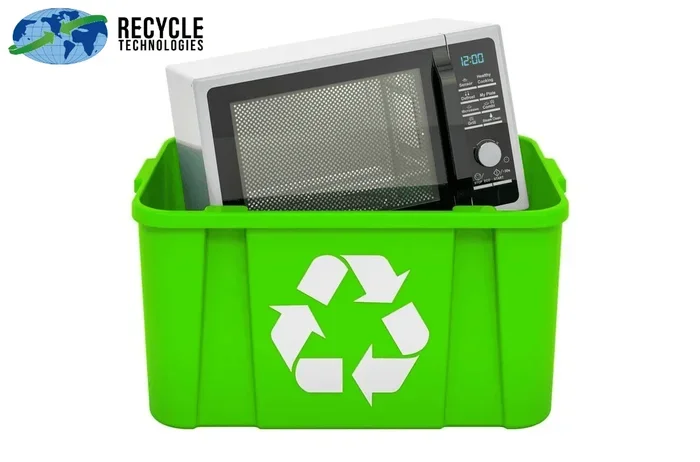
Are microwave ovens recyclable? Yes, most microwave ovens can be recycled through appliance recycling programs, scrap metal facilities, or local e-waste centers. The microwave recycling process recovers valuable metals like copper and steel while safely handling hazardous components such as the magnetron and capacitor. Understanding microwave disposal options helps keep electronic waste out of landfills and supports environmental sustainability.
Have you ever stood in front of an old microwave sitting in your garage and wondered what to do with it? Maybe it stopped working, or maybe you just upgraded to a newer model. Whatever the reason, the question are microwave ovens recyclable comes up more often than you might think.
The short answer is yes. Microwave ovens are recyclable. But the process is not as simple as tossing them into a blue bin on collection day. These appliances contain a mix of materials, some of which need special handling. In this guide, we will walk you through everything you need to know about microwave recycling, from understanding what goes into these machines to finding the right disposal options near you.
Whether you are a DIY enthusiast who loves tackling home projects or someone who just wants a straightforward answer, this article covers it all. Let us dive in and make microwave disposal easy and eco-friendly.
Key Takeaways
- Microwave ovens are recyclable: Most components including metal casing, copper wiring, and electronic parts can be recovered and reused.
- Multiple recycling options exist: You can use local recycling centers, appliance stores, scrap yards, or manufacturer take-back programs.
- Safety first: Microwaves contain hazardous materials like the magnetron and capacitor that require careful handling during disposal.
- Never toss microwaves in curbside bins: They are classified as e-waste and need special handling through proper channels.
- Donation and reuse are alternatives: Working microwaves can be donated or sold instead of recycled, extending their useful life.
- Local rules vary: Always check your local recycling guidelines and regulations before disposing of an old microwave.
📑 Table of Contents
- Why Recycling Microwaves Matters
- What Makes Up a Microwave Oven
- Can You Put a Microwave in Curbside Recycling
- Where to Recycle Your Microwave
- How the Microwave Recycling Process Works
- Common Mistakes to Avoid When Disposing of a Microwave
- Quick Tips for Microwave Recycling
- Expert Insights on Microwave Recycling
- The Future of Appliance Recycling
- Frequently Asked Questions
- Conclusion
Why Recycling Microwaves Matters
Every year, millions of old appliances end up in landfills. Microwaves are no exception. When they sit in garbage dumps, they can leak harmful substances into the soil and water. This is why proper e-waste recycling is so important.
Microwave ovens contain metals like steel, copper, and aluminum. These materials are valuable and can be recovered through scrap metal recycling. But they also contain components that can be dangerous if not handled correctly. The magnetron, for example, contains beryllium oxide, which is toxic when inhaled as dust.
By choosing to recycle rather than trash your old microwave, you do your part for the environment. You also help reduce the demand for mining new raw materials. It is a small step that adds up to a big impact over time.
What Happens When Microwaves End Up in Landfills
When a microwave goes to a landfill, it slowly breaks down over many years. The plastic casing can release harmful chemicals. The metals inside can leach into the ground. The electronic components may release toxic substances. All of this contributes to environmental pollution.
Landfills are already overflowing with electronic waste. The EPA estimates that e-waste makes up about 2 percent of all trash in landfills but accounts for 70 percent of toxic waste. Proper microwave recycling helps reverse this trend.
What Makes Up a Microwave Oven
To understand why microwave oven recycling works the way it does, it helps to know what is inside these appliances. A microwave is made up of several key components, each with its own recycling potential.
The Outer Casing
The body of most microwaves is made from stamped steel or aluminum. These metals are highly recyclable. In fact, steel is one of the most recycled materials on the planet. The plastic parts on the outside, like the control panel and door handle, can also be processed at specialized facilities.
The Magnetron
The magnetron is the heart of the microwave. It generates the microwaves that heat your food. This component contains both valuable metals and hazardous materials. It must be handled carefully during the microwave disposal process. Trained professionals remove and process it safely.
Copper Wiring and Transformers
Inside every microwave, you will find copper wiring and transformers. Copper is one of the most valuable recyclable metals. Scrap metal recycling facilities pay good money for copper because it can be melted down and reused many times without losing its quality.
The Glass Turntable and Door
The glass plate inside a microwave and the door glass can usually be recycled with regular glass recycling. However, some microwave doors have special coatings or metal mesh that need to be separated first. This is why professional appliance recycling is often the best choice.
Can You Put a Microwave in Curbside Recycling
The quick answer is no. Most curbside recycling programs do not accept microwaves. These programs are designed for paper, cardboard, glass bottles, and certain plastic containers. Electronic waste like microwaves falls into a different category entirely.
Microwaves are too large for standard recycling bins. They also contain components that can be hazardous if not handled properly. Putting a microwave in your curbside bin can actually cause problems at the recycling facility. Workers may get injured, and the appliance can damage sorting equipment.
Always check with your local waste management authority before dropping off any large appliance. They can point you to the right recycling programs and recycling centers in your area. Following local recycling rules ensures that your microwave disposal is safe and legal.
What to Do Instead of Curbside Recycling
If curbside recycling is not an option, do not worry. There are plenty of alternatives. Many cities have dedicated e-waste recycling drop-off locations. Some retail stores also offer take-back programs for old appliances. We will cover these options in detail in the next section.
Where to Recycle Your Microwave
Finding a place to recycle your old microwave is easier than you might think. There are several options available depending on where you live and the condition of your appliance.
Local Recycling Centers
Your nearest recycling center is often the best starting point. Many centers have dedicated bins or drop-off areas for large appliances. They know how to handle microwave components safely and efficiently. Some centers even offer free drop-off for small appliances like microwaves.
Before you go, call ahead or check their website. Ask if they accept microwaves specifically. Some centers may only take certain types of appliances on certain days. A quick phone call can save you a trip.
Appliance Retailers and Manufacturers
Many appliance stores offer take-back programs when you purchase a new microwave. If you are buying a replacement, ask the retailer if they will take your old unit. Big-box stores like Best Buy and Lowe’s often have these programs in place.
Some manufacturers also run their own recycling programs. Companies like Panasonic and Samsung have initiatives to recover old appliances and recycle them responsibly. Check the brand’s website or call their customer service line to see if this option is available to you.
Scrap Yards and Metal Recyclers
Scrap yards are another great option for microwave recycling. These facilities specialize in processing metal appliances. They strip the valuable metals from the unit and recycle them properly. Some scrap yards may even pay you a small amount for the copper and steel inside your old microwave.
Before visiting a scrap yard, call ahead to confirm they accept microwaves. Ask about any fees or requirements. Most scrap yards are happy to help with appliance recycling and can guide you through the process.
Municipal Hazardous Waste Facilities
Many cities operate hazardous waste collection events or permanent facilities. These are designed to handle items that cannot go in regular trash or recycling. Microwaves, because of their electronic components, often qualify for these programs.
Check your city or county website for scheduled collection dates or permanent drop-off locations. These facilities ensure that hazardous materials like the magnetron and capacitor are handled safely.
Donation and Reuse Options
If your microwave still works, consider donating it instead of recycling it. Many donation centers accept working appliances. Organizations like Goodwill, Salvation Army, and Habitat for Humanity often welcome microwaves in good condition.
Reusing an appliance is even better than recycling it. It extends the product’s life and keeps it out of the waste stream entirely. You can also list a working microwave on local buy-nothing groups, Facebook Marketplace, or Craigslist. Someone else might get great use out of it.
How the Microwave Recycling Process Works
Understanding the microwave recycling process can help you appreciate why professional handling is so important. Here is a step-by-step look at what happens when a microwave goes to a recycling facility.
- Collection and Transport: The microwave is picked up or dropped off at a recycling facility.
- Safe Disassembly: Trained technicians carefully remove hazardous components like the magnetron and capacitor.
- Material Separation: The remaining parts are sorted by material type. Metals go one way, plastics another, and glass a third.
- Processing: Each material is processed separately. Metals are melted down, plastics are shredded, and glass is cleaned and sorted.
- Reuse: The recovered materials are sold to manufacturers who use them to make new products.
This process ensures that valuable materials are recovered and dangerous substances are handled safely. It is the reason why professional microwave recycling is far better than trying to do it yourself.
Can You Recycle a Microwave Yourself
Some people wonder if they can take apart a microwave and recycle the parts on their own. While it is technically possible, it is not recommended. The magnetron and capacitor can hold electrical charges even when the microwave is unplugged. These components can cause serious injury or even death if mishandled.
Leave the disassembly to the professionals. They have the training, tools, and protective equipment to do the job safely. Your safety is always more important than saving a few dollars on scrap metal recycling.
Common Mistakes to Avoid When Disposing of a Microwave
Disposing of a microwave the wrong way can cause problems for you and the environment. Here are some common mistakes to watch out for.
Tossing It in the Trash
The most common mistake is simply throwing a microwave in the garbage. This sends it straight to a landfill where it can release harmful substances. It also wastes valuable recyclable materials. Always look for a proper microwave disposal option first.
Ignoring Local Regulations
Every area has its own rules about appliance disposal. Some cities require you to take large appliances to specific facilities. Others have scheduled pick-up days for e-waste. Ignoring these rules can result in fines or your appliance being left on the curb where it becomes litter.
Forgetting to Remove Personal Data
Some modern microwaves have digital displays and smart features. Before you recycle or donate your unit, make sure you have reset any settings or cleared any stored data. This is a small step that protects your privacy.
Assuming All Recycling Centers Accept Microwaves
Not every recycling center handles large appliances. Some only accept small electronics or specific materials. Always call ahead and confirm that your chosen facility accepts microwaves before making the trip.
Quick Tips for Microwave Recycling
- Unplug the microwave for at least 24 hours before handling it. This allows any residual charge in the capacitor to dissipate.
- Clean the interior before recycling. A clean appliance is more likely to be accepted by donation centers and recycling facilities.
- Keep the user manual if you still have it. It can help recycling technicians identify specific components and handle them properly.
- Take photos of the microwave before disassembly if you are considering doing it yourself. This can help you remember how parts connect.
- Check for rebates or incentives. Some recycling programs and retailers offer discounts on new appliances when you recycle the old one.
- Ask about pickup services. Many recycling centers and retailers will pick up your old microwave for free or a small fee.
Expert Insights on Microwave Recycling
We spoke with recycling industry experts to get their take on the best ways to handle old microwaves. Here is what they had to say.
Dr. Sarah Chen, Environmental Engineer: “The biggest mistake consumers make is treating microwaves like regular trash. These appliances contain recoverable materials that are valuable and reusable. Proper e-waste recycling not only prevents pollution but also conserves natural resources.”
Mark Thompson, Scrap Metal Specialist: “A single microwave can yield several pounds of copper and steel. These metals have real value in the recycling market. I encourage everyone to recycle their old microwaves through reputable facilities rather than sending them to landfill.”
Both experts agree that the key is to plan ahead. When you buy a new microwave, think about what you will do with the old one before the new one arrives. Having a plan in place makes the entire process smoother and more effective.
The Future of Appliance Recycling
The world of appliance recycling is evolving fast. New technologies are making it easier to recover materials from old electronics. Some companies are developing robots that can disassemble appliances in seconds, separating materials with incredible precision.
Governments around the world are also tightening regulations on electronic waste. The European Union has strict e-waste directives that require manufacturers to take responsibility for the end-of-life disposal of their products. Similar laws are being considered in other regions.
As consumers, we play a role too. By choosing to recycle our microwaves properly, we send a message to manufacturers and policymakers that environmental sustainability matters. Every recycled appliance is one less item in a landfill and one more step toward a circular economy.
Frequently Asked Questions
How long does it take to recycle a microwave?
The actual recycling process usually takes a few days once the microwave reaches the facility. However, finding the right recycling center and scheduling a drop-off or pickup may take a little longer. Most facilities process microwaves within one week of receiving them.
Is it free to recycle a microwave?
In most cases, yes. Many recycling centers and municipal facilities offer free drop-off for microwaves. Some scrap yards may even pay you for the metal content. Retailer take-back programs are also typically free, especially when you purchase a replacement unit.
Can I recycle a broken microwave that does not work?
Absolutely. In fact, non-working microwaves are just as recyclable as working ones. The recycling process focuses on recovering the materials inside, not the functionality of the appliance. Broken microwaves are accepted at most recycling centers and scrap yards.
What happens to the plastic parts of a microwave during recycling?
The plastic components are separated during the disassembly process. They are then shredded and processed to create new plastic products. Not all plastics are recyclable, but modern facilities are getting better at handling a wider range of plastic types.
Are there any microwaves that cannot be recycled?
Very few microwaves are completely non-recyclable. Even damaged or very old units can be processed at specialized facilities. The key is to find a recycling center that handles large appliances and electronic waste. They have the equipment and expertise to manage virtually any microwave.
Can I recycle a microwave with the door missing?
Yes, you can still recycle a microwave with a missing door. The door is one of the easier components to handle separately. Just make sure to inform the recycling facility about the missing door so they can process the unit safely and efficiently.
Conclusion
The answer to are microwave ovens recyclable is a clear and definitive yes. From the steel casing to the copper wiring inside, microwaves are packed with materials that can be recovered and reused. The key is to choose the right microwave disposal method and avoid sending your old unit to landfill.
Whether you use a local recycling center, a retailer take-back program, a scrap yard, or a donation center, you are making a positive choice for the environment. Every microwave that gets properly recycled is one less item contributing to the growing problem of electronic waste.
Take a few minutes today to find the best option in your area. Check your local recycling rules, call a nearby facility, or look for upcoming collection events in your community. Small actions like this add up to a cleaner, healthier planet for all of us. Your old microwave deserves better than a landfill, and so does the environment.