How To Brown A Turkey In The Oven Easy Step By Step
Browning a turkey in the oven is easier than most people think. This guide walks you through every step to get a perfectly golden, juicy turkey. You will learn the right temperature, timing, and seasoning tricks for a stunning roast.
There is something magical about pulling a perfectly browned turkey out of the oven. The golden skin glistens, the kitchen smells amazing, and everyone gathers around the table with excitement. If you have ever struggled to get that beautiful brown finish on your turkey, you are not alone.
Browning a turkey in the oven does not have to be complicated. With the right approach, you can achieve restaurant-quality results right at home. This guide breaks everything down into simple, easy-to-follow steps. Whether you are a beginner or a seasoned cook, you will find useful tips here.
Let us dive into the world of oven-roasted turkey and discover how to get that perfect golden brown every single time.
Key Takeaways
- Proper Browning: Use the right oven temperature and technique to achieve a beautifully golden-brown turkey every time.
- Seasoning Matters: Herb butter and simple rubs make a huge difference in flavor and skin crispiness.
- Internal Temperature: Always use a meat thermometer to ensure your turkey is cooked safely to 165°F.
- Resting is Key: Letting the turkey rest for 20-30 minutes keeps the juices locked in.
- Oven Type Matters: Convection ovens brown faster than conventional ovens, so adjust your time accordingly.
- Patience Pays Off: Low and slow roasting gives you the best crispy skin and moist meat.
📑 Table of Contents
- Why Browning a Turkey in the Oven Is the Best Method
- How To Brown A Turkey In The Oven Step By Step
- Tips for Perfectly Golden Brown Turkey Skin
- Common Mistakes That Prevent Proper Browning
- How Long Does It Take To Brown a Turkey in the Oven?
- Oven Temperature Guide for Turkey Roasting
- How To Tell When Your Turkey Is Done
- Serving Your Perfectly Browned Turkey
- Expert Insights on Turkey Browning
- Key Takeaways
- Conclusion
Why Browning a Turkey in the Oven Is the Best Method
Roasting a turkey in the oven is the most traditional and reliable way to cook this holiday staple. The oven provides even heat distribution, which helps the turkey brown uniformly. Unlike stovetop methods or deep frying, oven roasting gives you full control over the cooking process.
When you brown a turkey in the oven, the dry heat circulates around the bird. This creates that crispy, caramelized skin we all love. The Maillard reaction, which is the chemical process behind browning, works best in dry oven environments. This is why oven roasting produces superior results compared to other methods.
Another big advantage is convenience. You can prep the turkey, set the timer, and focus on other dishes while the oven does the work. There is no need to stand over a hot stove or manage a fryer. Browning a turkey in the oven easy is truly one of the best approaches for home cooks.
The Science Behind Turkey Browning
Understanding why turkey skin browns helps you master the process. When proteins and sugars in the skin are exposed to high heat, they undergo a reaction called the Maillard reaction. This creates hundreds of new flavor compounds and that beautiful golden-brown color.
For this reaction to work well, the skin needs to be dry. Moisture is the enemy of browning. This is why many chefs recommend drying the turkey skin overnight in the fridge before roasting. The drier the skin, the better the browning.
How To Brown A Turkey In The Oven Step By Step
Now let us get into the actual process. Follow these steps for a perfectly browned turkey every time.
Step 1: Choose the Right Turkey
Start with a fresh or properly thawed turkey. A frozen turkey that has not fully thawed will cook unevenly and won’t brown properly. If you are using a frozen bird, make sure you thaw it completely in the refrigerator for 24 to 48 hours before cooking.
For oven roasting, a turkey between 12 and 16 pounds works best. Larger turkeys take longer and may dry out before the skin gets beautifully browned. If you have a smaller turkey breast, the process is similar but shorter.
Step 2: Prep the Turkey
Remove the giblets and neck from the cavity. Pat the turkey dry thoroughly with paper towels. This step is crucial for browning. The drier the surface, the better the golden color will be.
Next, rub the outside with a thin layer of oil or melted butter. This helps conduct heat evenly and promotes browning. Some cooks like to season the skin with salt at this stage too. The salt draws out a bit of moisture initially, but then helps create a crisper texture.
Step 3: Season Generously
Seasoning is where your turkey gets its flavor. A simple blend of salt, pepper, garlic powder, and paprika works wonders. For extra flavor, mix softened butter with herbs like rosemary, thyme, and sage. Then rub this herb butter under the skin and over the outside of the bird.
The butter adds richness and helps the skin brown faster. The herbs infuse the meat with a wonderful aroma as it roasts. This is the secret to a turkey that looks and tastes amazing.
Step 4: Set the Oven Temperature
Preheat your oven to 425°F for the first 30 minutes. This high initial heat kickstarts the browning process. After the first half hour, reduce the temperature to 350°F for the remainder of the cooking time.
This two-stage approach gives you crispy, golden skin without overcooking the meat. If you are using a convection oven, reduce the temperature by about 25°F. Convection fans circulate hot air more efficiently, which speeds up browning.
Some people also ask about using an electric pizza oven commercial type setup for turkey roasting. While these ovens can work, a standard home oven with proper temperature control gives the best results for most cooks.
Step 5: Roast and Monitor
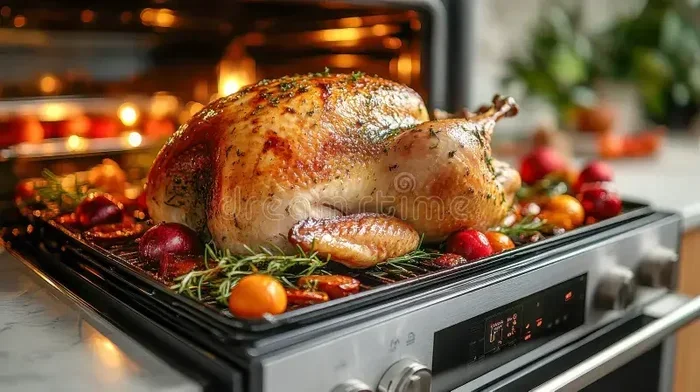
Place the turkey breast-side up on a rack in a roasting pan. The rack allows hot air to circulate underneath, which promotes even browning. If you do not have a rack, you can use chopped vegetables like onions and carrots as a bed for the turkey.
Roast the turkey for about 13 to 15 minutes per pound at 350°F after the initial high-heat phase. Baste the turkey every 45 minutes with the pan juices. Basting keeps the meat moist and helps the skin brown evenly.
Use a meat thermometer to check the internal temperature. The thickest part of the thigh should reach 165°F. The breast should also read 165°F. Avoid opening the oven door too often, as this releases heat and can slow down the browning process.
Step 6: Let It Rest
Once the turkey reaches the right temperature, remove it from the oven. Cover it loosely with aluminum foil and let it rest for 20 to 30 minutes. This resting period allows the juices to redistribute throughout the meat.
If you cut into the turkey too early, the juices will run out and the meat will be dry. Resting is one of the most overlooked steps in turkey roasting. Give your bird the time it needs, and you will be rewarded with moist, flavorful meat.
Tips for Perfectly Golden Brown Turkey Skin
The skin is what everyone notices first when a turkey comes out of the oven. Here are some pro tips to make sure your turkey skin turns out perfectly golden and crispy.
Dry the Skin Overnight
This is probably the single most effective tip for browning. After patting the turkey dry, place it uncovered in the refrigerator overnight. The dry air in the fridge will further dehydrate the skin. When it goes into the hot oven, the dry skin browns much faster and more evenly.
Use a Wire Rack
A wire rack elevates the turkey and allows air to flow around it. This prevents the bottom from steaming, which would make the skin soggy. Even browning on all sides is much easier with a rack.
Brush with Butter Before Roasting
A thin coat of melted butter on the skin adds fat, which promotes browning and crisping. You can also add a pinch of flour to the butter for extra crispiness. The flour creates a light coating that helps the skin turn golden faster.
Do Not Skip the Basting
Basting adds moisture and flavor to the skin. Every 45 minutes, spoon the pan juices over the turkey. This keeps the skin from drying out too much while still allowing it to brown. The result is a beautifully glazed, golden finish.
Common Mistakes That Prevent Proper Browning
Even experienced cooks sometimes make mistakes that affect how well the turkey browns. Here are the most common ones to avoid.
Overcrowding the Pan
If the turkey is too close to the sides of the pan, hot air cannot circulate properly. This leads to uneven browning and soggy spots. Use a pan that is large enough to give the turkey plenty of room on all sides.
Skipping the Drying Step
Moisture is the enemy of browning. If you skip the step of drying the skin thoroughly, the turkey will steam instead of roast. This means no golden color and no crispy texture. Always pat the turkey completely dry before seasoning.
Opening the Oven Too Often
Every time you open the oven door, you lose heat and disrupt the cooking environment. This slows down browning and can cause the turkey to cook unevenly. Resist the urge to peek too often. Trust your thermometer and the timer instead.
Using the Wrong Rack Position
Placing the turkey too low in the oven can cause the bottom to burn before the top browns. Too high, and the top dries out before the sides get golden. The middle rack position is usually the sweet spot for even browning.
How Long Does It Take To Brown a Turkey in the Oven?
Cooking time depends on the size of your turkey. Here is a general guide to help you plan your roasting schedule.
- 8-10 pounds: About 2.5 to 3 hours total
- 12-14 pounds: About 3 to 3.5 hours total
- 16-18 pounds: About 3.5 to 4 hours total
- 20-22 pounds: About 4 to 4.5 hours total
These times include the initial high-heat phase and the reduced-temperature roasting phase. Always rely on the internal temperature rather than the clock. A brown turkey in the oven is done when the thickest part of the thigh reads 165°F.
Keep in mind that these are approximate times. Your oven may run hot or cold, which affects cooking speed. If you are ever in doubt, check the temperature early and often.
Oven Temperature Guide for Turkey Roasting
The right temperature is essential for browning. Here is a quick reference guide.
| Phase | Temperature | Purpose |
|---|---|---|
| Initial Phase | 425°F for 30 minutes | Kickstarts browning and crisping |
| Main Roasting | 350°F until done | Even cooking and moisture retention |
| Convection Setting | 400°F initial, then 325°F | Faster browning with fan circulation |
Using this temperature strategy gives you the best of both worlds. The high heat at the start creates a beautiful brown crust, while the lower temperature cooks the meat through gently.
How To Tell When Your Turkey Is Done
The most reliable way to check if your turkey is done is with a meat thermometer. Insert it into the thickest part of the thigh, making sure it does not touch the bone. The temperature should read 165°F.
You can also check the juices. When you pierce the thickest part of the thigh, the juices should run clear, not pink. If the juices are still pink, the turkey needs more time.
The skin should be a deep golden brown all over. If any areas look pale, you can move those sections closer to the oven’s heating element for the last few minutes. Watch carefully so nothing burns.
Serving Your Perfectly Browned Turkey
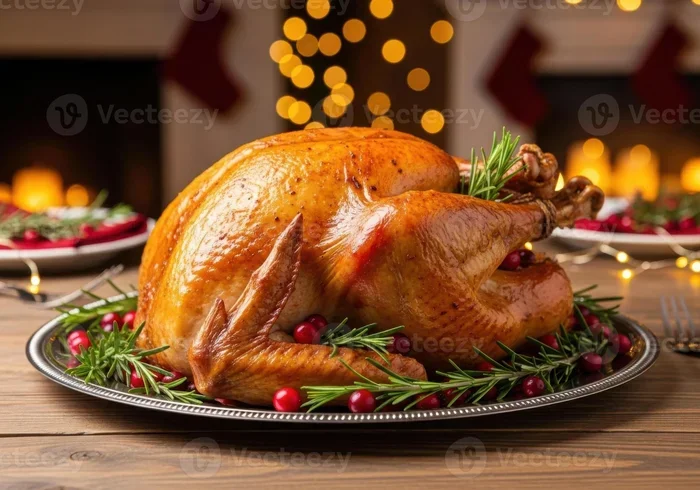
Once your turkey has rested and is ready to carve, you will notice how beautiful it looks. The golden brown skin will be crispy and appealing. Carve against the grain for the most tender slices.
Serve with your favorite sides. A fresh roasted pumpkin seed salad or some oven fries make great accompaniments to a roasted turkey dinner. The contrast of textures and flavors makes the meal even more enjoyable.
Leftover turkey keeps well in the fridge for 3 to 4 days. You can use it in sandwiches, soups, and casseroles. The browned skin reheats well in the oven too, so nothing goes to waste.
Expert Insights on Turkey Browning
Professional chefs share a few secrets that take turkey browning to the next level. First, some chefs recommend rubbing the skin with a small amount of baking powder mixed with salt. The alkaline baking powder raises the skin’s pH, which accelerates the Maillard reaction and promotes faster browning.
Second, starting the turkey at a very high temperature for just 15 to 20 minutes can create a dramatic color difference. This quick blast of heat sears the skin and jumpstarts the browning process.
Third, some cooks like to finish the turkey under the broiler for the last 5 to 10 minutes. This direct top heat adds extra color and crispiness to the skin. Just watch it closely to prevent burning.
Finally, experienced cooks know that letting the turkey come to room temperature before roasting helps it cook more evenly. Take the turkey out of the fridge about 1 hour before it goes into the oven. This simple step can make a noticeable difference in both browning and cooking time.
Key Takeaways
- Dry the Skin: Pat the turkey dry and let it air-dry in the fridge overnight for the best browning results.
- High Heat First: Start at 425°F for 30 minutes, then reduce to 350°F for even cooking.
- Use a Meat Thermometer: Always check that the internal temperature reaches 165°F in the thickest part of the thigh.
- Rest Before Carving: Let the turkey rest for 20 to 30 minutes after removing it from the oven.
- Baste Regularly: Spoon pan juices over the turkey every 45 minutes for even browning and moisture.
- Avoid Common Mistakes: Do not overcrowd the pan, skip the drying step, or open the oven too often.
Conclusion
Browning a turkey in the oven is a skill anyone can master with the right approach. The key is to dry the skin, use the right temperature, and be patient. Follow the steps in this guide, and you will serve a turkey that looks as good as it tastes.
Remember that practice makes perfect. Each time you roast a turkey, you will learn more about your specific oven and how it performs. Soon, getting a beautifully golden brown turkey will feel second nature.
So the next time you are planning a roast turkey dinner, keep these tips in mind. Your family and guests will be impressed by the color, flavor, and juiciness of your turkey. Happy roasting!
Frequently Asked Questions
Can I brown a turkey at a lower temperature?
Yes, you can roast a turkey at 325°F, but it will take longer and the skin may not brown as deeply. For the best color, start at 425°F for the first 30 minutes and then reduce to 350°F. This two-stage method gives you both great flavor and beautiful browning.
How do I keep my turkey from drying out while browning?
Baste the turkey every 45 minutes with pan juices. Also, make sure you do not overcook it by using a meat thermometer. Letting the turkey rest for 20 to 30 minutes after roasting helps retain moisture in the meat.
Should I cover my turkey with foil while roasting?
Generally, no. Leaving the turkey uncovered allows the skin to breathe and brown properly. If the top is browning too fast, you can loosely tent it with foil for the last hour of cooking. Remove the foil for the final 30 minutes to let the skin crisp up.
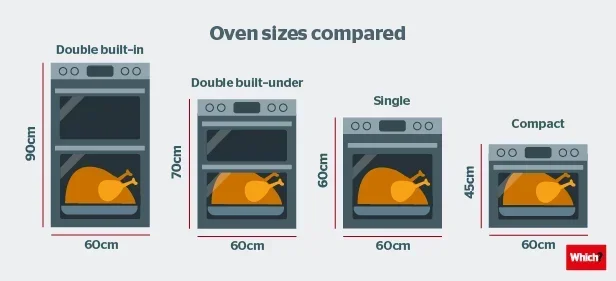
What is the best oven for browning a turkey?
A standard home convection oven works best for browning turkey. The fan circulates hot air evenly, which promotes consistent browning. You can also use a regular conventional oven, but you may need to rotate the pan halfway through for even color.
How long before serving should I take the turkey out of the oven?
Take the turkey out of the oven and let it rest for 20 to 30 minutes before carving. This resting period allows the juices to settle back into the meat, making it more flavorful and moist when you serve it.
Can I brown a turkey the night before and reheat it?
Yes, you can roast the turkey ahead of time and reheat it. Reheat at 325°F until the internal temperature reaches 165°F. The skin may lose some crispiness, but you can place it under the broiler for a few minutes to restore the golden brown finish before serving.