Are All Ovens The Same Width Here Is What You Need To Know
Not all ovens are the same width. Standard oven widths vary from 24 to 30 inches depending on the type, brand, and model. Whether you are installing a built-in wall oven or a countertop convection oven, knowing the correct oven width saves you time, money, and headaches.
Have you ever stood in front of an oven display and wondered whether all ovens share the same width? It is a simple question, but the answer is not as straightforward as you might think. Are all ovens the same width? The short answer is no. Ovens come in a variety of widths, and understanding these differences can make a huge difference when you are shopping for a new one or planning a kitchen renovation.
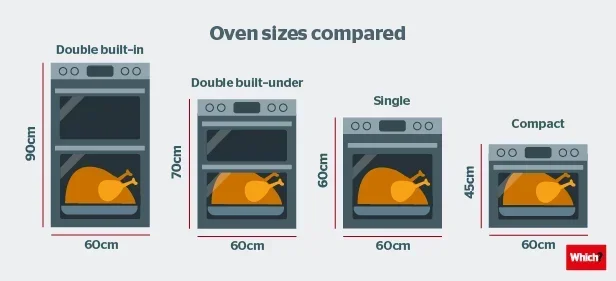
When it comes to oven width, the range is wider than most people expect. A compact oven might be 24 inches wide, while a full-size range oven can stretch to 30 inches or more. Double ovens take up even more space. If you are replacing an old unit or building a new kitchen, getting the width right is critical. A mismatched oven can lead to gaps, improper fits, and even safety hazards.
This guide walks you through everything you need to know about oven widths. We will cover standard sizes, different oven types, how to measure your space, and common mistakes to avoid. By the end, you will feel confident choosing the right oven dimensions for your home.
Key Takeaways
- Ovens come in different widths: Standard widths range from 24 to 30 inches, and not every oven fits the same space.
- Built-in and countertop ovens differ: Wall ovens and range ovens have different width requirements than compact or countertop models.
- Measuring matters: Always measure your oven cutout and cabinet space before purchasing a new oven.
- Width affects installation: A wrong-width oven can lead to costly returns, improper fits, and safety issues.
- Double ovens are wider: If you want a double oven, expect a wider unit and plan your kitchen layout accordingly.
- Trim kits help: Oven trim kits can adjust the fit when your cutout and oven width do not match perfectly.
📑 Table of Contents
- Why Oven Width Matters
- Standard Oven Widths Explained
- Types of Ovens and Their Widths
- How to Measure Your Oven Space
- Common Mistakes People Make With Oven Sizing
- How to Choose the Right Oven Width for Your Kitchen
- Quick Tips for Choosing the Right Oven Width
- Expert Insights on Oven Width Selection
- Key Takeaways
- Conclusion
Why Oven Width Matters
You might think oven width is just a number on a spec sheet. But it affects everything from installation to how much food you can cook at once. Let us break down why oven width is such an important factor.
Installation and Fit
Every kitchen has a specific space reserved for the oven. This space is called the oven cutout. If your new oven does not match the cutout width, you will run into problems. A too-wide oven will not fit. A too-narrow one leaves awkward gaps. Neither situation looks good or works well.
Using an oven trim kit can help bridge small gaps. But if the width difference is too large, no trim kit will save you. That is why measuring your available space before you shop is so important.
Cooking Capacity
Wider ovens generally offer more interior space. This means you can fit larger dishes, multiple trays, or bigger turkeys inside. A full-size oven with a wider cavity gives you more flexibility in the kitchen. If you love hosting dinner parties or cooking large meals, a wider oven is a real advantage.
On the other hand, a compact oven with a narrower width works well for small households or tight spaces. You sacrifice some capacity, but you gain convenience and often a lower price tag.
Aesthetic and Kitchen Design
Your oven is a central part of your kitchen’s look. A properly sized oven sits flush with your cabinets and gives a clean, built-in appearance. A mismatched width creates visual clutter. If you have spent time designing your kitchen layout, you want your oven to blend in seamlessly.
Take the time to plan. Think about the appliance width and how it fits with your countertop, cabinetry, and overall design. A little planning goes a long way.
Standard Oven Widths Explained
Now let us get into the numbers. What are the typical widths you will find? Here is a breakdown of the most common standard oven sizes you will encounter.
24-Inch Ovens
A 24-inch oven is often called a compact or half-size oven. These are common in apartments, small homes, and RVs. They fit into tighter spaces and work well for everyday cooking. However, they have less interior capacity than larger models.
If you live alone or cook for one or two people, a 24-inch oven can be a great choice. They are also more affordable than their larger counterparts.
27-Inch Ovens
A 27-inch oven is a mid-size option. It is less common than the 24- and 30-inch models but still widely available. Some brands offer 27-inch units as a middle ground between compact and full-size ovens. These provide a nice balance of capacity and fit.
If your kitchen cabinet cutout is 27 inches, you will want to search specifically for ovens in this size. They are not as easy to find, but they do exist.
30-Inch Ovens
The 30-inch oven is the most common full-size oven width in the United States. Most standard ranges and wall ovens come in this width. It fits most standard kitchen cabinets and offers generous cooking space.
If you are replacing an existing oven and your cabinet cutout is 30 inches, you have the widest selection of models to choose from. Nearly every major brand offers a 30-inch option.
36-Inch Ovens
A 36-inch oven is a wide-format model. These are less common but are becoming more popular in luxury kitchens. They offer a very large cooking cavity and can handle multiple dishes at once. Some convection oven models come in this wider size.
Keep in mind that a 36-inch oven requires a wider cabinet cutout and more space in your kitchen. Not all kitchens can accommodate this size.
Types of Ovens and Their Widths
Different oven types come in different widths. Understanding the differences helps you choose the right one for your space and cooking needs.
Built-In Wall Ovens
A built-in wall oven is installed into your cabinetry. These ovens typically come in 24-inch or 30-inch widths. Some brands also offer 27-inch models. Wall ovens are great for creating a sleek, built-in look in your kitchen.
Because they are installed at eye level or higher, wall ovens are also more ergonomic. You do not have to bend down to load or unload food. This is a big plus for many homeowners.
Range Ovens (Drop-In and Slide-In)
A range oven sits on the floor and is part of a larger cooking unit. Standard range oven width is 30 inches. Some models are 36 inches wide. Drop-in ranges sit on a countertop or in a cabinet cutout, while slide-in ranges slide into a cabinet gap for a flush look.
Range ovens are the most traditional type. They combine the cooktop and oven into one unit, which makes them a popular choice for many households.
Countertop Ovens
A countertop oven sits on your kitchen counter and is much smaller than a built-in unit. These are often called toaster ovens or countertop convection ovens. Their width typically ranges from 12 to 20 inches.
Countertop ovens are perfect for small kitchens, dorm rooms, or as a second oven for quick tasks like toasting or reheating. They are portable and easy to set up.
Double Ovens
A double oven has two cooking cavities stacked on top of each other. These units are wider than single ovens, typically 30 to 36 inches. They give you the ability to cook two dishes at different temperatures at the same time.
Double ovens are ideal for large families or serious home cooks. However, they require more kitchen space and a larger budget.
How to Measure Your Oven Space
Before you buy a new oven, you need to measure the space where it will go. Accurate measurements prevent costly mistakes and ensure a smooth installation.
Step-by-Step Measuring Guide
- Measure the width of the cutout. Use a tape measure and measure the opening from side to side. Record the measurement in inches.
- Measure the height of the cutout. Measure from the top to the bottom of the opening.
- Measure the depth of the cutout. Measure from the front edge to the back wall.
- Check the cabinet structure. Make sure the cabinets and walls around the cutout are sturdy enough to support the oven.
- Allow for ventilation. Most ovens need extra space around them for airflow. Check the manufacturer’s guidelines for required clearances.
What to Do If Your Cutout Is Not Standard
If your cutout is not a standard width, do not panic. You have a few options. You can use an oven trim kit to fill small gaps. You can also have a carpenter modify the cutout to fit a standard-size oven. In some cases, you may need to look for a non-standard size or a custom-built unit.
Always compare your cutout measurements to the oven’s exterior dimensions, not just the interior cavity. The exterior width is what needs to fit into the space.
Common Mistakes People Make With Oven Sizing
Avoiding common mistakes saves you time, money, and frustration. Here are the pitfalls to watch out for.
Assuming All Ovens Are the Same Width
This is the biggest mistake people make. Just because your old oven was 30 inches wide does not mean every oven is. Brands and models vary, and even the same brand can offer different widths across its product line. Always check the specifications before you buy.
Forgetting to Measure the Cutout
Many people buy an oven based on the interior capacity or the looks without measuring the cutout first. This can lead to a unit that simply does not fit. Always measure first, then shop.
Ignoring Ventilation Requirements
Ovens need space around them to vent heat properly. If you install an oven too tightly against a wall or cabinet, it can overheat. This is a safety risk and can shorten the life of your appliance.
Not Checking the Door Swing
Some oven doors swing open to the left, others to the right. The door swing matters if your kitchen layout is tight. A door that swings into a counter or island can block your workspace. Check the door swing direction before you finalize your purchase.
How to Choose the Right Oven Width for Your Kitchen
Choosing the right oven width comes down to a few key factors. Here is how to make the best decision for your kitchen.
Consider Your Kitchen Layout
Look at the space you have available. Measure the cutout carefully. If your kitchen is small, a compact 24-inch oven might be the best fit. If you have a large kitchen with plenty of cabinet space, a 30-inch or even 36-inch oven could work well.
Think about how the oven fits with your other appliances. A slide-in oven or built-in wall oven creates a seamless look with your cabinetry. A freestanding range oven is more traditional and easier to install.
Think About Your Cooking Needs
How much do you cook? If you prepare large meals or bake often, a wider oven gives you more room. A convection oven with a wider cavity circulates heat more evenly and can handle multiple dishes at once.
If you cook simple meals or for just yourself, a narrower compact oven might be all you need. Do not pay for extra space you will not use.
Set a Budget
Wider ovens and double ovens tend to cost more. A 30-inch single wall oven is usually more affordable than a 36-inch double oven. Set a budget before you shop and stick to it. Remember that the oven installation cost can also vary depending on the width and type of unit.
Read Reviews and Compare Models
Once you know your width requirements, start comparing models. Read reviews from real users. Look for information about build quality, cooking performance, and ease of use. Brands like Whirlpool, GE, Samsung, and Bosch all offer ovens in various widths.
Pay attention to the oven cavity dimensions, not just the exterior width. A wider exterior does not always mean more usable interior space. Check the interior dimensions to make sure it can fit the dishes you want to cook.
Quick Tips for Choosing the Right Oven Width
- Always measure your cutout before you start shopping.
- Check the manufacturer’s specifications for exact width, height, and depth.
- Allow at least 1 inch of clearance on each side for ventilation.
- Consider an oven trim kit if your cutout is slightly off from standard sizes.
- Think about the door swing and how it fits your kitchen workflow.
- Compare interior cavity dimensions across models, not just exterior width.
- Ask a professional installer if you are unsure about your cutout or ventilation needs.
Expert Insights on Oven Width Selection
We spoke with a few kitchen designers and appliance experts to get their take on oven width selection. Here is what they had to say.
“The most common mistake we see is people assuming their old oven’s width is the only option,” says a kitchen designer from a leading home improvement firm. “There are so many sizes available now, and finding the right fit can completely transform your kitchen experience.”
Another expert adds, “If you are building a new kitchen or doing a major renovation, plan your oven cutout carefully. A few extra inches of planning can save you from a costly return or a poor fit down the road.”
These insights highlight the importance of taking oven width seriously. It is not just about fitting a box into a cabinet. It is about creating a functional, safe, and beautiful cooking space.
Key Takeaways
- Ovens are not all the same width. Standard widths range from 24 to 36 inches depending on the type and model.
- 30 inches is the most common full-size oven width and offers the widest selection of models.
- Always measure your oven cutout before purchasing a new oven to ensure a proper fit.
- Different oven types have different widths. Wall ovens, range ovens, countertop ovens, and double ovens all vary in size.
- Use an oven trim kit to fill small gaps between your cutout and the oven.
- Consider your cooking needs and kitchen layout when choosing the right oven width.
- Ignoring ventilation requirements can lead to safety issues and reduced appliance lifespan.
Conclusion
So, are all ovens the same width? The answer is clearly no. Ovens come in a range of widths, from compact 24-inch models to wide 36-inch double ovens. Understanding these differences is essential for making the right choice for your kitchen.
Whether you are replacing an old built-in oven, upgrading to a convection oven, or planning a brand-new kitchen layout, knowing the correct oven width makes all the difference. Measure your space carefully, consider your cooking needs, and take the time to compare your options.
A well-fitted oven improves your cooking experience, enhances your kitchen’s appearance, and adds value to your home. Do not rush the process. Take the time to get it right, and your new oven will serve you well for years to come.
Now that you know the answer to the question “are all ovens the same width,” you are better equipped to make a confident, informed decision. Happy cooking.
Frequently Asked Questions
What is the standard oven width?
The most common standard oven width is 30 inches. This is the width used by most full-size range ovens and wall ovens. However, compact ovens are 24 inches wide, and some brands offer 27-inch or 36-inch models as well.
Can I install a 30-inch oven in a 28-inch cutout?
It is not recommended to install a 30-inch oven in a 28-inch cutout. The oven will not fit properly. However, you can use an oven trim kit to adjust the opening if the gap is small. For larger differences, you may need to modify the cutout or choose a different oven size.
Are double ovens wider than single ovens?
Yes, double ovens are typically wider than single ovens. A double oven usually ranges from 30 to 36 inches in width. This extra width accommodates two stacked cooking cavities, giving you more flexibility for cooking multiple dishes at the same time.
How do I measure my oven cutout for a replacement?
Use a tape measure to measure the width, height, and depth of the opening. Measure from edge to edge on all sides. Also check the depth of the cabinet or wall space behind the opening. Always compare these measurements to the oven’s exterior dimensions before purchasing.
Do countertop ovens have standard widths?
No, countertop ovens do not follow the same standard widths as built-in ovens. Their width typically ranges from 12 to 20 inches. These smaller ovens are designed to sit on a kitchen counter and are ideal for quick tasks like toasting, reheating, or baking small batches.
What is an oven trim kit and when do I need one?
An oven trim kit is a set of panels or frames that fills the gap between the oven and the surrounding cabinet or wall. You need one when your cutout is slightly larger or smaller than the oven’s exterior width. Trim kits help create a clean, finished look and prevent heat from escaping around the edges.