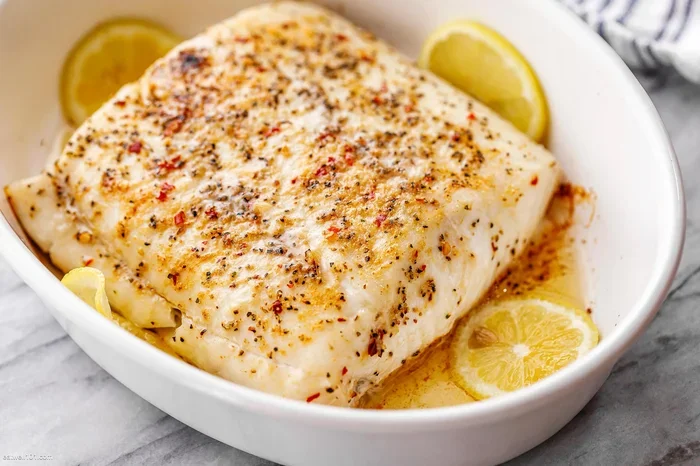
How Long to Bake Halibut in the Oven for Perfect Results
Baking halibut in the oven is simple when you know the right time and temperature. Most halibut fillets bake perfectly at 400°F for 12 to 15 minutes. This guide covers everything from oven temperature and timing to seasoning tips and common mistakes. You will learn how to get crispy, moist, and flavorful halibut every single time.
Baking halibut in the oven is one of the easiest ways to prepare this delicious white fish. Whether you are a beginner or a seasoned cook, knowing the right time and temperature makes all the difference. How long to bake halibut in the oven depends on a few simple factors. Fillet thickness, oven type, and whether the fish has skin all play a role. This guide walks you through every step so you can serve perfect oven baked halibut every single time.
Many home cooks worry about overcooking halibut. The fish is lean and can dry out fast if you leave it too long. But with the right approach, you get tender, flaky, and flavorful results. Let us dive into the details and make your next halibut dinner a hit.
Key Takeaways
- Ideal Temperature: Bake halibut at 400°F for the best balance of crispiness and moisture.
- Cooking Time: Most fillets need 12 to 15 minutes depending on thickness.
- Internal Temperature: The safe internal temperature for halibut is 145°F.
- Seasoning Matters: Simple herbs, lemon, and olive oil bring out the best flavor.
- Avoid Overcooking: Halibut dries out quickly, so keep a close eye on it.
- Skin-On vs. Skin-Off: Both work well but require slight adjustments in timing and technique.
- Resting Time: Let halibut rest for 3 to 5 minutes after baking for juicier results.
📑 Table of Contents
- Why Baking Halibut in the Oven Works So Well
- The Best Oven Temperature for Halibut
- How Long to Bake Halibut in the Oven
- Simple and Delicious Halibut Recipes
- Common Mistakes to Avoid When Baking Halibut
- Expert Tips for Perfect Oven Baked Halibut
- Halibut vs. Other White Fish: Baking Comparison
- Storing and Reheating Baked Halibut
- Health Benefits of Halibut
- Final Thoughts on Baking Halibut
Why Baking Halibut in the Oven Works So Well
The oven gives you even heat around the fish. Unlike stovetop cooking, you do not need to flip the fillet. This means less fuss and more consistent results. Oven baked halibut also lets you cook multiple fillets at once, which is great for families or dinner parties.
Another big advantage is the crispy skin. When you bake halibut at the right temperature, the skin becomes golden and crunchy. Many people love that texture. Even if you remove the skin, the oven still delivers a moist and tender interior. Cooking halibut in the oven also frees up stovetop space for sides like roasted vegetables or rice.
The Best Oven Temperature for Halibut
Temperature is the most important factor in baking halibut. Too low and the fish takes forever. Too high and it dries out before the center cooks through. So what is the sweet spot?
Recommended Temperature: 400°F
Most experts agree that 400°F is the ideal temperature for bake halibut in oven recipes. At this heat, the outside gets a nice golden color while the inside stays moist and flaky. The fillet cooks evenly without burning the edges.
If you prefer a softer texture, you can drop the temperature to 375°F. This adds a few extra minutes to the cook time but keeps the fish very tender. For a crispier result, try 425°F, but watch the fish closely so it does not dry out.
Temperature Quick Reference
- 375°F: Softer texture, slightly longer cook time
- 400°F: Best all-around temperature for most fillets
- 425°F: Crispier exterior, faster cook time
Always preheat your oven before placing the halibut inside. A hot oven starts cooking the fish immediately, which helps lock in moisture. This is especially important for thin fillets that cook fast.
How Long to Bake Halibut in the Oven
Now for the big question. How long to bake halibut in the oven? The answer depends mainly on thickness. A thin fillet cooks much faster than a thick one. Here is a general guide to help you plan your halibut recipe.
By Fillet Thickness
Thickness is the number one factor. Use a ruler or judge by eye before you start timing. Here is what to expect at 400°F:
- Thin fillets (¼ inch): 8 to 10 minutes
- Medium fillets (½ inch): 10 to 12 minutes
- Thick fillets (¾ inch to 1 inch): 12 to 15 minutes
- Extra thick steaks (1.5 inches): 15 to 18 minutes
These times assume room temperature fillets. If your fish comes straight from the fridge, add 2 to 3 minutes. Cold fish takes longer to heat through, which can lead to uneven cooking.
Skin-On vs. Skin-Off Timing
Does skin change the cook time? Yes, a little. Skin-on fillets take slightly longer because the skin acts as an insulator. You might need to add 1 to 2 minutes. Skin-off fillets cook a bit faster since the heat hits the fish directly.
If you bake halibut skin on, place the fillet skin-side down on the baking sheet. The skin protects the delicate flesh underneath. It also crisps up nicely, adding a great texture to your oven roasted halibut.
How to Check if Halibut Is Done
Never rely solely on the timer. Use these methods to check doneness:
- Internal temperature: Insert a meat thermometer into the thickest part. The fish is done at 145°F.
- Flake test: Gently press the top of the fillet with a fork. If it flakes apart easily, it is ready.
- Color check: The flesh should be opaque white all the way through. No translucent spots should remain.
Remember that the fish continues cooking after you remove it from the oven. This is called carryover cooking. Pull the halibut out when it is just slightly underdone, and it will reach the perfect temperature during resting.
Simple and Delicious Halibut Recipes
Now that you know the time and temperature, let us talk about flavor. A great halibut seasoning makes all the difference. You do not need complicated ingredients. Simple combinations let the natural taste of the fish shine.
Classic Lemon Herb Halibut
This is the go-to recipe for beginners. It takes minutes to prep and delivers restaurant-quality results.
- 2 halibut fillets (about 6 ounces each)
- 2 tablespoons olive oil
- 1 tablespoon fresh lemon juice
- 2 cloves garlic, minced
- 1 teaspoon dried dill
- Salt and pepper to taste
- Lemon slices for garnish
Preheat your oven to 400°F. Mix the olive oil, lemon juice, garlic, dill, salt, and pepper in a small bowl. Place the fillets on a lined baking sheet and brush the mixture over the top. Bake for 12 to 15 minutes until the fish flakes easily. Garnish with lemon slices and serve immediately.
Crispy Parmesan Halibut
This version adds a crunchy topping that everyone loves. It is perfect for halibut oven bake nights when you want something special.
- 2 halibut fillets
- 3 tablespoons grated Parmesan cheese
- 1 tablespoon breadcrumbs
- 1 tablespoon melted butter
- 1 teaspoon paprika
- Salt and pepper to taste
Mix the Parmesan, breadcrumbs, paprika, salt, and pepper. Drizzle melted butter over the fillets, then press the topping mixture onto each piece. Bake at 400°F for 12 to 14 minutes. The topping should be golden and crispy when done.
Mediterranean Style Halibut
For something a little different, try this Mediterranean-inspired version. It pairs beautifully with roasted vegetables or a fresh salad.
- 2 halibut fillets
- 2 tablespoons olive oil
- 1 tablespoon capers, drained
- ¼ cup Kalamata olives, sliced
- 1 small tomato, diced
- 1 teaspoon dried oregano
- Fresh basil leaves
Spread the tomatoes, olives, and capers around the fillets on the baking sheet. Drizzle with olive oil and sprinkle oregano. Bake at 400°F for 13 to 15 minutes. Top with fresh basil before serving.
Common Mistakes to Avoid When Baking Halibut
Even experienced cooks make mistakes with baked fish. Here are the most common ones and how to fix them.
Overcooking the Fish
This is the biggest mistake people make. Halibut is lean fish with very little fat. Once it dries out, you cannot bring it back. Always set a timer and check the fish a minute or two before the recommended time ends.
A good rule of thumb is to pull the fillet out when it still looks slightly underdone in the center. The carryover heat will finish the job. This simple trick keeps your halibut cooking results juicy every time.
Skipping the Preheat
Some people put the fish in a cold oven to save time. This is a bad idea. A cold oven means uneven cooking. The outside overcooks while the inside stays raw. Always preheat for at least 10 to 15 minutes before placing the halibut inside.
Not Seasoning Enough
Halibut has a mild, delicate flavor. Without proper seasoning, it can taste bland. Do not be shy with salt, pepper, and herbs. A little olive oil also helps the seasoning stick and keeps the fish moist during baking.
Using the Wrong Pan
Thin baking sheets cause the fish to stick and cook unevenly. Use a parchment-lined or lightly greased baking sheet. You can also use a glass baking dish, which retains heat well and promotes even cooking.
Expert Tips for Perfect Oven Baked Halibut
Want to take your halibut recipe to the next level? These expert tips make a huge difference.
Bring the Fish to Room Temperature
Take the halibut out of the fridge 15 to 20 minutes before baking. Room temperature fish cooks more evenly than cold fish straight from the refrigerator. This small step prevents the common problem of an overcooked outside and raw inside.
Use Parchment Paper or Foil
Lining your baking sheet makes cleanup a breeze. Parchment paper also prevents sticking without adding extra oil. If you want a crispier bottom, skip the lining and use a lightly greased sheet instead.
Add a Splash of Liquid
For extra moist halibut, add a splash of white wine, broth, or lemon juice to the bottom of the baking dish. This creates steam that keeps the fish tender during baking. This technique works especially well for thicker fillets.
Let It Rest
Once the halibut comes out of the oven, let it rest for 3 to 5 minutes. This allows the juices to redistribute throughout the fillet. The result is a much juicier and more flavorful piece of fish. Cutting into it immediately causes the juices to run out, leaving the fish dry.
Pair with the Right Sides
Oven baked halibut pairs well with many sides. Roasted asparagus, garlic mashed potatoes, and quinoa all work beautifully. A simple green salad with lemon vinaigrette adds freshness without weighing down the plate.
If you are looking for more oven-baked fish inspiration, check out how long to cook oysters in the oven for another great oven fish recipe. You can also explore how long chicken kebabs take in the oven if you want to try a different protein using similar oven techniques.
Halibut vs. Other White Fish: Baking Comparison
Halibut is not the only white fish that bakes well in the oven. Here is how it compares to other popular options.
| Fish | Temperature | Time (per inch) | Texture |
|---|---|---|---|
| Halibut | 400°F | 10-15 min | Firm, flaky, moist |
| Cod | 400°F | 10-12 min | Mild, tender |
| Salmon | 400°F | 12-15 min | Rich, buttery |
| Tilapia | 400°F | 8-10 min | Delicate, thin |
| Sea Bass | 400°F | 10-13 min | Sweet, flaky |
Halibut stands out for its firm texture and mild flavor. It holds its shape better than thinner fish like tilapia. Compared to salmon, it has less fat, which means it needs a little more care to stay moist. The table above gives you a quick reference for fish baking time across different types.
Storing and Reheating Baked Halibut
Got leftovers? No problem. Baked halibut stores well in the refrigerator for up to 3 days. Place the fish in an airtight container or wrap it tightly in foil.
To reheat, use the oven at 300°F for about 8 to 10 minutes. The microwave works in a pinch, but it can make the fish rubbery. The oven keeps the texture much closer to fresh-baked. For best results, add a few drops of water or broth before reheating to restore moisture.
You can also freeze baked halibut for up to 3 months. Wrap each fillet tightly in plastic wrap and then in foil. Thaw overnight in the refrigerator before reheating.
Health Benefits of Halibut
Beyond its great taste, halibut is packed with nutrition. It is an excellent source of lean protein, which helps build and repair muscles. A single serving provides a good amount of B vitamins, especially B6 and B12, which support energy and brain health.
Halibut also contains omega-3 fatty acids, though less than fatty fish like salmon. These healthy fats support heart health and reduce inflammation. With only about 120 calories per 6-ounce fillet, halibut is a great choice for anyone watching their calorie intake.
It is also rich in selenium, a mineral that supports thyroid function and boosts the immune system. Magnesium and phosphorus in halibut contribute to strong bones and teeth. Eating oven baked halibut is one of the easiest ways to add these nutrients to your diet.
Final Thoughts on Baking Halibut
How long to bake halibut in the oven really comes down to thickness, temperature, and a little attention. At 400°F, most fillets need just 12 to 15 minutes to reach perfection. Use a meat thermometer, bring the fish to room temperature, and do not skip the preheat.
With the right seasoning and a hot oven, you get restaurant-quality results at home. Whether you keep it simple with lemon and herbs or go bold with Parmesan, baking halibut in the oven is a foolproof method everyone can master. Try these tips at your next meal and taste the difference.
For more oven recipes and cooking guides, explore our other articles on oven cooking times and techniques. Happy baking!
Frequently Asked Questions
Can I bake halibut at 350°F instead of 400°F?
Yes, you can. Baking at 350°F will take a few extra minutes, usually around 15 to 20 minutes depending on thickness. The lower temperature cooks the fish more gently, which can help keep it moist. Just make sure the internal temperature reaches 145°F before serving.
How do I know if my halibut is overcooked?
Overcooked halibut looks dry and chalky white. The flesh becomes tough and falls apart in hard chunks instead of flaking softly. If the fish feels rubbery when you press it, it has been in the oven too long. Always check a minute or two before the timer goes off.
Should I bake halibut covered or uncovered?
Bake halibut uncovered for the best results. Leaving it uncovered allows the top to get golden and slightly crispy. If you are worried about drying out, you can loosely tent the fillet with foil for the first half of cooking, then remove it to finish uncovered.
Can I use frozen halibut for baking?
Yes, but thaw it first for the best results. Place the frozen fillet in the refrigerator overnight to thaw slowly. If you need to speed things up, run the fish under cold water for 15 to 20 minutes. Thawed fish bakes more evenly and tastes better than fish cooked straight from frozen.
What is the best way to season halibut for oven baking?
Keep it simple for the best flavor. Olive oil, salt, pepper, garlic, and fresh herbs like dill or parsley work wonderfully. A squeeze of lemon juice right before serving adds brightness. You can also try paprika, cumin, or Italian seasoning for different flavor profiles.
How thick should halibut fillets be for oven baking?
For the best results, aim for fillets that are between ½ inch and 1 inch thick. Thin fillets under ¼ inch can dry out very quickly. Thick steaks over 1.5 inches may need up to 18 minutes at 400°F. Uniform thickness helps the fish cook evenly throughout.