How Long To Cook Frozen Stuffed Shells In Your Oven
You can cook frozen stuffed shells straight from the freezer in about 45 to 60 minutes. The exact baking time for frozen stuffed shells depends on your oven type and whether you thaw them first. This guide shows you the right temperature, how to prep them, and tips for a perfect cheesy crust every time.
Ever wonder how long to cook frozen stuffed shells in your oven? It’s a question many home cooks ask when they want a quick, comforting meal. Frozen stuffed shells are a lifesaver for busy weeknights. You can pull them straight from the freezer and pop them in the oven. This guide will walk you through every step. You’ll learn the exact timing, the right temperature, and simple tricks for a perfect result. No more guessing or dry pasta. Just cheesy, bubbly, delicious shells every single time.
Whether you made a big batch and froze them or you’re grabbing a store-bought box, the process is simple. The key is knowing how long to leave them in the oven. Several factors change the bake time. These include your oven type, whether you thaw them first, and what kind of sauce you use. I’ll break it all down so you feel confident. You’ll be able to serve a hot, satisfying dinner without any stress.
Let’s dive into the details. You’ll find clear instructions, helpful tips, and answers to common questions. By the end, you’ll know exactly how to handle frozen stuffed shells. You’ll get consistent, restaurant-quality results in your own kitchen. So preheat that oven and let’s get started.
Key Takeaways
- Cook straight from frozen: You don’t need to thaw frozen stuffed shells before baking, saving you time.
- Standard oven time: Most frozen stuffed shells bake in 45 to 60 minutes at 375°F.
- Convection oven is faster: Reduce time by 5 to 10 minutes and lower the temperature slightly.
- Thawing changes the game: Thawed shells cook in about 25 to 35 minutes, but the texture can differ.
- Check for doneness: Look for bubbling cheese and a golden top; the internal temp should reach 165°F.
- Rest before serving: Let the dish sit for 5 minutes so the filling sets and stays creamy.
- Reheat leftovers properly: Cover with foil and warm at 350°F for 15 to 20 minutes to keep them moist.
📑 Table of Contents
- How Long To Cook Frozen Stuffed Shells In Your Oven
- What Temperature To Bake Frozen Stuffed Shells
- Can You Cook Frozen Stuffed Shells Without Thawing
- How To Prepare Frozen Stuffed Shells For Baking
- Tips For Perfect Frozen Stuffed Shells Every Time
- How To Reheat Frozen Stuffed Shells In The Oven
- Storing And Freezing Stuffed Shells For Later
- Frequently Asked Questions About Frozen Stuffed Shells
How Long To Cook Frozen Stuffed Shells In Your Oven
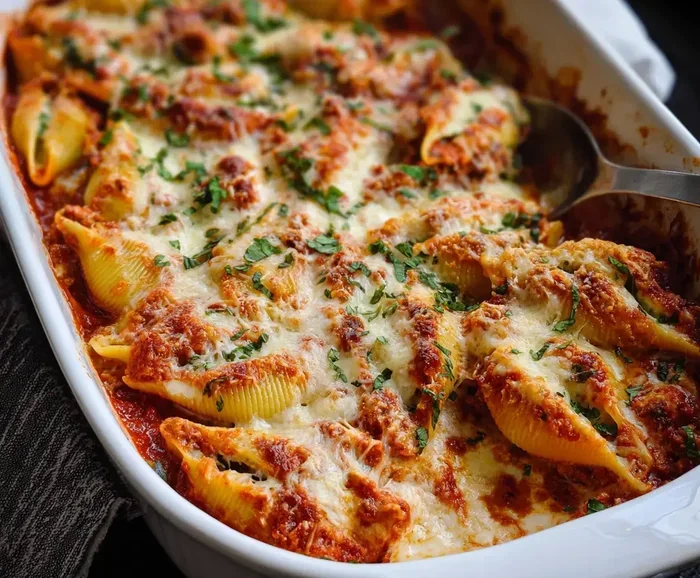
The most common question is simply: how long to cook frozen stuffed shells in oven? The general rule is 45 to 60 minutes at 375°F (190°C) for a standard conventional oven. This timing assumes you are cooking them straight from the freezer. If you use a convection oven, the hot air circulates faster, so you can cut the time down. A convection oven will typically need 35 to 45 minutes at 350°F (175°C). Always check the shells at the 30-minute mark to prevent overcooking.
The size of your baking dish matters too. A deep 9×13-inch pan might need the full 60 minutes. A shallow dish will heat through faster, sometimes in 40 minutes. The thickness of the sauce and cheese layer also plays a role. A thick layer of meat sauce and plenty of cheese means a longer bake. I always recommend checking for the signs of doneness before pulling them out.
Standard Oven Method
For a regular oven, follow these simple steps. Preheat your oven to 375°F. Remove the frozen stuffed shells from the box and place them in an oven-safe baking dish. You don’t need to thaw them first. Cover the dish tightly with aluminum foil. This traps steam and helps the pasta heat through evenly. Bake for 30 minutes covered. Then remove the foil and bake for another 15 to 30 minutes until the cheese is bubbly and golden brown on top.
This two-stage method is foolproof. The covered phase gently thaws and heats the interior. The uncovered phase crisps the top and melts the cheese into a perfect crust. If you like a very crispy top, you can leave the foil off for the entire bake. Just add 5 to 10 extra minutes and watch it closely to avoid burning.
Convection Oven Adjustments
Convection ovens use a fan to blow hot air around the food. This cooks things faster and more evenly. So you need to adjust both temperature and time. Lower the temperature to 350°F. Reduce the total bake time to 35 to 45 minutes. You can skip the covered phase if you like, but covering for the first 15 minutes helps the filling heat through without drying out the edges. The fan can make the top brown faster, so check early.
| Oven Type | Temperature | Covered Time | Uncovered Time | Total Time |
|---|---|---|---|---|
| Standard Conventional | 375°F (190°C) | 30 minutes | 15-30 minutes | 45-60 minutes |
| Convection | 350°F (175°C) | 15 minutes | 20-30 minutes | 35-45 minutes |
| Thawed (any oven) | 375°F (190°C) | Not needed | 25-35 minutes | 25-35 minutes |
What Temperature To Bake Frozen Stuffed Shells
Temperature is just as important as time. The standard baking temperature for frozen stuffed shells is 375°F (190°C). This moderate heat allows the pasta to cook through without burning the cheese on top. It also gives the ricotta and meat filling enough time to heat all the way to the center. A lower temperature like 350°F works well for a slower, more gentle bake. A higher temperature of 400°F can be used if you want a very crispy, browned top, but you must watch it closely.
Why does temperature matter so much? If the oven is too hot, the cheese will burn before the inside is hot. If it’s too low, the pasta can become mushy and the sauce may separate. The 375°F sweet spot creates a balance. The edges get a nice crisp, the center stays creamy, and the cheese turns a beautiful golden brown. I always recommend using an oven thermometer to make sure your oven’s actual temperature matches the dial. Many ovens run hot or cold by 25 degrees, which can throw off your timing.
Recommended Oven Temperature
Stick to 375°F for the most reliable results. This is the temperature used in most frozen stuffed shells recipes. It works for both meat sauce and plain cheese filled shells. If you are using a glass or ceramic baking dish, you might want to drop the temperature by 10 degrees. Glass and ceramic retain heat differently than metal. A 370°F setting in glass can give you the same result as 375°F in a metal pan.
Why Temperature Matters For Even Cooking
Even heat is the secret to perfect stuffed shells. When the oven is at the right temperature, the steam inside the dish helps thaw the pasta gently. The cheese melts smoothly instead of turning rubbery. The sauce bubbles slowly, infusing the pasta with flavor. If your oven runs hot, you may see browned edges after 30 minutes while the center is still cold. If it runs cool, you’ll need to add extra time. Knowing your oven’s true temperature is a game changer for anyone who frequently cooks frozen stuffed shells.
Can You Cook Frozen Stuffed Shells Without Thawing
Yes, you absolutely can cook frozen stuffed shells straight from the freezer. In fact, cooking from frozen is the safest and easiest method. You avoid the risk of bacterial growth that can happen if you leave them thawing on the counter too long. The freezer actually preserves the quality of the shells until you’re ready to bake them. So whether you meal prepped on Sunday or you’re using store-bought frozen shells, you can go straight to the oven.
Some people prefer to thaw them first because it slightly reduces the bake time. Thawed frozen stuffed shells can bake in just 25 to 35 minutes at 375°F. The texture might be a touch softer because the pasta has already absorbed some moisture during thawing. If you choose to thaw, do it in the refrigerator overnight. Never thaw them on the counter at room temperature. Place the sealed box or container in the fridge the night before you plan to bake them.
Cooking From Frozen: The Quick Way
Cooking from frozen is the default method for a reason. It’s convenient and safe. You simply preheat the oven, place the frozen shells in a baking dish, cover with foil, and bake. The extra 10 to 20 minutes of bake time is the only trade-off. You get a fully cooked, hot meal with minimal effort. This method is ideal for weeknight dinners when you don’t have time to plan ahead. Just remember to check the internal temperature before serving.
How Thawing Affects Texture And Timing
Thawing changes the water content in the pasta. When frozen shells thaw, ice crystals melt and the pasta becomes slightly softer. This means they can overcook more easily if you’re not careful. Thawed shells need less time in the oven, so keep a close eye on them. The sauce and cheese also heat up faster on thawed shells. You might find that the cheese starts to brown before the center is fully hot if you use the same time as frozen shells. Adjusting the time and temperature is key to great results every time.
How To Prepare Frozen Stuffed Shells For Baking
Preparation is simple, but a few small steps make a big difference. You want to set yourself up for success before the shells ever hit the oven. The right dish, the right amount of sauce, and the right cheese topping all contribute to a perfect outcome. Taking just five extra minutes to prep can turn good stuffed shells into great ones.
Choosing The Right Baking Dish
Use a deep, oven-safe baking dish. A 9×13-inch glass or metal pan works perfectly. The dish should be deep enough to hold the shells in two layers if needed. If you only have a shallow dish, you might need to bake in two batches or use a higher temperature to ensure the center cooks through. Never use a plastic dish or a pan with a plastic handle. Always check that your baking dish is labeled oven-safe. A dark metal pan absorbs more heat and can brown the bottom faster, so reduce the temperature by 10 degrees if you use one.
Adding Sauce And Cheese The Right Way
Start by spreading a thin layer of marinara or meat sauce on the bottom of the dish. This prevents the shells from sticking and adds extra flavor. Place the frozen shells snugly in the dish, seam side up if they have a visible opening. Spoon more sauce over the top of each shell. Then sprinkle a generous amount of shredded mozzarella and grated parmesan. The sauce and cheese create a protective blanket that keeps the pasta moist during the long bake. Don’t be shy with the cheese, but avoid piling it so high that it blocks the heat from reaching the center.
Tips For Perfect Frozen Stuffed Shells Every Time
Even with a simple recipe, small mistakes can ruin the texture. I’ve learned a few tricks over the years that guarantee a perfect bake. These tips will help you avoid common pitfalls and get consistent results. Whether you’re a beginner or a seasoned cook, these reminders will save you time and frustration.
Quick Tips For The Best Results
- Don’t skip the foil phase: Covering the dish for the first half of the bake traps steam and heats the filling gently.
- Use a meat thermometer: Insert it into the center of the dish. The internal temperature should read 165°F (74°C) before serving.
- Let them rest: Allow the baking dish to sit on the counter for 5 minutes after removing it from the oven. This lets the filling set so the shells hold their shape.
- Add a splash of water: If the sauce looks dry before baking, sprinkle a tablespoon of water over the shells. This creates extra steam and keeps the pasta tender.
- Season the sauce: Frozen shells can taste bland if the sauce is too simple. Add a pinch of salt, pepper, and dried oregano to the sauce before spooning it over the shells.
- Make ahead and freeze: You can assemble the shells, cover them tightly, and freeze them for up to 3 months. Bake them directly from frozen using the same timing.
Common Mistakes To Avoid
Here are the most common errors people make when baking frozen stuffed shells. Avoiding these will improve your results immediately.
- Using a cold dish straight from the cabinet: A cold dish absorbs heat and slows down the cooking process. Let the baking dish sit at room temperature for 10 minutes before filling it.
- Overcrowding the dish: If the shells are packed too tightly, the heat can’t circulate. The center stays cold while the edges burn. Give each shell a little space.
- Baking without any sauce: Dry shells turn into crunchy pasta bricks. The sauce is essential for moisture and flavor. Always use enough sauce to cover the shells generously.
- Leaving them in too long: Overcooked shells become mushy and the cheese turns rubbery. Set a timer and check for doneness early. You can always add a few more minutes if needed.
- Opening the oven door too often: Every time you open the door, the temperature drops by 25 degrees or more. This extends the bake time and can lead to uneven cooking. Trust the timer and only open the door at the halfway mark.
Expert Insight: The Secret To A Crispy Top
The secret to a perfectly golden, crispy top on your frozen stuffed shells is to uncover them for the last 10 to 15 minutes of baking. The steam that builds up under the foil keeps the top soft. Removing the foil lets that moisture escape and allows the cheese to caramelize into a delicious crust. If you want even more crunch, sprinkle a thin layer of breadcrumbs mixed with melted butter over the cheese before the final uncovered bake. This creates a texture similar to a baked pasta casserole and adds a wonderful crunch that contrasts beautifully with the creamy filling inside.
How To Reheat Frozen Stuffed Shells In The Oven
Leftover frozen stuffed shells are just as delicious as the first serving, but reheating them properly is important. You don’t want to dry them out or turn the cheese into a rubbery mess. The oven is the best way to reheat them because it restores that crispy top and warms the filling evenly. Microwaving can leave the edges soggy and the center cold. Stick to the oven for the best texture.
Best Reheating Method For Leftovers
Preheat your oven to 350°F. Place the leftover frozen stuffed shells in an oven-safe dish. If they are still frozen, cover the dish with foil and heat for 15 minutes. Then remove the foil and heat for another 10 to 15 minutes until the cheese is bubbly. If you are reheating thawed leftovers, you only need 15 to 20 minutes total. Cover them with foil for the first 10 minutes, then uncover to crisp the top. Adding a splash of water or a spoonful of marinara sauce before reheating helps replace any moisture lost during storage.
Keeping Them Moist And Flavorful
The biggest enemy of reheated pasta is dryness. To combat this, I always add a little extra sauce before covering the dish. A drizzle of olive oil over the top also helps keep the cheese creamy. If you are reheating a single portion, cover it with a damp paper towel before microwaving, but for oven reheating, the foil method works perfectly. Let the shells rest for 3 minutes after removing them from the oven. This allows the heat to distribute evenly and the filling to set slightly so you don’t lose the delicious cheese filling when you cut into them.
Storing And Freezing Stuffed Shells For Later
Stuffed shells are a fantastic make-ahead meal. You can prepare them fresh, freeze them, and bake them later for a homemade dinner that feels effortless. Proper storage ensures the pasta stays fresh and the cheese doesn’t weep or dry out. Whether you have leftovers or you intentionally made a big batch, knowing how to store them correctly is key.
To store cooked stuffed shells in the fridge, let them cool completely within two hours of baking. Place them in an airtight container or cover the baking dish tightly with plastic wrap. They will keep in the refrigerator for up to 4 days. To freeze them, wrap the entire baking dish tightly in aluminum foil and then place it in a freezer bag. They will keep in the freezer for up to 3 months. When you’re ready to eat, you can bake them from frozen using the standard 45 to 60 minute method at 375°F. There’s no need to thaw them first unless you want to save a little time.
Frequently Asked Questions About Frozen Stuffed Shells
Here are some common questions home cooks ask about baking frozen stuffed shells. These answers will help you troubleshoot any issues and give you confidence in the kitchen.
Can I bake frozen stuffed shells in a toaster oven?
Yes, you can bake frozen stuffed shells in a toaster oven, but you’ll need to adjust the time and temperature. A toaster oven has a smaller cavity and less even heat distribution. Reduce the temperature to 350°F and bake for 30 to 40 minutes. Use a smaller baking dish that fits inside the toaster oven. Cover with foil for the first 15 minutes to trap steam. Check for doneness early because toaster ovens can vary widely in their actual temperature.
How do I know when frozen stuffed shells are done?
The best way to tell is by checking for a few visual and temperature cues. The cheese should be bubbly and golden brown on top. When you gently shake the baking dish, the center should jiggle slightly but not be liquid. The most reliable method is to insert a meat thermometer into the center of the dish. The internal temperature must reach 165°F (74°C) to ensure the filling is fully heated through. If the top is browning too fast, tent it loosely with foil and continue baking until the temperature is reached.
Is it better to thaw frozen stuffed shells before baking?
Thawing is not necessary, but it can shorten the bake time by about 15 to 20 minutes. Thawed shells also have a slightly softer texture because the pasta has already absorbed moisture. If you have time, thawing them in the refrigerator overnight is the safest method. Cooking from frozen is perfectly safe and often preferred for convenience. Just add a few extra minutes to your baking time and check that the center is hot before serving.
What temperature should I use for a crispy cheese crust?
If you want a very crispy, golden cheese crust, you can increase the temperature to 400°F for the last 10 minutes of baking. Keep the shells covered with foil for the first 40 minutes at 375°F. Then uncover them, increase the heat to 400°F, and bake for an additional 10 minutes. This two-step process gives you a creamy interior and a beautifully caramelized top. Watch them closely during the high-heat phase to prevent burning.
Can I use frozen stuffed shells in an air fryer?
Yes, you can cook frozen stuffed shells in an air fryer, and it’s a great option for smaller portions. Place the shells in a single layer in the air fryer basket or tray. Cook at 375°F for 12 to 15 minutes, flipping them halfway through. The air fryer creates a wonderfully crispy exterior without the need for extra oil or sauce on the bottom. You may need to cook in batches depending on the size of your air fryer. The result is a slightly crispier shell compared to oven baking, with a hot and creamy filling inside.
How long do frozen stuffed shells last in the freezer?
Frozen stuffed shells will maintain their best quality for about 3 months in the freezer. After that, they are still safe to eat, but the texture of the pasta may become mushy and the cheese can develop freezer burn. To maximize shelf life, wrap the baking dish tightly in plastic wrap and then in aluminum foil, or transfer the shells to a heavy-duty freezer bag and squeeze out all the air. Label the package with the date so you always know how long they’ve been stored.
Now you know exactly how long to cook frozen stuffed shells in your oven. You have the temperature, the timing, and the tips to nail it every time. Whether you’re cooking from frozen or using thawed shells, the process is simple and forgiving. Grab those freezer staples, preheat your oven, and enjoy a home-cooked meal that tastes like it took all day. Your family will never guess how easy it was. Happy baking!