How Long To Cook 10 Lb Roast In Oven For Perfect Results
Cooking a 10 lb roast in the oven takes about 3 to 4 hours at 325°F. The exact time depends on the cut of meat, whether it is bone-in, and your desired doneness. This guide covers timing, temperatures, and pro tips to guarantee a juicy, tender roast every time.
Cooking a big roast can feel intimidating. But with the right plan, it is simple. A 10 lb roast needs time, steady heat, and a little patience. The goal is a juicy interior and a flavorful crust. This article breaks down everything you need to know. You will never stress over a big roast again.
The key to a perfect roast is understanding how long to cook 10 lb roast in oven. Time, temperature, and resting all play a role. Whether you choose beef, pork, or lamb, this guide gives you clear steps. You will learn the exact cooking time per pound, the best oven temperature, and how to check for doneness. Follow these tips and serve a show-stopping meal.
Key Takeaways
- Plan for 3 to 4 hours: A 10 lb roast generally needs 18 to 20 minutes per pound at 325°F.
- Use a meat thermometer: Internal temperature is the only reliable way to know doneness. Aim for 135°F for medium-rare beef.
- Rest the roast for 20 minutes: This lets juices redistribute, making every slice moist.
- Sear first for flavor: A quick high-heat sear before roasting builds a deep, savory crust.
- Bone-in vs. boneless matters: Bone-in roasts take slightly longer but add more flavor.
- Follow the carryover cooking rule: Temperature rises 5–10°F after removing from the oven.
📑 Table of Contents
- How Long To Cook 10 Lb Roast In Oven: The Basic Time Chart
- Choosing the Right Roast for Your Oven
- The Perfect Oven Temperature for a 10 Lb Roast
- Step-by-Step: How to Cook a 10 Lb Roast in the Oven
- Resting and Serving Your Roast
- Troubleshooting Common Roast Problems
- Expert Insights and Quick Tips
- Conclusion
How Long To Cook 10 Lb Roast In Oven: The Basic Time Chart
The most common question is about timing. A 10 lb roast generally needs 18 to 20 minutes per pound at 325°F. That means a total cook time of roughly 3 to 3.5 hours. This applies to most beef and pork roasts. The chart below gives a quick overview.
| Roast Type | Weight | Oven Temp | Time Per Pound | Total Time | Target Internal Temp |
|---|---|---|---|---|---|
| Beef Chuck Roast | 10 lb | 325°F | 18–20 min | 3–3.5 hrs | 145°F (medium) |
| Beef Rib Roast | 10 lb | 325°F | 15–18 min | 2.5–3 hrs | 135°F (medium-rare) |
| Pork Shoulder Roast | 10 lb | 325°F | 20–22 min | 3.5–4 hrs | 145°F (USDA safe) |
| Leg of Lamb | 10 lb | 325°F | 18–20 min | 3–3.5 hrs | 145°F (medium) |
These times assume a starting oven temperature of 325°F. Always use a meat thermometer. The roast is done when it reaches the target internal temperature. Remember that carryover cooking will raise the temp by 5–10°F after you pull it out.
Bone-In vs. Boneless Roast Timing
Bone-in roasts take a bit longer to cook. The bone slows heat transfer. A bone-in 10 lb roast might need an extra 15 to 30 minutes. Boneless roasts cook more evenly. If you want a precise time, go boneless. But bone-in adds more flavor to the meat.
Rare, Medium, or Well-Done: How It Changes Time
Your desired doneness affects the total cook time. A rare roast needs less time. A well-done roast needs more. Here is a quick look:
- Rare: 120–125°F internal temp. Remove roast 10–15 minutes early.
- Medium-Rare: 130–135°F. This is the sweet spot for beef.
- Medium: 140–145°F. A safe, juicy doneness for pork and beef.
- Well-Done: 160°F+. Requires longer cooking and more liquid.
For pork, always cook to at least 145°F for safety. For beef, you can go lower if you prefer. Use a reliable instant-read thermometer.
Choosing the Right Roast for Your Oven
Not all roasts are the same. The cut of meat changes how long to cook 10 lb roast in oven. Some cuts are naturally tender. Others need slow, low heat to break down tough fibers. Pick the right cut for your oven and your schedule.
Best Beef Roasts for Oven Cooking
Beef roasts fall into two categories: tender and tough. Tender cuts like ribeye or sirloin roast cook faster. They are best at higher heat for a shorter time. Tough cuts like chuck roast or bottom round need low and slow cooking. They become fall-apart tender with time.
- Rib Roast (Bone-In): Rich flavor, great for special occasions. Cooks in about 3 hours.
- Chuck Roast: Affordable, full of collagen. Needs 3.5 to 4 hours to become tender.
- Sirloin Roast: Lean and mild. Cooks evenly at 325°F.
- Pot Roast Style: Often braised after a quick sear. Perfect for tough cuts.
Pork Roast Options
Pork shoulder roast is the most popular for a 10 lb size. It has a lot of connective tissue. Low heat melts the collagen into juicy gelatin. You can also use pork loin roast, but it is leaner. Lean pork dries out faster, so watch the internal temp closely.
Lamb Roast Considerations
A leg of lamb is a classic choice. Bone-in leg roasts take a bit longer. They benefit from a slow roast at 325°F. Lamb pairs well with rosemary and garlic. The cooking time is similar to beef.
The Perfect Oven Temperature for a 10 Lb Roast
The oven temperature is the backbone of your roast. Most experts agree that 325°F is the best all-around temperature. It cooks the meat evenly without drying it out. Some recipes call for a higher start, then a lower finish. This method works well for large roasts.
Why 325°F Works So Well
At 325°F, the heat penetrates slowly and steadily. The outside does not burn before the inside is cooked. This temperature allows the connective tissue to break down. Collagen turns into gelatin, which keeps the meat moist. A low and slow approach gives you the best results.
High Heat Sear Method
Some cooks like to start at 450°F for 15 minutes. This creates a deep brown crust. Then they drop the temperature to 325°F for the rest of the cook. The sear adds flavor through the Maillard reaction. It is a great trick for a show-stopping roast.
Here is how to do it:
- Preheat oven to 450°F.
- Place the seasoned roast on a rack in an oven-safe pan.
- Sear for 15 minutes until the outside is dark brown.
- Reduce heat to 325°F and continue roasting.
Low and Slow for Tough Cuts
For a chuck roast or shoulder, use 275°F to 300°F. The low temperature gently melts tough fibers. This method takes longer but yields incredibly tender meat. Add a little liquid to the pan to keep the environment moist. Cover with foil if the roast starts to brown too fast.
Step-by-Step: How to Cook a 10 Lb Roast in the Oven
Follow these simple steps for a flawless roast. Each step builds on the last. You will end up with a juicy, flavorful roast that everyone loves.
Prep and Season the Roast
Remove the roast from the fridge 1 hour before cooking. This lets it come to room temperature. Cold meat cooks unevenly. Pat the roast dry with paper towels. Dry meat browns better. Rub the entire surface with olive oil. Then apply your seasoning blend generously.
A simple seasoning mix works wonders:
- Salt and black pepper
- Garlic powder
- Dried rosemary or thyme
- A pinch of onion powder
For extra flavor, insert slivers of garlic and sprigs of fresh herbs into the meat. This infuses the roast from the inside out.
The Roasting Process
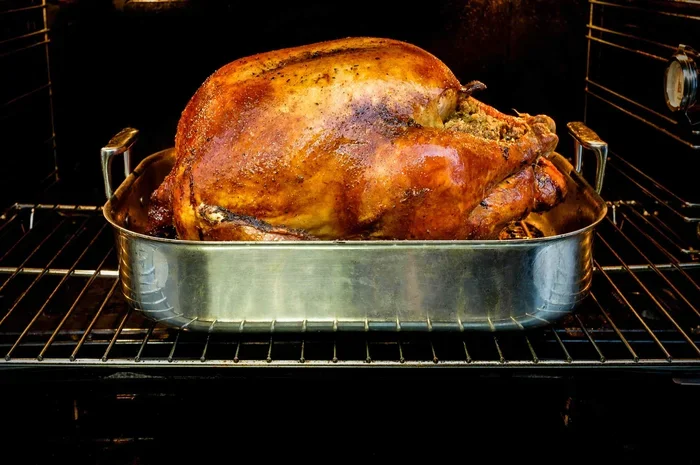
Place the roast on a roasting rack inside an oven-safe pan. The rack lifts the meat, allowing hot air to circulate. This promotes even browning. Put the pan in the oven on the middle rack. Do not open the oven door for the first hour. Every peek releases heat and slows cooking.
Set a timer for the calculated time. Use the chart above as your guide. For a 10 lb roast at 325°F, expect about 3 hours. Check the internal temperature after 2.5 hours. The meat is done when it reaches 5°F below your target doneness.
Using a Meat Thermometer Correctly
A meat thermometer is non-negotiable for a perfect roast. Insert the probe into the thickest part of the meat. Avoid touching bone or fat. Bone conducts heat differently and gives false readings. Check the temp in at least two spots for accuracy.
Here is a quick doneness guide:
- Rare: 120–125°F
- Medium-Rare: 130–135°F
- Medium: 140–145°F
- Well-Done: 155°F+
Remember, the temperature will rise during resting. Pull the roast out early to avoid overcooking.
Resting and Serving Your Roast
The final step is just as important as the cooking. Resting allows the juices to settle back into the meat. Cutting too soon releases all those flavorful juices onto the cutting board. A rested roast stays moist and tender.
Why Resting Matters
During roasting, the heat pushes juices toward the center. When you remove the roast, the juices need time to redistribute. A 20-minute rest does this perfectly. The internal temperature will also rise during this time. This is called carryover cooking. Factor it into your timing.
How to Tent Your Roast
Loosely cover the roast with a sheet of aluminum foil. Do not wrap it tightly. A tight wrap traps steam and softens the crust. A loose tent keeps the meat warm without steaming it. Place the roast on a warm plate or cutting board during this rest.
Carving Tips for Beautiful Slices
Use a sharp carving knife. Slice against the grain for maximum tenderness. The grain is the direction of the muscle fibers. Cutting across them shortens the fibers, making each bite easier to chew. For a bone-in roast, slice along the bone first. Then carve the meat off in even pieces.
Serve the roast with its natural juices. Spoon a little pan drippings over the slices. This adds incredible flavor. Pair with roasted vegetables and a simple gravy made from the pan drippings.
Troubleshooting Common Roast Problems
Even with a good plan, things can go wrong. Knowing how to fix common issues saves your roast. Here are the most frequent problems and their solutions.
The Roast Is Tough and Chewy
Toughness usually means the meat was undercooked. Connective tissue did not have time to break down. Next time, cook it longer at a lower temperature. A chuck roast needs a full 4 hours at 300°F to become tender. You can also return the tough roast to the oven with added liquid and cook for another hour.
The Roast Is Dry and Overcooked
Dryness happens when the roast cooks too long or at too high a temperature. The muscle fibers squeezed out all the moisture. To prevent this, use a meat thermometer and pull the roast early. Let carryover cooking finish the job. If the roast is already dry, slice it thin and serve with extra gravy or pan sauce to add moisture back.
Uneven Browning or Cooking
Uneven cooking often results from an uneven oven or a crowded pan. Make sure the roast is on a rack, not sitting flat in the pan. Rotate the pan 180 degrees halfway through cooking if your oven has hot spots. Also, avoid opening the oven door too often. Each opening drops the temperature significantly.
Expert Insights and Quick Tips
Here are a few pro tips that make a big difference. These small changes elevate your roast from good to great.
- Brine overnight: A simple saltwater brine adds moisture and seasoning deep into the meat. Use 1 cup of salt per gallon of water.
- Use a roasting pan with a rack: It promotes air circulation and prevents the bottom from steaming.
- Add aromatics to the pan: Toss in onion wedges, carrots, and celery. They flavor the drippings for an easy gravy.
- Let the roast sit at room temp: One hour out of the fridge promotes even cooking.
- Baste every hour: Spoon the pan juices over the roast. This keeps the surface moist and builds flavor.
These tips work for any roast size. They are especially helpful for a large 10 lb roast that needs consistent results.
Conclusion
Cooking a 10 lb roast in the oven is easier than you think. The secret is knowing how long to cook 10 lb roast in oven and trusting the process. Use a steady 325°F temperature, a reliable meat thermometer, and a good rest. Choose the right cut for your family’s taste, season generously, and give it the time it needs. Your roast will turn out juicy, tender, and full of flavor. Try these steps for your next big meal and enjoy the compliments.
Frequently Asked Questions
How long does it take to cook a 10 lb roast at 350°F?
At 350°F, a 10 lb roast usually takes about 2.5 to 3 hours. The higher temperature speeds up cooking. Check the internal temp often, because it can go from perfect to overdone quickly. Use the 15 minutes per pound rule as a starting point.
Should I cover a roast with foil in the oven?
Covering with foil traps steam and slows browning. Leave it uncovered for the first 2 hours to develop a crust. If the roast is browning too fast, loosely tent it with foil for the remaining time. This prevents burning while keeping the inside moist.
What is the best internal temperature for a 10 lb roast?
For beef, 135°F is medium-rare and 145°F is medium. For pork, the USDA safe temperature is 145°F with a 3-minute rest. Always pull the roast 5°F below your target, because carryover cooking will raise the temperature.
Can I cook a 10 lb roast at 250°F?
Yes, low and slow at 250°F works well for tough cuts like chuck roast. It takes about 4 to 5 hours. The low temperature breaks down collagen gently, resulting in very tender meat. This method is ideal for a weekend cook when you have plenty of time.
How do I keep a 10 lb roast from drying out?
Use a meat thermometer and pull the roast early. Let it rest for 20 minutes under a loose foil tent. Baste the roast with pan juices every hour. Adding a small amount of liquid to the pan also helps maintain moisture throughout the cook.
Is it better to cook a roast in a roaster oven or a regular oven?
A regular oven works perfectly fine. A roaster oven can be more convenient because it holds the roast and pan together. Both methods produce the same results if you maintain the correct temperature. The key is consistent heat and a reliable thermometer.