Can Oven Silicone Paper Go in the Oven Without Burning
Yes, oven silicone paper can go in the oven safely — most brands withstand temperatures up to 450°F (230°C). This heat-resistant, non-stick liner makes baking easier and cleanup a breeze. You can use it for cookies, roasted veggies, and even how long chicken kebabs take in the oven. Just avoid direct flames and stay within the recommended heat range.
Have you ever lined your baking sheet with paper and wondered, “Can oven silicone paper go in the oven without burning?” It is a question many home cooks ask. The short answer is yes. Silicone paper is designed to handle high oven temperatures without catching fire or releasing harmful fumes. But there are some important details you need to know before you toss it into a hot oven.
In this guide, we will cover everything you need about silicone baking liners. You will learn about safe temperatures, benefits, common mistakes, and practical tips. Whether you are baking cookies, roasting vegetables, or figuring out how long chicken kebabs take in the oven, this article has you covered.
Silicone paper has become a kitchen staple for many home cooks. It is reusable, non-stick, and much easier to manage than traditional parchment paper. But just because it is heat resistant does not mean you can use it however you want. There are limits, and understanding them will keep your food safe and your oven working properly.
Key Takeaways
- Silicone paper is oven safe: Most silicone baking mats and liners handle temperatures between 400°F and 450°F without burning or releasing harmful chemicals.
- It is reusable and eco-friendly: Unlike parchment paper, silicone paper can last for hundreds of uses, saving money and reducing waste.
- Never expose it to open flames: Direct contact with a broiler or open flame can cause burning, even with high-quality silicone liners.
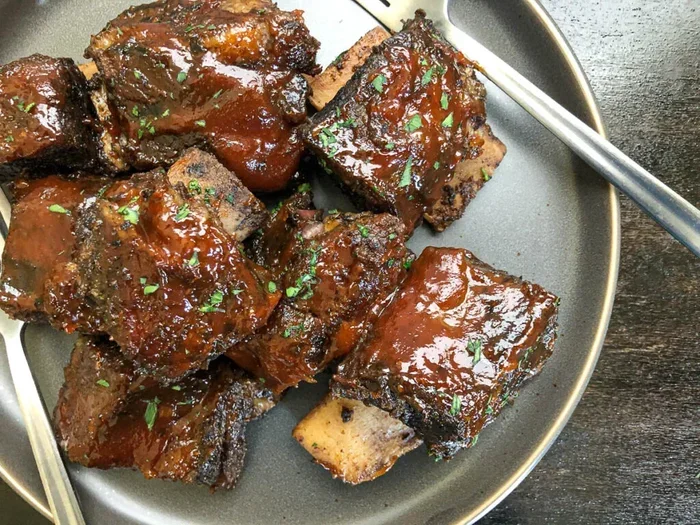
- It works great for many cooking tasks: From baking cookies to finishing ribs in oven after smoking, silicone paper is a versatile kitchen tool.
- Check the manufacturer’s temperature limit: Not all silicone papers are created equal, so always read the label before using it in a hot oven.
- It prevents food from sticking: The non-stick surface means less cooking spray and easier cleanup every time.
📑 Table of Contents
What Is Oven Silicone Paper?
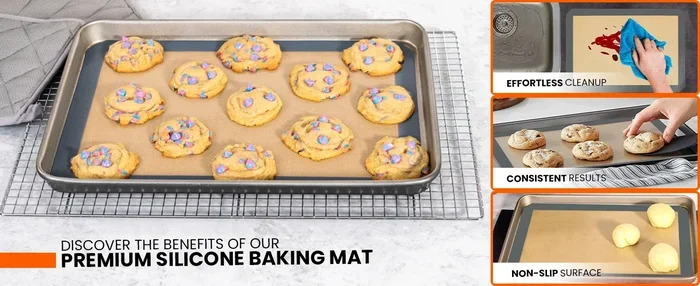
Oven silicone paper is a flexible, heat-resistant liner made from food-grade silicone fabric. It looks like a thin sheet of cloth but feels slightly rubbery and slippery. People also call it a silicone baking mat, silicone release paper, or reusable baking liner.
Unlike regular paper or parchment, silicone paper does not catch fire easily. It is designed to sit directly on a baking sheet or inside a pan while food cooks. The surface is naturally non-stick, which means cookies slide right off and roasted veggies do not stick to the bottom.
How Is Silicone Paper Made?
Good quality silicone paper is made from food-grade silicone layered onto a fiberglass mesh. This combination gives it strength and flexibility. The fiberglass mesh is what allows the paper to withstand high temperatures without melting or warping.
Most manufacturers use a thermal resistant coating that prevents the paper from degrading at high heat. The result is a liner that can go from your freezer to a hot oven without any problems. Some brands even add a grease proof layer for extra protection against oily foods.
Silicone Paper vs. Parchment Paper
Many people confuse silicone paper with parchment paper. They are similar in purpose but very different in construction. Here is a quick comparison:
- Silicone paper: Reusable, lasts hundreds of uses, handles up to 450°F, naturally non-stick, eco-friendly.
- Parchment paper: Single-use, can brown or burn above 425°F, needs to be replaced often, coated with silicone on one side.
If you bake often, silicone paper is the better long-term investment. You save money over time and reduce kitchen waste. It also works well for tasks like cook frozen fries in air fryer oven without needing to spray the basket.
Can Silicone Paper Go in the Oven?
The short answer is yes. Silicone paper is oven safe for most standard baking and roasting tasks. But the key word is “most.” Not every silicone paper is the same, and not every oven behaves the same way.
Most high-quality silicone liners are rated for temperatures between 400°F and 450°F (204°C to 232°C). Some premium brands can handle even higher temperatures. Always check the label or product description before using your silicone paper in a hot oven.
Safe Temperature Limits
Here are some general temperature guidelines for silicone baking liners:
- Low heat (200°F – 300°F): Perfect for drying herbs, warming bread, or slow-roasting vegetables.
- Medium heat (300°F – 375°F): Ideal for cookies, muffins, cakes, and most baked goods.
- High heat (375°F – 450°F): Great for roasting meats, vegetables, and finishing dishes like finish ribs in oven after smoking.
- Above 450°F: Not recommended. Most silicone papers will start to degrade at temperatures above this range.
Staying within the recommended temperature range is the single most important thing you can do to prevent burning. If you set your oven to 500°F and place silicone paper inside, you are asking for trouble.
What Happens If Silicone Paper Gets Too Hot?
If silicone paper exceeds its temperature limit, several things can happen. The edges may curl or turn brown. The surface may become sticky or develop a burnt smell. In extreme cases, the paper can actually scorch or catch fire.
This is why you should never leave silicone paper unattended in the oven. Even though it is heat resistant, it is not indestructible. Keep an eye on it, especially during long cooking sessions.
Benefits of Using Silicone Paper in the Oven
There are many reasons why home cooks love silicone baking paper. It is not just about convenience — although that alone is a big selling point. Let us look at the top benefits.
1. Non-Stick Surface
The biggest advantage of silicone paper is its non-stick performance. Food glides right off the surface, which means no scraping, no scrubbing, and no ruined baked goods. Whether you are making delicate pastries or thick cookies, the release is effortless.
This is especially helpful when you are roast pumpkin seeds in oven or bake sticky items like caramelized onions. The silicone surface prevents everything from clinging to the pan.
2. Reusable and Eco-Friendly
One sheet of silicone paper can replace hundreds of pieces of parchment paper. You simply wash it with warm soapy water, let it dry, and use it again. Over time, this adds up to less waste going to the landfill.
Many people choose silicone liners specifically because they want a more sustainable kitchen. It is a small change that makes a real difference.
3. Easy Cleanup
When you line your baking sheet with silicone paper, there is almost no cleanup. Grease and crumbs stay on the paper, not on the sheet. You can throw the paper in the sink, wipe it off, and it is ready for the next use.
This also protects your baking sheets from staining. Darkened baking sheets can be hard to clean, but silicone paper keeps them looking new for longer.
4. Even Heat Distribution
Because silicone paper has a fiberglass mesh core, it promotes even heat distribution across the bottom of your food. This means fewer hot spots and more consistent baking results.
Your cookies will bake evenly on all sides. Your roasted vegetables will get golden brown instead of burnt on the bottom. This is a subtle but important benefit that many people overlook.
5. Cost Effective Over Time
A single silicone baking mat costs more than a roll of parchment paper, but it lasts far longer. If you bake once a week, a good silicone mat can serve you for several years. That is a lot of savings compared to buying parchment paper every month.
Common Mistakes to Avoid
Even though silicone paper is pretty forgiving, there are some mistakes that can cause problems. Here are the most common ones to watch out for.
1. Using It Under the Broiler
This is the number one mistake people make. The broiler uses direct, intense heat from above. Silicone paper is not designed to handle this kind of direct flame contact. It can burn, smoke, or even catch fire under the broiler.
If you need to finish a dish under the broiler, remove the silicone paper first. You can always line the pan again once the broiler is off.
2. Overlapping the Edges
When lining a baking sheet, make sure the silicone paper fits flat without overlapping the edges too much. Overlapping edges can trap heat and cause the paper to scorch at the fold points.
Keep the paper flat and let it rest naturally on the baking sheet. If you need to cover a larger area, use a second sheet that fits properly.
3. Ignoring the Temperature Rating
Not all silicone papers are rated for the same temperature. Some handle 400°F, others handle 450°F, and a few can go even higher. Using a low-rated paper at high temperatures is a recipe for disaster.
Always check the manufacturer’s guidelines. This one simple step can save you from a burnt mess and a smoky oven.
4. Cutting Food Directly on the Mat
While silicone paper is durable, cutting food directly on it with a sharp knife can damage the surface over time. Use a separate cutting board instead. This keeps your silicone liner in great shape for longer.
Practical Tips for Using Silicone Paper
Want to get the most out of your silicone baking paper? Here are some practical tips that make a real difference in the kitchen.
1. Preheat the Oven With the Paper In
You can place silicone paper on the baking sheet before preheating the oven. Unlike parchment paper, silicone paper will not burn from a cold start. This makes preparation faster and more convenient.
2. Use It for Multiple Cooking Tasks
Silicone paper is not just for baking cookies. Here are some creative ways to use it:
- Line a pan when how long to cook oysters in oven for easy cleanup.
- Place it under roasted vegetables to catch drips and prevent sticking.
- Use it as a surface for rolling out dough.
- Line a sheet pan when how long to roast pumpkin seeds in oven for even toasting.
- Cover a dish when reheating leftovers to keep the food from drying out.
3. Clean It After Every Use
Washing your silicone paper after each use extends its lifespan significantly. Use warm water and mild dish soap. Avoid abrasive scrubbers that can scratch the surface. Let it air dry completely before storing it.
4. Store It Flat or Rolled
When you are not using your silicone paper, store it flat or loosely rolled. Avoid folding it into tight creases, as this can cause the fiberglass mesh to weaken over time. A simple roll or a flat stack works best.
5. Replace When It Shows Wear
Even the best silicone paper will eventually show signs of wear. If you notice warping, discoloration, or a sticky surface that does not go away after washing, it is time to replace it. Using worn-out silicone paper can affect your cooking results.
Is Silicone Paper Safe for Food?
Safety is a top concern for anyone who cooks with silicone products. The good news is that food-grade silicone is considered safe for cooking and baking by most food safety organizations.
High-quality silicone paper does not release harmful chemicals, even when heated. It is free from BPA, PVC, and other harmful substances. Look for products that are labeled “food grade” or “FDA approved” to ensure you are getting a safe product.
Cheap, low-quality silicone products may not meet the same safety standards. If the price seems too good to be true, it probably is. Stick with reputable brands that clearly state their materials and temperature ratings.
Does Silicone Paper Release Any Fumes?
When used within the recommended temperature range, silicone paper does not release any fumes or odors. If you smell something burning, it is likely the paper has exceeded its heat limit. Remove it from the oven immediately and let it cool.
In rare cases, low-quality silicone may emit a slight rubbery smell when first heated. This usually goes away after the first few uses. If the smell persists, consider replacing the liner with a higher-quality option.
Frequently Asked Questions
Can you put silicone paper directly on the oven rack?
Yes, you can place silicone paper directly on the oven rack for certain tasks. However, make sure the paper fits snugly and does not hang over the edges into the heating elements. Hanging edges can catch heat and scorch. Always check the manufacturer’s guidelines before placing silicone paper on a rack.
How long does silicone baking paper last?
A good quality silicone liner can last between two and five years with proper care. Washing it after each use, storing it flat, and avoiding high heat above its rating will extend its life significantly. Replace it when you notice warping or a sticky surface.
Can silicone paper be used in an air fryer?
Yes, silicone paper can be used in most air fryers. Cut it to fit the basket and make sure it does not block airflow. It works great for tasks like cook frozen fries in air fryer oven without sticking to the basket. Just make sure the paper does not touch the heating element.
Is silicone paper the same as a silicone baking mat?
They are essentially the same thing. Both are made from food-grade silicone and fiberglass mesh. The terms are often used interchangeably. A baking mat usually comes as a single reusable sheet, while silicone paper may refer to a thinner, more flexible liner.
Can silicone paper catch fire?
Silicone paper is highly heat resistant and does not catch fire easily under normal baking conditions. However, it can burn if exposed to temperatures above its rating, direct flames, or a broiler. Always stay within the recommended temperature range and never leave it unattended.
Do you need to grease silicone paper before baking?
No, you do not need to grease silicone paper. The surface is naturally non-stick and requires no additional oil or cooking spray. This makes it a healthier option for baking and saves you time in the kitchen. Your food will release easily without any sticking.
Conclusion
Can oven silicone paper go in the oven without burning? Absolutely — as long as you use it correctly. Silicone paper is a safe, reusable, and highly effective kitchen tool that makes baking and roasting easier than ever. It handles high temperatures, prevents sticking, and saves you time on cleanup.
Remember to stay within the recommended temperature range, avoid direct flames, and replace your liner when it shows signs of wear. With proper care, a single piece of silicone paper can serve you for years.
Whether you are baking cookies, roasting vegetables, or figuring out how long do chicken kebabs take in the oven, silicone paper is a reliable companion in the kitchen. Give it a try, and you will wonder how you ever baked without it. Your oven, your food, and your cleanup routine will all thank you.