Using a Foil Pan in a Gas Oven Everything You Need to Know
Using a foil pan in a gas oven is safe and convenient when done correctly. This guide covers everything from safety tips to best practices for aluminum foil pans in your gas stove. You will learn how to avoid common mistakes and get the best cooking results every time.
Cooking with a foil pan in a gas oven is something many home cooks do every day. Whether you are roasting vegetables, baking cookies, or heating up leftovers, aluminum foil pans are a kitchen staple. They are lightweight, disposable, and easy to grab from any pantry drawer. But is it really safe to put foil pans in a gas oven? The short answer is yes, but there are important details you need to know.
Many people worry about using aluminum containers on a gas stove or inside a gas oven. Concerns about heat reflection, uneven cooking, and potential safety risks are common. In this article, we will walk through everything you need to know about using a foil pan in a gas oven. From safety tips to best practices, you will find all the answers right here.
Key Takeaways
- Foil pans are safe in gas ovens: Aluminum foil pans work well in gas ovens when you follow basic safety rules.
- Heat distribution matters: Foil pans can affect how heat moves, so placement in the oven is important.
- Avoid covering drain holes: Always keep gas oven burners clear for proper airflow and safety.
- Use the right foil thickness: Heavy-duty foil pans handle high heat better than thin ones.
- Do not line the entire oven floor: This can block heat flow and cause uneven cooking or damage.
- Temperature limits exist: Most foil pans handle up to 400-450 degrees Fahrenheit safely.
- Clean-up is easy: Foil pans make disposable cooking and cleanup a breeze after every meal.
📑 Table of Contents
- What Is a Foil Pan and Why Use It in a Gas Oven?
- Is It Safe to Use a Foil Pan in a Gas Oven?
- Best Practices for Using Foil Pans in Gas Ovens
- Common Mistakes to Avoid When Using Foil Pans in Gas Ovens
- Foil Pan Uses and Recipes Perfect for a Gas Oven
- Foil Pan vs Other Oven Containers
- Expert Tips for Getting the Most Out of Your Foil Pan
- Environmental Considerations of Using Foil Pans
- Final Thoughts on Using a Foil Pan in a Gas Oven
What Is a Foil Pan and Why Use It in a Gas Oven?
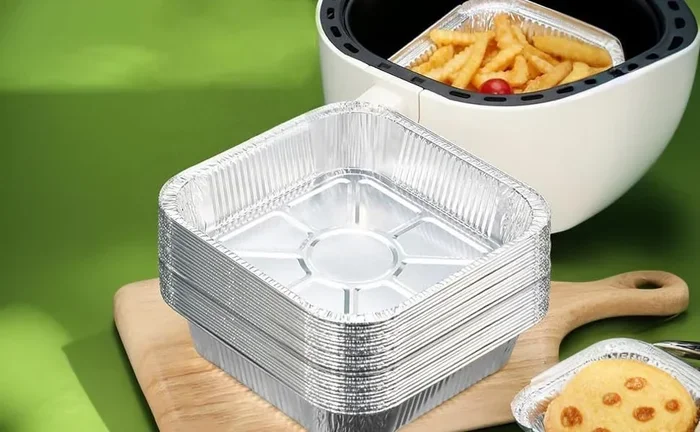
A foil pan is a shallow container made from aluminum foil. These disposable trays come in many sizes and shapes. You can find them at any grocery store or supermarket. They are often used for cooking, serving, and storing food. Many people love them because they skip the hassle of washing dishes afterward.
Using a foil pan in a gas oven has several advantages. First, they are incredibly convenient. You can cook, serve, and toss the pan all in one step. Second, aluminum foil pans are affordable. You can buy a pack for just a few dollars. Third, they work well for a wide range of recipes. From casseroles to roasted meats, these pans handle many cooking tasks with ease.
Types of Foil Pans Available
Not all foil pans are the same. Here are the most common types you will find:
- Standard disposable foil trays: These are the basic, thin aluminum pans you see at delis and bakeries.
- Heavy-duty foil pans: These are thicker and sturdier. They hold up better at higher temperatures.
- Foil baking sheets: These are flat sheets of aluminum foil you can shape into a pan.
- Foil roasting pans: Larger, deeper pans designed for bigger cuts of meat or full meals.
When you use a foil pan in a gas oven, the heavy-duty options are usually the best choice. They resist tearing and handle heat more evenly than thin pans.
Is It Safe to Use a Foil Pan in a Gas Oven?
This is the question most people ask first. The good news is that using aluminum foil pans in a gas oven is generally safe. The U.S. Department of Agriculture confirms that aluminum foil is safe for cooking at normal oven temperatures. However, there are a few important safety considerations you should keep in mind.
Gas ovens work differently from electric ovens. They use open flames or gas burners to create heat. This means the bottom of your oven can get very hot. Understanding how a foil pan in a gas oven interacts with this heat source is key to cooking safely.
How Gas Ovens Heat Differently
Gas ovens produce heat from a burner at the bottom. The flame heats the air inside the oven. The heat then rises and circulates around your food. This creates a different cooking environment compared to electric ovens. Foil pans can reflect heat in unique ways inside a gas oven.
Here are some important safety points to remember:
- Do not cover the gas burners: Blocking the flame can cause gas buildup, which is dangerous.
- Avoid touching the oven walls: Hot surfaces can melt thin foil pans and cause spills.
- Check for sharp edges: Foil pans can have sharp crimped edges. Handle them with care.
- Watch for flare-ups: If fat or juices drip onto the gas burner, it can cause flames to flare up.
When you follow these basic rules, using a foil pan in a gas oven is perfectly safe for everyday cooking.
Best Practices for Using Foil Pans in Gas Ovens
Now that you know it is safe, let us talk about how to get the best results. Following a few simple best practices will help you cook better and stay safe.
Choose the Right Foil Pan Thickness
This is one of the most important steps. Thin foil pans can tear easily and may not hold heavy foods. They can also buckle under high heat. Heavy-duty foil pans are a better choice for most gas oven cooking. They maintain their shape and distribute heat more evenly.
When shopping for foil pans, look for ones labeled “heavy duty” or “extra strength.” These pans typically handle temperatures up to 450 degrees Fahrenheit. That covers most recipes you will ever make in a foil pan in a gas oven.
Placement Matters Inside the Oven
Where you place your foil pan inside the gas oven makes a big difference. Here are some placement tips:
- Middle rack is best: This gives you the most even heat distribution.
- Keep foil away from the oven walls: Letting foil touch the hot walls can cause it to stick or melt.
- Do not block the bottom vent: Gas ovens need airflow. Blocking vents can cause uneven cooking.
- Keep pans away from the gas burner igniter: This prevents accidental flare-ups and uneven heating.
Proper placement ensures your food cooks evenly and your foil pan in a gas oven performs at its best.
Temperature Guidelines for Foil Pans
Most standard aluminum foil pans can handle temperatures up to 400 to 450 degrees Fahrenheit. This covers the majority of recipes you will use. Here is a quick reference guide:
- Low heat (200-300°F): Safe for all foil pan types. Great for warming or slow cooking.
- Medium heat (300-375°F): Safe for standard and heavy-duty foil pans. Ideal for baking and roasting.
- High heat (375-450°F): Use only heavy-duty foil pans. Thin pans may warp at these temperatures.
- Above 450°F: Avoid using foil pans. The aluminum may melt or release harmful substances.
Always check your specific foil pan packaging for temperature limits. When in doubt, use a heavy-duty pan and keep temperatures moderate.
Lining Baking Sheets with Foil
Many people use foil to line their baking sheets before placing them in the gas oven. This is a common and convenient practice. It makes cleanup super easy. However, there are a few things to keep in mind.
First, make sure the foil lies flat on the baking sheet. Wrinkled foil can cause food to cook unevenly. Second, do not let the foil extend beyond the edges of the baking sheet. Exposed foil can touch the gas burners and cause a fire hazard. Third, be aware that lining baking sheets with foil can affect bottom browning. The foil reflects heat away from the food, which may result in less crispy bottoms.
Common Mistakes to Avoid When Using Foil Pans in Gas Ovens
Even experienced cooks make mistakes with foil pans. Learning what not to do is just as important as knowing what to do. Here are the most common errors people make.
Mistake 1: Covering the Gas Burner Drain Holes
Gas ovens have small holes or channels that allow heat and air to flow properly. When you place a foil pan directly on the oven floor, you might accidentally cover these openings. This blocks airflow and can lead to uneven cooking, poor heating, or even gas buildup inside the oven. Always position your foil pan in a gas oven on a rack, never directly on the oven floor.
Mistake 2: Using Thin Foil at High Temperatures
Thin foil pans are great for cold food storage or low-heat warming. But they are not designed for high-temperature cooking. At high heat, thin foil can warp, melt, or even catch fire. Always match your foil pan thickness to the cooking temperature you plan to use.
Mistake 3: Letting Foil Touch the Oven Walls
Gas ovens get very hot on the sides and bottom. When foil touches these hot surfaces, it can melt, stick, or even cause a fire. Always leave space between your foil pan and the oven walls. A good rule of thumb is to keep at least one inch of clearance on all sides.
Mistake 4: Using Foil with Acidic Foods for Long Periods
Aluminum can react with acidic foods like tomatoes, citrus, and vinegar. When you cook these foods for a long time in a foil pan, the aluminum may leach into the food. This can affect the taste and may not be ideal for health reasons. If you are cooking acidic foods, use a ceramic or glass dish instead, or keep the cooking time short.
Mistake 5: Overcrowding the Foil Pan
Overfilling a foil pan is a common mistake. When food overflows, it can drip onto the gas burner below. This creates a mess and can cause flare-ups. Leave some space at the top of your foil pan. A good guideline is to fill it no more than two-thirds full.
Foil Pan Uses and Recipes Perfect for a Gas Oven
One of the best things about using a foil pan in a gas oven is the versatility. These pans work for so many different recipes and cooking tasks. Here are some popular uses that work great in gas ovens.
Roasting Vegetables
Roasting vegetables in a foil pan is one of the easiest methods. Simply chop your favorite veggies, toss them with olive oil and seasoning, and spread them in the pan. The aluminum foil helps conduct heat evenly around the vegetables. You get beautifully roasted results with almost no cleanup. Try this with potatoes, carrots, broccoli, or bell peppers for a delicious side dish.
Baking Cookies and Biscuits
You can bake cookies directly in a foil pan. The foil helps prevent sticking and makes cleanup a breeze. Just line the pan with parchment paper first for the best results. Your cookies will bake evenly, and you can serve them right in the same pan.
Reheating Leftovers
Foil pans are perfect for reheating leftovers in a gas oven. They work well for pizza, pasta, casseroles, and roasted meats. The foil traps moisture, which helps keep your food from drying out. Cover the pan loosely with another piece of foil to lock in steam and heat.
Making Foil Packet Meals
Foil packet meals are a fun and easy cooking method. Place your protein, vegetables, and seasonings in a piece of heavy-duty foil. Fold it up to create a sealed packet. Place the packet on a baking sheet in your gas oven. The food steams inside the foil, keeping all the flavors locked in. This method works great for fish, chicken, and mixed vegetables.
Cooking Casseroles and Baked Dishes
Casseroles are a natural fit for foil pans. You can assemble the dish right in the pan, cover it with foil, and bake it in the gas oven. When it is done, simply remove the foil and serve. This saves you from transferring hot dishes between containers. It is a practical and time-saving approach for busy weeknight dinners.
Foil Pan vs Other Oven Containers
When you are deciding what to cook in, it helps to compare foil pans with other common oven containers. Each option has its own strengths and weaknesses.
| Container Type | Heat Conductivity | Cleanup | Best For | Gas Oven Safe |
|---|---|---|---|---|
| Foil Pan | Good (reflects heat) | No cleanup (disposable) | Roasting, reheating, baking | Yes |
| Glass Dish | Moderate (slow heat) | Hand wash required | Casseroles, baking | Yes |
| Ceramic Dish | Moderate (even heat) | Hand wash required | Baking, slow cooking | Yes |
| Metal Baking Pan | Excellent (fast heat) | Hand wash or dishwasher | Baking, roasting | Yes |
| Silicone Pan | Moderate (flexible) | Dishwasher safe | Baking, flexible cooking | Yes |
As you can see, foil pans offer a unique advantage: they are disposable and require zero cleanup. This makes them ideal for busy cooks, potlucks, and large gatherings. However, if you are looking for the best heat conductivity, a metal baking pan may give you slightly better results for certain recipes.
When to Choose a Foil Pan
Choose a foil pan when you want convenience and easy cleanup. They are perfect for one-time use, outdoor cooking, or when you are feeding a crowd. A foil pan in a gas oven is also great for meal prep. You can cook, portion, and store food all in the same container.
When to Choose Other Containers
Choose glass, ceramic, or metal pans when you need better heat distribution or when cooking acidic foods for a long time. These containers do not react with food and provide more consistent cooking results over time.
Expert Tips for Getting the Most Out of Your Foil Pan
Here are some expert tips that will help you get the best results every time you use a foil pan in your gas oven:
- Double up thin foil pans: If you only have thin pans, use two layers for extra strength and heat resistance.
- Use parchment paper inside: This prevents food from sticking and makes cleanup even easier.
- Shiny side vs dull side: The shiny side reflects more heat. Use it facing up for crispier results, or facing down for slower, gentler cooking.
- Create a makeshift lid: Fold a piece of foil over the top of your pan to trap moisture and steam.
- Reinforce the bottom: Place your foil pan on a regular baking sheet for extra support and easier handling.
- Let pans cool before moving: Foil pans can be flimsy when hot. Use oven mitts and a sturdy baking sheet to transfer them safely.
These simple tips will help you use your foil pan with confidence in any gas oven setting. They make a real difference in cooking results and kitchen safety.
Environmental Considerations of Using Foil Pans
While foil pans are incredibly convenient, it is worth thinking about their environmental impact. Most aluminum foil pans are not recyclable in many local programs because they are coated with food residue. This means they often end up in landfills after a single use.
If you are concerned about waste, consider these alternatives:
- Reusable silicone baking mats: These can replace foil for lining baking sheets.
- Glass or ceramic dishes: Reusable and long-lasting options for oven cooking.
- Recycled aluminum foil: Some brands offer foil made from recycled materials.
- Repurpose foil pans: Use them for storage or organizing before throwing them away.
You do not have to stop using a foil pan in a gas oven. Just being mindful of your usage and disposal habits can make a difference over time.
Final Thoughts on Using a Foil Pan in a Gas Oven
Using a foil pan in a gas oven is a practical, convenient, and safe choice for many cooking tasks. As long as you follow the basic safety rules, choose the right pan thickness, and place your pan correctly inside the oven, you will enjoy great cooking results every time. Remember to avoid common mistakes like covering burner holes, using thin foil at high temperatures, and letting foil touch the oven walls.
The versatility of foil pans makes them a valuable tool in any kitchen. From roasting vegetables to baking cookies, from reheating leftovers to making foil packet meals, these simple containers do a lot of heavy lifting. They save time, reduce cleanup, and make cooking more enjoyable for everyone.
Next time you preheat your gas oven, reach for a foil pan with confidence. You now have all the knowledge you need to use it safely and effectively. Happy cooking!
Frequently Asked Questions
Can I put a foil pan directly on the bottom of a gas oven?
It is not recommended to place a foil pan directly on the bottom of a gas oven. The oven floor has drain holes and vents that allow heat and air to circulate properly. Covering these openings can cause uneven cooking, poor heating, and potential safety hazards. Always place your foil pan on a rack in the middle of the oven for best results.
What temperature can a foil pan withstand in a gas oven?
Most standard aluminum foil pans can handle temperatures up to 400 to 450 degrees Fahrenheit. Heavy-duty foil pans may tolerate slightly higher temperatures. Always check the packaging of your specific foil pan for temperature guidelines. Avoid using foil pans above 450 degrees Fahrenheit to prevent melting or warping.
Is it safe to cook acidic foods in a foil pan in a gas oven?
Cooking acidic foods like tomatoes, citrus, or vinegar-based sauces in a foil pan for a short time is generally safe. However, prolonged cooking with acidic foods can cause aluminum to leach into the food, affecting taste and potentially raising health concerns. For long cooking times with acidic ingredients, use a glass or ceramic dish instead.
Can I reuse a foil pan after cooking in a gas oven?
While you can technically rinse and reuse a foil pan, it is not recommended. Foil pans are designed for single use. After cooking, the pan may have weakened spots, scratches, or food residue that is difficult to fully clean. For best results and food safety, dispose of the pan after use and use a fresh one for your next meal.
Why does my food cook unevenly in a foil pan in the gas oven?
Uneven cooking can happen for several reasons. The foil pan may be too thin and warp under heat. Placement in the oven may block airflow or expose one side to more direct heat. Wrinkled foil can create hot and cold spots. To fix this, use a heavy-duty foil pan, place it on the middle rack, and make sure the foil lies flat.
Can I line my gas oven with aluminum foil to catch spills?
It is best to avoid lining the entire oven floor with aluminum foil. This can block heat circulation, cover burner vents, and cause uneven cooking or overheating. Instead, place a foil pan on a rack to catch drips and spills. This method protects your oven while allowing proper airflow and heat distribution.