How To Bake Cod In Convection Oven For Juicy Results
Baking cod in a convection oven is the fastest and most reliable way to get perfectly juicy, flaky fish with a golden crust. This guide covers everything from choosing the best fillets to nailing the ideal temperature and timing. You will learn simple seasoning ideas, common mistakes to avoid, and expert tips that guarantee restaurant-quality results at home.
There is something truly special about pulling a beautiful piece of cod out of the oven and watching it flake apart with just a touch of a fork. Baking cod in a convection oven takes all the guesswork out of cooking fish and delivers consistent, juicy results every single time. Whether you are a beginner in the kitchen or a seasoned home cook looking for a faster method, this guide will walk you through everything you need to know.
Convection ovens have a fan that blows hot air around the food, which means your cod cooks more evenly and often faster than a regular oven. This makes it one of the best methods for baking white fish like cod. In this article, you will discover the ideal temperature, the best seasonings, step-by-step instructions, and plenty of tips that will take your baked cod recipe from ordinary to outstanding.
If you have ever struggled with dry, overcooked fish before, you are not alone. The good news is that once you understand how convection baking works with cod, you will never go back to dry fillets again. Let us dive into the details and get you cooking.
Key Takeaways
- Convection ovens circulate hot air evenly, which means cod cooks faster and more uniformly than a standard oven.
- Keep the oven temperature between 375°F and 425°F for moist, flaky cod with a beautiful golden finish.
- Season simply but effectively with olive oil, lemon, garlic, and fresh herbs to let the natural flavor of the fish shine.
- Bake cod fillets for 10 to 15 minutes depending on thickness, and always check for an internal temperature of 145°F.
- Avoid common mistakes like overcooking, skipping the parchment paper, and not letting the fish come to room temperature first.
- Use a wire rack or parchment-lined sheet pan for the crispiest skin and most even cooking.
- Pair baked cod with light sides like roasted vegetables, rice, or a fresh salad for a complete healthy meal.
📑 Table of Contents
- Why A Convection Oven Is Perfect For Baking Cod
- Choosing The Right Cod Fillets
- Essential Seasonings And Flavor Combinations
- Step-By-Step Guide To Baking Cod In A Convection Oven
- Temperature And Time Guide For Perfect Cod
- Common Mistakes To Avoid And Pro Tips
- Serving Suggestions And Pairing Ideas
- Conclusion
Why A Convection Oven Is Perfect For Baking Cod
How Convection Cooking Works
A convection oven uses a rear fan and exhaust system to circulate hot air around the food. This creates a thin, even layer of heat that surrounds every piece of fish. Unlike a standard oven where heat can be uneven, convection ovens eliminate hot spots and cold zones.
The result is food that cooks more quickly and more uniformly. For cod fillets, this means every part of the fish reaches the perfect level of doneness at the same time. You will not end up with an overcooked middle and a raw center.
Benefits Of Using Convection For Fish
There are several clear advantages when you choose convection oven cod recipes over traditional methods:
- Faster cooking times — you can reduce the temperature by about 25°F or cut the time in half compared to a conventional oven.
- Even browning — the circulating air creates a beautiful golden crust on the top and bottom of the fillet simultaneously.
- Moisture retention — because the fish cooks faster, it retains more natural juices and stays tender.
- No need to flip — the even heat distribution means you can set the fillet and forget it.
- Better texture — the skin becomes crispy when baked on a wire rack, and the flesh stays incredibly soft and flaky.
Expert Insight: Many professional chefs prefer convection for delicate white fish because it minimizes the risk of drying out. The consistent airflow acts like a gentle, even blanket of heat that cooks the fish through without shocking it.
Choosing The Right Cod Fillets
Fresh Vs Frozen Cod
You can absolutely bake frozen cod in a convection oven, but fresh fillets will always give you the best texture and flavor. If you are using frozen cod, make sure to thaw it completely in the refrigerator overnight before baking. Never thaw fish at room temperature, as this can promote bacterial growth and affect the taste.
When shopping for fresh cod, look for fillets that are firm to the touch and have a clean, ocean-like smell. The flesh should be translucent and pearly white, not dull or gray. Bright, clear eyes on whole fish are also a good sign of freshness, though most people buy pre-filleted cod.
Thickness Matters
The thickness of your cod fillets is one of the biggest factors in determining cooking time and temperature. Thin fillets (less than half an inch thick) will cook very quickly and can dry out fast. Thick fillets (one inch or more) need a slightly lower temperature and a bit more time to cook through evenly.
For the best results, try to select fillets that are about three-quarters of an inch to one inch thick. This thickness gives you a nice margin of error and produces a perfect balance of crispy exterior and moist, flaky interior. If your fillets are different sizes, you can adjust the baking time for each piece accordingly.
| Fillet Thickness | Recommended Temperature | Approximate Bake Time |
|---|---|---|
| Thin (less than 1/2 inch) | 400°F (200°C) | 8 to 10 minutes |
| Medium (3/4 inch) | 385°F (195°C) | 10 to 12 minutes |
| Thick (1 inch or more) | 375°F (190°C) | 12 to 15 minutes |
Skin-On Vs Skinless Cod
Skin-on cod has a natural protective layer that helps the fish retain moisture during baking. It also becomes wonderfully crispy when cooked in a convection oven. If you want crispy skin, start with the skin side down on a parchment-lined sheet pan or a wire rack.
Skinless cod is easier to eat and works well if you are serving it to children or guests who prefer not to deal with the skin. Skinless fillets tend to dry out slightly faster, so keep a close eye on the cooking time and use a meat thermometer to check doneness.
Essential Seasonings And Flavor Combinations
Simple Seasoning For Classic Baked Cod
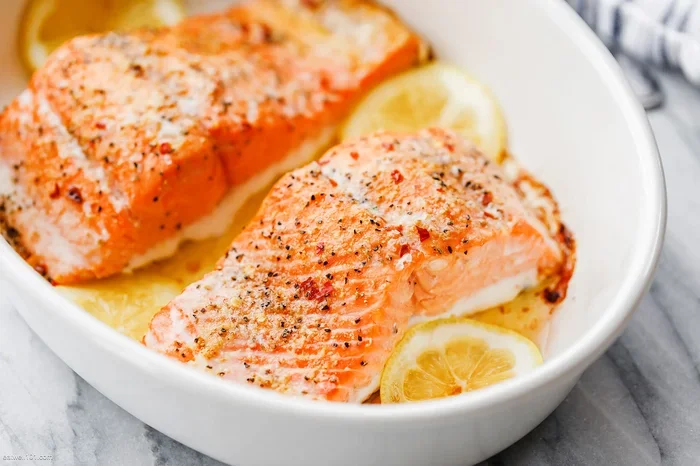
Cod is a mild, delicate fish that pairs beautifully with a wide range of flavors. The best approach is to keep the seasoning simple so the natural taste of the fish remains the star of the dish. A classic combination of olive oil, lemon juice, garlic, salt, and pepper is hard to beat.
Here is a foolproof basic seasoning blend for healthy baked fish:
- Two tablespoons of extra virgin olive oil
- One tablespoon of fresh lemon juice
- Two cloves of minced garlic
- Half a teaspoon of sea salt
- A quarter teaspoon of black pepper
- One tablespoon of fresh parsley, chopped
Mix these ingredients together in a small bowl, then drizzle the mixture evenly over the cod fillets. Let the fish marinate for about 10 to 15 minutes before baking. This short rest allows the flavors to penetrate the surface of the fish and enhances the overall taste.
Creative Flavor Variations
Once you have mastered the basic method, you can experiment with different flavor profiles. Here are some popular variations for cod fish recipes:
- Mediterranean Style: Add dried oregano, sun-dried tomatoes, kalamata olives, and a sprinkle of feta cheese on top during the last few minutes of baking.
- Asian-Inspired: Mix soy sauce, sesame oil, fresh ginger, and a touch of honey for a savory-sweet glaze that caramelizes beautifully in the convection oven.
- Herb Butter: Combine softened butter with fresh dill, thyme, and a squeeze of lemon. Place a small pat of herb butter on top of each fillet before baking for an incredibly rich and flavorful result.
- Spicy Cajun: Use a store-bought or homemade Cajun seasoning blend with paprika, cayenne pepper, garlic powder, and onion powder for a bold kick.
- Lemon Butter Caper: Melt butter with lemon zest, capers, and a pinch of red pepper flakes for a restaurant-quality sauce that pairs perfectly with baked cod.
Quick Tips For Seasoning Cod
- Do not over-season. Cod has a subtle flavor, and heavy spice blends can mask it completely.
- Pat the fillets dry with paper towels before seasoning. This helps the spices adhere better and promotes a crispier exterior.
- Season just before baking or let the fish marinate for no more than 30 minutes. Acidic ingredients like lemon can start to “cook” the fish if left too long.
- Use flaky sea salt as a finishing touch right after the fish comes out of the oven. It adds a satisfying crunch and bursts of flavor.
Step-By-Step Guide To Baking Cod In A Convection Oven
Step 1: Preheat Your Oven
Start by preheating your convection oven to the recommended temperature. Most baked cod recipes call for a temperature between 375°F and 425°F (190°C to 220°C). Preheating is essential because it ensures the fish starts cooking immediately when it goes into the oven, which helps seal in moisture.
Set your oven to the desired temperature and give it at least 10 to 15 minutes to reach full heat. If you skip this step, the cod will cook unevenly and may take longer to bake, which increases the risk of drying out.
Step 2: Prepare The Baking Sheet
Line a baking sheet with parchment paper or a silicone baking mat. This prevents the cod from sticking and makes cleanup a breeze. For the crispiest skin, place a wire rack on top of the baking sheet and set the cod on the rack. The air circulates underneath the fillet, which promotes even browning on both sides.
If you do not have a wire rack, you can place the cod directly on the parchment-lined sheet. Just be sure to flip the fillet halfway through if you want both sides to brown evenly.
Step 3: Season And Arrange The Fillets
Place the seasoned cod fillets on the prepared baking sheet, leaving a small gap between each piece. This allows the hot air to flow around the fish freely, which is the whole point of using a convection oven. Crowding the pan traps steam and can make the fish soggy instead of crispy.
Drizzle any remaining seasoning or marinade over the top of the fillets. If you are using a glaze or sauce, apply it now. For a light, flaky texture, keep sauces on the lighter side and avoid drowning the fish.
Step 4: Bake And Monitor
Place the baking sheet in the center of the oven on the middle rack. Set a timer based on the thickness guide in the table above. Convection ovens typically cook about 25% faster than conventional ovens, so reduce your expected time accordingly.
At the halfway point, open the oven and check the fish. The top should be turning golden and opaque. You can gently press the thickest part of the fillet with your finger — it should feel firm but still have a slight give. If the top is not browning fast enough, you can switch to the broil setting for the last one to two minutes. Watch it closely during broiling, as fish can go from perfectly done to burnt in seconds.
Step 5: Check Internal Temperature And Rest
The most reliable way to tell if your cod is done is by using an instant-read meat thermometer. Insert it into the thickest part of the fillet. The internal temperature of baked cod should reach 145°F (63°C). The fish will also be opaque throughout and should flake easily with a fork.
Once the cod is out of the oven, let it rest for two to three minutes on the pan. This brief rest allows the juices to redistribute throughout the fillet, which means every bite will be moist and flavorful. Cutting into the fish immediately can cause the juices to run out, leaving you with drier results.
Temperature And Time Guide For Perfect Cod
The Ultimate Reference Chart
Getting the temperature and timing right is the key to moist baked cod every time. The table below serves as your go-to reference for different fillet thicknesses and oven settings.
| Oven Setting | Temperature | Thin Fillets | Medium Fillets | Thick Fillets |
|---|---|---|---|---|
| Convection | 375°F (190°C) | 8-10 min | 10-12 min | 12-15 min |
| Convection | 400°F (200°C) | 6-8 min | 8-10 min | 10-12 min |
| Convection | 425°F (220°C) | 5-7 min | 7-9 min | 9-11 min |
| Standard (no fan) | 400°F (200°C) | 10-12 min | 12-15 min | 15-18 min |
As you can see, using a convection oven saves significant time compared to a standard oven. The circulating fan also means you do not need to preheat for as long, and the results are more consistent across the entire batch of fish.
Quick Tips For Timing Perfection
- Start checking early. It is always better to pull the cod out a minute or two early and let it finish cooking on the hot pan than to overcook it.
- Use a timer and do not rely on visual cues alone. Every oven is slightly different, and convection models can vary in their actual temperatures.
- Note the time the fish goes in and set multiple alarms if needed. It is easy to get distracted and forget about the fish, and three extra minutes can turn perfectly moist cod into dry, rubbery fillets.
Common Mistakes To Avoid And Pro Tips
Mistakes That Lead To Dry Cod
Even with a convection oven, it is possible to ruin a good piece of cod if you make common errors. Here are the mistakes that cause dry, tough fish and how to avoid them:
- Overcooking the fish. This is the number one reason for dry cod. Cod goes from perfectly done to overcooked very quickly, so set a timer and check early.
- Starting with cold fish. Putting a cold fillet straight from the refrigerator into a hot oven creates uneven cooking. Let the cod sit at room temperature for 10 to 15 minutes before baking.
- Using too much oil. A light coating of olive oil is enough. Excess oil can cause the fish to fry slightly and become greasy rather than clean and flaky.
- Skipping the parchment paper. Without it, the fish can stick to the pan, break apart when you try to remove it, and lose its moisture.
- Opening the oven door too often. Every time you open the door, you release heat and disrupt the even airflow. Check the fish only when the timer goes off.
Pro Tips For The Best Results
- Brush the cod with a thin layer of Dijon mustard before seasoning. It creates a flavor barrier that locks in moisture and adds a subtle tangy kick.
- Add a splash of white wine or broth to the bottom of the baking pan before putting the fish in. The steam created during baking keeps the environment moist and prevents the cod from drying out.
- Let the cod rest after baking. This simple step makes a noticeable difference in juiciness and flavor distribution.
- Invest in a good instant-read thermometer. It takes the guesswork out of cooking fish entirely and ensures perfect results every time.
- Do not overcrowd the pan. Give each fillet at least one inch of space for proper air circulation.
Expert Insights
Chef Maria Torres, a seafood specialist with over 15 years of experience, shares her top tip: “The secret to perfectly baked cod in a convection oven is to keep it simple and trust the process. Do not overcomplicate the seasoning, and never walk away from the oven once the timer starts. Convection ovens are fast, and fish goes from perfect to overdone in under a minute.”
Another professional tip from culinary instructor David Chen is to “always place the thickest part of the fillet facing down toward the heat source. This ensures the center cooks through at the same rate as the edges, giving you an evenly cooked fillet from edge to center.”
Serving Suggestions And Pairing Ideas
Best Side Dishes For Baked Cod
Baked cod is incredibly versatile and pairs well with a wide variety of sides. Here are some ideas that complement the mild, flaky texture of the fish:
- Roasted vegetables: Asparagus, broccoli, cherry tomatoes, and zucchini all roast beautifully alongside cod in the convection oven.
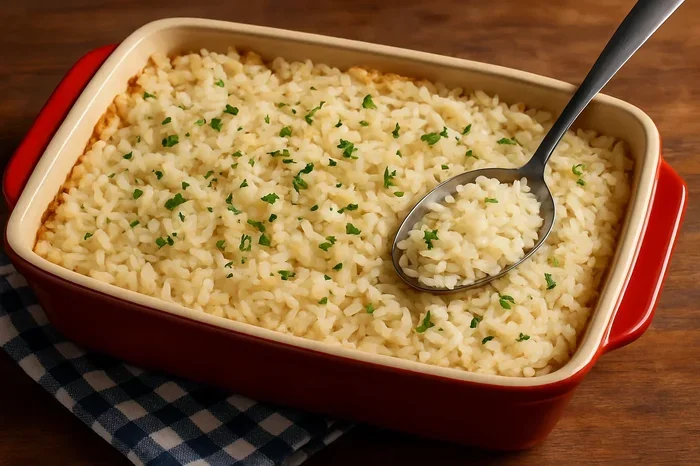
- Rice pilaf or quinoa: These light grains absorb the juices from the fish and make a satisfying base for the meal.
- Mashed potatoes: Creamy mashed potatoes are a classic pairing that adds comfort and richness to the dish.
- Fresh salad: A light arugula salad with lemon vinaigrette provides a refreshing contrast to the warm, savory cod.
- Crusty bread: Use a piece of warm bread to soak up the remaining juices and any sauce on the plate.
Sauce Options To Elevate Your Cod
While perfectly seasoned baked cod can stand on its own, a simple sauce can take it to the next level. Try a lemon butter sauce, a creamy dill yogurt dip, or a fresh chimichurri. For a lighter option, a drizzle of good quality extra virgin olive oil and a squeeze of fresh lemon juice right before serving is all you need.
Key Takeaway: The beauty of baking cod in a convection oven is that it is a healthy, low-effort meal that delivers restaurant-quality results. It is packed with protein and omega-3 fatty acids, making it one of the best choices for a nutritious dinner that the whole family will enjoy.
Conclusion
Baking cod in a convection oven is one of the easiest and most rewarding cooking techniques you can master. With the right temperature, timing, and seasoning, you will produce perfectly juicy, flaky fish with a golden, crispy exterior every single time. The convection method makes the process faster and more consistent than traditional baking, which means less time in the kitchen and more time enjoying your meal.
Remember the key principles: choose fresh or properly thawed fillets, season simply to let the fish shine, preheat your oven, and use a meat thermometer to check for doneness. Avoid the common mistakes of overcooking, overcrowding the pan, and skipping the resting period. With these guidelines in mind, you are well on your way to making moist, delicious baked cod that will impress everyone at the table.
Now that you have all the tools and knowledge, it is time to get cooking. Pick up some fresh cod fillets from your local market, preheat your convection oven, and try out the techniques you have learned today. Once you taste the difference that proper convection baking makes, you will never go back to another method again. Happy cooking!
Frequently Asked Questions
What Is The Best Temperature To Bake Cod In A Convection Oven?
The ideal temperature to bake cod in a convection oven is between 375°F and 425°F, depending on the thickness of the fillet. Thinner fillets do well at 400°F to 425°F, while thicker cuts benefit from a slightly lower temperature of 375°F to 385°F. This range ensures the fish cooks through evenly without drying out.
How Long Does It Take To Bake Cod In A Convection Oven?
Most cod fillets bake in a convection oven within 8 to 15 minutes, depending on thickness. Thin fillets under half an inch take about 8 to 10 minutes, medium fillets around three-quarters of an inch take 10 to 12 minutes, and thick fillets over one inch need 12 to 15 minutes. Always check the internal temperature, which should reach 145°F for safe and perfectly cooked fish.
Should I Cover Cod With Foil When Baking In A Convection Oven?
Generally, you do not need to cover cod with foil when using a convection oven. The circulating hot air works best when it can reach the fish directly, which promotes even browning and a crispy texture. However, if your cod is very thin or you notice it browning too quickly, you can loosely tent it with foil for the last few minutes of baking to prevent burning.
Can I Bake Frozen Cod Directly In A Convection Oven?
Yes, you can bake frozen cod in a convection oven, but it is best to thaw it first for the best results. Thawing in the refrigerator overnight ensures more even cooking and better texture. If you must cook from frozen, increase the baking time by about 50% and check the internal temperature frequently to avoid overcooking the edges while waiting for the center to thaw.
How Do I Know When Baked Cod Is Done?
Cod is done when it reaches an internal temperature of 145°F, measured with an instant-read thermometer inserted into the thickest part of the fillet. The fish will also appear opaque throughout and should flake easily when gently pressed with a fork. Avoid relying solely on cooking time, as oven variations and fillet thickness can affect how quickly the fish cooks.
What Are The Best Seasonings For Baked Cod?
The best seasonings for baked cod include olive oil, lemon juice, garlic, fresh herbs like dill or parsley, salt, and pepper. These simple ingredients enhance the mild, sweet flavor of cod without overpowering it. For more adventurous flavors, try adding smoked paprika, cumin, or a touch of honey for a sweet and savory glaze that caramelizes beautifully in the convection oven.