How To Heat Up Rice In The Oven For Perfect Results
Heating rice in the oven is the best way to keep it moist, fluffy, and evenly warm. You need an oven-safe dish, some foil, a little water, and about 15 to 20 minutes at 350°F. This method works for any type of leftover rice and beats the microwave every time for texture and taste.
Key Takeaways
- Oven reheating preserves rice texture: The gentle heat keeps grains separate and fluffy, unlike the microwave.
- 350°F is the sweet spot: This temperature heats rice evenly without drying it out or burning it.
- Add moisture before reheating: A splash of water or a damp cloth prevents dry, crunchy leftover rice.
- Foil cover traps steam: Covering your dish with aluminum foil creates a mini steam environment for perfect results.
- Store rice properly first: Refrigerate leftover rice within two hours to ensure food safety when reheating.
- Avoid common mistakes: Skipping moisture, using too high heat, and forgetting to stir can ruin your reheated rice.
- Oven method beats other methods: For quality and consistency, the oven wins over microwave and stovetop reheating.
📑 Table of Contents
Why Reheat Rice In The Oven
You might wonder why how to heat up rice in the oven is worth the extra effort. The microwave is fast and convenient. But speed often comes at a cost. Microwaves heat rice unevenly, creating hot spots and cold patches. They also strip away moisture, leaving your grains hard and unappetizing.
The oven solves these problems. It surrounds your dish with gentle, consistent heat. This means every grain warms up at the same rate. Your rice texture stays close to how it tasted fresh. The oven also allows steam to build up under a foil cover, which keeps moisture locked in. For leftover rice that tastes almost as good as the first time around, the oven is your best friend.
Another big reason is food safety. Rice can harbor bacteria if not stored and reheated properly. The oven heats rice to a safe internal temperature evenly, reducing the risk of foodborne illness. This is especially important if you are reheating rice for kids, elderly family members, or anyone with a sensitive stomach.
The Benefits Of Using Your Oven
- Even heating: No more cold centers or scorched edges.
- Moisture retention: Steam trapped under foil keeps rice soft.
- Better texture: Grains stay fluffy and separate instead of clumping together.
- Large batch friendly: You can reheat multiple servings at once.
- Hands-off cooking: Set it and forget it while the oven does the work.
- Safer reheating: Consistent high heat kills bacteria more effectively.
What You Need Before You Start
Before you dive into how to heat up rice in the oven, gather your tools. You do not need anything fancy. Most of what you need is already in your kitchen. Having everything ready makes the process smooth and stress-free.
Essential Tools And Equipment
- Oven-safe dish or baking pan: Glass, ceramic, or metal works great. Avoid plastic since it cannot handle high heat.
- Aluminum foil: This is your best friend for trapping steam. A loose cover lets moisture escape slowly.
- A spray bottle or spoon: You need a way to add moisture to the rice before reheating.
- Oven mitts: Always protect your hands when handling hot dishes.
- A fork or spatula: For fluffing the rice after it comes out of the oven.
Choosing The Right Rice
Not all leftover rice is created equal. White rice reheats more easily than brown rice because it has less moisture to lose. Fried rice, jasmine rice, and basmati rice all reheat well in the oven. Sticky rice like sushi rice can also work but needs extra moisture. If your rice storage was done properly and the rice is within three to four days old, you are in great shape. Older rice may need more water to revive it.
Step-by-Step Guide To Heating Rice In The Oven
Now let us get into the heart of how to heat up rice in the oven. Follow these simple steps for perfect results every single time. Each step matters, so do not skip ahead.
Step One: Preheat Your Oven
Set your oven to 350°F. This is the ideal oven temperature for reheating rice. It is hot enough to warm the rice through but gentle enough to avoid drying it out. While the oven heats up, take your leftover rice out of the refrigerator. Letting it sit at room temperature for five to ten minutes helps it heat more evenly.
Step Two: Prepare Your Rice
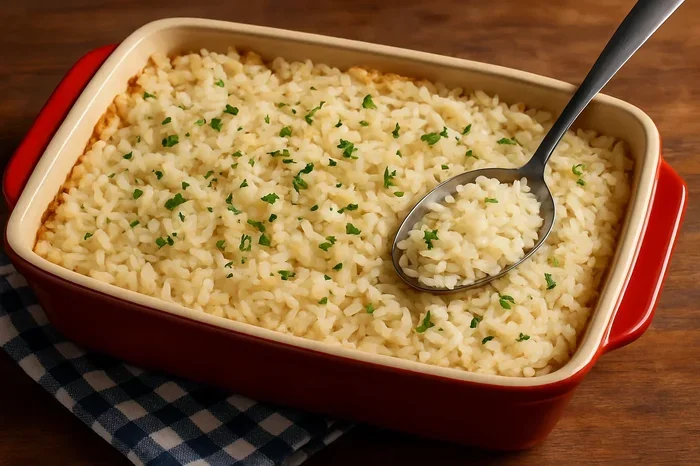
Spread your leftover rice into the oven-safe dish. Break up any clumps with a fork. You want the grains loose and spread in a thin, even layer. A thinner layer heats faster and more evenly than a thick mound. If you have a large batch, use a bigger dish or split the rice between two pans.
Step Three: Add Moisture
This is the most important step. Sprinkle one to two tablespoons of water over the rice for every cup of leftover rice. You can also drizzle a few drops of water between your fingers over the surface. The goal is to add just enough moisture to create steam during reheating without making the rice soggy.
Step Four: Cover With Foil
Cover the dish tightly with aluminum foil. The foil traps steam, which gently heats the rice and keeps it moist. Do not wrap it too tightly or you will trap too much pressure. A loose, tent-like cover works perfectly. This is the secret to how to heat up rice in the oven without drying it out.
Step Five: Bake And Wait
Place the covered dish in the preheated oven. Set a timer for 15 to 20 minutes. The exact time depends on how much rice you are reheating and how cold it was. After 15 minutes, check the rice. The grains should be hot throughout. If they still feel cool in the center, add a few more minutes. Do not exceed 25 minutes total, as overcooking can make the rice hard.
Step Six: Fluff And Serve
Remove the dish from the oven carefully. Take off the foil slowly to avoid steam burns. Use a fork to gently fluff the rice. This separates any stuck-together grains and releases excess steam. Your reheated rice should be warm, fluffy, and ready to enjoy. Serve it immediately for the best taste and rice texture.
How To Keep Rice Moist And Fluffy
The biggest challenge with reheat rice is keeping it from drying out. Rice loses moisture quickly when stored in the fridge. But with a few smart techniques, you can bring that moisture back and enjoy soft, delicious grains straight from the oven.
The Foil Cover Method
Covering your dish with aluminum foil is the single most effective way to retain moisture. The foil creates a sealed environment where steam circulates around the rice. This steam gently reheats each grain from the outside in. Without the foil, heat escapes and your leftover rice turns dry and brittle. Always use a loose cover rather than pressing the foil tightly against the rice surface.
Adding Water Or Steam
Adding water before reheating is essential. But how much water you add matters. Too little and the rice stays dry. Too much and it becomes mushy. A good rule of thumb is one tablespoon of water per cup of rice. You can also place a small oven-safe dish of water on the rack below your rice dish. This adds extra steam to the oven environment and helps keep your reheated rice moist.
Quick Tips For Perfect Moisture
- Use a spray bottle: Lightly mist the rice surface for even moisture distribution.
- Damp paper towel method: Place a damp paper towel over the rice before adding foil for extra steam.
- Add a splash of broth: Chicken or vegetable broth adds flavor and moisture to plain rice.
- Let rice rest after reheating: Give it two to three minutes with the foil on. The steam continues to work even after removing from the oven.
- Do not skip the fluffing step: Fluffing releases trapped steam and prevents clumping.
Common Mistakes To Avoid When Reheating Rice
Even with the best intentions, mistakes happen when how to heat up rice in the oven. Knowing what to avoid saves you from dry, burnt, or unsafe reheated rice. Here are the most common errors and how to prevent them.
Skipping The Moisture Step
This is the number one mistake people make. They throw cold leftover rice into the oven without adding any water. The result is dry, hard grains that taste terrible. Always add moisture before reheating. It is a small step that makes a massive difference in the final rice texture.
Using The Wrong Temperature
Some people crank the oven up to 400°F or higher to save time. This is a bad idea. High heat dries out the outside of the rice before the inside warms through. Stick with 350°F for the best balance of speed and quality. Patience pays off when it comes to rice reheating.
Overheating Your Rice
Leaving rice in the oven too long turns it into a brick. Set a timer and check the rice at the 15-minute mark. If it is hot enough, take it out. Overcooked rice loses its fluffy texture and becomes unpleasant to eat. Remember, reheated rice only needs to reach a warm temperature, not piping hot.
Forgetting To Stir
While you do not need to stir rice during oven reheating the way you would on the stovetop, you should fluff it afterward. Skipping the fluffing step leaves clumps of cold rice mixed with hot spots. A simple fork stir solves this instantly.
Reheating Rice Too Many Times
Every time you reheat rice, you reduce its quality and increase food safety risks. Only reheat what you plan to eat in one sitting. If you have a large batch of leftover rice, portion it out and reheat only what you need. This keeps your rice storage habits safe and your meals tasting fresh.
Oven Reheated Rice Vs Other Methods
There are several ways to reheat rice. But how do they compare? Let us look at the most common methods and see how how to heat up rice in the oven stacks up against the alternatives.
Oven Vs Microwave Vs Stovetop
| Method | Texture | Even Heating | Moisture Control | Batch Size | Ease |
|---|---|---|---|---|---|
| Oven | Fluffy and even | Excellent | Great (with foil) | Large batches | Moderate |
| Microwave | Uneven, can be hard | Poor | Low | Small portions | Very easy |
| Stovetop | Good with care | Good | Good | Medium batches | Moderate |
The oven clearly wins for texture and evenness. The microwave is the fastest option but sacrifices quality. The stovetop works well but requires more attention and stirring. For the best overall result, how to heat up rice in the oven is the clear winner. It gives you restaurant-quality reheated rice with minimal effort.
Expert Tips For Perfect Oven-Reheated Rice
Now that you know the basics, let us level up your rice reheating game. These expert tips will take your oven-reheated rice from good to outstanding.
Storage Tips For Leftover Rice
The way you store your rice before reheating matters just as much as the reheating method itself. Spread cooked rice into a thin layer on a baking sheet before refrigerating. This cools it quickly and prevents bacteria growth. Once cool, transfer it to an airtight container. Proper rice storage means your leftover rice will reheat beautifully every time.
When To Reheat And When To Toss
Cooked rice keeps in the refrigerator for three to four days. After that, the risk of foodborne illness increases. If your leftover rice has an unusual smell, slimy texture, or discoloration, throw it away. Do not try to save it by reheating it at a higher temperature. No amount of oven heat can fix rice that has gone bad. When in doubt, throw it out.
Reviving Day-Old Fried Rice
Fried rice reheats especially well in the oven. The already-crispy grains hold up better than plain steamed rice. Add a few drops of water and cover with foil. The oven will refresh the crispy edges while warming the center. This is the perfect method for leftover fried rice from your favorite takeout.
Adding Flavor During Reheating
Do not be afraid to get creative. A drizzle of sesame oil, a sprinkle of fresh herbs, or a dash of soy sauce can transform plain reheated rice into a flavorful side dish. The oven gently warms these additions without burning them, creating a more complex taste profile in your baked rice.
Frequently Asked Questions
Here are answers to the most common questions about how to heat up rice in the oven. These tips address real concerns home cooks face every day.
Can I Reheat Rice In The Oven Without Foil?
Yes, you can, but the results will not be as good. Without foil, moisture escapes from the rice during reheating. Your leftover rice will likely turn dry and lose its fluffy rice texture. If you must skip the foil, add extra water and cover the dish with a lid instead. The foil method is strongly recommended for the best results.
What Is The Best Temperature To Reheat Rice?
The best oven temperature for reheating rice is 350°F. This temperature heats the rice evenly without drying it out or burning the edges. Higher temperatures like 400°F cause the outside to harden before the inside warms through. Lower temperatures like 300°F take too long and can leave the rice lukewarm in the center.
How Long Can You Keep Leftover Rice Before It Goes Bad?
Cooked rice should be refrigerated within two hours of cooking and eaten within three to four days. After four days, bacteria can grow to unsafe levels even if the rice looks and smells fine. Always store your leftover rice in an airtight container in the refrigerator. If you need to keep it longer, freeze it within the first two days of cooking.
Can You Reheat Rice From The Frozen State?
Yes, you can reheat frozen rice in the oven. However, you will need to increase the reheating time to about 25 to 30 minutes. Make sure to add extra moisture since frozen rice loses more water during storage. Let the frozen rice sit at room temperature for ten minutes before placing it in the oven for more even heating.
Why Does My Reheated Rice Turn Out Hard?
Hard reheated rice usually means you did not add enough moisture. Rice loses water during storage, and without replacing it during reheating, the grains become tough and dry. Another common cause is overheating. Leaving rice in the oven too long evaporates what little moisture remains. Always add water before reheating and stick to the recommended time and temperature.
Is It Safe To Reheat Rice More Than Once?
It is not recommended to reheat rice more than once. Each reheating cycle gives bacteria more opportunity to grow, especially if the rice sits at room temperature between sessions. Only reheat the portion you plan to eat. Store the rest in the refrigerator promptly and consume it within the next day. Food safety should always be your top priority when handling leftover rice.