How To Cook String Beans In Oven For Perfect Results
Learn how to cook string beans in oven for perfectly crispy, tender results every time. This simple oven-roasted green bean recipe uses minimal ingredients and delivers maximum flavor. You’ll discover the best temperature, timing, and seasoning tricks to turn plain beans into a delicious side dish.
Learning how to cook string beans in oven is one of the easiest ways to get a healthy, delicious side dish on the table. Unlike boiling, oven roasting brings out a natural sweetness and gives the beans a satisfying crunch. Whether you have fresh beans from the garden or a bag from the freezer, this method works every time.
In this guide, we walk you through every step from prep to plating. You will learn the best oven temperature for string beans, how long to roast them, and simple seasoning ideas that turn a basic vegetable into a crowd-pleaser. The process is hands-off, so you can prep the rest of your meal while the beans bake. By the end, you will know exactly how to get crispy baked green beans that everyone will love.
Key Takeaways
- Point 1: The secret to perfect how to cook string beans in oven starts with a hot oven and a single layer on the pan.
- Point 2: Fresh or frozen beans both work well, but always dry them thoroughly before roasting.
- Point 3: Season after roasting to keep the beans crispy and avoid sogginess.
- Point 4: Use parchment paper or a silicone mat to prevent sticking and ease cleanup.
- Point 5: Blanching is optional but helps achieve even tenderness inside with crispy edges.
- Point 6: Store leftover roasted beans in an airtight container for up to 5 days.
- Point 7: Try flavor variations like garlic herb, spicy, or cheesy to keep this side dish exciting.
📑 Table of Contents
- How To Cook String Beans In Oven: A Simple Step-by-Step Guide
- Choosing The Best Beans For Oven Roasting
- Essential Prep Work: Trimming And Seasoning
- Oven Temperature And Timing For Perfect Results
- Flavor Variations And Serving Ideas
- Troubleshooting Common Problems
- Storing And Meal Prep Tips
- Conclusion
How To Cook String Beans In Oven: A Simple Step-by-Step Guide
Roasting string beans in the oven is a straightforward process that takes about 20 to 30 minutes. The key is to create a single layer of beans on the pan so hot air flows around each one. This ensures even browning and prevents steaming, which can make them soggy.
Gathering Your Ingredients
You only need a few things to get started. Fresh or frozen string beans, olive oil, salt, and your favorite seasonings. If you like garlic, keep some garlic powder or fresh cloves on hand. A little lemon zest or Parmesan cheese can also add a nice finish later.
The Baking Process
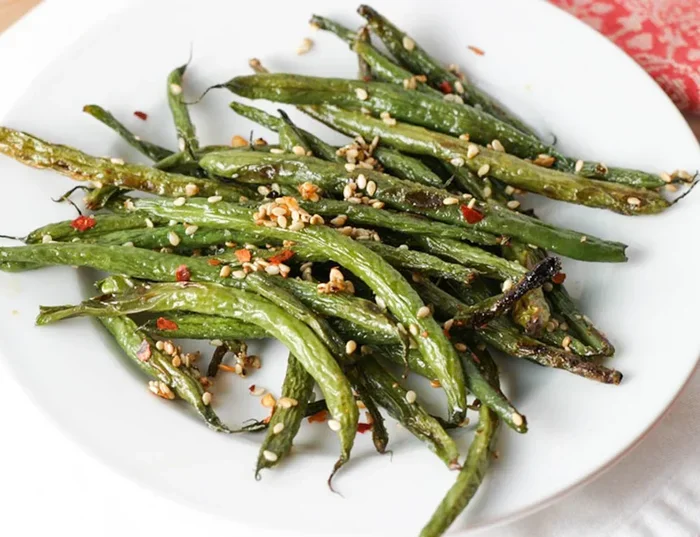
Preheat your oven to 425°F (220°C). While it heats, spread the beans on a lined baking sheet. Drizzle with olive oil and toss gently with your hands. Spread them out again so they are not touching. Roast for 15 minutes, then shake the pan or stir the beans. Roast for another 5 to 10 minutes until the edges are browned and crisp.
Checking For Doneness
The beans should be tender when you bite through the thick part but still have a slight snap. If they seem too firm, give them another 2 to 3 minutes. Watch them closely after the 20-minute mark to avoid burning. Once done, remove the pan and let the beans cool for a few minutes before serving.
Choosing The Best Beans For Oven Roasting
The type of bean you pick affects the final texture and flavor. Not all green beans are created equal, and knowing what to look for makes a big difference.
Fresh vs Frozen String Beans
Fresh beans offer the best texture and a bright, clean taste. Look for firm, bright green pods that snap when bent. Frozen beans work just as well and are often picked at peak ripeness. Thaw them first and pat them completely dry. Both fresh and frozen oven string beans roast beautifully, so do not worry if you only have the freezer variety.
What To Look For At The Market
Avoid beans that are limp, yellowing, or have visible bruises. Slim, tender pods are ideal. If the beans are very thick, they may need a few extra minutes in the oven. Thin beans roast faster and tend to crisp up nicely. Buying in season also means better flavor and lower cost.
Quick Tip: Buy beans that are similar in size so they cook evenly. Mixing thin and thick pods can lead to some beans being overcooked while others are still too firm.
Essential Prep Work: Trimming And Seasoning
Proper prep is the secret to great roasted green beans. Taking a few extra minutes here saves you from uneven cooking later.
Trimming The Beans
Lay the beans out on a clean surface. Grab each end and snap off the stem tip. The bean will naturally break at the right spot. If you have a lot of beans, you can line them up and trim the ends in batches. Some people also remove the loose string running along the seam, but most modern varieties do not need this step.
Olive Oil And Coating
Use just enough olive oil to lightly coat the beans. Too much oil makes them greasy and can cause them to steam instead of roast. Toss the beans in a large bowl with the oil first, then transfer them to the baking sheet. This keeps the pan neat and ensures every bean gets a thin, even layer.
Seasoning Options
Salt is essential, but you can add garlic powder, onion powder, smoked paprika, or a pinch of red pepper flakes. For a herby twist, toss in dried thyme or rosemary. Keep the seasoning light before roasting. Add a final sprinkle of salt or a squeeze of lemon after baking for the best flavor.
Common Mistake: Adding too much salt before roasting draws out moisture and can make the beans soft instead of crispy. Season lightly at first and adjust after baking.
Oven Temperature And Timing For Perfect Results
Getting the temperature right is the most important part of how to cook string beans in oven. Too low and they turn out limp; too high and they burn before the inside is tender.
The Ideal Oven Temperature
425°F (220°C) is the sweet spot for crispy baked green beans. This high heat quickly sears the outside, locking in moisture and creating those desirable browned edges. If your oven runs hot, drop the temperature to 400°F (200°C). Convection ovens work great here because the fan circulates hot air evenly.
How Long To Roast
Most beans roast in 20 to 25 minutes total. Thin beans may be done in 18 minutes, while thicker ones might need 30 minutes. Start checking at the 15-minute mark. The beans are ready when they are bright green, slightly wrinkled, and you can pierce them easily with a fork.
Using A Wire Rack
For the crispiest results, place a wire rack on top of the baking sheet. The beans sit on the rack, and hot air flows underneath. This prevents the bottoms from getting soggy. If you do not have a rack, a silicone baking mat works as a good alternative to parchment paper.
Expert Insight: Professional chefs often roast beans at 450°F for just 12 to 15 minutes. This ultra-hot method gives extreme crispiness but requires constant attention. For home cooks, 425°F for 20 to 25 minutes offers the best balance of ease and flavor.
Flavor Variations And Serving Ideas
Once you master the basic oven-roasted bean method, you can experiment with endless flavors. These variations turn a simple side dish into a standout.
Garlic And Herb Roasted Beans
Toss the beans with minced fresh garlic, olive oil, and a sprinkle of dried oregano before roasting. After baking, add a little lemon zest and chopped fresh parsley. This classic combination pairs well with roasted chicken, steak, or fish.
Spicy Korean-Style Green Beans
For a bold kick, drizzle the hot beans with sesame oil, soy sauce, and a pinch of gochugaru (Korean chili flakes). Toss in toasted sesame seeds and sliced scallions. This version works great as a warm salad or a side for rice dishes.
Cheesy Baked Beans
Sprinkle shredded Parmesan or crumbled feta over the beans right after they come out of the oven. The residual heat melts the cheese slightly. Add a dash of balsamic glaze for a sweet-and-savory finish that is perfect for entertaining.
Serving Suggestions
- Serve as a side with grilled salmon or roasted chicken.
- Add them to a grain bowl with quinoa, avocado, and a tahini dressing.
- Toss warm beans into a pasta salad for extra color and texture.
- Make a cold bean salad by mixing roasted beans with cherry tomatoes and a vinaigrette.
Key Takeaway: How to cook string beans in oven opens up a world of flavor possibilities. A little creativity with seasonings keeps this healthy vegetable interesting night after night.
Troubleshooting Common Problems
Even with a simple recipe, things can go wrong. Here are solutions to the most common issues people face when roasting green beans.
Beans Are Too Soggy
Sogginess usually happens because the beans are overcrowded on the pan or they were not dried properly. Make sure each bean has space and that you pat them dry after washing. If you used frozen beans, thaw them and spread them on a towel to absorb excess moisture before oiling.
Beans Are Burning
Burning occurs when the oven is too hot or the beans are left too long. Check your oven temperature with an oven thermometer. If the edges are blackening before the thick part is tender, lower the temperature by 10 to 15 degrees and extend the cooking time slightly.
Uneven Cooking
Beans that are different sizes cook at different rates. Try to pick similar-sized pods or separate them into two batches. Also, make sure to shake or stir the pan halfway through cooking to rotate the beans.
How To Reheat Leftovers
Reheating in the oven or a hot skillet brings back the crispiness. Avoid microwaving, which steams the beans and makes them limp. Spread the leftovers on a sheet pan and warm them at 375°F for about 5 minutes.
Storing And Meal Prep Tips
Oven-baked green beans store well and make excellent meal prep sides. Let the beans cool completely before storing. Place them in an airtight container in the refrigerator. They will keep for up to 5 days. Reheat in a hot oven or skillet to restore the crisp texture.
For meal prep, roast a large batch on Sunday and portion them into containers. Pair them with cooked grains, proteins, and a simple dressing for easy grab-and-go lunches. The beans also freeze well for up to 3 months, though the texture may soften slightly after thawing. They still taste great in soups or casseroles.
Conclusion
How to cook string beans in oven is a skill that anyone can master with very little effort. The high-heat method transforms a humble vegetable into a crispy, flavorful side that complements almost any main dish. From the moment you trim the beans to the final sprinkle of seasoning, the process is simple and rewarding.
Remember to use a hot oven, spread the beans in a single layer, and season after roasting for the best results. Whether you prefer them plain with just olive oil and salt, or loaded with garlic and cheese, oven-roasted string beans are a versatile and healthy addition to your weekly menu. Try the basic recipe today, then experiment with the flavor variations to find your favorite. Once you see how easy and delicious they are, you will never go back to boiling again.
Frequently Asked Questions
Do I need to blanch string beans before roasting them in the oven?
Blanching is optional but can help ensure even tenderness, especially with thick beans. If you skip blanching, simply make sure the beans are dry and give them a few extra minutes in the oven. Many people prefer the convenience of roasting them raw, and the results are still excellent.
Can I use frozen string beans for oven roasting?
Absolutely. Thaw the beans first and pat them completely dry with a clean towel. Frozen beans can sometimes release more moisture, so drying them well is the key to achieving a crispy texture. Spread them in a single layer and roast as you would fresh beans.
What is the best temperature to cook string beans in the oven?
425°F (220°C) is the ideal temperature for most oven string beans. This high heat quickly caramelizes the edges while keeping the inside tender. If your oven tends to run hot, reduce the temperature to 400°F and check the beans a few minutes earlier.
How do I keep roasted green beans from getting soggy?
The main causes of sogginess are overcrowding the pan and not drying the beans thoroughly. Use a large baking sheet so the beans form a single layer. Toss them with just enough oil and avoid covering them while they roast. A wire rack can also help by allowing air to circulate underneath.
Can I add cheese to oven-baked string beans?
Yes, cheese is a delicious addition. Sprinkle Parmesan, feta, or shredded mozzarella over the beans right after they come out of the oven. The residual heat will melt the cheese slightly. For a more integrated flavor, you can add grated cheese during the last 3 to 5 minutes of roasting.
How long do cooked oven string beans last in the fridge?
Properly stored in an airtight container, roasted green beans keep for up to 5 days in the refrigerator. Reheat them in a hot oven or skillet to restore their crispiness. Avoid storing them while they are still warm, as the trapped steam can make them soggy.