The Best Oven Hoods to Elevate Your Cooking Experience
Oven hoods are essential kitchen appliances that improve air quality, remove grease, and keep your cooking space fresh. This guide covers the best oven hoods available, from under-cabinet models to island hoods, so you can find the perfect match for your kitchen. You will learn about types, features, installation tips, and maintenance to make a confident, informed purchase.
Cooking is one of life’s greatest joys, but it often comes with a downside. Grease splatter, smoke, lingering odors, and excess heat can turn a beautiful kitchen into a messy space fast. That is where oven hoods come in. Also known as range hoods, these powerful ventilation tools pull smoke, steam, and grease away from your cooking surface and out of your kitchen. Whether you are a casual home cook or someone who prepares elaborate meals every day, the right oven hood can transform your entire cooking experience.
Not all oven hoods are created equal, though. The market is packed with options, from sleek under-cabinet models to stunning island hoods that double as kitchen centerpiece fixtures. Choosing the best one can feel overwhelming. That is exactly why we put together this guide. We will walk you through every type, every feature, and every consideration you need to make. By the end, you will know exactly which oven hoods deserve a spot in your kitchen.
The right ventilation system does more than just keep your kitchen clean. It protects your cabinets from grease buildup, improves indoor air quality, and makes the cooking environment more comfortable. A good range hood also helps control noise levels and can even add value to your home. With so much at stake, taking the time to understand your options is absolutely worth it. Let us dive into everything you need to know.
Key Takeaways
- Choose the right type: ducted, ductless, under-cabinet, and island hoods each serve different kitchen layouts and ventilation needs.
- Focus on CFM rating: the airflow power of your oven hood directly impacts how well it removes smoke, steam, and odors from your kitchen.
- Match size to your cooktop: a properly sized hood covers more surface area and captures more grease and smoke effectively.
- Noise matters: look for models with low sone ratings to keep your kitchen quiet while cooking.
- Regular maintenance keeps performance high: cleaning grease filters and replacing charcoal filters ensures your oven hood works efficiently for years.
- Smart features add convenience: modern oven hoods offer auto-detect, touch controls, and built-in lighting for a better cooking experience.
📑 Table of Contents
Why Oven Hoods Matter for Your Kitchen
Many people underestimate the role of a kitchen ventilation system until they start cooking without one. Without proper smoke extraction, grease particles settle on every surface in your kitchen. Over time, this buildup becomes difficult to clean and can even pose a fire risk. An effective exhaust fan built into your oven hood prevents this by pulling contaminated air away from the cooking zone.
Beyond safety, odor removal is a huge benefit. Anyone who has cooked fish, garlic, or strong spices knows how long those smells can linger. A quality oven hood with a good blower motor and proper filters eliminates odors quickly, leaving your kitchen smelling fresh. This is especially important in open-concept homes where the kitchen flows into living and dining areas.
The Science Behind Kitchen Ventilation
When you cook, heat rises and carries moisture, grease, and airborne particles upward. A range hood captures this polluted air and either filters it through grease filters and charcoal filters before recirculating it, or pushes it outside through a ducted system. The CFM rating, which stands for cubic feet per minute, measures how much air the hood can move. Higher CFM means stronger ventilation, which is essential for heavy cooks and wok users.
The noise level of an oven hood is another critical factor. A powerful blower motor can generate significant sound, so manufacturers rate their products in sones. Lower sone ratings mean quieter operation. The best oven hoods balance high CFM with low noise, giving you strong ventilation without disrupting conversation or entertainment in the kitchen.
Types of Oven Hoods Explained
Understanding the different types of oven hoods is the first step toward finding the right one. Each style fits a specific kitchen design, budget, and ventilation need. Let us break down the most popular options so you can narrow your search with confidence.
Under-Cabinet Hoods
Under-cabinet hoods are the most common type found in homes today. They mount directly underneath the kitchen cabinets, sitting right above the cooktop. This design saves space and keeps the focus on the cooking surface. Most under-cabinet models are ductless hoods that recirculate air through grease filters and charcoal filters, though ducted versions are also available.
These hoods work well in standard kitchen layouts where cabinets run along the wall above the stove. They come in a wide range of sizes, styles, and price points. Some feature built-in lighting that illuminates the cooktop, making it easier to monitor your food. Under-cabinet oven hoods are often the most affordable option and are easy to install, making them a popular choice for kitchen upgrades.
Island Hoods
If your kitchen has a peninsula or island cooktop, an island hood is the way to go. These hoods hang from the ceiling directly above the cooking surface and are designed to ventilate without the support of wall cabinets. Island hoods make a bold design statement and are available in many shapes, including rectangular, square, and curved designs.
Because they hang in the center of the room, island hoods tend to be more visually striking than other types. They often feature larger blower motors and higher CFM ratings to compensate for the lack of a back wall to push air against. The installation cost for an island hood is typically higher because it requires ceiling support and ductwork routed through the floor or cabinets. However, the result is a stunning focal point that elevates the entire kitchen design.
Downdraft Hoods
A downdraft hood pulls smoke and steam downward instead of upward. These units retract into the cabinet or countertop when not in use, making them a great choice for minimalist kitchen designs. Downdraft hoods are ideal for situations where a traditional overhead hood is not practical, such as in open living spaces or rooms with low ceilings.
The trade-off is that downdraft hoods generally have lower CFM ratings than overhead models. They also sit closer to the cooktop, which can occasionally interfere with tall pots and griddles. Still, for the right kitchen layout, a downdraft oven hood offers a clean, streamlined look that is hard to beat.
Wall-Mounted Hoods
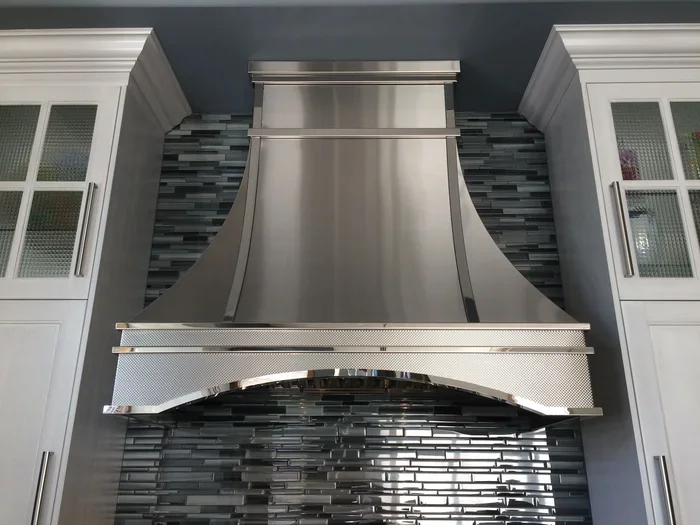
Wall-mounted hoods attach directly to the wall above the cooktop and extend outward like a canopy. They are a classic choice for traditional and rustic kitchen styles. These hoods often feature wider coverage areas and powerful exhaust fan systems that handle heavy cooking with ease.
Wall-mounted models come in a variety of materials, including stainless steel, copper, and brass. They tend to be more prominent visually, which can be a plus or a drawback depending on your taste. These range hoods are excellent for kitchens with high ceilings and provide strong smoke extraction capabilities.
How to Choose the Perfect Oven Hood
With so many options on the market, choosing the right oven hood can feel like a daunting task. However, focusing on a few key factors will simplify the process significantly. Here is what you need to consider before making a purchase.
CFM Rating and Ventilation Power
The CFM rating is the single most important specification when choosing an oven hood. It tells you how much air the hood can move per minute. As a general rule, you want at least 100 CFM for every linear foot of cooktop. For example, a 30-inch gas cooktop benefits from a hood rated at 400 CFM or higher. Electric cooktops and occasional cooks can get by with lower ratings.
For serious cooks who use woks, high-BTU burners, or do a lot of stir-frying, a CFM rating of 600 or more is ideal. Keep in mind that higher CFM often means higher noise levels, so look for models that balance power with quiet operation. The blower motor quality also matters, as a well-engineered motor maintains strong airflow even at lower speeds.
Size and Fit
Your oven hood should be at least as wide as your cooktop, and ideally three to six inches wider on each side. A properly sized hood captures more grease and smoke before it spreads into the kitchen. Measure your cooktop carefully before shopping, and check the installation requirements for each model.
For island hoods, the width should extend beyond the cooktop edges for effective coverage. Under-cabinet hoods need adequate cabinet space and proper mounting height, typically 24 to 30 inches above the cooktop. Getting the size right ensures optimal kitchen ventilation and prevents smoke from drifting to other areas of the home.
Noise Level
Nobody wants a loud, disruptive exhaust fan rattling through their kitchen while they try to cook and talk. The noise level of an oven hood is measured in sones, with lower numbers indicating quieter operation. A hood rated at 3 to 5 sones is considered quiet, while anything above 6 sones may feel intrusive.
Many modern oven hoods feature multiple fan speeds, allowing you to adjust the noise level based on what you are cooking. Some premium models include auto-detect technology that adjusts the fan speed based on smoke and steam levels. This is a game-changer for those who want powerful ventilation without the constant hum.
| Hood Type | Typical CFM Range | Noise Level (Sones) | Best For |
|---|---|---|---|
| Under-Cabinet | 200 – 600 | 3 – 6 | Standard wall-mounted kitchens |
| Island | 400 – 1000+ | 4 – 7 | Island and peninsula cooktops |
| Downdraft | 150 – 400 | 3 – 5 | Minimalist and open layouts |
| Wall-Mounted | 300 – 900 | 4 – 8 | Traditional and high-ceiling kitchens |
Top Features That Make a Difference
The best oven hoods are not just about power and size. The features they offer can make a huge difference in daily usability and overall satisfaction. Here are the features worth paying attention to.
Filter Types
Grease filters trap airborne grease particles before they reach the blower motor or exit the hood. Most are made of aluminum or stainless steel and are dishwasher-safe, making cleanup easy. Charcoal filters are used in ductless, recirculating models to absorb odors and fumes before the air is returned to the kitchen. These filters need regular replacement, typically every three to six months depending on usage.
Some premium oven hoods feature self-cleaning grease filters or easy-release mechanisms that simplify maintenance. When choosing a hood, check how accessible the filters are and how often they need replacement. This directly impacts the long-term performance and cleanliness of your kitchen ventilation system.
Built-In Lighting
Good lighting under the hood makes a noticeable difference in the kitchen. Most modern oven hoods include built-in lighting using LED bulbs, which are energy-efficient and long-lasting. The light illuminates the cooktop, helping you monitor food more effectively and preventing accidents like overcooking or spills.
Look for hoods with adjustable brightness settings so you can set the mood for cooking or dining. Some models offer warm-toned lighting that adds a cozy feel to the kitchen. This is a small feature that makes a big impact on the overall cooking experience.
Smart Controls and Connectivity
Modern range hoods are getting smarter. Many now feature touch controls, remote operation, and even smartphone connectivity. Some models automatically detect smoke and steam levels and adjust fan speed accordingly. Others integrate with smart home systems like Alexa or Google Home, allowing you to control the hood with voice commands.
These smart features add convenience but also come at a higher price point. If you value automation and hands-free control, investing in a smart oven hood is worth considering. Just make sure the smart features are intuitive and reliable, as a complicated interface can be more frustrating than helpful.
Expert Insight
Ventilation experts recommend choosing a ducted oven hood whenever possible. While ductless hoods are convenient and easier to install, ducted models remove grease, moisture, and odors entirely from the home rather than recirculating them. This results in significantly better air quality and less buildup over time. If your kitchen layout allows for external venting, always go with a ducted system for the best long-term performance.
Installation Tips and Costs
Installing an oven hood is a project that requires some planning and preparation. The installation cost varies widely depending on the type of hood, the complexity of the ductwork, and whether you hire a professional or take a DIY approach. Understanding what goes into the process helps you budget appropriately and avoid surprises.
Ducted vs. Ductless Installation
Ducted hoods require a vent path from the hood to the exterior of the home. This typically means routing ductwork through cabinets, walls, or the ceiling. The installation cost for a ducted system is higher, especially if existing ductwork is not in place. However, the ventilation performance is far superior, as all smoke, grease, and odors are expelled outside.
Ductless hoods, also called recirculating hoods, filter the air through grease and charcoal filters and push it back into the kitchen. Installation is simpler and less expensive because no external venting is required. These are ideal for apartments, condos, or kitchens where external venting is not feasible. Just remember that you will need to replace charcoal filters periodically, which adds to the ongoing cost.
DIY vs. Professional Installation
Some homeowners with basic carpentry and electrical skills can install an under-cabinet oven hood themselves. This saves on labor costs and can be a satisfying weekend project. However, ducted installations that require cutting through walls or ceilings are best left to professionals. Improper installation can lead to air leaks, reduced ventilation efficiency, and even safety hazards.
Always check the manufacturer’s installation guidelines before starting any project. Some hoods come with detailed instructions and mounting hardware, while others require additional accessories. When in doubt, hiring a licensed professional ensures the job is done safely and correctly, protecting both your kitchen and your warranty.
Common Mistakes to Avoid
One of the most common mistakes is choosing a hood with insufficient CFM for the cooktop size. A weak exhaust fan will not capture smoke and grease effectively, leaving your kitchen dirty and smelly. Another mistake is ignoring the noise level. A powerful hood that sounds like a jet engine will quickly become annoying to use daily.
People also often forget to account for the height of the hood above the cooktop. Mounting it too high reduces its effectiveness, while mounting it too low can create a safety hazard and obstruct your view of the cooking surface. Always follow the manufacturer’s recommended mounting height for optimal smoke extraction and safety.
Quick Tips for Better Performance
- Turn on your oven hood before you start cooking to capture smoke from the start.
- Clean grease filters every two to four weeks for consistent airflow.
- Replace charcoal filters in ductless models every three to six months.
- Run the hood for a few minutes after cooking to clear residual smoke and steam.
- Keep the exterior of the hood clean with a gentle degreaser to maintain its appearance.
- Ensure the ductwork is as short and straight as possible to maximize airflow.
Maintenance and Care for Long-Lasting Performance
A range hood is a long-term investment, and proper maintenance keeps it performing at its best for years. Regular cleaning prevents grease buildup that can reduce airflow, create unpleasant odors, and even become a fire hazard. The good news is that maintaining most oven hoods is quick and straightforward.
Start by checking the grease filters regularly. Most stainless steel hoods have filters that can be removed and washed in the dishwasher. For hand-washable filters, use warm soapy water and a soft brush to remove stubborn grease. Let the filters dry completely before reinstalling them. This simple habit goes a long way toward keeping your oven hoods running smoothly.
The exterior of the hood should be wiped down regularly with a mild cleaner or degreaser. Avoid abrasive cleaners on stainless steel surfaces, as they can scratch the finish. For stubborn grease stains, a paste of baking soda and water works wonders. Keeping the exterior clean not only looks better but also prevents grease from entering the internal components.
If your hood has a blower motor, listen for any unusual sounds that might indicate wear or debris. Some models have removable fan assemblies that can be cleaned or replaced easily. Check the manufacturer’s maintenance guide for specific instructions. Replacing worn parts promptly prevents more expensive repairs down the road and keeps your kitchen ventilation system operating efficiently.
When to Replace Your Oven Hood
Even with excellent care, oven hoods do not last forever. Signs that it is time for a replacement include reduced airflow, persistent odors even after filter replacement, excessive noise, and visible damage to the housing or motor. Most quality oven hoods last between 10 and 15 years with proper maintenance, but heavy daily use can shorten that lifespan.
If you are noticing performance issues, it may be more cost-effective to invest in a new model than to keep repairing an older one. Modern oven hoods are significantly more energy-efficient and quieter than older models, offering better performance with lower operating costs. Upgrading is a smart move that benefits both your kitchen and your home.
Conclusion
Oven hoods are far more than a kitchen accessory. They are a vital component of any functional, comfortable cooking space. From improving air quality and removing grease to protecting your cabinets and enhancing your kitchen design, the benefits are clear and substantial. Whether you are building a new kitchen or upgrading an existing one, choosing the right oven hood is one of the best decisions you can make.
Take the time to consider your cooking habits, kitchen layout, and ventilation needs. Choose a type that fits your space, a CFM rating that matches your cooktop, and features that add real value to your daily routine. With the right oven hoods in place, every meal becomes more enjoyable, and your kitchen stays cleaner, fresher, and more welcoming. Invest in quality ventilation today, and your kitchen will thank you for years to come.
Frequently Asked Questions
What is the difference between a ducted and a ductless oven hood?
A ducted oven hood expels smoke, grease, and odors outside the home through a duct system, providing superior ventilation. A ductless hood recirculates the air through grease and charcoal filters, releasing cleaned air back into the kitchen. Ducted models generally offer better performance, but ductless hoods are easier to install and work well in spaces where external venting is not possible.
How do I know what CFM rating I need for my oven hood?
A good rule of thumb is 100 CFM for every linear foot of cooktop. For a standard 30-inch gas cooktop, aim for at least 400 CFM. If you cook frequently or use high-heat methods like wok cooking, consider a higher rating of 600 CFM or more. The right CFM rating ensures effective smoke extraction without overworking the blower motor.
Can I install an oven hood myself, or should I hire a professional?
Under-cabinet hoods with existing access to ductwork can often be installed by a handy homeowner. However, ducted installations that require cutting through walls or ceilings are best handled by a professional. Improper installation can lead to air leaks, reduced efficiency, and safety issues. Always check the manufacturer’s guidelines and consider hiring a licensed installer for complex setups.
How often should I clean the grease filter on my oven hood?
Grease filters should be cleaned every two to four weeks depending on how often you cook. Heavy cooks or those who fry frequently may need to clean them more often. Most stainless steel filters are dishwasher-safe, making the process quick and easy. Regular cleaning maintains airflow and prevents grease buildup that can reduce performance.
Are smart oven hoods worth the extra cost?
Smart oven hoods offer features like auto-detect fan speed, remote operation, and voice control that add real convenience to daily cooking. If you value automation and hands-free control, they are worth the investment. However, if you prefer simplicity, a well-built traditional model with adjustable fan speeds and good lighting can serve you just as well without the added cost.
What is the average lifespan of an oven hood?
Most quality oven hoods last between 10 and 15 years with proper maintenance. The blower motor and grease filter are the most common wear points. Regular cleaning and timely replacement of filters and parts can extend the life of your hood significantly. If you notice declining performance or excessive noise, it may be time to consider a replacement.