Why Is My Oven Taking Forever To Heat Up And Stay Cold
Your oven shouldn’t take ages to warm up. If you’re wondering why is my oven taking forever to heat up, the answer usually lies in a few common culprits. From a dirty heating element to a faulty thermostat, this guide walks you through the reasons and fixes that will get your oven back to baking temperature quickly.
Is your oven taking forever to heat up? You’re not alone. Many homeowners face a slow heating oven that ruins dinner plans and tests their patience. Why is my oven taking forever to heat up? The answer usually isn’t complicated, but it does require a bit of troubleshooting.
A slow heating oven can turn a simple weeknight roast into an all-day project. Whether you have a gas or electric model, the culprits are often similar. In this guide, we’ll explore the top reasons your oven stays cold and how to fix them.
By the end, you’ll know exactly what to check, what to fix yourself, and when to call for professional help. Let’s get your kitchen back up to temperature.
Key Takeaways
- Dirty or damaged heating elements are the #1 reason for a slow heating oven.
- A malfunctioning thermostat or temperature sensor can cause your oven to stay cold even when set to high.
- A worn-out door seal lets heat escape, making preheating painfully slow.
- Simple DIY fixes like cleaning and part replacement can save you hundreds in oven repair costs.
- Always use an oven thermometer to verify actual temperature before replacing parts.
- Know when to call a professional—some electrical issues are not safe for DIY.
- Regular maintenance keeps your oven heating efficiently for years.
📑 Table of Contents
Why Is My Oven Taking Forever To Heat Up? Common Causes
Before you start tearing into your appliance, it helps to understand the basic parts that make your oven warm. Most ovens use one or more heating elements, a thermostat, and a temperature sensor to control heat. When any of these fail, you get a slow preheat or an oven that never reaches the right baking temperature.
The Heating Element: Your Oven’s Heart
The bake element sits at the bottom of the oven. The broil element sits at the top. Together they radiate heat. If one of them is damaged, your oven will struggle to heat up. A faulty heating element might glow red in spots, have visible cracks, or stay completely dark when the oven is on.
Electric ovens rely on these coils to convert electricity into heat. Gas ovens use a burner below, but many also have an electric broil element. In both cases, a damaged element means reduced heat output. This is the most common reason for a slow heating oven.
Quick Tip: Before you replace any part, visually inspect the element. Look for blistering, holes, or areas that don’t glow orange when the oven is set to broil. A broken heating coil is often an easy swap.
Thermostat and Temperature Sensor Issues
The thermostat controls the oven’s temperature by cycling the heat on and off. The temperature sensor (a metal probe inside the oven cavity) tells the thermostat what the current temperature is. If either part is out of calibration, your oven might underheat or take forever to reach the target.
A malfunctioning thermostat can cause the oven to run cold. You might set it to 350°F, but it only reaches 300°F. Conversely, a broken temperature sensor can send wrong readings to the control board, causing the oven to shut off heat too early.
Common Mistake: Many people assume the dial or digital display is accurate. Always verify with a standalone oven thermometer. A cheap probe thermometer can reveal a lot about oven calibration problems.
Door Seal and Heat Loss
Your oven door has a rubber or magnetic gasket that seals in heat. Over time, this seal can crack, peel, or become loose. A worn door gasket lets warm air escape and cold air seep in. The result is a long preheat time and uneven cooking.
Check the seal around the entire door. Run your hand along it while the oven is warm. If you feel heat leaking out, the gasket needs replacement. This is a simple fix that many people overlook when troubleshooting a cold oven.
How to Diagnose a Slow-Heating Oven
You don’t need to be an appliance repair expert to find the root cause. A few simple tests can pinpoint the problem.
The Oven Thermometer Test
Place an oven-safe thermometer on the middle rack. Set your oven to 350°F and close the door. Wait at least 20 minutes. Check the thermometer reading.
If the thermometer shows 300°F or lower, your oven is running cold. If it takes more than 20 minutes to reach 350°F, you have a slow preheat issue. Note the time and temperature. This data helps you decide the next step.
Expert Insight: Many modern ovens have a hidden calibration offset. A difference of 10-15°F is normal. But a gap of 25°F or more means something is wrong. The thermometer test is your first line of defense against a slow heating oven.
Visual Inspection Checklist
Grab a flashlight and look inside your oven. Follow this checklist:
- Heating elements: Are they intact, or do you see cracks and gaps?
- Burner ports: On gas ovens, are the ports clogged with food debris?
- Door seal: Is it flat and snug, or lifted and brittle?
- Interior lights: Do they turn on when the door opens? A burnt-out light can make you think the oven isn’t heating.
- Control board: Look for error codes or flickering displays.
This quick visual check often reveals the answer to why is my oven taking forever to heat up.
Step-by-Step Fixes You Can Do at Home
Many causes of a cold oven are easy to fix with basic tools. Here are the most common repairs.
Cleaning the Heating Elements
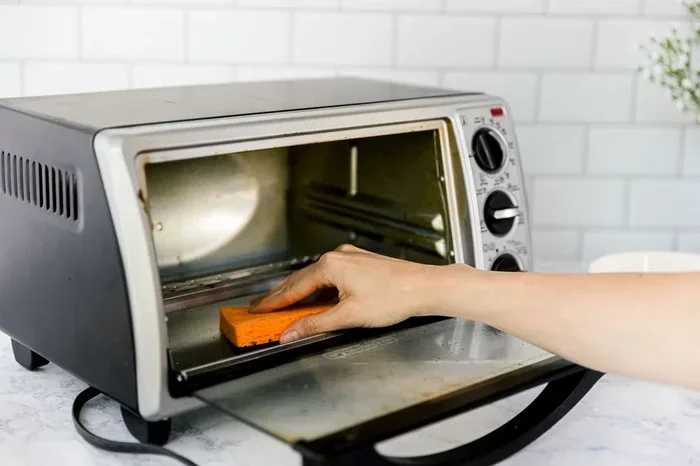
Food spills and grease can coat the heating element, acting as an insulator. This reduces heat output and slows preheating. A dirty element might look fine but simply not radiate heat efficiently.
Turn off the oven and let it cool completely. Use a damp cloth and a mild degreaser to wipe the element. Never use abrasive pads. For baked-on grime, a paste of baking soda and water works well. Rinse with a clean damp cloth and dry thoroughly before turning the oven back on.
Quick Tip: Clean your oven elements every few months. This simple habit keeps your oven heating fast and prevents oven repair calls later.
Replacing a Faulty Heating Element
If the element is cracked or doesn’t glow, replacement is straightforward. Unplug the oven or turn off the circuit breaker. Remove the screws holding the element bracket. Pull the element forward carefully. Note the model number and buy an exact replacement.
Reverse the steps to install the new part. Plug the oven back in and test. Most bake elements cost under $30 and take about 15 minutes to swap. This fix alone often solves the slow heating oven problem.
Fixing the Door Seal
A damaged door gasket lets heat escape. You can replace it yourself with a few screws and a new gasket kit. Remove the old gasket by pulling it out of the channel. Clean the channel thoroughly. Press the new gasket into place, making sure it’s even all the way around.
Common Mistake: Using the wrong size gasket. Measure the door opening carefully before ordering. A loose seal will always cause a slow preheat.
When to Replace the Thermostat or Sensor
If the oven thermometer test shows a large gap, and the elements and seal are fine, the thermostat or sensor is likely the issue. These parts are more involved to replace. The temperature sensor is usually held by a screw at the back of the oven cavity. The thermostat is often behind the control panel.
For most homeowners, replacing the temperature sensor is a manageable DIY project. Replacing the thermostat may require more wiring knowledge. If you’re uncomfortable, call a professional.
| Cause | DIY Fix? | Cost (Parts Only) | When to Call a Pro |
|---|---|---|---|
| Dirty heating element | Yes – wipe with degreaser | $0 | Never |
| Broken heating element | Yes – swap the part | $20 – $50 | If wiring is damaged |
| Worn door gasket | Yes – replace gasket kit | $15 – $30 | Never |
| Faulty temperature sensor | Yes – replace probe | $20 – $40 | If you can’t access the back |
| Malfunctioning thermostat | Maybe – requires wiring | $30 – $75 | If you lack electrical experience |
| Control board failure | No | $100 – $300 | Always |
This table helps you decide whether a repair is worth your time. Many homeowners find that replacing a heating element or door seal solves the slow heating oven issue in under an hour.
When to Call a Professional for Oven Repair
Some problems are beyond a simple DIY fix. If you smell gas, see sparks, or notice the oven trips the breaker, stop immediately. These are safety hazards. A qualified technician can diagnose electrical issues, control board failures, and gas valve problems safely.
Also call a pro if you’ve replaced the heating element, thermostat, and sensor, but the oven still runs cold. The issue might be deeper—like a thermal fuse that has blown or a wiring fault. Professional oven repair ensures the job is done right and safely.
Quick Tip: Before calling a repair service, gather your oven model number and serial number. This speeds up the diagnosis and helps you get the right parts quickly.
Preventive Maintenance Tips for a Fast-Heating Oven
A little upkeep goes a long way. Regular maintenance keeps your oven heating efficiently and extends its lifespan.
Regular Cleaning Habits
Wipe up spills as soon as the oven cools. Food debris on the bottom can block burner ports in gas ovens or coat heating elements in electric models. A monthly wipe-down with a gentle cleaner prevents buildup that causes slow preheat issues.
For a deeper clean, remove the oven racks and soak them in warm soapy water. Clean the oven interior with a baking soda paste. Avoid commercial cleaners that can leave residue on heating elements.
Seasonal Check-ups
Twice a year, give your oven a quick check. Inspect the door seal for cracks. Test the oven thermometer against a known accurate probe. Check that the heating elements glow evenly. These small habits catch problems early, before they turn into a cold oven that ruins your meals.
Expert Insight: Many people don’t realize that oven efficiency drops over time. A well-maintained oven preheats 20-30% faster than a neglected one. Simple care makes a real difference in energy efficiency and cooking results.
Conclusion
A slow heating oven is frustrating, but the cause is almost always fixable. Whether it’s a dirty element, a broken seal, or a misaligned thermostat, the solutions are within reach. You now know how to diagnose the problem, perform basic repairs, and recognize when to call for help.
Why is my oven taking forever to heat up? Now you have the answers. Start with the simplest checks—clean the elements, verify the seal, test with a thermometer. Most of the time, these steps restore your oven to full speed. If not, the right replacement part is often affordable and easy to install.
Don’t let a cold oven slow down your cooking. Take action today, and enjoy perfectly heated meals every time. Your kitchen—and your dinner guests—will thank you.
Frequently Asked Questions
Can a dirty oven cause slow heating?
Yes. Grease and food residue on the heating element act as insulation, reducing heat output. A simple cleaning often restores normal preheat times.
How do I know if my oven thermostat is bad?
Use an oven thermometer. If the oven runs more than 25°F below the set temperature, the thermostat may be faulty. A professional can test it with a multimeter.
Is it safe to replace the heating element myself?
Yes, as long as you turn off the power at the breaker first. Most bake elements plug in or are held by a few screws. Just match the model number exactly.
Why does my oven take so long to preheat?
Common reasons include a weak heating element, a worn door seal, or a failing temperature sensor. A slow preheat often points to a slow heating oven that needs maintenance.
How much does oven repair cost?
DIY part replacements usually cost $20 to $50 for the part alone. Professional repairs range from $100 to $300 depending on the issue. Replacing a heating element is the most affordable fix.
Can a gas oven take forever to heat up?
Yes. Gas ovens can have clogged burner ports, a weak igniter, or a faulty safety valve. These issues reduce flame size and delay heating. A technician can clean or replace the igniter quickly.