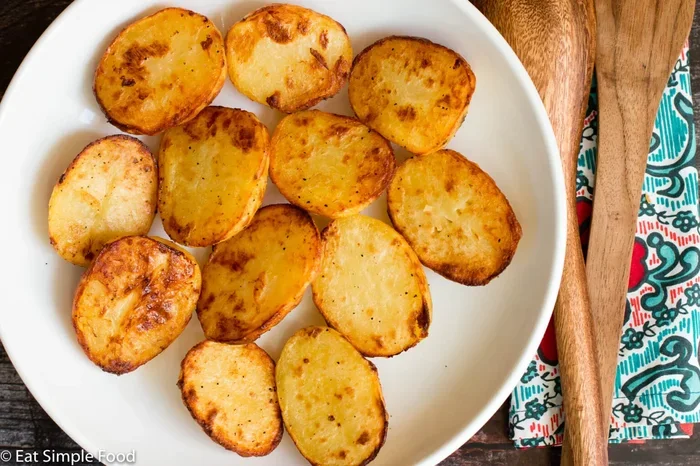
How Long Do You Cook Yellow Potatoes In The Oven Made Simple
The how long do you cook yellow potatoes in the oven question has a clear answer: typically 45 to 60 minutes at 425°F. Yellow potato oven time depends on size, whether you use foil, and your desired crispiness. This guide covers oven temperature for yellow potatoes, step-by-step baking instructions, and pro tips for crispy potato skins every time.
The how long do you cook yellow potatoes in the oven question comes up all the time in kitchens everywhere. Yellow potatoes are a staple food loved for their creamy texture and mild flavor. Whether you are meal prepping or cooking for a family dinner, nailing the yellow potato oven time makes all the difference. In this guide, you will learn everything you need to know about baking yellow potatoes to golden perfection. You will also discover the best temperatures, seasoning ideas, and mistakes to avoid.
Many home cooks overcook or undercook their potatoes because they guess at the time and temperature. This article removes the guesswork completely. You will get clear, actionable steps that work every single time. Let us dive into the world of oven-baked yellow potatoes and turn you into a pro.
Key Takeaways
- Standard Oven Time: Most yellow potatoes bake in 45 to 60 minutes at 425°F, but size matters a lot.
- Temperature is Key: 425°F is the sweet spot for crispy skins and fluffy interiors.
- Foil vs. No Foil: Skipping foil gives crispier results, while foil speeds up cooking slightly.
- Check Doneness: A fork should slide in easily, and the internal temp should reach 210°F.
- Seasoning Matters: Olive oil, salt, and garlic transform plain potatoes into a crowd favorite.
- Avoid Common Mistakes: Skipping the soak, cutting uneven pieces, and overcrowding the pan cause problems.
- Rest Before Serving: Let potatoes sit for 5 minutes after baking for the best texture.
📑 Table of Contents
- The Short Answer: How Long Do You Cook Yellow Potatoes In The Oven
- Best Oven Temperature for Yellow Potatoes
- Step-by-Step Guide to Perfect Yellow Potatoes
- Tips for Getting Crispy Golden Potato Skins
- How to Know When Yellow Potatoes Are Done
- Common Mistakes to Avoid When Baking Yellow Potatoes
- Expert Insights and Quick Fixes
- Conclusion
The Short Answer: How Long Do You Cook Yellow Potatoes In The Oven
The yellow potatoes oven time generally falls between 45 and 60 minutes. The exact potato cooking time depends on a few key factors. The size of your potatoes plays the biggest role. A large potato takes longer than a small one. Whether you use foil also changes the timeline. And your oven’s actual temperature can vary from what the dial says.
For most yellow Yukon gold potatoes, plan on 50 minutes at 425°F. This gives you a fluffy inside and a lightly crispy outside. If you prefer super crispy roasted potatoes, you might extend the time by 10 to 15 minutes. The table below breaks down the differences clearly.
Quick Time Guide for Yellow Potatoes
- Small potatoes (2-3 inches): 35 to 40 minutes
- Medium potatoes (3-4 inches): 45 to 55 minutes
- Large potatoes (4+ inches): 55 to 65 minutes
- With foil: Add 5 to 10 minutes to any size
- At 400°F: Add 10 to 15 minutes to the above times
- At 425°F (recommended): Use the base times listed
- At 450°F: Reduce time by 5 to 10 minutes
Foil vs. No Foil: Which Method Wins
The foil vs no foil potatoes debate is real. Some people swear by wrapping potatoes in aluminum foil. Others say it steams the skin and makes it soggy. Here is what actually happens with each method.
When you wrap potatoes in foil, the moisture stays trapped. This cooks the potato faster and more evenly. However, the skin becomes soft and pale. If you love soft skins, foil works great. But if you want crispy potato skins, skip the foil entirely.
Baking without foil lets the hot air circulate freely around the potato. This dries out the surface and creates that satisfying crunch. The tradeoff is a slightly longer cooking time. Most oven-baked potato recipes recommend no foil for the best texture.
| Method | Cooking Time (Medium) | Skin Texture | Best For |
|---|---|---|---|
| With Foil | 40 to 50 minutes | Soft, pale | Faster cooking, mashed potatoes |
| Without Foil | 45 to 60 minutes | Golden, crispy | Roasted potatoes, crispy skins |
Best Oven Temperature for Yellow Potatoes
Why Temperature Matters So Much
The potato temperature you choose changes everything about the final result. Too low and the potato takes forever and turns mushy. Too high and the outside burns before the inside cooks through. The ideal potato oven recipe temperature is 425°F for most yellow potatoes.
At 425°F, the starch inside the potato gelatinizes properly. This creates that fluffy, creamy texture we all love. The surface temperature gets hot enough to caramelize the natural sugars. This is what gives golden potatoes their beautiful color and rich flavor. Going lower than 400°F slows down this caramelization process significantly.
Temperature Variations and When to Use Them
Different temperatures serve different purposes. Here is when you might adjust the heat:
- 400°F: Great for larger batches. Slightly longer cook time but very even results.
- 425°F: The sweet spot for most yellow potatoes. Balanced crispiness and fluffiness.
- 450°F: Best for small potato wedges and crispy potatoes. Watch them closely.
- 375°F: Use only if cooking stuffed potatoes. Slower cook keeps the filling warm.
Always preheat your oven before putting the potatoes in. A cold oven throws off the entire cooking time potatoes need. Give your oven at least 15 to 20 minutes to reach the target temperature. This small step makes a big difference in the final product.
Step-by-Step Guide to Perfect Yellow Potatoes
Preparing Your Potatoes the Right Way
Start with clean, dry yellow potatoes. Scrub them under cold water to remove any dirt. Pat them completely dry with a clean towel. Moisture on the surface creates steam, which prevents crispy skin. This is one of the most overlooked potato cooking tips out there.
Next, decide whether to peel or keep the skin on. Most baked potato recipes keep the skin because it adds texture and nutrients. The skin also helps the potato hold its shape during baking. If you do keep the skin, poke several holes with a fork. This lets steam escape and prevents explosions in your oven.
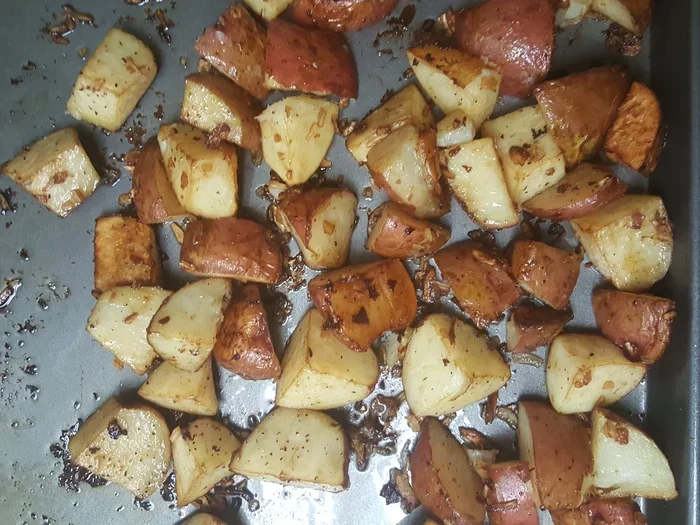
For potato wedges, cut the potato in half lengthwise, then slice each half into 3 to 4 pieces. Make sure the pieces are roughly the same thickness. Uneven cuts mean some pieces burn while others stay raw. Uniformity is the secret to even roasted potatoes.
Seasoning and Baking Like a Pro
Toss your potato pieces with olive oil first. Use about one tablespoon per pound of potatoes. Then add salt, pepper, and any other seasonings you enjoy. Seasoning potatoes with garlic powder, paprika, or fresh rosemary takes them to the next level.
Spread the potatoes in a single layer on a parchment-lined baking sheet. Do not crowd them. Overcrowding creates steam and leads to soggy results. Leave space between each piece so hot air flows freely.
Place the baking sheet on the middle oven rack. This position allows for the most even heat distribution. Set your timer and resist the urge to open the oven door too often. Every time you open the door, the temperature drops and cooking time increases.
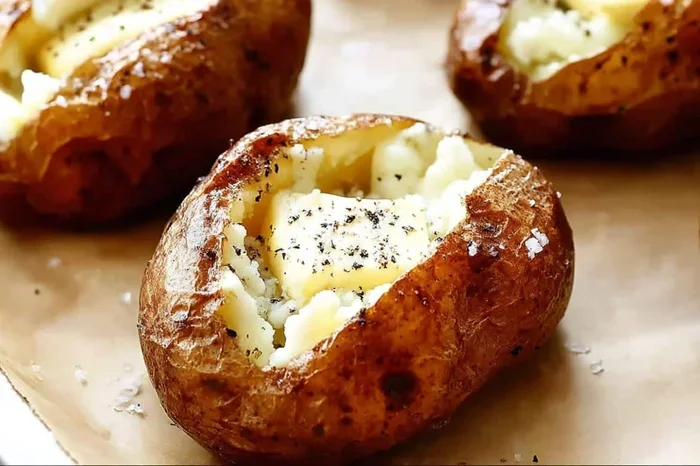
For whole potatoes, place them directly on the oven rack or on the baking sheet. Whole potatoes take longer but result in a creamier interior. Many people love Yukon gold potatoes baked whole because the yellow flesh stays naturally buttery.
Tips for Getting Crispy Golden Potato Skins
The No-Foil Method Explained
If crispy potato skins are your goal, skip the foil. Place your prepared potatoes directly on a parchment-lined sheet pan. The direct contact with hot air dries the surface and creates that satisfying crunch. This method works beautifully for both whole potatoes and wedges.
Another trick is to soak cut potatoes in cold water for 30 minutes before baking. This removes excess surface starch, which is the main culprit behind soggy skin. After soaking, dry the potatoes thoroughly with a clean towel before seasoning and baking.
Quick Tips for Maximum Crispiness
- Use a wire rack: Elevating potatoes on a rack allows air to circulate underneath.
- Space them out: Give each piece at least one inch of space on the pan.
- Flip halfway: Turn the potatoes at the 30-minute mark for even browning.
- Brush with oil: A light coating of oil on the skin promotes crispiness.
- Salt early: Salt draws out moisture, which then evaporates and creates crunch.
- Let them rest: A 5-minute rest after baking firms up the skin.
These simple potato oven recipe adjustments transform ordinary potatoes into something extraordinary. You do not need any fancy equipment. Just a basic oven and a little patience.
How to Know When Yellow Potatoes Are Done
Visual and Tactile Cues
The easiest way to check is to squeeze the potato gently with an oven mitt. A done potato yields slightly under light pressure. If it feels hard and firm in the center, it needs more time. The skin should look wrinkled and golden brown.
For oven roasted vegetables like potatoes, the color tells a lot of the story. You want a deep golden hue, not pale yellow and not dark brown. The edges should look slightly caramelized and crisp. If the potato looks shiny and wet on top, it probably needs a few more minutes.
Internal Temperature Check
The most accurate way to know if your baking potatoes are done is with a food thermometer. Insert it into the thickest part of the potato. The potato internal temperature should read 210°F. This is the point where the starch is fully gelatinized and the texture is perfectly fluffy.
If you do not have a thermometer, use the fork test. Push a fork into the center of the potato. It should slide in with no resistance. If the fork meets firm resistance, the potato needs more time. This is especially important for whole large potatoes where the center can stay hard even when the edges feel done.
Common Mistakes to Avoid When Baking Yellow Potatoes
Even experienced cooks make mistakes when baking potatoes. Here are the most common ones and how to fix them.
- Skipping the dry step: Wet potatoes steam instead of roast. Always dry them thoroughly after washing.
- Using the wrong pan: Dark baking sheets can burn the bottoms. Use a light-colored sheet or line it with parchment.
- Not seasoning enough: Potatoes need generous salt. Underseasoned potatoes taste bland no matter how perfectly they are baked.
- Cutting pieces too small: Small pieces dry out and burn before the inside cooks. Keep wedges at least one inch thick.
- Overcrowding the pan: This traps steam and prevents crispy skin. Use two pans if you need more space.
- Opening the oven too often: Temperature drops every time you open the door. Trust your timer and check only at the end.
- Ignoring potato size: Mixing large and small potatoes on the same pan guarantees uneven cooking.
Avoiding these potato cooking tips pitfalls will elevate your results immediately. Most of these mistakes are easy to fix with a little awareness.
Expert Insights and Quick Fixes
How Chefs Get Perfect Results Every Time
Professional chefs share a few secrets that make a noticeable difference. First, they always bring potatoes to room temperature before baking. Cold potatoes straight from the fridge cook unevenly. Take them out 15 to 20 minutes before they go in the oven.
Second, many chefs rub the potato skin with a thin layer of oil and coarse salt before baking. This creates a natural barrier that crisps up beautifully. For whole potatoes, some even wrap them in salt instead of foil. The salt crust insulates the potato and creates an incredibly crispy, flavorful skin.
Third, chefs know that resting matters. Pull the potatoes out and let them sit for 5 minutes before cutting or serving. This allows the internal moisture to redistribute. The result is a creamier, more consistent texture from edge to center.
Quick Fixes for Common Problems
- Potato is raw inside: Return it to the oven for 10 more minutes. Cover loosely with foil to prevent burning on the outside.
- Potato is burnt on the outside: Next time, lower the temperature by 25°F and extend the time.
- Potato is soggy: You likely overcrowded the pan or skipped the dry step. Spread them out and dry them better next time.
- Potato is too hard: It may be undercooked. Add a splash of water to the pan, cover with foil, and continue baking.
These fixes save the day when things do not go as planned. Even imperfect baked potato recipes can be rescued with a little know-how.
Conclusion
Knowing how long do you cook yellow potatoes in the oven is the foundation of great potato baking. The yellow potato oven time of 45 to 60 minutes at 425°F works for most situations. Size, foil usage, and personal preference all play a role in the final result.
Remember to dry your potatoes well, season generously, and give them space on the pan. Check for doneness with a fork or thermometer at 210°F. Avoid the common mistakes that lead to soggy or burnt results. With these potato cooking tips, you will bake golden potatoes that rival any restaurant quality.
The beauty of oven-baked potatoes is how simple they are. Few ingredients, minimal effort, and maximum flavor. Once you master the basics covered in this guide, you can experiment with different seasonings and serving styles. Try them with butter and sour cream, or slice them into crispy roasted potatoes for a side dish. Whatever you choose, your how long do you cook yellow potatoes in the oven journey starts now. Get in the kitchen and bake something delicious today.
Frequently Asked Questions
Can you bake yellow potatoes at 350°F?
Yes, you can, but it takes longer. At 350°F, expect to bake medium yellow potatoes for 60 to 75 minutes. The lower temperature produces less crispy skin but a very soft, fluffy interior. This method works well for stuffed potatoes where you want the skin to stay tender.
Do yellow potatoes take longer to bake than russet potatoes?
Not necessarily. The baking time depends more on size than potato variety. However, yellow potatoes have a higher moisture content than russets, which can slightly affect texture. Yukon gold potatoes tend to have a creamier interior when baked compared to the drier, fluffier texture of russets.
Is it better to wrap potatoes in foil or bake them uncovered?
For crispy skin, bake them uncovered without foil. Foil traps steam and softens the skin. If you want faster cooking and softer skins, foil works well. Most home cooks prefer the no-foil method for crispy potato skins and better overall flavor.
Can you overcook yellow potatoes in the oven?
Yes, overcooking is possible. Potatoes that bake too long become dry and mealy on the inside. The skin can also become overly thick and tough. Stick to the recommended yellow potato oven time and check for doneness starting at 45 minutes to avoid overcooking.
What is the best seasoning for baked yellow potatoes?
Simple seasoning works best for most people. Olive oil, kosher salt, black pepper, and garlic powder create a classic flavor profile. For something more adventurous, try smoked paprika, fresh rosemary, or grated parmesan cheese. The mild, buttery flavor of yellow potatoes pairs well with almost any seasoning.
How do you store leftover baked yellow potatoes?
Let them cool completely, then store in an airtight container in the refrigerator. They keep for up to 4 days. Reheat in the oven at 350°F for 10 to 15 minutes to restore the crispy skin. Avoid microwaving, which makes the skin soft and rubbery. Reheated oven-baked potatoes are still delicious in soups, stews, or as a quick side dish.