How Long To Cook Uncooked Ham In The Oven Properly
Learning how long to cook uncooked ham in the oven is simple with the right guide. This article covers exact cooking times, temperatures, and step-by-step instructions for a juicy, flavorful ham. Whether you’re preparing a bone-in or boneless ham, you’ll find all the tips you need to serve a perfect main course.
If you’re wondering how long to cook uncooked ham in the oven, you’ve come to the right place. Cooking a whole ham can feel intimidating, but the process is simpler than most people think. The key is knowing the right time, temperature, and a few helpful tricks. This guide walks you through everything step by step. You’ll learn how to get a perfectly cooked ham that’s juicy and full of flavor.
Whether you’re hosting a holiday dinner or preparing a weeknight meal, the oven-baked ham is a classic centerpiece. The cooking time depends on the ham’s weight and type. Bone-in hams take longer than boneless ones. A spiral ham is pre-sliced but still needs careful heating. We’ll break down all the details so you can plan your cooking with confidence.
Many home cooks worry about drying out their ham. That’s a valid concern. But with the right oven temperature and a little patience, you’ll avoid that problem entirely. We’ll cover everything from preparation to serving. By the end, you’ll know exactly how long to cook uncooked ham in the oven and how to get the best results every single time.
Key Takeaways
- Know your ham type: bone-in, boneless, and spiral hams all have different cooking times.
- Stick to 325°F: This low-and-slow temperature ensures juicy, tender results.
- Plan for 15-20 minutes per pound: Use this as a baseline for uncooked ham.
- Use a meat thermometer: The internal temperature must reach 145°F for safety.
- Rest the ham before slicing: Let it sit for 15-20 minutes to lock in juices.
- Glaze in the last 30 minutes: This prevents burning and adds flavor.
- Store leftovers properly: Refrigerate within 2 hours and enjoy for up to 5 days.
📑 Table of Contents
How Long To Cook Uncooked Ham In The Oven: The Basics
The foundation of a great ham is understanding the basics. Not all hams are the same, and neither are their cooking times. The type of ham you buy will dictate your approach. Let’s look at the most common varieties you’ll find at the grocery store.
Understanding Different Ham Types
A bone-in ham comes with the shank or butt bone still attached. It tends to be more flavorful and impressive to serve. The bone adds cooking time because heat penetrates meat more slowly around the bone. A boneless ham is trimmed of the bone and often rolled or formed. It cooks faster and is easier to slice. A spiral ham is a bone-in ham pre-sliced into rounds. It’s convenient but requires gentle heating to keep the slices together.
When you’re learning how long to cook uncooked ham in the oven, your ham type is the first variable. A whole bone-in ham can weigh 10 to 15 pounds. A boneless ham might be 5 to 8 pounds. Spiral hams are usually 7 to 10 pounds. Always check the packaging for weight and any manufacturer instructions.
General Cooking Time Chart
Here’s a simple rule of thumb for cooking time for ham. Plan for about 15 to 20 minutes per pound at 325°F. This is a baseline for most uncooked, raw hams. Bone-in hams often fall on the longer end of that range. Boneless hams may be closer to 15 minutes per pound. Use this chart to estimate your total time.
- Bone-in ham: 18-22 minutes per pound
- Boneless ham: 15-18 minutes per pound
- Spiral ham: 10-12 minutes per pound (just heating through)
Quick Tips: How to Choose the Right Ham
- Look for a ham labeled “uncooked” or “raw.” This means it needs to be fully cooked in the oven.
- Check the weight on the package and write it down. You’ll use this to calculate time.
- Choose a ham with a good fat cap. The fat keeps the meat moist during long cooking.
- If you’re unsure, ask your butcher for a recommendation on the best ham for oven baking.
Common Mistakes: Not Checking the Label
One of the biggest mistakes is assuming all hams need the same cooking time. Some hams are partially cooked or cured. The label will tell you if the ham is “fully cooked” or “cook before eating.” If it says “cook before eating,” you must bring it to a safe internal temperature. If it’s already fully cooked, your goal is just to heat it through. Always read the label before you start.
Oven Temperature and Time for Uncooked Ham
The oven temperature is critical for a perfect ham. We recommend 325°F for all uncooked hams. This moderate heat allows the meat to cook evenly without drying out. Higher temperatures can cause the outside to burn before the inside is done. Lower temperatures are safe but will extend the cooking time significantly.
Recommended Oven Temperatures
325°F is the standard for baking ham. Some recipes call for 350°F, but 325°F is safer for larger cuts. It gives you a wider window and reduces the risk of overcooking. If you’re in a hurry, you can go up to 350°F, but check the internal temperature more often. Never exceed 375°F for a whole ham. That’s too high and will ruin the texture.
Time Per Pound Guidelines
The general guideline is 15 to 20 minutes per pound at 325°F. But this is just a starting point. The actual time depends on your oven’s accuracy, the ham’s shape, and whether it’s covered with foil. We’ll cover the foil tent trick in the preparation section. For now, here’s a more detailed breakdown of how long to cook uncooked ham in the oven based on weight.
| Ham Weight | Approximate Cooking Time | Internal Temp Target | Oven Temp |
|---|---|---|---|
| 5-7 lbs (boneless) | 1.5 – 2 hours | 145°F | 325°F |
| 8-10 lbs (bone-in) | 2.5 – 3.5 hours | 145°F | 325°F |
| 10-15 lbs (bone-in) | 3.5 – 5 hours | 145°F | 325°F |
| 7-10 lbs (spiral) | 1.5 – 2 hours | 140°F | 325°F |
Expert Insights: Why Lower and Slower Works
Professional chefs often prefer a lower temperature for large cuts of pork. The low-and-slow method allows collagen in the meat to break down slowly. This turns tough connective tissue into gelatin, which makes the ham tender and juicy. At 325°F, the heat has time to penetrate deeply without evaporating too much moisture. This is especially important for bone-in hams, which have more connective tissue. If you’ve ever had a dry, stringy ham, it was likely cooked too fast at too high a temperature.
Step-by-Step: How to Prepare and Bake Uncooked Ham
Now that you know the basics, let’s walk through the actual cooking process. Following these steps will give you consistent, delicious results every time. Preparation is just as important as the cooking itself.
Preheating and Pan Setup
Start by preheating your oven to 325°F. While it’s warming up, remove the ham from the refrigerator. Letting it sit at room temperature for 30 to 60 minutes helps it cook more evenly. You can skip this step if you’re short on time, but it makes a difference.
Place the ham on a rack inside a large roasting pan. The rack allows hot air to circulate around the bottom of the ham. If you don’t have a rack, you can place chopped vegetables like onions and carrots on the bottom of the pan. This lifts the ham and adds flavor to the drippings. Add about one cup of water or broth to the bottom of the pan. This creates steam and prevents drippings from burning.
Glazing Options and When to Apply
A good ham glaze adds sweetness and a beautiful caramelized finish. Popular glazes include brown sugar, honey, mustard, and pineapple juice. You can also use a store-bought ham glaze for convenience. The key is to apply the glaze in the last 30 to 45 minutes of cooking. If you put it on too early, the sugar will burn and turn bitter.
To make a simple glaze, mix brown sugar, Dijon mustard, and a splash of apple cider vinegar. Brush it generously over the ham. You can also stud the ham with whole cloves for a classic look. The cloves add a subtle aroma that complements the pork.
Basting Tips for Moisture
Basting is the process of spooning pan juices over the ham as it cooks. This keeps the surface moist and builds flavor. Every 30 minutes, open the oven and baste the ham with the pan juices. If the juices look dry, add a little more water or broth to the pan. Basting is especially important during the first half of cooking when the ham is still releasing moisture.
Quick Tips: Foil Tent Technique
- Cover the ham loosely with aluminum foil for the first 2/3 of the cooking time. This traps moisture and prevents the outside from drying.
- Remove the foil for the last 30 minutes to allow the glaze to caramelize and the surface to become slightly crispy.
- If you notice the ham browning too fast, tent it with foil again. You can always remove it later.
- Use heavy-duty foil to prevent tears. Regular foil rips easily when you’re handling a hot ham.
Internal Temperature and Doneness
This is the most important part of cooking oven-baked ham. The only way to know if your ham is done is by measuring its internal temperature. Visual cues like color can be misleading. A meat thermometer is your best friend in the kitchen.
Safe Internal Temperature for Ham
The USDA recommends cooking raw pork to an internal temperature of 145°F, followed by a 3-minute rest. This applies to all fresh and uncooked hams. For fully cooked hams that you’re just reheating, 140°F is safe. Use a digital instant-read thermometer for the most accurate reading. Insert the probe into the thickest part of the ham, avoiding the bone. The bone conducts heat differently and will give you a false reading if you touch it.
How to Use a Meat Thermometer
Start checking the temperature about 30 minutes before the estimated finish time. Ham cooking times are estimates. Your oven might run hot or cold. Insert the thermometer into the center of the meat, at least 2 inches deep. Wait for the reading to stabilize. If the ham is not yet at 145°F, continue cooking and check again every 15 minutes. Once it hits the target, pull it out immediately.
Resting the Ham Before Slicing
Resting is a step many people skip, but it’s essential. When you remove the ham from the oven, the juices inside are bubbling rapidly. If you slice right away, those juices will run out onto the cutting board instead of staying in the meat. Let the ham rest for 15 to 20 minutes before carving. Tent it loosely with foil during this time. The temperature will rise a few degrees from carryover cooking, and the meat will be much juicier.
Key Takeaways: Temperature is Critical
- Always use a meat thermometer. Guessing leads to overcooked or undercooked ham.
- The target internal temperature for raw uncooked ham is 145°F.
- Check the temperature in the thickest part, away from the bone.
- Let the ham rest for 15-20 minutes after removing it from the oven.
- Carryover cooking will raise the temperature by 5-10 degrees during rest.
Common Mistakes to Avoid When Cooking Ham
Even experienced cooks make mistakes with ham. Knowing what can go wrong helps you avoid those pitfalls. Here are the most common errors and how to prevent them.
Overcooking and Drying Out
The biggest fear when cooking ham is drying it out. This happens when you cook too long or at too high a temperature. If you follow the 15-20 minutes per pound guideline and check the temperature, you’ll be safe. Another cause of dry ham is not basting enough. The pan juices are a free source of moisture and flavor. Use them.
Skipping the Resting Period
As mentioned above, resting is not optional. Slicing into a hot ham releases all the juices. Give it time. While the ham rests, you can make your glaze or prepare side dishes. This is also a good time to clean up the kitchen.
Using the Wrong Pan or Rack
A small, shallow pan can cause the ham to sit in its own drippings, leading to a soggy bottom. Use a large roasting pan with a rack. If you only have a deep pan, prop the ham up on a bed of onions or celery. This elevates it and allows air to flow underneath.
Common Mistakes: Not Letting Ham Come to Room Temperature
Putting a cold ham straight into the oven creates uneven cooking. The outside might be done while the center is still cold. Letting the ham sit out for 30 to 60 minutes before baking helps it cook more uniformly. This is a small step that makes a big difference in the final result.
Serving and Storing Your Oven-Baked Ham
You’ve cooked the ham to perfection. Now what? Serving and storing it correctly ensures that every slice is as delicious as the first. A little planning goes a long way.
How to Carve a Ham Like a Pro
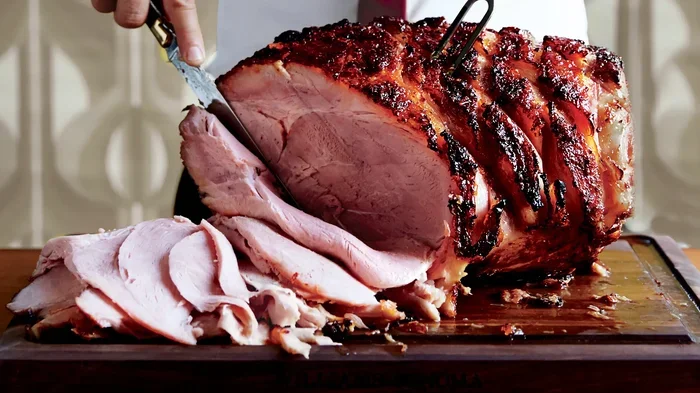
Carving a bone-in ham looks impressive but is actually quite simple. Place the ham on a cutting board with the shank end facing up. Start by slicing along the bone to release the first few slices. Then turn the ham and slice parallel to the bone in thin, even pieces. For a boneless ham, simply slice against the grain into 1/4-inch thick pieces. The grain is the direction of the muscle fibers. Slicing against it makes the ham tender and easy to chew.
Leftover Ham Storage and Reheating
Cooked ham keeps well in the refrigerator. Wrap it tightly in plastic wrap or aluminum foil and store it in the coldest part of the fridge. It will stay fresh for 3 to 5 days. For longer storage, freeze the ham. It will keep for up to 2 months in the freezer. When reheating leftover ham, use a low oven temperature of 275°F or warm it in a covered skillet with a little broth. Avoid the microwave for whole slices, as it can make them tough and rubbery.
Freezing Cooked Ham
If you have a lot of leftovers, freezing is a great option. Slice the ham before freezing so you can thaw only what you need. Wrap each slice individually in plastic wrap, then place them in a freezer bag. Squeeze out as much air as possible. Label the bag with the date. When you’re ready to eat, thaw the slices in the refrigerator overnight. Reheat gently in the oven or microwave.
Expert Insights: Best Way to Reheat Slices
Chefs recommend reheating ham slices in a skillet with a little liquid. Add a splash of chicken broth or apple juice to the pan. Cover and heat over low-medium heat for 5 to 8 minutes. This keeps the slices moist and prevents them from drying out. If you’re reheating a whole ham, wrap it in foil and warm it at 275°F for about 10 minutes per pound. The foil traps moisture and reheats the meat gently.
Conclusion
Cooking uncooked ham in the oven doesn’t have to be complicated. With the right temperature, timing, and a little attention, you can serve a ham that’s the star of the table. Remember the basics: 325°F, 15-20 minutes per pound, and an internal temperature of 145°F. Use a meat thermometer, baste regularly, and let the ham rest before you carve. These simple steps will take your oven-baked ham from good to great.
Now that you know how long to cook uncooked ham in the oven, you’re ready to tackle any ham recipe. Whether it’s a holiday centerpiece or a casual Sunday dinner, you have all the tools you need. Put on your apron, preheat the oven, and enjoy the process. A perfectly cooked ham is one of the most rewarding things you can make at home. Happy cooking!
Frequently Asked Questions
How long does it take to cook a 10-pound uncooked ham?
At 325°F, a 10-pound bone-in ham will take approximately 2.5 to 3.5 hours. This translates to about 15 to 20 minutes per pound. Always use a meat thermometer to confirm the internal temperature reaches 145°F.
Can I cook a ham at 350°F instead of 325°F?
Yes, you can cook at 350°F, but it will cook faster and has a higher risk of drying out. If you choose 350°F, reduce the cooking time by about 10 to 15 percent and check the temperature more frequently.
Do I need to cover the ham with foil while cooking?
Yes, covering the ham with foil for the first two-thirds of the cooking time helps retain moisture. Remove the foil for the last 30 minutes to allow the glaze to caramelize and the surface to brown.
What is the best glaze for oven-baked ham?
A simple glaze of brown sugar, Dijon mustard, and apple cider vinegar works wonderfully. You can also use honey, pineapple juice, or a store-bought glaze. Apply the glaze in the last 30 to 45 minutes of cooking.
How do I know when the ham is done?
The ham is done when a meat thermometer inserted into the thickest part reads 145°F for raw uncooked ham. The juices should run clear, and the meat should feel firm but springy when pressed.
Can I freeze leftover cooked ham?
Yes, cooked ham freezes well for up to 2 months. Wrap it tightly in plastic wrap and aluminum foil, or place it in a freezer bag. Thaw overnight in the refrigerator before reheating.